Betta fish can become trapped in decorations, plants, or tight tank setups, which often leads to stress and death if not addressed quickly. Understanding the signs, proper tank design, and daily care habits will dramatically reduce the risk and keep your betta healthy and happy.
Key Takeaways
- Identify hazards early: Tight spaces, aggressive plants, and improper tank size are the top culprits.
- Watch behavior cues: Gasping, floating upside‑down, or hiding indicate a stuck betta.
- Tank setup matters: Soft substrate, open swimming area, and safe décor prevent entrapment.
- Regular maintenance: Cleaning debris and checking water flow stop accidental snags.
- Quick rescue techniques: Gentle removal tools and proper handling can save a trapped fish.
- Prevent stress: Stable temperature, proper diet, and minimal tank mates reduce panic.
- Know when to seek help: Persistent issues may need a vet or experienced hobbyist’s advice.
📑 Table of Contents
- Introduction: Why the Question Matters
- 1. The Anatomy of a Betta: What Makes Them Susceptible?
- 2. Common Scenarios Where Betta Fish Get Stuck
- 3. Spotting the Warning Signs
- 4. Preventing Stuck‑Related Deaths
- 5. Rescue Techniques: What to Do If Your Betta Gets Stuck
- 6. Long‑Term Health: Keeping Your Betta Safe Beyond Stuck Situations
- Conclusion: Proactive Care Beats Panic
Introduction: Why the Question Matters
If you’ve ever watched a betta fish glide gracefully across the water’s surface, you might assume these little fighters are low‑maintenance pets. The reality is a bit more nuanced. One of the most unsettling questions new owners ask is, are betta fish prone to getting stuck and dying? The short answer is yes—under the wrong conditions, a betta can become trapped in tank décor, plants, or even its own fins, leading to fatal stress.
Understanding why this happens, how to spot it early, and what you can do to prevent it turns a potentially tragic situation into a manageable part of betta care. In this guide we’ll break down the science, share real‑world examples, and give you a step‑by‑step plan to keep your betta safe.
1. The Anatomy of a Betta: What Makes Them Susceptible?
Body shape and fin structure
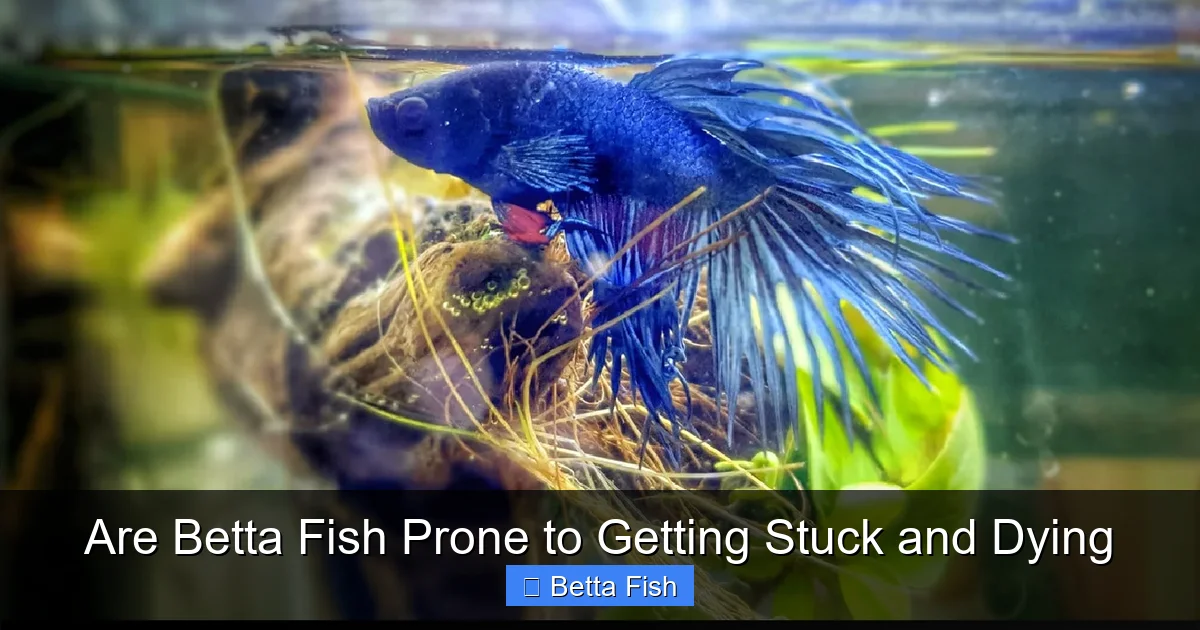
Betta fish (Betta splendens) are built for short bursts of speed, not long swims in tight spaces. Their long, flowing fins are beautiful but can act like sails that catch on objects. A narrow tank or dense plant growth can easily snag these fins, making the fish feel “stuck.”
Visual guide about Are Betta Fish Prone to Getting Stuck and Dying
Image source: buildyouraquarium.com
Natural habitat clues
In the wild, bettas live in shallow rice paddies and slow‑moving streams in Southeast Asia. These environments are open, with plenty of space to dart away from predators. Replicating that open‑water feel in a home aquarium reduces the chance of a betta becoming entangled.
Behavioral instincts
Betas are territorial and love to explore vertical space. When they sense a threat, they may dart upward or hide. If a hideout is too tight, they can get wedged. Recognizing these instincts helps you design a tank that satisfies curiosity without creating traps.
2. Common Scenarios Where Betta Fish Get Stuck
Decorations that are too small or sharp
Ornaments with narrow tunnels, tiny holes, or sharp edges are a classic hazard. A betta may swim into a hollow ornament, become confused, and end up wedged. Always choose décor with smooth surfaces and openings larger than the fish’s body.
Visual guide about Are Betta Fish Prone to Getting Stuck and Dying
Image source: i.ytimg.com
Live plants with dense roots
Live plants are wonderful for water quality and natural look, but some have root mats that can form tight nets. If you notice a betta repeatedly hovering near a plant, check for tangled roots. Using plants like Java fern or Anubias, which have broad leaves and shallow roots, minimizes risk.
Improper substrate
Fine sand can compact and create pockets where a betta’s fins might get caught. Coarser gravel or a bare-bottom tank eliminates this problem. If you love the look of sand, rinse it thoroughly and keep a thin layer—no deeper than 1‑2 cm.
Tank size and shape
Many beginners use tiny “betta bowls.” These cramped spaces increase the odds of a fish hitting the glass or décor and becoming stuck. A minimum of 5 gallons (about 19 liters) with a rectangular shape offers ample swimming room and reduces stress.
3. Spotting the Warning Signs
Physical cues
A stuck betta often shows these signs:
Visual guide about Are Betta Fish Prone to Getting Stuck and Dying
Image source: wildbettablog.com
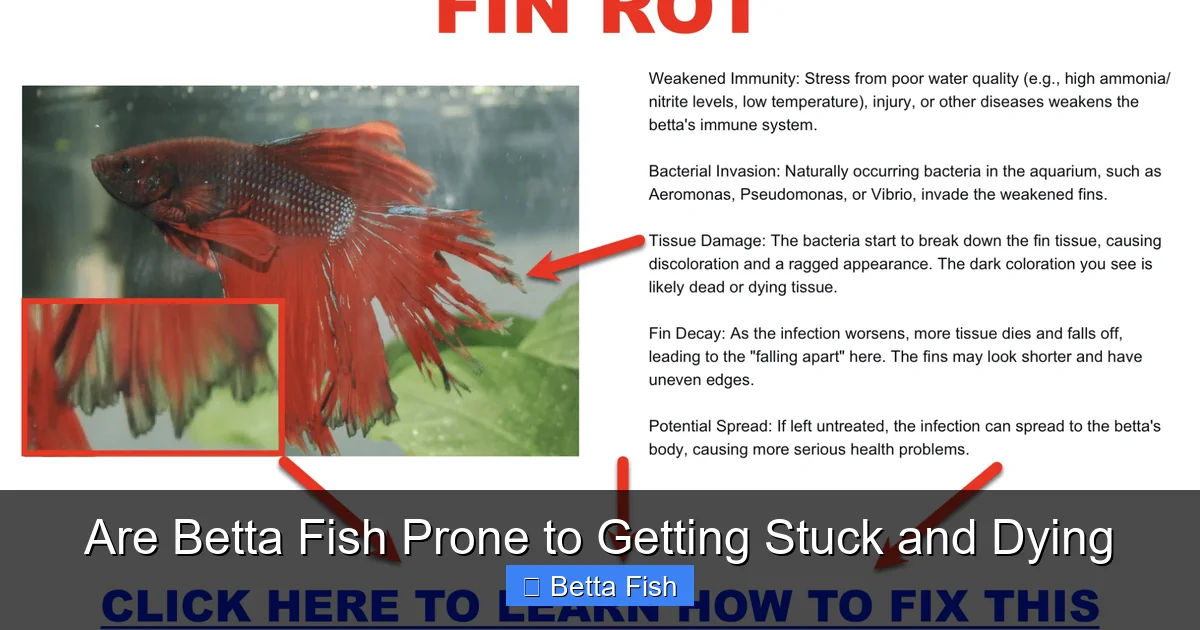
- Gasping at the surface or near a décor piece.
- Floating upside‑down or hovering in one spot for long periods.
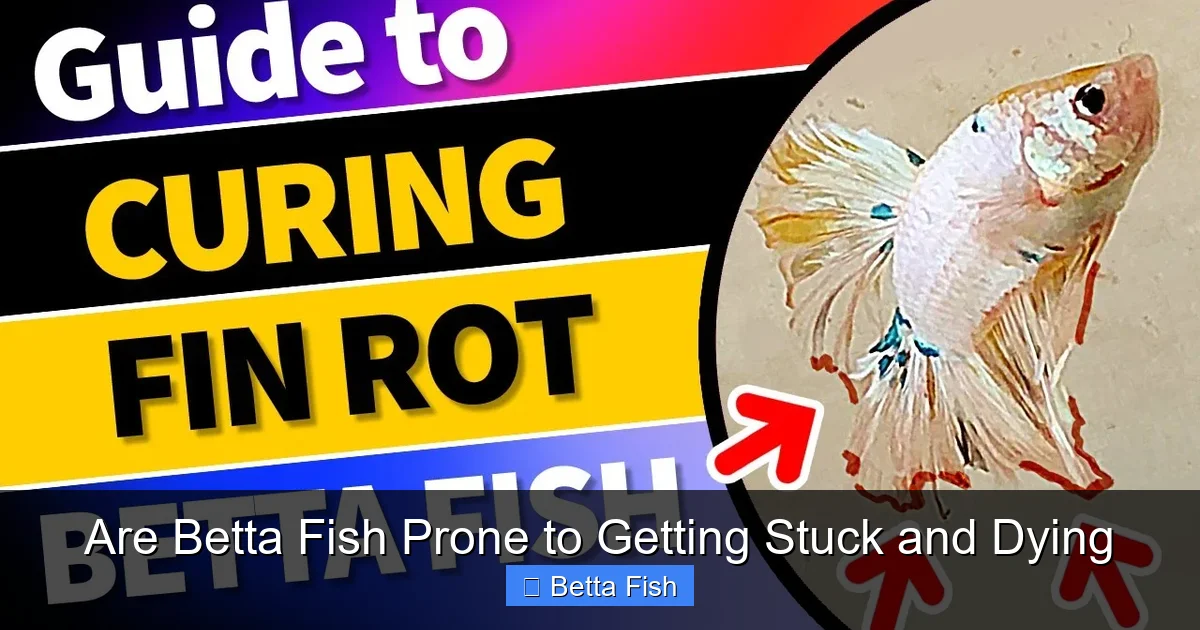
- Fins that appear frayed, torn, or unusually clamped together.
Behavioral changes
If your betta suddenly stops exploring, loses appetite, or becomes unusually lethargic, it could be a sign of entrapment or the stress that follows. Learn how to know if a betta fish is dying to differentiate between a stuck fish and other health issues.
Water quality clues
Stressed fish release more waste, which can spike ammonia levels. If you notice cloudy water or a strong odor, test the water. Elevated ammonia can exacerbate a betta’s weakness after being stuck.
4. Preventing Stuck‑Related Deaths
Designing a safe tank layout
Start with a spacious base: a 5‑gallon tank with a gentle slope from front to back. Place décor at the back and sides, leaving a clear central corridor at least 3‑4 inches wide. Use large, smooth rocks or ceramic caves instead of tiny tunnels.
Choosing the right plants
Opt for plants that stay low and have broad leaves. Java moss can be attached to décor rather than planted in the substrate, preventing root tangles. If you love a lush look, use a mesh background to keep roots from spreading into the swimming area.
Regular maintenance routine
Perform weekly water changes (20‑30%) and gently vacuum the substrate to remove debris that could become a trap. Trim any overgrown plant leaves that extend into the swimming zone.
Temperature and water parameters
Betta fish thrive at 76‑82 °F (24‑28 °C). Fluctuations cause stress, making them more prone to panic and accidental entrapment. Use a reliable heater and a thermometer to keep the temperature steady.
Feeding practices
Overfeeding creates excess waste, which can cloud the water and hide potential hazards. Feed small portions 2‑3 times daily, removing uneaten food after a few minutes. For more on feeding, see how often are you supposed to feed betta fish.
5. Rescue Techniques: What to Do If Your Betta Gets Stuck
Stay calm and act quickly
Time is critical. A betta that can’t breathe will deteriorate within minutes. Gently lift the fish using a soft net or a clean, wet fingertip. If the fish is tangled, use a pair of tweezers to carefully free the fin without pulling.
Use a temporary container
Place the rescued betta in a small, pre‑conditioned container with water from the main tank. This reduces shock while you assess the damage. Keep the container covered to lower stress.
Assess injuries
Look for torn fins, bruises, or signs of infection. If you see red patches or a “pop‑eye” appearance, it may be a bacterial infection—consult a vet or follow a reputable treatment plan like the one in how to treat dropsy in betta fish.
Re‑introduce safely
After a short recovery (usually a few hours), return the betta to the main tank once the water parameters are stable. Observe closely for any lingering stress signs.
6. Long‑Term Health: Keeping Your Betta Safe Beyond Stuck Situations
Monitoring water quality
Invest in a good test kit for ammonia, nitrite, nitrate, and pH. Keep ammonia at 0 ppm and nitrate below 20 ppm. Stable water quality is the backbone of a healthy betta and reduces the likelihood of fatal stress.
Providing enrichment
Betta fish love to explore. Add floating logs or a gentle current (via a low‑flow sponge filter) to encourage natural behavior without creating strong currents that could push them into décor.
Understanding when to seek professional help
If you notice repeated incidents of a betta getting stuck, it may indicate a deeper issue—perhaps the tank is still too small, or the décor is unsuitable. Don’t hesitate to ask experienced hobbyists or a veterinarian who specializes in fish health. For more guidance on general betta mortality, read why are my betta fish dying.
Conclusion: Proactive Care Beats Panic
Answering the question, are betta fish prone to getting stuck and dying, reveals that the risk is real but manageable. By understanding the fish’s anatomy, setting up a safe environment, watching for warning signs, and acting fast when trouble arises, you dramatically lower the chance of a tragic loss.
Remember, a happy betta thrives in a spacious, well‑maintained tank with smooth décor and minimal stressors. Keep these principles in mind, and you’ll enjoy the vibrant colors and lively personality of your betta for years to come.
Frequently Asked Questions
Can a betta fish survive if it gets tangled in plants?
Yes, if you act quickly. Gently untangle the fins using soft tweezers and move the fish to a clean container while you assess any injuries.
What size tank is safest to prevent a betta from getting stuck?
A minimum of 5 gallons (19 liters) with open swimming space and smooth décor is recommended to reduce entrapment risk.
How often should I clean my betta’s tank to avoid debris traps?
Weekly water changes of 20‑30% and a gentle substrate vacuum keep debris from building up and creating hidden snags.
Are certain betta fish varieties more prone to getting stuck?
Long‑fin varieties, such as Half‑Moon or Veiltail bettas, have larger fins that can catch more easily, so they need extra caution with décor.
What signs indicate my betta is stressed from being stuck?
Gasping at the surface, floating upside‑down, loss of appetite, and frayed fins are key indicators of stress after an entrapment.
Should I use a heater for a betta tank to prevent stress?
Yes. Maintaining a stable temperature between 76‑82 °F (24‑28 °C) helps keep your betta calm and less likely to panic into tight spaces.

