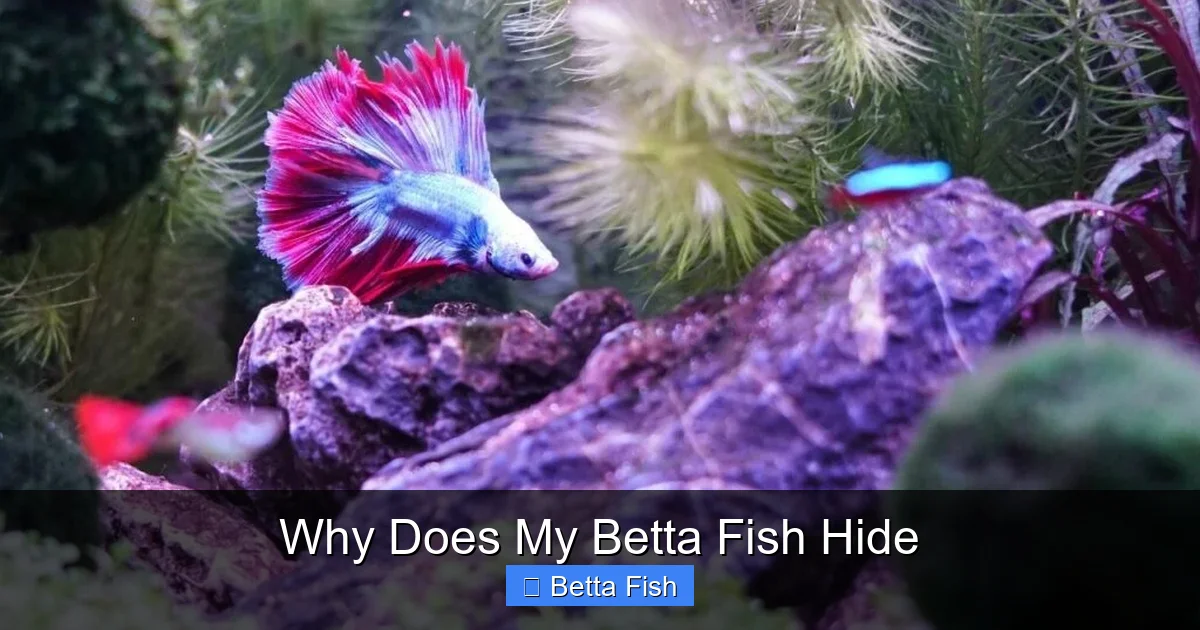
Why Does My Betta Fish Hide
Betta fish hide for many reasons—from stress and water issues to natural instincts. Understanding the clues helps you create a safe, comfortable home, so your betta feels confident enough to show off its colors. Quick tweaks to tank setup, diet, and routine can turn a shy swimmer into a proud performer.
Key Takeaways
- Stress is the top culprit: Poor water quality, loud environments, or aggressive tank mates make bettas retreat.
- Tank setup matters: Too small, too bright, or lacking hiding spots triggers hiding behavior.
- Health issues mimic hiding: Illness, parasites, or injuries can cause a betta to stay low.
- Natural instincts: In the wild bettas hide to avoid predators; a new tank can feel like a jungle.
- Observation is key: Watch for changes in swimming, appetite, and coloration to pinpoint the cause.
- Simple fixes work fast: Adjust lighting, add plants, and test water to make your betta comfortable.
- When to seek help: Persistent hiding despite improvements may need a vet or expert opinion.
📑 Table of Contents
- Introduction: The Mystery of the Hiding Betta
- 1. Water Quality: The Silent Stressor
- 2. Tank Size and Layout: Giving Your Betta Space to Shine
- 3. Stress From Neighbors and Noise: The Invisible Threat
- 4. Health Concerns: When Hiding Signals Illness
- 5. Natural Instincts: The Betta’s Survival Mode
- 6. Feeding and Enrichment: Keeping Your Betta Engaged
- Conclusion: Turning Hiding Into Happiness
Introduction: The Mystery of the Hiding Betta
It’s a common scene for many betta owners: you set up a beautiful tank, turn on the lights, and instead of the bright, flowing fins you expected, your fish is tucked away behind a leaf or the side of the glass. You might whisper to yourself, “why does my betta fish hide?” The answer isn’t always simple, but it’s never hopeless.
Betta fish (Betta splendens) are naturally bold, yet they are also instinctively cautious. In the wild they navigate dense vegetation, avoid larger predators, and rest in sheltered spots. When you bring a betta into a home aquarium, you’re recreating a very different world. If something feels off—whether it’s the water, the décor, or even the sounds outside—the fish will retreat to a safe corner. By learning the reasons behind the hiding habit, you can quickly adjust the environment and see your betta flourish.
1. Water Quality: The Silent Stressor
Why clean water matters
Betta fish are sensitive to ammonia, nitrite, and even high nitrate levels. A spike in any of these can cause irritation of the gills and skin, leading the fish to hide. Regular testing with a reliable test kit is essential.
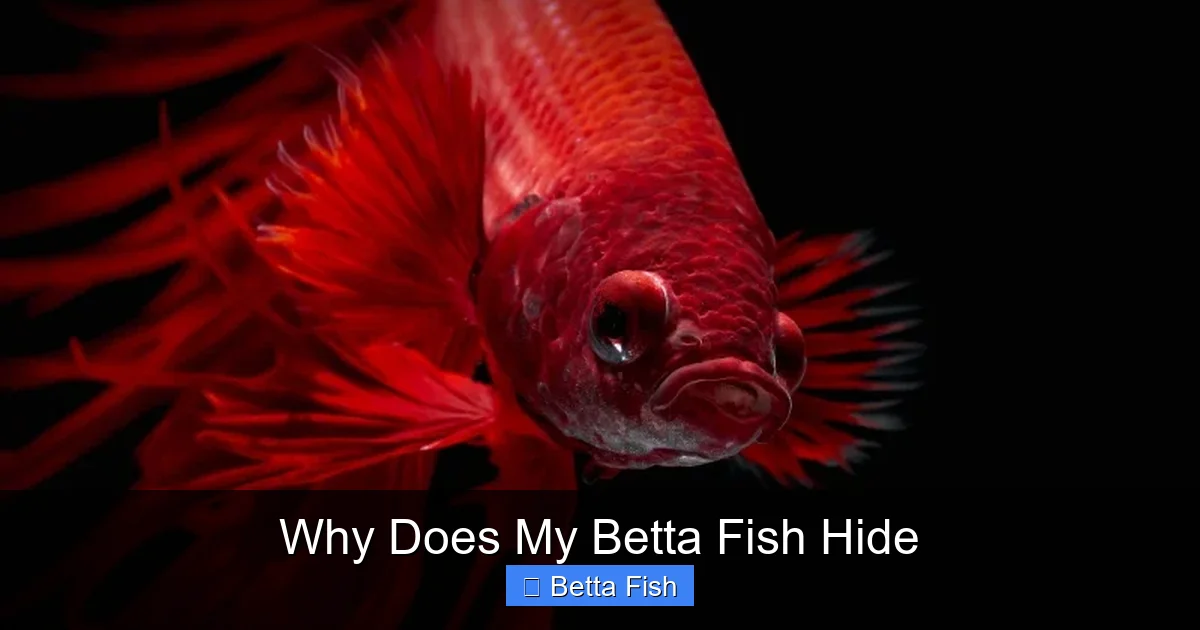
Visual guide about Why Does My Betta Fish Hide
Image source: infishtank.com
Common water problems that trigger hiding
- Ammonia build‑up: Often caused by over‑feeding or a new tank that hasn’t cycled fully.
- High nitrate: Accumulates over time if water changes are infrequent.
- Improper pH: Bettas prefer a slightly acidic to neutral range (6.5‑7.5).
- Temperature swings: Rapid changes below 76°F (24°C) or above 82°F (28°C) stress the fish.
Practical water‑care tips
Change 25‑30% of the water weekly, use a gentle water conditioner, and keep the tank temperature stable with an aquarium heater. Test the water at least once a week during the first month and then bi‑weekly.
2. Tank Size and Layout: Giving Your Betta Space to Shine
Is a 2‑gallon tank enough?
While bettas can survive in small bowls, a minimum of 5 gallons provides enough swimming room and dilutes toxins more effectively. A cramped space can make a betta feel trapped, prompting it to hide.
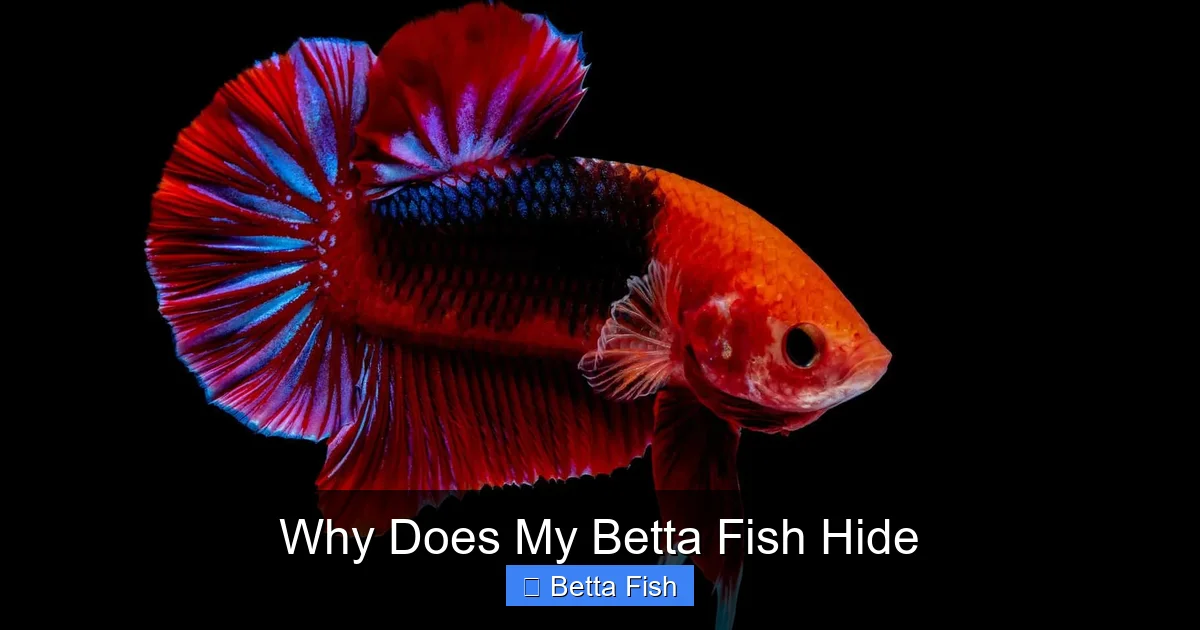
Visual guide about Why Does My Betta Fish Hide
Image source: bettasource.com
Lighting and décor
Bright, direct lighting can be overwhelming. Use a dimmable LED or place a floating plant to diffuse the light. Adding live or silk plants, caves, and PVC pipes gives natural hiding spots that mimic their wild habitat.
Example tank setup
- 5‑gal glass tank with a gentle heater set to 78°F.
- Fine gravel substrate (1‑2 inches deep).
- Live plants like Java fern and Anubias for cover.
- One small driftwood root for a natural cave.
3. Stress From Neighbors and Noise: The Invisible Threat
Room vibrations and loud noises
Betta fish can sense vibrations through the water. A TV, speaker, or heavy foot traffic can cause them to feel unsafe. If you notice hiding after a loud event, try moving the tank to a quieter corner.
Tank mates
While many bettas are kept solo, some owners try community tanks. Even a peaceful snail can stress a betta if it feels its territory is invaded. Remember, why is my betta fish hiding often points back to perceived threats.
How to reduce stress
- Place the tank away from windows and doors.
- Use a background poster to block external views.
- Limit sudden movements near the tank.
4. Health Concerns: When Hiding Signals Illness
Common illnesses that cause retreat
Parasites, fin rot, and swim bladder disease can make a betta lose energy and hide. Look for additional signs such as frayed fins, white spots, bloating, or abnormal swimming.
Spotting the early warning signs
- Loss of appetite – check why did my betta fish stop eating.
- White or black spots on scales – see why are my betta fish eyes white for related issues.
- Bloated abdomen – read why does my betta fish look bloated for details.
When to act
If hiding persists for more than a few days, or if you notice any of the above symptoms, isolate the fish in a hospital tank and consult a vet experienced with tropical fish.
5. Natural Instincts: The Betta’s Survival Mode
Why bettas are built to hide
In their native Thai rice paddies, bettas live among thick vegetation and need to escape predators quickly. Their “hiding” is a survival strategy that carries over to captivity. Even a perfectly set up tank can feel unfamiliar, prompting the fish to seek shelter.
Encouraging confidence
Gradually introduce new décor and change lighting slowly. Offer a variety of hiding places and allow the fish to explore at its own pace. Over time, the betta will become more comfortable and start showing its colors.
6. Feeding and Enrichment: Keeping Your Betta Engaged
Food as a motivator
A hungry betta is more likely to venture out of its hide. Feed high‑quality pellets or frozen bloodworms twice daily. Use a feeding ring to keep food in one spot, encouraging the fish to come out.
Interactive enrichment
Introduce a floating leaf or a small mirror for short periods. These simple toys stimulate natural curiosity and can coax a shy betta into the open.
Conclusion: Turning Hiding Into Happiness
Understanding why does my betta fish hide is the first step toward a healthier, more vibrant companion. By checking water quality, providing adequate space, reducing stressors, monitoring health, and honoring the fish’s natural instincts, you create an environment where your betta feels safe enough to flaunt its brilliant fins. Remember, patience and observation are your best tools—watch the subtle changes, adjust accordingly, and soon the hidden fish will become the star of the show.
Frequently Asked Questions
Why does my betta fish hide when I turn on the lights?
Bright lighting can feel like a predator’s glare. Use a dimmer or place a floating plant to diffuse the light, giving the betta a place to feel secure.
Can poor water quality cause my betta to hide?
Yes. High ammonia, nitrite, or nitrate levels irritate a betta’s gills and skin, prompting it to retreat. Test the water regularly and perform weekly water changes.
Is my betta’s hiding a sign of illness?
Sometimes. Look for additional symptoms like loss of appetite, white spots, or frayed fins. If hiding continues with other signs, isolate the fish and seek veterinary advice.
Do bettas need hiding spots even if the tank looks nice?
Absolutely. In the wild they hide among plants and roots. Adding live plants, silk leaves, or a small cave gives them a sense of security.
How often should I feed a betta that hides?
Feed small portions twice a day. High‑quality pellets or frozen bloodworms work well. A feeding ring can help keep food in one area, encouraging the fish to leave its hide.
Will my betta stop hiding if I change the tank location?
Often, yes. Moving the tank away from noisy areas, windows, or high‑traffic zones reduces stress and can make the fish feel safer.