Are Betta Fish Pregnant
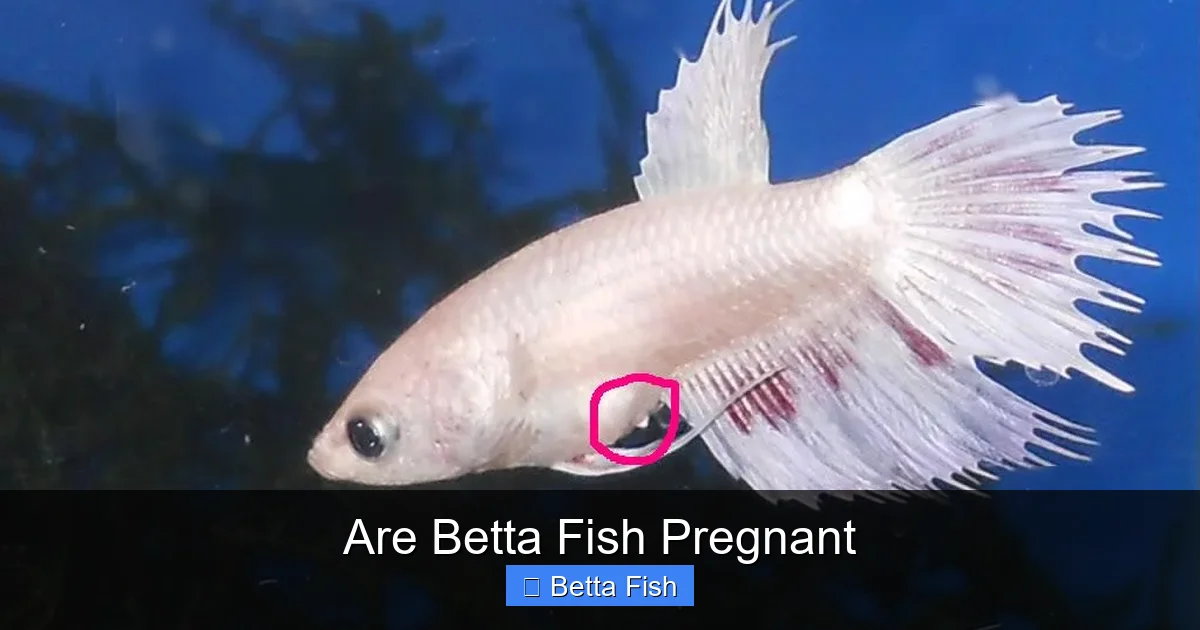
Betta fish don’t get “pregnant” the way mammals do; instead, females become gravid and carry eggs in a special organ called the ovary. Recognizing the signs—swollen belly, visible eggs, and changes in behavior—helps you provide the right environment for a healthy brood.
Key Takeaways
- Betta fish aren’t pregnant: Females become gravid, holding eggs in their ovaries until they’re ready to spawn.
- Visible signs of gravidity: A rounded abdomen, visible egg strings, and a “spawning” posture indicate readiness.
- Proper setup matters: A separate breeding tank with warm, soft water and plenty of hiding spots boosts success.
- Male care is crucial: Males guard the bubble nest; remove the female after spawning to prevent aggression.
- Egg and fry care: Keep water stable, feed infusoria or microworms, and gradually transition fry to larger foods.
- Common mistakes: Overcrowding, poor water parameters, and using the wrong tank size can halt breeding.
- Helpful resources: Learn more about betta behavior, tank setup, and care with our related articles.
📑 Table of Contents
- Introduction: Why the Question “Are Betta Fish Pregnant?” Comes Up
- 1. The Biology of Betta Reproduction
- 2. Recognizing a Gravid Female
- 3. Setting Up the Perfect Breeding Environment
- 4. The Spawning Process: From Courtship to Fry
- 5. Raising Betta Fry: From Tiny Eggs to Independent Fish
- 6. Common Mistakes and How to Avoid Them
- Conclusion: Embrace the Journey, Not Just the Result
Introduction: Why the Question “Are Betta Fish Pregnant?” Comes Up
If you’ve ever watched a beautiful female betta glide around her tank and noticed a slightly swollen belly, you might wonder if she’s “pregnant.” The short answer is no—betta fish are not mammals, so they don’t carry live young. Instead, they have a unique reproductive system that can look a lot like pregnancy to the untrained eye.
Understanding the difference between pregnancy and gravidity (the term scientists use for egg‑bearing fish) is key for any hobbyist who wants to breed bettas or simply provide the best care. In this article we’ll break down the biology, the tell‑tale signs, and the step‑by‑step process to help your betta thrive during the breeding cycle.
1. The Biology of Betta Reproduction
1.1 How Betta Fish Reproduce
Betta fish are freshwater members of the gourami family. They are “labyrinth fish,” meaning they possess a special organ that lets them breathe air from the surface. When it comes to reproduction, male bettas build a bubble nest on the water’s surface, while females develop eggs inside their ovaries.
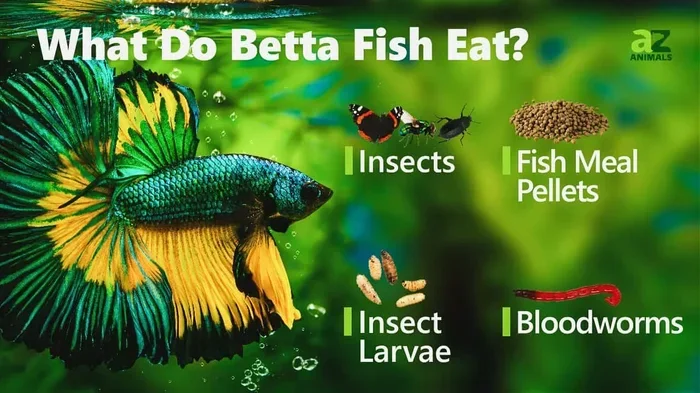
Visual guide about Are Betta Fish Pregnant
Image source: i.ytimg.com
1.2 What Is a Gravid Female?
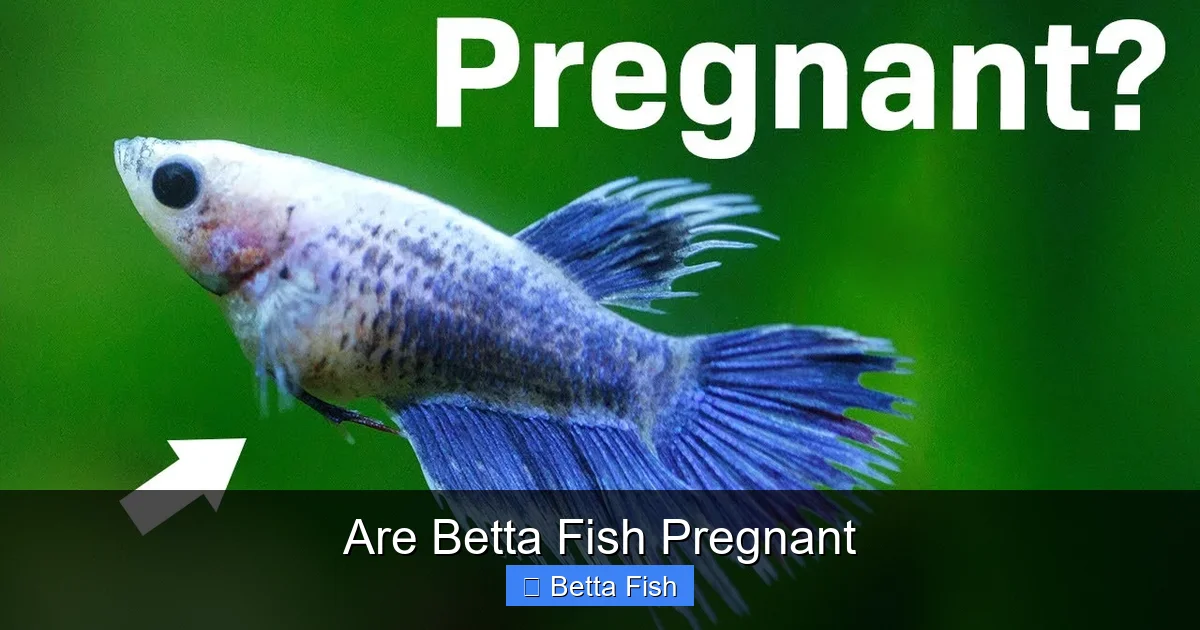
A gravid female is one that has mature eggs ready to be released. The eggs sit in the ovary until the female is ready to spawn. During this time the belly may appear slightly enlarged, and a faint line of eggs can sometimes be seen through the semi‑transparent skin.
1.3 The Role of the Male
Male bettas become very protective during the breeding phase. They will flare, display their fins, and work tirelessly to keep the bubble nest intact. Once the female releases her eggs, the male fertilizes them and gathers them into the nest.
2. Recognizing a Gravid Female
2.1 Physical Signs to Look For
- Swollen abdomen: The belly looks rounder, especially when viewed from the side.
- Visible egg line: In some light, a faint white line may be seen along the spine.
- Behavioral changes: The female may become more reclusive, hiding among plants or decorations.
2.2 Distinguishing Between Health Issues and Gravidity
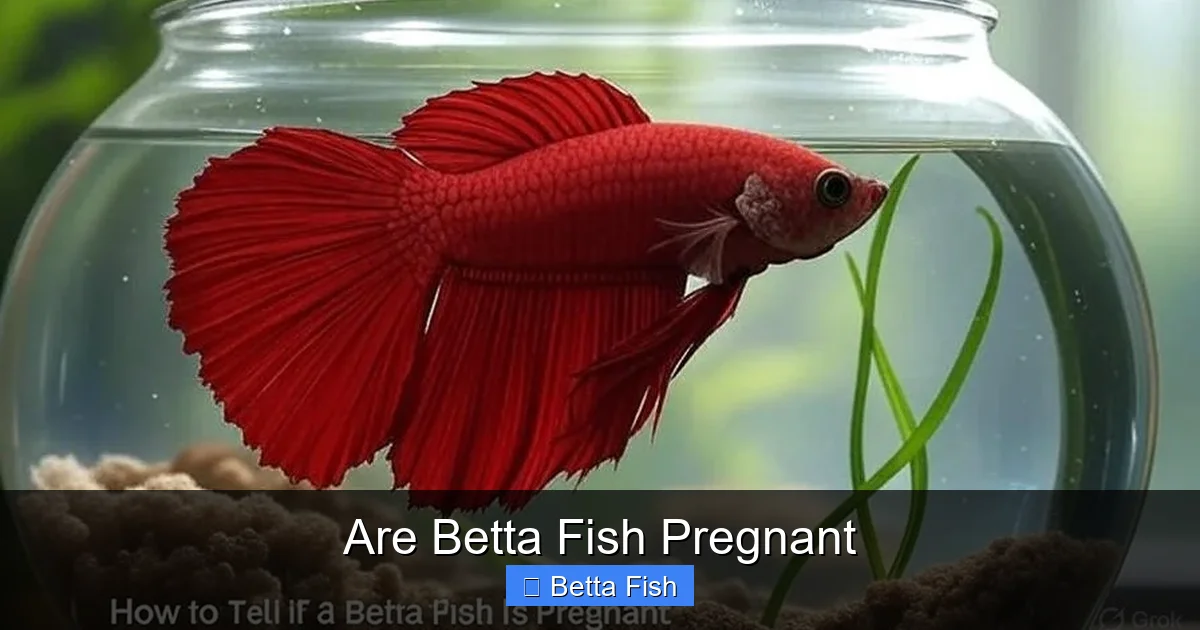
Sometimes a swollen belly can signal constipation, bloating, or disease. Look for additional signs such as loss of appetite, lethargy, or abnormal swimming. If those are present, a vet check is recommended.
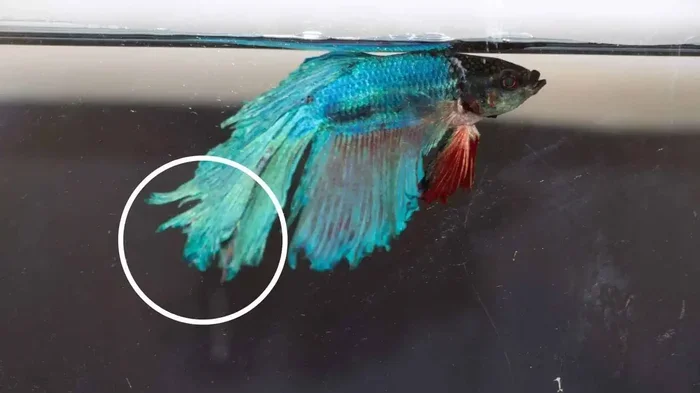
Visual guide about Are Betta Fish Pregnant
Image source: calculatordiary.com
2.3 Quick Checklist
- Check belly shape – should be round, not bulging to one side.
- Look for a faint egg line under the dorsal fin.
- Observe behavior – less aggressive, more hiding.
- Confirm water parameters are optimal (78‑80°F, pH 6.5‑7.0).
3. Setting Up the Perfect Breeding Environment
3.1 The Ideal Breeding Tank
A separate 5‑10 gallon tank works best. Use a shallow water level (about 4‑5 inches) so the male can easily build a bubble nest. Add fine leaf litter, silk plants, and a small piece of driftwood for the female to lay eggs on.

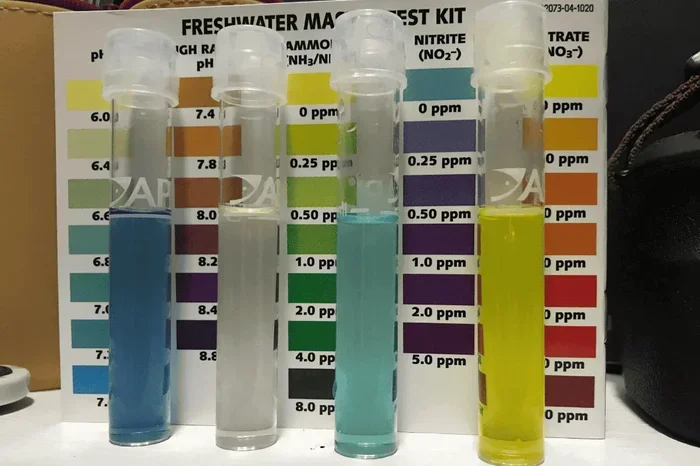
Visual guide about Are Betta Fish Pregnant
Image source: japanesefightingfish.org
3.2 Water Conditions
- Temperature: 78‑82°F (25‑28°C) – warmer water speeds egg development.
- pH: 6.5‑7.0 – slightly acidic to neutral.
- Soft water: 2‑4 dGH – mimics their natural habitats in Thailand.
3.3 Lighting and Cover
Provide a gentle day/night cycle (10‑12 hours light). Dim lighting in the evening helps the male focus on nest building. Include a small cave or pot for the female to feel safe.
3.4 Internal Link Example
For more details on creating a comfortable home for your betta, check out our guide on why betta fish tanks are so small and how to make them work for breeding.
4. The Spawning Process: From Courtship to Fry
4.1 Courtship Rituals
The male will flare his fins, show off his colors, and swim in circles. He may also gently nudge the female with his head. If the female is ready, she will respond by swimming close and displaying a “side‑by‑side” posture.
4.2 The Actual Spawning
When the female releases a single egg, the male immediately fertilizes it and places it in the bubble nest. This continues until the female has deposited all her eggs—usually 20‑30 in total.
4.3 Post‑Spawning Care
- Remove the female within a few hours to prevent the male from attacking her.
- Keep the water calm; avoid strong currents.
- Feed the male small live foods (brine shrimp) to keep him energetic.
5. Raising Betta Fry: From Tiny Eggs to Independent Fish
5.1 Egg Development Timeline
Eggs hatch in 24‑36 hours at 78‑80°F. The fry remain attached to the bubble nest for another 2‑3 days, feeding on their yolk sac.
5.2 First Foods
Once the yolk sac is absorbed, start feeding infusoria or newly hatched brine shrimp. Gradually introduce microworms as they grow.
5.3 Water Maintenance
Perform 20‑30% water changes daily for the first week. Keep temperature stable and avoid any sudden shifts.
5.4 Growing Out
When the fry are about 5‑7 mm, you can move them to a larger rearing tank (10‑20 gallons) with gentle filtration. Continue feeding high‑protein foods and monitor growth.
6. Common Mistakes and How to Avoid Them
6.1 Overcrowding the Breeding Tank
Too many fish cause stress and may lead to the male abandoning the nest. Keep only one male and one female in the breeding setup.
6.2 Ignoring Water Quality
Even a slight rise in ammonia can kill eggs. Test water daily and use a gentle filter that doesn’t disturb the bubble nest.
6.3 Not Providing Enough Hiding Spots
Females need places to feel safe during gravidity. Lack of cover can cause her to refuse to spawn.
6.4 Removing the Male Too Early
The male guards the eggs for several days. Removing him before the fry are free can lead to high mortality.
Conclusion: Embrace the Journey, Not Just the Result
Betta fish may not get “pregnant,” but watching a gravid female and a diligent male build a bubble nest is a rewarding experience for any aquarist. By recognizing the signs of gravidity, setting up a proper breeding tank, and caring for the tiny fry, you’ll enjoy a thriving betta family and deepen your bond with these fascinating fish.
Remember, successful breeding is a blend of observation, patience, and consistent water care. Keep learning, experiment with small adjustments, and soon you’ll be marveling at the next generation of vibrant bettas swimming in your home.
Frequently Asked Questions
Can male betta fish get pregnant?
No. Male bettas do not carry eggs. They build and guard the bubble nest where the female’s eggs are deposited.
How long does it take for betta eggs to hatch?
At a temperature of 78‑80°F, betta eggs usually hatch within 24‑36 hours after being fertilized.
What should I feed my betta fry?
Start with infusoria or newly hatched brine shrimp, then move to microworms and finely crushed high‑protein flakes as they grow.
Is it safe to keep the female in the tank after spawning?
It’s best to remove the female within a few hours. Males can become aggressive toward her once the eggs are in the nest.
Why does my female betta’s belly look swollen but she isn’t ready to spawn?
Swelling can also be caused by constipation, bloating, or disease. Check water quality, diet, and consider a vet visit if other symptoms appear.
Do all betta fish breed easily in captivity?
Not always. Some strains are more finicky, and poor water conditions or stress can prevent spawning. Providing optimal conditions increases success.