Are Betta Fish Poisonous to Turtles
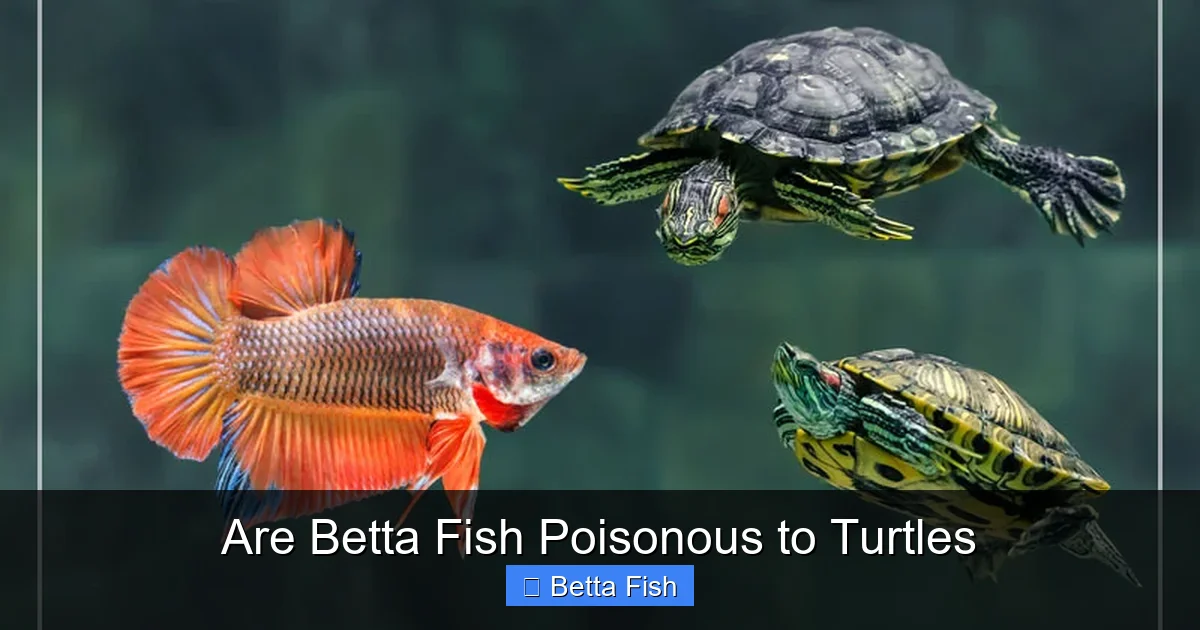
Betta fish are not poisonous to turtles, but their temperaments and water needs can cause problems. Understanding these differences helps you keep both species safe and thriving together.
Key Takeaways
- Betta fish aren’t toxic: They do not release poisons that can harm turtles.
- Temperament matters: Betta aggression can stress or injure curious turtles.
- Water parameters differ: Turtles need warmer, deeper water; bettas prefer shallow, calm habitats.
- Separate feeding zones: Turtles may eat betta food, causing nutritional imbalances.
- Tank size is crucial: A larger, well‑filtered tank gives both species room to coexist.
- Monitor health closely: Watch for signs of stress, injury, or disease in either pet.
- Consider alternatives: If conflict persists, house them in separate tanks for optimal welfare.
📑 Table of Contents
- Introduction: A Curious Question
- 1. Understanding the Biology: No Poison, Just Personality
- 2. Water Parameter Compatibility
- 3. Tank Setup: Giving Each Species Their Own Zone
- 4. Feeding Strategies: No Sharing the Buffet
- 5. Health Monitoring and Common Problems
- 6. Real‑World Example: A Successful Mixed Tank
- Conclusion: Safety First, Compatibility Second
Introduction: A Curious Question
If you’ve ever wondered, are betta fish poisonous to turtles, you’re not alone. Many hobbyists love the bright colors of bettas and the playful nature of turtles, and they wonder if a shared tank is possible. The short answer is no—betta fish do not produce toxins that can poison turtles. However, the relationship between these two animals is more about behavior and environment than chemistry.
In this guide we’ll explore why bettas aren’t poisonous, what problems can still arise, and how to set up a tank that keeps both happy. We’ll also sprinkle in practical tips, real‑world examples, and a few helpful internal links for deeper reading.
1. Understanding the Biology: No Poison, Just Personality
What makes a betta “poisonous”?
Some fish, like pufferfish or certain catfish, release toxins when stressed or threatened. Betta fish (Betta splendens) do not have such defenses. Their famous “flaring” displays are visual, not chemical. This means a turtle that bumps into a betta will not be exposed to venom or harmful substances.
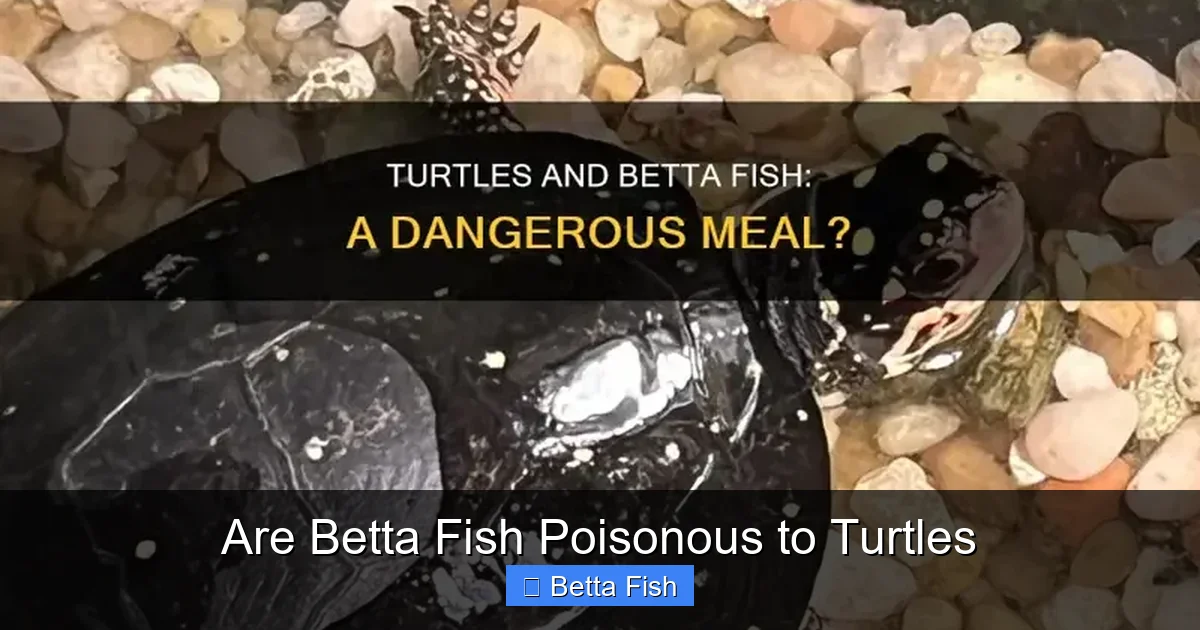
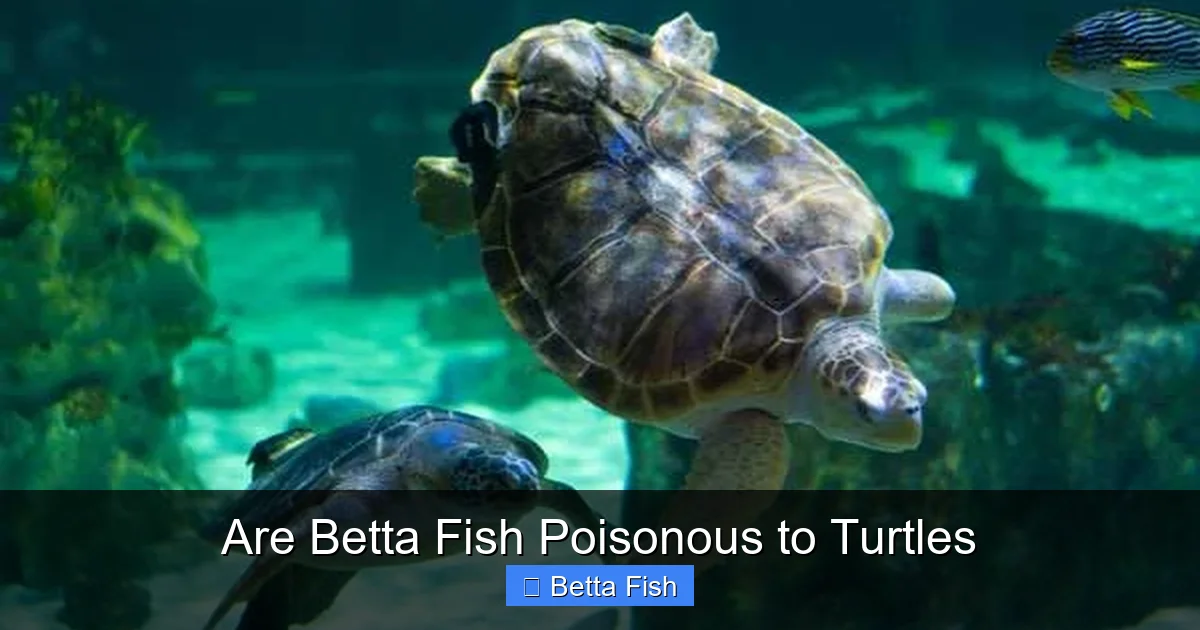
Visual guide about Are Betta Fish Poisonous to Turtles
Image source: petshun.com
Why turtles might still be at risk
Turtles are curious bottom‑feeders. They love to explore, nudge, and sometimes bite anything that moves. A turtle’s strong jaws can easily damage a betta’s delicate fins or cause bruising. Even without poison, physical injury can lead to infection or stress, which can be fatal for a small fish.
2. Water Parameter Compatibility
Temperature differences
Betta fish thrive in water that’s 76–82°F (24–28°C). Most freshwater turtles, like red‑eared sliders, prefer slightly warmer water, around 78–85°F (26–29°C). A shared tank can work if you maintain a temperature in the overlapping range—around 80°F (27°C) is a safe compromise.
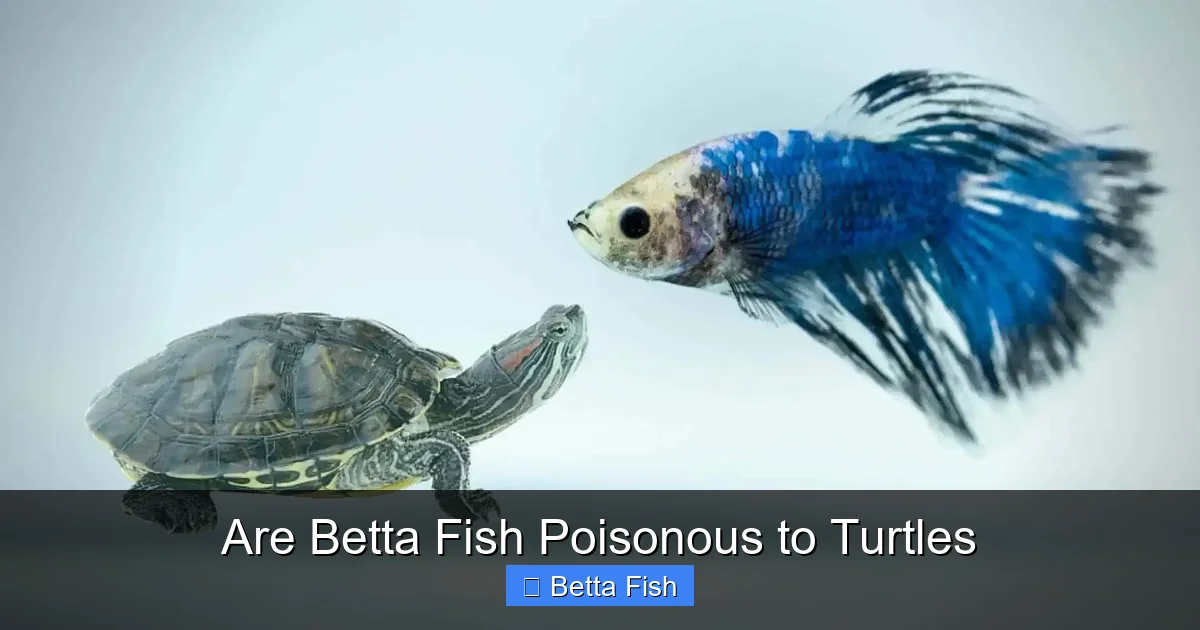
Visual guide about Are Betta Fish Poisonous to Turtles
Image source: bettasource.com
pH and hardness
Betas like slightly acidic to neutral water (pH 6.5–7.5). Turtles are more tolerant but generally prefer neutral to slightly alkaline water (pH 7.0–8.0). Using a good water conditioner and testing regularly will keep both species comfortable.
Filtration and space
Turtles produce a lot of waste, so strong filtration is a must. A canister filter rated for at least double the tank volume works well. Betas, however, dislike strong currents. Position the filter’s output behind a sponge or driftwood so the water flow is gentle where the betta lives.
3. Tank Setup: Giving Each Species Their Own Zone
Choosing the right size
A single turtle needs at least 20 gallons, while a betta can live comfortably in 5 gallons. To house both, aim for a minimum of 30 gallons. This provides enough depth for the turtle to swim and a separate “land” area for the betta.
Visual guide about Are Betta Fish Poisonous to Turtles
Image source: reptilehere.com
Creating distinct territories
- Land platform: Use a large piece of slate or a sealed piece of driftwood that rises above the water line. Turtles love basking, and the platform keeps the betta out of reach.
- Plants and hiding spots: Live plants like Java fern or Anubias give the betta cover and break the line of sight. They also help filter the water.
- Barrier ideas: A clear acrylic divider can separate the tank partially, allowing visual contact without physical interaction.
Lighting and heating
Both species need UVB lighting for the turtle’s shell health, while bettas need a regular day/night cycle. A 10‑hour UVB lamp combined with a dimmable LED for the tank works well. Use a separate heater for the water and a basking lamp for the turtle’s platform.
4. Feeding Strategies: No Sharing the Buffet
Different diets
Betta fish are carnivores that eat high‑protein pellets, frozen brine shrimp, or bloodworms. Turtles are omnivores; they enjoy commercial turtle pellets, leafy greens, and occasional protein like insects or fish. Feeding them together can cause nutritional imbalances.
Practical feeding tips
- Feed the turtle first, allowing it to eat from a floating dish.
- After the turtle finishes, add a small amount of betta food near the plant cover where the fish can eat undisturbed.
- Use a feeding ring or a mesh cup to keep the betta food from sinking to the turtle’s reach.
Watch for over‑eating
Both animals can overeat if food is left in the tank. Uneaten betta pellets can cloud the water, while excess turtle food can increase ammonia levels. Remove leftovers after 5 minutes.
5. Health Monitoring and Common Problems
Signs of stress in bettas
Frequent hiding, faded colors, frayed fins, or clamped gills indicate stress. If a turtle is constantly near the betta, consider adding more plants or a divider.
Signs of stress in turtles
Lethargy, loss of appetite, swollen eyes, or shell discoloration may signal poor water quality or stress from a hostile tank mate.
Disease transmission
While bettas don’t carry toxins, they can suffer from fungal infections or ich, which can spread to other fish but not to turtles. However, a sick betta can release bacteria that increase the overall bioload, affecting turtle health.
When to separate
If injuries occur repeatedly, or if either pet shows chronic stress, it’s best to move one to a separate tank. A dedicated betta tank can be as small as 5 gallons, while turtles need the larger setup.
6. Real‑World Example: A Successful Mixed Tank
Emily, a hobbyist from Texas, kept a red‑eared slider and a male betta together for six months. She followed these steps:
- Set up a 35‑gallon tank with a 10‑inch basking platform.
- Installed a canister filter with a sponge pre‑filter to soften flow.
- Added Java moss and a piece of driftwood for the betta’s cover.
- Fed the turtle first, then placed a tiny cup of betta pellets near the plants.
- Monitored water parameters daily; pH stayed at 7.2, temperature at 80°F.
Result: Both pets thrived, the betta displayed vibrant colors, and the turtle basked peacefully. Emily’s story shows that with careful planning, the answer to “are betta fish poisonous to turtles” remains a clear “no,” and coexistence is possible.
Conclusion: Safety First, Compatibility Second
Betta fish are not poisonous to turtles, but their differing temperaments, water needs, and feeding habits require thoughtful tank design. By providing separate zones, maintaining optimal water conditions, and feeding each animal appropriately, you can enjoy a vibrant, mixed aquarium without risking the health of either pet. If conflicts arise, remember that the safest option is always to house them separately.
Happy fish‑keeping, and may your tank be a peaceful home for all its colorful residents!
Frequently Asked Questions
Are betta fish toxic to turtles?
No. Betta fish do not produce toxins that can harm turtles. The risk comes from physical injury and stress, not poison.
Can a turtle eat a betta fish?
Yes, a curious turtle may try to bite a betta. This can injure the fish and cause stress, so it’s best to keep them separated or closely supervised.
What temperature works for both bettas and turtles?
Maintaining the tank at about 80°F (27°C) satisfies the temperature range for both bettas (76‑82°F) and most common freshwater turtles.
Do I need a special filter for a mixed tank?
Strong filtration is essential because turtles produce a lot of waste. Use a canister filter with a sponge pre‑filter to reduce flow where the betta lives.
How can I feed both pets without competition?
Feed the turtle first, then place a small amount of betta food near plants or in a feeding cup that the turtle can’t reach.
Should I keep a betta and turtle together long‑term?
It’s possible if you provide ample space, separate territories, and monitor behavior closely. If stress or injury occurs, separate tanks are the safest solution.