When Do Betta Fish Breed
Betta fish breeding is primarily triggered by environmental factors, not a strict seasonal calendar. While they can spawn year-round in warm, stable aquariums, temperature is the most critical cue. In the wild, peak breeding aligns with warm, rainy seasons. For successful home spawning, you must condition the pair properly and replicate ideal water parameters, typically between 78-82°F (25.5-28°C). Understanding courtship behaviors and providing a secure environment with a bubble nest are essential for a safe spawn.
So, you’ve got a beautiful, feisty Betta fish, and you’re wondering, “When do betta fish breed?” It’s a fantastic question, and the answer is more fascinating—and flexible—than many new hobbyists think. Forget what you might have heard about a strict “breeding season” like some other animals. For the magnificent Betta splendens, the clock is dictated by environment, health, and a bit of careful human guidance. Let’s dive deep into the rhythms, requirements, and realities of Betta breeding, turning curiosity into confident, successful practice.
Key Takeaways
- Environmental Triggers Over Calendar Seasons: Bettas respond to warm, stable water temperatures and changes in water chemistry (like fresh rain), not specific months. In heated tanks, they can breed any time.
- Temperature is the Primary Signal: A consistent water temperature of 78-82°F (25.5-28°C) is the single most important factor to initiate breeding behaviors and conditioning.
- Age and Health are Non-Negotiable: Breed Bettas only between 4-12 months of age. Both male and female must be in peak health, vibrant, and active to ensure a safe, successful spawn.
- Conditioning is a Multi-Week Process: You must feed high-protein, varied foods (like brine shrimp, daphnia, pellets) for 2-4 weeks prior to introduction to boost fertility and energy.
- Courtship Must Be Observed First: Never introduce a pair without a separate “courtship tank” setup. Look for the male’s flare, the female’s submissive “head-down” posture, and vibrant color displays before moving her to his tank.
- The Bubble Nest is a Prerequisite: A male will only begin active courtship once he has built a substantial, healthy-looking bubble nest. This is your sign the environment is right.
- Year-Round Breeding is Possible with Care: By maintaining tropical temperatures and proper conditioning, you are not limited by seasons. Patience and meticulous attention to water quality are key.
📑 Table of Contents
- Understanding the Natural Rhythm: Wild vs. Captive Breeding Cycles
- The Master Trigger: Temperature and Water Parameters
- Age and Health: The Non-Negotiable Foundation
- The Conditioning Phase: Gearing Up for Spawn
- Recognizing the Signs: Courtship and Spawning Behaviors
- Year-Round Breeding: Making It Happen On Your Schedule
- Common Pitfalls and How to Avoid Them
Understanding the Natural Rhythm: Wild vs. Captive Breeding Cycles
To truly answer “when do betta fish breed,” we must first look at their origins. Native to the shallow, warm rice paddies and slow-moving streams of Thailand (formerly Siam), Betta fish live in a tropical climate with little seasonal variation in day length. Their breeding triggers are tied to environmental changes, not calendar dates.
The Wild’s Rainy Season Cue
In the wild, peak spawning activity coincides with the onset of the rainy season. This period brings several key changes: the water temperature drops slightly (but remains warm), the water level rises and becomes slightly diluted with fresh rainwater (lowering hardness and pH slightly), and the surface is covered with floating plants and debris—perfect anchor points for a bubble nest. These combined signals tell the Betta, “Conditions are ideal for raising offspring.” It’s a complex orchestra of temperature, water chemistry, and available habitat.
The Captive Advantage: Breaking the Seasonal Chain
Here’s the liberating truth for the aquarist: in your heated, filtered aquarium, you control all those environmental cues. You are the “rainy season.” This means your Betta pair doesn’t have to wait for spring or summer. With a reliable aquarium heater maintaining a stable tropical temperature, you can theoretically induce breeding any time of year. The limiting factors become the fish’s own health, age, and your ability to provide the proper conditioning and environment. So, while the wild Betta has a “peak season,” your captive Betta’s breeding window is open 365 days a year, provided you set the stage correctly.
The Master Trigger: Temperature and Water Parameters
If you’re looking for the single most important answer to “when do betta fish breed?” it’s this: when the water is warm enough and stable. Temperature is the undisputed king of Betta breeding triggers.
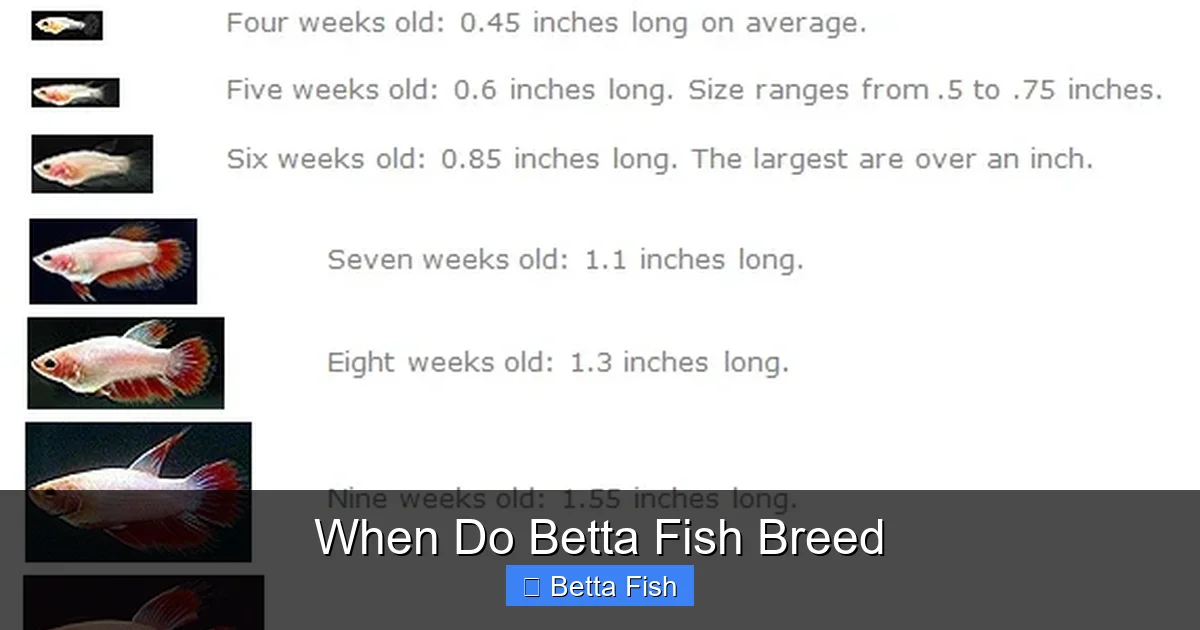
Visual guide about When Do Betta Fish Breed
Image source: bettadata.weebly.com
The Magic Temperature Range
Optimal breeding temperature sits between 78°F and 82°F (25.5°C and 28°C). Below 76°F, Betta metabolism slows, they become lethargic, and breeding instincts are suppressed. Consistency is just as vital as the number itself. Fluctuations of more than 1-2 degrees in a 24-hour period can stress the fish and halt all breeding activity. A high-quality, adjustable aquarium heater with a separate thermometer is non-negotiable equipment for a breeding project.
Complementary Water Chemistry
While temperature leads the charge, other parameters support the mission. Aim for:
- pH: Slightly acidic to neutral, 6.5 to 7.2.
- Water Hardness (GH): Soft to moderately soft, 3-8 dGH (50-140 ppm).
- Ammonia & Nitrite: Absolutely zero.
- Nitrate: Below 20 ppm.
In the wild, rainwater softens and slightly acidifies the habitat. You can mimic this with the use of Indian Almond Leaves (IAL) or peat filtration (used cautiously). The tannins released lower pH gently, have mild antibacterial properties, and are believed to stimulate breeding. A handful of IAL in the conditioning and spawning tank is a time-tested, effective practice.
Age and Health: The Non-Negotiable Foundation
You can have perfect water, but if your Betta isn’t physically ready, breeding will fail or be dangerous. Timing is also about the fish’s life stage.
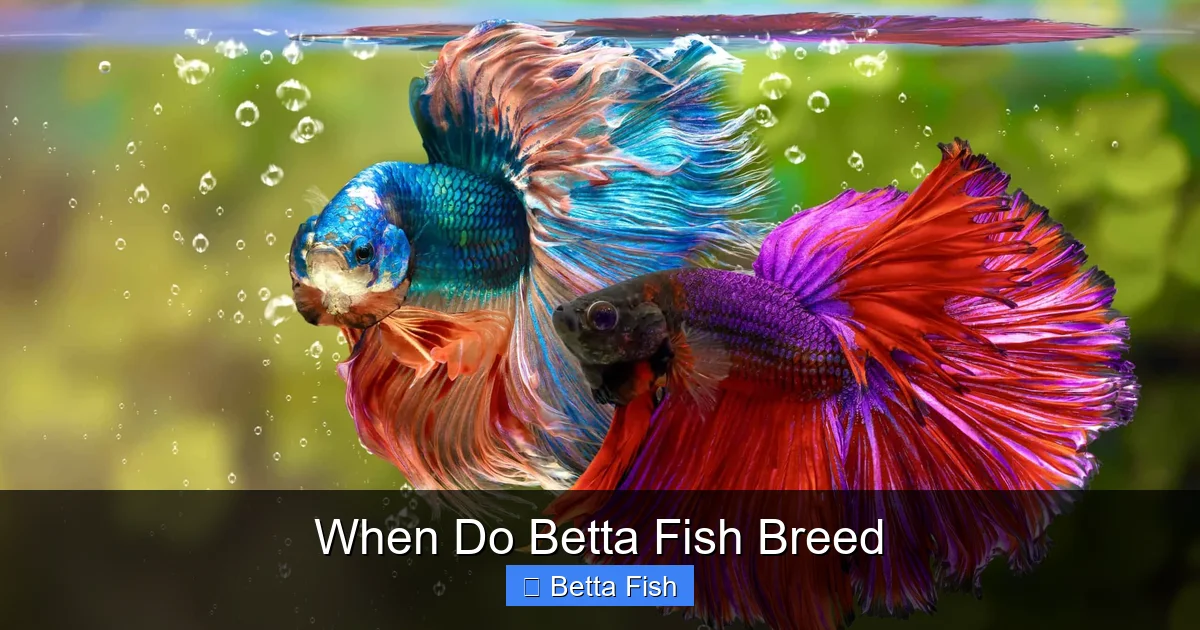
Visual guide about When Do Betta Fish Breed
Image source: atshq.org
The Prime Breeding Window: 4 to 12 Months
Do not breed a Betta younger than 4 months. They are not sexually mature, and a spawn would be unsuccessful and stressful. The prime breeding age is between 4 and 12 months. After 12-18 months, fertility begins to decline in both sexes, and females can become more prone to complications like egg-binding. Always know the approximate age of your fish. If sourced from a store, assume they are at least 3-4 months old already.
Visual and Behavioral Health Checks
Your fish must be in spectacular condition. Look for:
- For the Male: Long, flowing, undamaged fins. Vibrant, intense coloration. Active, curious, and alert. No signs of lethargy, clamped fins, spots, or velvet/fungus.
- For the Female: A plump, smooth body (not bloated or constipated). A clearly visible, oval-shaped ovipositor (a small white egg tube) near her ventral fin. She should be active and display receptive behaviors during conditioning.
Both fish should have a healthy appetite. A sick or stressed Betta will not build a proper bubble nest, will not court properly, and risks infecting the other fish. Always quarantine new fish for at least 4 weeks before any breeding attempt.
The Conditioning Phase: Gearing Up for Spawn
This is the active preparation period where you answer “when?” by creating “how.” Conditioning typically lasts 2 to 4 weeks and is the process of super-charging your Betta pair’s diet to build energy, fat reserves, and fertility.
Visual guide about When Do Betta Fish Breed
Image source: buildyouraquarium.com
Building the Perfect Diet
Switch from a standard pellet diet to a rich, varied regimen. The goal is high protein and essential fatty acids.
- Live/Frozen Foods (The Gold Standard): Brine shrimp (newly hatched or adult), daphnia, bloodworms, and microworms. These are nutritionally superior and help stimulate natural hunting instincts.
- High-Quality Pellets: Use a reputable Betta or carnivore pellet as a dietary base. Soak them briefly to prevent digestive issues.
- Feeding Schedule: Feed 2-3 small meals per day. Only provide what they can consume in 2-3 minutes. Remove uneaten food immediately to maintain water quality.
This dietary upgrade promotes the development of healthy eggs in females and robust sperm and energy in males. You’ll see their colors deepen and their bodies become more streamlined and athletic.
Separate Conditioning Tanks
Keep the male and female in separate, pristine tanks during this entire period. They should be able to see each other through a divider or in adjacent tanks. This visual stimulation without physical contact builds anticipation and courtship drive without the risk of the male attacking the female prematurely. Each tank should be heated to breeding temperature and filtered (but with low flow).
Recognizing the Signs: Courtship and Spawning Behaviors
Once conditioned and at the right temperature, your Betta will tell you it’s time. You just need to know how to listen. The male is the primary broadcaster of readiness.
The Bubble Nest: The First Green Light
This is the most significant and exciting sign. Your male will begin gathering air from the surface and coating it with mucus from his labyrinth organ, creating a cluster of tiny bubbles that stick together. A good nest can be a small dime-sized patch or a massive, sprawling structure covering half the tank’s surface. Do not disturb it. Its presence means he feels secure, the water is right, and he is ready to attract a female. If no nest forms after a week of conditioning at temperature, re-check your water parameters and ensure he is healthy.
The Courtship Dance
When you introduce the female (in a breeding tank with the male), the real show begins. Look for:
- Male Flaring: He will flare his gills and fins dramatically towards her, showing off his size and color.
- Female “Head-Down” or “Submissive” Posture: A receptive female will lower her head and body, sometimes quivering, showing she is not a threat. Her colors may darken, and her ovipositor becomes very prominent.
- The “Dance”: They will circle each other, the male leading, flaring, and trying to guide her under the bubble nest. He may also perform a shimmying motion in front of her.
This dance can last hours or even days. Do not interrupt. If the male becomes overly aggressive and tears the female’s fins, you must remove her immediately and try again another day. Patience is critical; some pairs take time to accept each other.
Year-Round Breeding: Making It Happen On Your Schedule
Now we synthesize everything. You have the power to create the perfect “when.” Here is your actionable blueprint for initiating a spawn at any time of the year.
Step-by-Step Initiation Protocol
1. Select & Quarantine: Choose a vibrant, healthy male and a plump, receptive female of appropriate age. Quarantine both for 4+ weeks.
2. Condition Separately: Place each in a 5-10 gallon heated, filtered tank at 80°F. Feed a high-protein diet (live/frozen + pellets) for 2-4 weeks. Include Indian Almond Leaves in each tank.
3. Prepare the Spawning Tank: Set up a dedicated, bare-bottom 10-20 gallon tank. Fill with conditioned water (treated with water conditioner). Heat to 80°F. Add a large, stable bubble nest site (a piece of Styrofoam, a plastic lid, or a live plant like hornwort). Float several Indian Almond Leaves. Have a tight-fitting lid (Bettas can jump!). No substrate is needed initially.
4. Introduce the Female: Place the female in the spawning tank inside a glass jar or divider where the male can see her but not touch her. This allows the male to build his nest and flare without harm. Leave her for 24-48 hours.
5. Observe Courtship & Release: Watch for the male to build a large nest and for the female to display receptive postures (darkened, head-down) when she sees him. If he is calm and she is receptive, carefully release the female from the container.
6. The Spawn: They will embrace under the nest. The male wraps the female, she releases eggs (40-200+), and he fertilizes them and immediately carries them to the bubble nest. This can happen dozens of times over several hours. Once spawning ceases, the male will guard the nest. Remove the female immediately to prevent her from eating the eggs or being attacked by the male.
7. Male Parental Care: The male will tend the nest, repairing bubbles and retrieving any fallen eggs. Leave him undisturbed. The eggs hatch in 24-36 hours. The fry (babies) will remain in the nest for 2-3 days, absorbing their yolk sacs, while the male continues to guard. After they become free-swimming, you must carefully remove the male to prevent him from eating his own young.
Common Pitfalls and How to Avoid Them
Even with perfect timing, things can go wrong. Here’s how to sidestep the most common issues.
No Bubble Nest Formed
Cause: Temperature too low, poor water quality, male is stressed, old, or unhealthy. Solution: Verify heater is working with a separate thermometer. Perform a 50% water change with conditioned water. Ensure male is receiving excellent conditioning foods. Try a different male if this persists.
Aggressive Courtship / Fin Nipping
Cause: Pair is incompatible, female is not truly receptive, or the tank is too small with no escape. Solution: Always use a large spawning tank (20+ gallons is ideal) with the female initially in a container. If aggression is severe during the container phase, the pair is not compatible. Try a different female. Never force a pair that shows persistent aggression.
Eggs Don’t Hatch / Fungus
Cause: Unfertilized eggs (male is infertile), poor water quality, or fungus. A few white, fuzzy eggs are normal and will be removed by the attentive male. Solution: Ensure both fish were properly conditioned. Maintain pristine water. You can add a few drops of methylene blue to the water (very dilute) to combat fungus, but it’s often unnecessary with a diligent male.
By controlling the environmental “when” and respecting the biological “how,” you transform the mystery of Betta breeding into a predictable, rewarding process. The true answer to “when do betta fish breed?” is: when you, the keeper, have done the work to make their world perfect for it.
Frequently Asked Questions
Can betta fish breed in any season if the tank is warm?
Yes, absolutely. In a heated aquarium with stable tropical temperatures (78-82°F), Betta fish can and will breed year-round. The warm water mimics their natural tropical habitat and overrides any seasonal instincts they might have.
What is the ideal water temperature to trigger betta breeding?
The ideal and consistent water temperature to initiate and support Betta breeding is between 78°F and 82°F (25.5°C to 28°C). Stability is crucial; avoid fluctuations of more than 1-2 degrees in a 24-hour period.
How old should a betta fish be before breeding?
Betta fish should be between 4 and 12 months old for their first and best spawns. Fish younger than 4 months are not sexually mature, while fertility begins to decline significantly after 12-18 months.
How long does the conditioning period last before introducing a betta pair?
The conditioning period, where you feed high-protein foods to boost fertility, should last a minimum of 2 weeks, with 3-4 weeks being ideal for optimal results. Both male and female should be conditioned separately but with visual contact.
What if my male betta builds a bubble nest but the pair doesn’t spawn?
This is common. A bubble nest means the environment is right, but the pair may not be compatible or the female may not be fully receptive. Continue conditioning, ensure the female shows clear receptive signs (darkened, head-down posture), and try the introduction again in a few days. Sometimes it takes multiple attempts.
Can all types of betta fish (like halfmoons, plakats) breed with each other?
Yes, all varieties of Betta splendens (Halfmoons, Plakats, Deltas, etc.) are the same species and can breed with each other. The primary consideration is the male’s long fins—a very large-finned Halfmoons male may struggle to wrap a plakat female tightly, so similar body types often have easier spawns. Always prioritize health and temperament over fin type.