Are Betta Fish Meant to Be Alone
Betta fish are naturally solitary, but that doesn’t mean they suffer when kept alone. With the right tank size, enrichment, and care, a single betta can thrive. Learn when it’s safe to house companions and how to create a stress‑free environment.
Key Takeaways
- Solitary by nature: Wild bettas live alone, defending territories from rivals.
- Tank size matters: A minimum of 5 gallons gives a lone betta space to explore.
- Enrichment is essential: Plants, caves, and toys replace social interaction.
- Companion options: Certain peaceful species can share a tank if the setup is careful.
- Gender differences: Males are far more aggressive; females can sometimes be kept together.
- Health signs: Watch for stress indicators like faded colors or torn fins.
- Regular maintenance: Clean water, proper temperature, and balanced feeding keep a betta thriving.
📑 Table of Contents
- Introduction: The Lonely Warrior
- 1. The Natural History of Betta Fish
- 2. Setting Up the Perfect Solo Tank
- 3. Signs of a Happy (or Stressed) Betta
- 4. Can Betta Fish Have Tank Mates?
- 5. Gender Differences and Their Impact
- 6. Practical Tips for a Content Solo Betta
- Conclusion: Embrace Their Solo Spirit
Introduction: The Lonely Warrior
When you first see a betta fish—its flowing fins and brilliant colors—it’s easy to think of it as a showpiece that needs a buddy. In reality, the Siamese fighting fish (Betta splendens) evolved to live a solitary life in the shallow rice paddies of Thailand. Their name tells the story: “fighting fish” because males will clash over territory.
So, are betta fish meant to be alone? The short answer is yes, but the full answer is a bit more nuanced. A lone betta can be perfectly happy if you give it a well‑maintained tank, mental enrichment, and a diet that meets its needs. This article walks you through the science, the practicalities, and the occasional exceptions where a companion might work.
1. The Natural History of Betta Fish
Where they come from
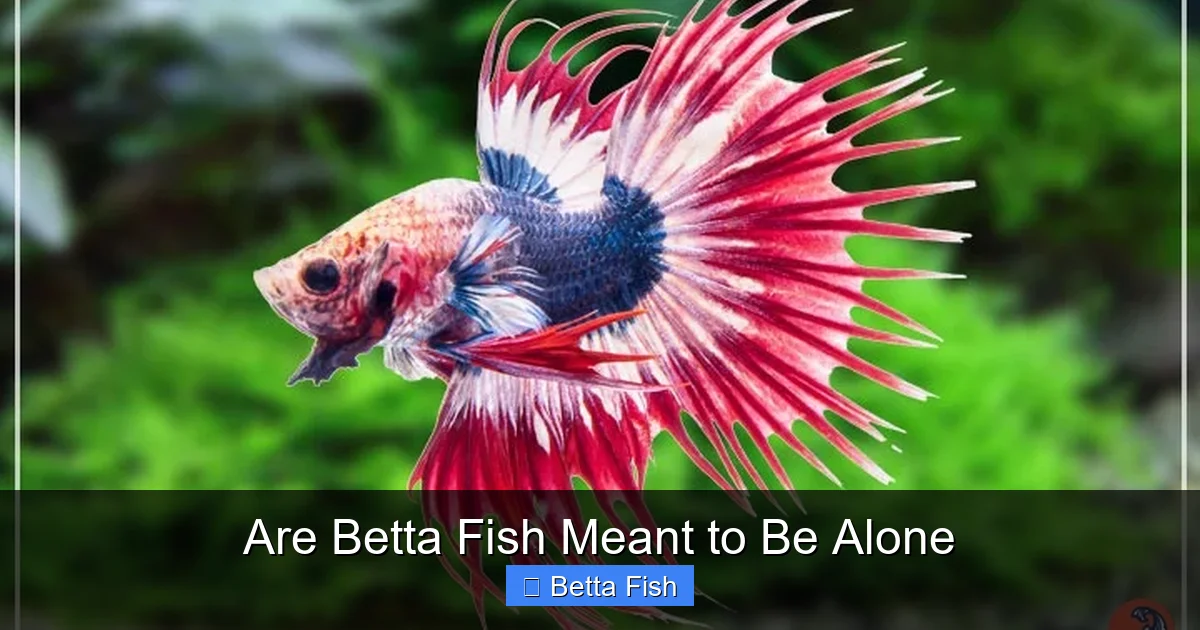
Betta fish are native to the slow‑moving streams, rice paddies, and swampy waters of Southeast Asia, especially Thailand, Cambodia, and Malaysia. These environments are warm, acidic, and often low in oxygen, which is why bettas have a special organ called the labyrinth that lets them gulp air from the surface.
Visual guide about Are Betta Fish Meant to Be Alone
Image source: aquariumnexus.com
Why they live alone
In the wild, a male betta claims a small territory—sometimes just a few square inches—and fiercely defends it from other males. This aggression ensures that the strongest fish get the best breeding spots and food resources. Females are less aggressive, but they still prefer to keep a distance from other bettas to avoid competition.
Understanding this background helps answer the core question: bettas are biologically wired to be solitary, and forcing them into a crowded community can trigger stress, disease, and even death.
2. Setting Up the Perfect Solo Tank
Tank size and shape
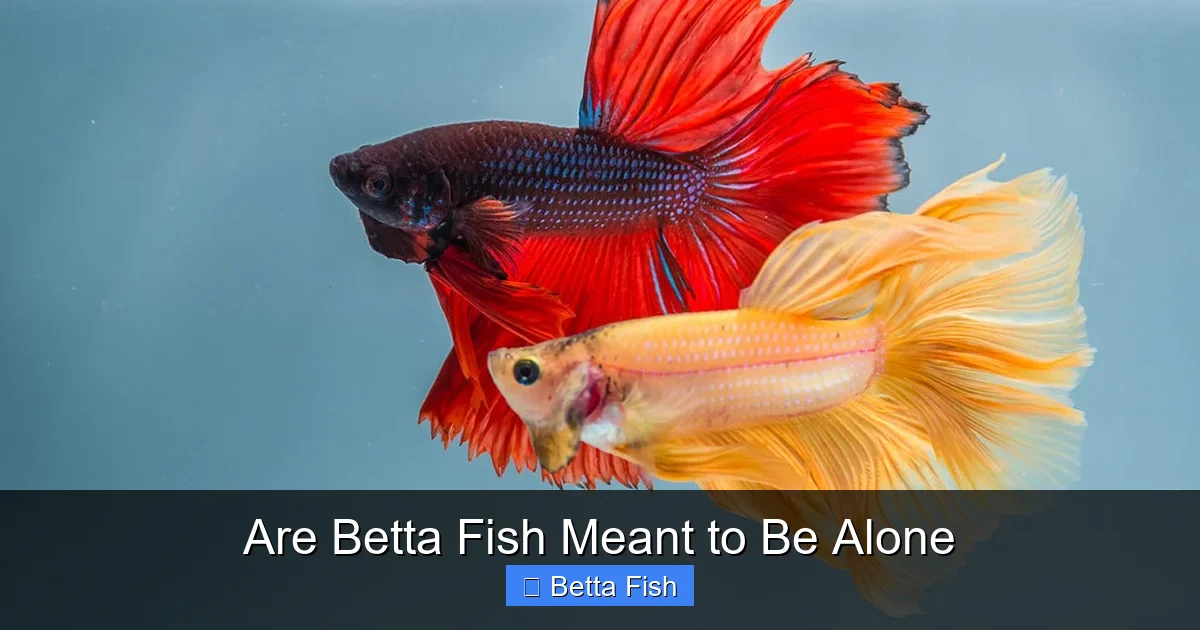
Many beginners think a tiny bowl is enough, but research shows a minimum of 5 gallons is ideal. A larger volume dilutes toxins, stabilizes temperature, and gives your betta room to swim vertically and horizontally.
Visual guide about Are Betta Fish Meant to Be Alone
Image source: media-be.chewy.com
Water parameters
Keep the water temperature between 76‑82°F (24‑28°C) and maintain a pH of 6.5‑7.5. Use a water conditioner to remove chlorine and chloramines. For detailed guidance on water choice, see What Water To Use For Betta Fish.
Filtration and aeration
Because bettas can breathe air, a strong filter isn’t mandatory, but a gentle sponge filter prevents waste buildup and creates a subtle current that mimics their natural habitat.
Enrichment: Plants, hides, and toys
- Live plants: Java moss, Anubias, and Marimo balls give surface area for bio‑film and a place to rest.
- Hides: Small caves or ceramic pots let the betta claim a “territory” and feel secure.
- Interactive toys: Floating ping‑pong balls or mirrors for short periods can stimulate natural display behavior.
These elements replace the social interaction a betta would have in the wild, keeping it mentally sharp.
3. Signs of a Happy (or Stressed) Betta
Physical indicators
A thriving betta displays vibrant colors, fully extended fins, and steady swimming. Faded hues, torn fins, or a ragged appearance often signal stress or poor water quality.

Visual guide about Are Betta Fish Meant to Be Alone
Image source: i.ytimg.com
Behavioral clues
- Bubble nests: Males build them when they feel safe and are ready to breed.
- Flare displays: Quick, short flares are normal; prolonged aggression toward glass suggests distress.
- Lethargy: Hiding at the bottom for hours may indicate illness.
If you notice any of these warning signs, check water parameters, clean the tank, and consider a diet adjustment. For more on health, read How To Know If A Betta Fish Is Dying.
4. Can Betta Fish Have Tank Mates?
When it’s safe
While the default answer to “are betta fish meant to be alone” is yes, there are carefully managed scenarios where companions are possible:
- Peaceful bottom‑feeders: Corydoras catfish or small loaches that stay below the betta’s swimming level.
- Fast‑swimming tetras: Neon or ember tetras that are too quick for the betta to chase.
- Female‑only groups: A “sorority” of 4‑6 female bettas can coexist if the tank is spacious (10+ gallons) and has plenty of hiding spots.
What to avoid
Never place two male bettas together; their aggression can lead to fatal injuries. Also, avoid long‑finned or brightly colored fish that might trigger a territorial response. For a deeper dive into why bettas often need to be alone, see Why Betta Fish Need To Be Alone.
5. Gender Differences and Their Impact
Males: The Fighters
Male bettas are the classic “fighting fish.” Their flared fins and bright colors are a display of dominance. Because of this, they should never share a tank with another male or any fish that resembles a male betta (e.g., other colorful gouramis).
Females: The Socializers?
Female bettas are less aggressive and can sometimes live in groups, called “sororities.” However, you must monitor them closely for signs of bullying. If one fish becomes dominant, consider separating the group.
To learn how to tell the difference, check out How To Tell If Betta Fish Are Male Or Female.
6. Practical Tips for a Content Solo Betta
Routine maintenance
- Change 20‑30% of the water weekly.
- Test ammonia, nitrite, and nitrate levels each water change.
- Trim overgrown plants and clean decorations gently.
Feeding schedule
Betta fish thrive on a diet of high‑quality pellets supplemented with frozen or live brine shrimp. Feed 2‑3 small meals per day, but no more than the size of the fish’s eye per feeding. For exact feeding frequency, see How Often Are You Supposed To Feed Betta Fish.
Enrichment ideas
- Rotate a new plant or cave every few weeks.
- Use a floating mirror for a 5‑minute “show-off” session, then remove it.
- Introduce a gentle current by adjusting the filter flow.
When to consider a companion
If you have a large, well‑planted tank (10+ gallons) and want to add a peaceful species, start with a single bottom‑dweller. Observe the betta for at least two weeks before adding another fish.
Conclusion: Embrace Their Solo Spirit
The answer to “are betta fish meant to be alone” is a confident yes, but the story doesn’t end there. By replicating their natural environment, providing enrichment, and maintaining pristine water, a single betta can live a long, colorful life. When you understand the why behind their solitary nature, you can make informed decisions about tank mates, tank size, and daily care.
Remember: a happy betta is a healthy betta. Give it space, keep the water clean, feed it well, and watch those gorgeous fins dance across the surface. Your betta may be a lone warrior, but with the right care, it will feel like the king of its own kingdom.
Frequently Asked Questions
Do betta fish need companions to be happy?
No. In the wild, bettas live alone and are perfectly content with a spacious, enriched tank. Proper care and stimulation are more important than adding tank mates.
Can I keep two male bettas together if the tank is large?
Even in a large tank, male bettas will fight aggressively. The risk of injury is high, so always keep males separate.
What are the best fish to house with a single male betta?
Peaceful bottom‑feeders like Corydoras catfish or small, fast‑swimming tetras can work, provided the tank has plenty of hiding spots and the betta shows no signs of aggression.
How often should I clean a betta’s tank?
Perform a 20‑30% water change weekly and clean the substrate and decorations as needed. Regular testing keeps water parameters stable.
What signs show my betta is stressed?
Faded colors, torn fins, constant hiding, or excessive blowing at the surface are common stress indicators. Check water quality and tank setup if you notice these.
Is it okay to give my betta a mirror for entertainment?
Yes, but only for short periods (5‑10 minutes). Mirrors trigger a flaring response that can be fun, but prolonged exposure can cause stress.