Should I Put Plants in My Betta Fish Bowl
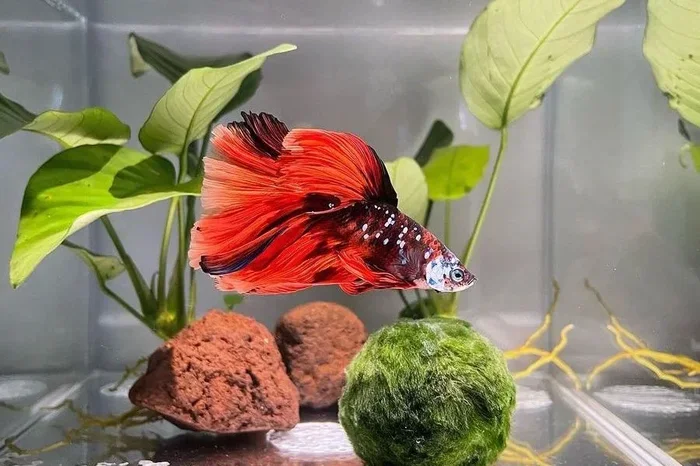
Should i put plants in my betta fish bowl? Yes! Adding the right plants can improve water quality, reduce stress, and create a natural habitat for your betta. Live plants oxygenate the water and mimic your fish’s wild environment, while silk or plastic options offer a low-maintenance alternative. The key is choosing betta-safe plants that won’t harm your fish or cloud the water.
You love your betta fish. You want the best for your little friend. One question keeps popping up: should i put plants in my betta fish bowl? The short answer is yes. But like most things in fish care, the details matter a lot.
Plants can transform a plain bowl into a thriving little ecosystem. They make the water cleaner. They give your betta places to hide and explore. And let’s be honest, they look amazing too. But not all plants are safe. Not all bowls are suited for greenery. In this guide, we will walk through everything you need to know about adding plants to your betta’s home.
Whether you are a complete beginner or a seasoned fish keeper, this article covers the full picture. We will look at live plants, fake plants, the best species, common mistakes, and practical tips. By the end, you will know exactly what to do for your betta fish bowl setup.
Key Takeaways
- Live plants benefit bettas: They oxygenate water, absorb nitrates, and create a natural, stress-reducing environment.
- Fake plants work too: Silk plants are safe and easy to clean, making them great for beginners.
- Avoid sharp or toxic plants: Some plants can damage delicate betta fins or release harmful chemicals.
- Plant size matters: Choose plants that fit your bowl size without crowding your fish’s swimming space.
- Maintenance is minimal: Even live plants require simple care like trimming and occasional fertilization.
- Pair plants with proper setup: Combine plants with the right substrate, lighting, and water conditions for best results.
📑 Table of Contents
Why Plants Matter for Your Betta Fish Bowl
You might wonder why plants are such a big deal. Your betta did not evolve to live in a bare glass container. In the wild, bettas live in warm, slow-moving waters filled with vegetation. Plants are part of their natural habitat. Adding them to a bowl brings your fish closer to that environment.
Natural Habitat and Comfort
Bettas feel safer in environments with cover. Plants give them places to rest, explore, and claim territory. Without plants, some bettas become stressed or bored. Stress weakens their immune system. A stressed fish is more likely to get sick. Plants help prevent that.
If you are new to betta care, check out our guide on can my betta fish live in a bowl for more background on setting up a healthy home.
Water Quality Benefits
Here is something many new fish owners do not realize. Plants are natural filters. They absorb harmful chemicals like nitrates and ammonia from the water. This helps keep the water cleaner between water changes. Live plants also release oxygen through photosynthesis, which benefits your betta directly.
Even a single plant can make a noticeable difference in a small bowl. Of course, plants do not replace regular maintenance. You still need to change the water and keep things clean. But plants give you a helping hand.
Aesthetic Value
Let us not forget the visual appeal. A betta fish bowl with plants looks stunning. It brings life to a room. It gives you something to enjoy every day. Many fish keepers say their planted bowls became the centerpiece of their home decor.
Live Plants vs Fake Plants: What Is Best?
The debate between live and fake plants is old. Both options have real benefits. Let us break it down so you can decide what works for your situation.
Live Plants: The Natural Choice
Live plants are the gold standard for any fish bowl. They actively improve water quality. They create oxygen. They offer a more authentic experience for your betta. Many bettas enjoy nibbling on or resting near live plants.
However, live plants do require some care. They need light. They may need fertilizer. Some species are harder to grow than others. If you are willing to put in a little effort, live plants are worth it.
Fake Plants: The Easy Alternative
Fake plants, especially silk ones, are a fantastic option. They require zero maintenance. You do not need lights or fertilizers. They come in many colors and shapes. Silk plants feel soft and safe for betta fins.
Avoid plastic plants with sharp edges. Real plastic can tear delicate betta fins. Always feel the plant before adding it to the bowl. Run your hand over the leaves. If anything feels rough, skip it.
Comparison Table
| Feature | Live Plants | Fake (Silk) Plants |
|---|---|---|
| Water Quality | Improves it naturally | No effect |
| Maintenance | Moderate | Very low |
| Cost | Higher upfront | Lower upfront |
| Betta Safety | Very safe when chosen well | Safe if silk only |
| Oxygen Production | Yes | No |
| Aesthetic Appeal | Natural and lively | Decent, but static |
If you want a no-hassle option, silk plants are a great starting point. They are perfect for beginners who want to focus on their betta fish care routine without extra complexity.
Best Plants for a Betta Fish Bowl
Not all plants thrive in a small bowl. Some need strong light or deep substrate. Bettas prefer warm, calm water. The best plants for your setup are ones that tolerate low light and shallow water. Here are the top choices.
Live Plant Options
- Java Fern: One of the most popular choices. Java fern thrives in low light and does not need deep substrate. You can tie it to rocks or driftwood. It grows slowly and stays compact, making it perfect for bowls.
- Anubias: Another hardy plant that does well in small spaces. Anubias has thick, waxy leaves that most bettas ignore. It resists algae growth and requires very little attention.
- Amazon Sword (small varieties): This plant adds a lush, jungle feel. Choose smaller varieties that fit bowl sizes. It does need a bit more light and nutrients.
- Duckweed: A floating plant that bettas love. It sits on the water surface and provides shade. Duckweed grows fast, so you will need to trim it occasionally.
Fake Plant Options
- Silk Anubias: Mimics the real thing perfectly. Soft leaves and no sharp edges. Easy to clean and reuse.
- Silk Fern Varieties: Adds movement and texture. Look for brands specifically labeled as fish-safe silk.
- Floating Silk Plants: These sit on the water surface and give your betta a cozy spot to rest underneath.
When choosing any plant, always check that it is labeled as aquarium-safe or betta-safe. Some decorative plants sold in craft stores contain chemicals that leach into water and harm fish.
How to Safely Add Plants to Your Betta Bowl
Adding plants seems simple, but there are right ways and wrong ways to do it. Follow these steps to keep your betta healthy and happy.
Step 1: Choose the Right Bowl Size
Plants need space too. A very small bowl will feel cramped if you add several plants. Aim for at least a 2-gallon bowl for a planted setup. This gives your betta room to swim and your plants room to grow. If you are unsure about bowl size, read more about what makes a good home in our article on can i put my betta fish in a bowl.
Step 2: Clean Your Plants Before Adding Them
Whether live or fake, always rinse new plants before placing them in the bowl. Live plants may carry pests or algae. Fake plants may have dust or manufacturing residue. A gentle rinse in clean water removes these risks.
Step 3: Arrange Thoughtfully
Place taller plants toward the back and shorter ones in front. This creates a natural look and leaves open swimming areas. Bettas like to move freely. Do not crowd the bowl. Leave at least half the water surface open for gas exchange.
Step 4: Monitor Water Parameters
After adding plants, test your water regularly. Live plants can shift pH and nutrient levels. Watch for any changes in your betta’s behavior. If your fish seems stressed, check the water quality and adjust as needed.
Common Mistakes to Avoid
Even experienced fish keepers make mistakes with plants. Here are the most common ones and how to avoid them.
- Using wild-caught plants: Plants from ponds or yards may carry parasites, pesticides, or diseases. Always buy from reputable aquarium suppliers.
- Overcrowding the bowl: Too many plants block water flow and reduce oxygen levels. Keep it simple and balanced.
- Ignoring lighting needs: Live plants need some light to survive. A bowl near a window with indirect sunlight often works well. Direct sunlight can overheat the water, so avoid placing the bowl in direct sun. Learn more about light placement in our guide on can i put my betta fish in the sun.
- Choosing toxic plants: Some common houseplants are poisonous to fish. Never add plants from your garden without confirming they are aquarium-safe.
- Neglecting plant care: Dead or decaying plants pollute the water faster than no plants at all. Remove any dying leaves promptly.
Quick Tips for a Thriving Planted Betta Bowl
Want a simple checklist? Here are quick tips to keep your planted betta bowl in great shape.
- Choose 1 to 3 plants maximum for a small bowl.
- Rinse all new plants before adding them.
- Use silk plants if you want zero maintenance.
- Provide indirect light for live plants.
- Trim dead or yellowing leaves weekly.
- Test water parameters every 1 to 2 weeks.
- Change 20 to 30 percent of the water regularly.
- Watch your betta for signs of stress or discomfort.
These small habits make a huge difference over time. A planted bowl can stay beautiful and healthy for months with minimal effort.
Expert Insights on Betta Fish Bowl Planting
Many experienced aquarists agree that plants elevate the betta keeping experience. They improve water quality, reduce algae growth, and provide enrichment for your fish. Even a single small plant can transform a basic bowl into a vibrant ecosystem.
Start simple. If you are new to this, try one silk plant first. See how your betta responds. Then, if you feel comfortable, add a live plant like java fern. Build up gradually. This approach lets you learn what works best for your specific setup without overwhelming yourself or your fish.
Remember that every betta has a personality. Some bettas love plants and spend hours exploring them. Others seem indifferent. Both reactions are normal. The goal is to create a safe, comfortable environment, and plants help you do exactly that.
Final Thoughts
So, should i put plants in my betta fish bowl? Absolutely. Plants bring real benefits to your betta’s life. They clean the water, provide oxygen, reduce stress, and make the bowl look beautiful. Whether you choose live or fake, the right plants enhance your fish’s quality of life.
Start with safe, betta-friendly species. Avoid toxic or sharp plants. Keep the setup simple and maintain it regularly. Your betta will thank you with vibrant colors, active behavior, and a long, healthy life.
If you are still deciding on the full setup, consider reading about can i put my betta fish in water for more tips on creating the ideal environment. And for ideas on other bowl decor, check out can i put pebbles on my betta fish bowl.
Adding plants is one of the easiest ways to level up your betta care game. Try it today and enjoy the difference it makes.
Frequently Asked Questions
Can I put live plants in a small betta fish bowl?
Yes, you can. Choose small, low-light plants like java fern or anubias. These species thrive in compact spaces and do not need deep substrate. Just make sure the bowl is at least 2 gallons for a healthy planted setup.
Are fake plants safe for betta fish?
Silk fake plants are completely safe. They have soft leaves that will not damage delicate betta fins. Avoid plastic plants with rough or sharp edges. Always feel the material before adding it to the bowl.
Do plants help keep betta fish bowl water clean?
Yes, they do. Live plants absorb nitrates and ammonia, which are harmful waste products. They also release oxygen during the day. While plants do not replace water changes, they significantly help maintain cleaner water between maintenance sessions.
What plants should I avoid in a betta bowl?
Avoid any plant treated with pesticides or chemicals. Do not use plants from ponds or yards without proper treatment. Also skip any decorative plants not labeled as aquarium-safe, as they may release toxins into the water.
How many plants should I put in my betta fish bowl?
For a small bowl, 1 to 3 plants is the sweet spot. Too many plants reduce swimming space and can block water flow. Start with one plant and add more only if the bowl feels spacious enough for your betta to move freely.
Can plants survive in a betta fish bowl without special lighting?
Some can. Java fern and anubias do well in low-light conditions. Placing the bowl near a window with indirect sunlight often provides enough light. Avoid direct sunlight, as it can overheat the water and cause algae blooms.