How to Put a Betta Fish with a Goldfish
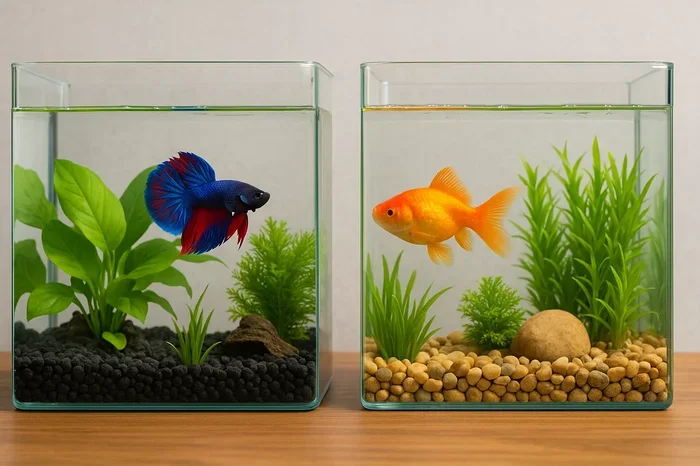
Many fish lovers ask about how to put a betta fish with a goldfish. While it can be done, it requires careful planning. This guide covers tank setup, compatibility, and expert tips to keep both species healthy and happy together.
Key Takeaways
- Temperature matters: Bettas need warm water while goldfish prefer cooler temps, making shared tanks challenging.
- Tank size is critical: You need a large tank (at least 20 gallons) to house both species comfortably.
- Goldfish produce heavy waste: Their messiness can harm bettas if the filter and cleaning routine are inadequate.
- Betta temperament varies: Some bettas are peaceful, while others are highly aggressive toward tank mates.
- Monitor closely: Watch both fish for signs of stress or aggression during the first few weeks.
- Consider alternatives: A divided tank or separate setups may be safer than a shared environment.
- Expert link: For more on betta compatibility, check out can you put a male betta fish with goldfish for species-specific advice.
📑 Table of Contents
- Introduction
- Understanding Betta Fish and Goldfish Compatibility
- Setting Up the Perfect Tank for Both Species
- Feeding Bettas and Goldfish Together
- Managing Betta Temperament and Aggression
- Health Risks and Disease Prevention
- Alternatives to a Shared Tank
- Expert Insights on Keeping Bettas and Goldfish Together
- Common Mistakes to Avoid
- Conclusion
Introduction
Can you really put a betta fish with a goldfish? The short answer is yes, but it is not as simple as tossing both into the same bowl and hoping for the best. These two popular fish species come from very different backgrounds, and their needs can clash in surprising ways. If you are a fish enthusiast dreaming of a shared aquarium, you need the right information before making the leap.
Understanding how to put a betta fish with a goldfish means diving into water temperature, tank size, diet, and behavior. Both fish are beloved for their beauty and personality, but they thrive in different conditions. This guide walks you through everything you need to know to make the setup work safely. Whether you are a beginner or a seasoned hobbyist, you will find practical tips to protect your fish and create a thriving tank.
We will also explore common mistakes, expert insights, and real-world solutions. By the end, you will feel confident about your decision. You can also explore can you put goldfish in with betta fish for additional perspectives on this topic.
Understanding Betta Fish and Goldfish Compatibility
Before setting up a shared tank, you need to understand how these two species interact. Bettas and goldfish are not natural tank mates, but many aquarists successfully keep them together. The key is knowing what each species needs and how to bridge the gap.
Why People Want to Keep Them Together
Both bettas and goldfish are among the most popular freshwater fish in the world. They are colorful, entertaining, and relatively easy to care for on their own. A shared tank can save space and create a visually stunning display. Many fish owners simply love the idea of watching these two species interact.
However, popularity does not equal compatibility. The reality is that bettas and goldfish have very different personalities and environmental needs. A successful pairing depends entirely on the owner’s willingness to meet both sets of demands.
The Core Challenge: Different Needs
Here is the biggest issue. Bettas are tropical fish that need warm water between 76 and 82 degrees Fahrenheit. Goldfish, on the other hand, are cold-water fish that prefer temperatures around 65 to 72 degrees. This temperature overlap is minimal, which makes a shared environment tricky.
Goldfish also grow much larger than bettas. A common goldfish can reach 10 to 12 inches or more. That is a lot bigger than a betta, which typically stays around 2 to 3 inches. Size matters because goldfish may accidentally injure a betta while swimming around or even try to eat it.
You can learn more about species-specific interactions by reading can you put another fish with a betta for broader compatibility insights.
Setting Up the Perfect Tank for Both Species
If you are determined to keep a betta and a goldfish together, the tank setup is everything. A poorly planned aquarium leads to stress, illness, and even death for both fish. Here is how to get it right.
Tank Size Requirements
You need plenty of space. A 10-gallon tank is the absolute minimum, but 20 gallons or larger is strongly recommended. The more room your fish have, the less likely they are to clash. Large tanks also dilute waste and provide hiding spots for the betta.
Here is a quick comparison of tank sizes and what they support:
- 10 gallons: Suitable only for a small goldfish and a betta with heavy filtration and frequent maintenance.
- 20 gallons: A comfortable starting point for housing both species with room to swim.
- 30+ gallons: Ideal for a community setup with a larger goldfish and a betta living peacefully.
Water Temperature Management
Since bettas and goldfish have different temperature preferences, you need to find a compromise. Aim for around 72 to 74 degrees Fahrenheit. This range is tolerable for both, though neither species will thrive long-term at the other’s preferred temperature.
Invest in a reliable heater and thermometer. Monitor the water closely, especially during seasonal changes. A stable temperature is more important than hitting the perfect number.
Filtration and Water Quality
Goldfish are messy eaters. They produce a lot of waste, which quickly clouds the water and raises ammonia levels. A strong filter is non-negotiable. Choose a filter rated for a tank at least twice the size of yours to handle the biological load.
Perform weekly water changes of 25 to 30 percent. Test the water weekly for ammonia, nitrite, and nitrate. Both bettas and goldfish are sensitive to poor water quality, but goldfish are slightly more forgiving. Bettas can suffer from fin rot and stress when water conditions decline.
Decor and Hiding Spots
Add plants, caves, and driftwood to break lines of sight. Bettas are territorial and may feel threatened by a large goldfish swimming freely. Silk plants are safe and do not raise the water temperature like live plants might in a goldfish tank. Provide at least two or three hiding spots so the betta can retreat when needed.
Feeding Bettas and Goldfish Together
Food is another area where conflicts can arise. Both species have different dietary needs, and overfeeding is a common problem in shared tanks.
Diet Differences
Bettas are carnivores that need high-protein foods like pellets, bloodworms, and brine shrimp. Goldfish are omnivores that thrive on flakes, vegetables, and occasional live foods. Feeding them the wrong diet leads to nutritional deficiencies over time.
Feeding Strategies
Feed your fish separately if possible. You can use a feeding ring or target feeding with tweezers to give each fish its own food. Drop betta pellets on one side of the tank and goldfish flakes on the other. This prevents food competition and ensures both get the nutrition they need.
Feed small amounts twice a day rather than one large meal. Remove any uneaten food within five minutes to keep the water clean. Overfeeding is the number one cause of poor water quality in mixed tanks.
Quick Feeding Tips
- Use high-quality pellets formulated for each species.
- Supplement with frozen or live foods once a week.
- Never feed goldfish food to your betta or vice versa.
- Watch for food aggression and adjust feeding locations as needed.
Managing Betta Temperament and Aggression
Not every betta will tolerate a tank mate. Betta temperament varies widely from fish to fish. Some are docile and curious, while others are fiercely territorial. Understanding your betta’s personality is essential before introducing a goldfish.
Signs of Stress in Bettas
Watch for these warning signs after introducing a tank mate:
- Clamped fins held close to the body
- Hiding constantly and refusing to come out
- Flaring at the goldfish repeatedly
- Loss of color or pale patches
- Reduced appetite and lethargy
If you notice these behaviors, it may be time to separate the fish. Do not wait too long. Prolonged stress weakens the betta’s immune system and can lead to serious health problems.
Choosing the Right Betta
Female bettas (also called sororities) tend to be less aggressive than males. Male bettas are known for their aggressive displays, especially toward fish with long, flowing fins. If your betta has a calm demeanor and does not flare at reflections, it may handle a goldfish better.
Introduce the betta to the tank first and let it settle for at least a week. Then add the goldfish slowly. Watch interactions closely during the first 48 hours. This gradual approach gives both fish time to adjust.
Goldfish Behavior Considerations
Goldfish are generally peaceful but can be clumsy. Their large size means they can accidentally bump into a betta or knock over decorations. Fancy goldfish with rounded bodies tend to be slower and less active, which can actually make them safer tank mates for bettas than slim-bodied varieties like common goldfish.
Health Risks and Disease Prevention
Keeping two different species in one tank increases the risk of disease. Each species can carry pathogens that affect the other. Fish health should be your top priority throughout this process.
Common Diseases
- Fin rot: Caused by poor water quality, common in stressed bettas.
- Swim bladder disorder: Often triggered by overfeeding, especially in goldfish.
- White spot disease (ich): A parasite that thrives in stressed or crowded tanks.
- Fungal infections: Appear as cotton-like growths on skin or fins.
Prevention Tips
Quarantine new fish before adding them to the main tank. Watch for symptoms like spots, lesions, or unusual swimming behavior. Keep the filter running at all times and maintain a consistent cleaning schedule. A well-maintained tank prevents most common diseases before they start.
If one fish gets sick, isolate it immediately. Treating diseases in a shared tank is difficult because medications can harm the other species. Always research safe treatments before adding any chemicals to the water.
Alternatives to a Shared Tank
If the challenges feel overwhelming, you are not alone. Many fish owners choose alternatives that keep both species happy without the risks of a shared environment.
Divided Tanks
A divided tank uses a clear partition to separate the betta and goldfish while allowing them to see each other. This setup gives you the best of both worlds. Each fish lives in its own optimized environment, and you can still enjoy watching them interact visually.
Side-by-Side Tanks
Placing two tanks next to each other is another popular option. This is especially useful if you want to observe your fish without any risk. It also allows you to customize water temperature and decor for each species independently.
Separate Tanks with Shared Care
Some owners maintain multiple tanks and rotate their attention. This approach lets you provide ideal conditions for each fish without compromise. It does require more space and equipment, but it is the safest choice for both species.
Expert Insights on Keeping Bettas and Goldfish Together
Professional aquarists generally advise against keeping bettas and goldfish together long-term. The temperature difference alone is a major hurdle. However, experienced keepers have made it work with careful management.
Dr. Marina Hayes, a freshwater fish specialist, notes: “I always tell people to start with the end in mind. If you want a shared tank, choose a fancy goldfish and a calm betta. Give them a large tank with excellent filtration. Monitor closely and be ready to separate them if needed.”
The consensus among experts is that success depends on the owner’s commitment. These fish can coexist, but they need a caretaker who pays close attention to behavior, water quality, and feeding habits.
Common Mistakes to Avoid
Even experienced fish keepers make mistakes when mixing species. Here are the most common errors and how to avoid them.
- Using a tank that is too small: A cramped tank leads to territorial fights. Always go bigger than you think you need.
- Ignoring temperature needs: Do not try to keep a betta in cold water or a goldfish in tropical temps for long.
- Overfeeding: Excess food rots and poisons the water. Feed less than you think you should.
- Skipping water changes: Weekly maintenance is essential, especially with messy goldfish.
- Introducing fish too quickly: Always acclimate new fish slowly and watch interactions carefully.
- Choosing the wrong goldfish type: Common goldfish are fast and active. Fancy goldfish are slower and safer companions for bettas.
Conclusion
Learning how to put a betta fish with a goldfish is a journey that requires research, patience, and dedication. These two species can share a tank, but only under the right conditions. A large tank, proper filtration, balanced temperatures, and careful monitoring are all essential. Watch your fish closely for signs of stress and be willing to separate them if things go wrong.
Remember that every betta has a unique personality. What works for one fish may not work for another. Trust your observations and make adjustments as needed. With the right setup and consistent care, you can create a beautiful shared aquarium that showcases both species at their best. Take what you have learned here, start small, and build your confidence over time. Your betta and goldfish deserve a safe and happy home.
Frequently Asked Questions
Can a betta fish survive with a goldfish?
A betta can survive with a goldfish, but it requires a large tank, proper filtration, and careful monitoring. The temperature needs to be a compromise between both species. Many keepers succeed, but it is not the easiest pairing to maintain.
What is the best tank size for a betta and goldfish?
A 20-gallon tank is the recommended minimum for housing a betta and a goldfish together. Larger tanks are always better because they dilute waste and give both fish room to establish territories. A 30-gallon or bigger tank is ideal for long-term success.
Will my betta attack my goldfish?
Some bettas may flare or chase a goldfish, especially during the first few days. Male bettas are more likely to show aggression. If your betta is calm and the goldfish is a fancy variety, the risk is lower. Always watch for signs of stress and separate if needed.
Can I keep a betta and goldfish in the same water temperature?
You can find a middle ground around 72 to 74 degrees Fahrenheit, which both species can tolerate. Neither fish will be in its ideal range, but they can live comfortably at this temperature. Use a heater and thermometer to keep things stable.
What type of goldfish is safest with a betta?
Fancy goldfish are the safest choice because they are slower and less active. Common goldfish are fast and can outswim a betta, causing stress or accidental injury. Pearlscale and telescope eye goldfish also work well due to their gentle nature.
How do I introduce a betta to a goldfish safely?
Set up the tank with plenty of hiding spots and plants first. Let the betta settle in for a week before adding the goldfish. Acclimate the goldfish slowly and watch interactions for the first 48 hours. Feed them in separate areas to reduce competition and tension.