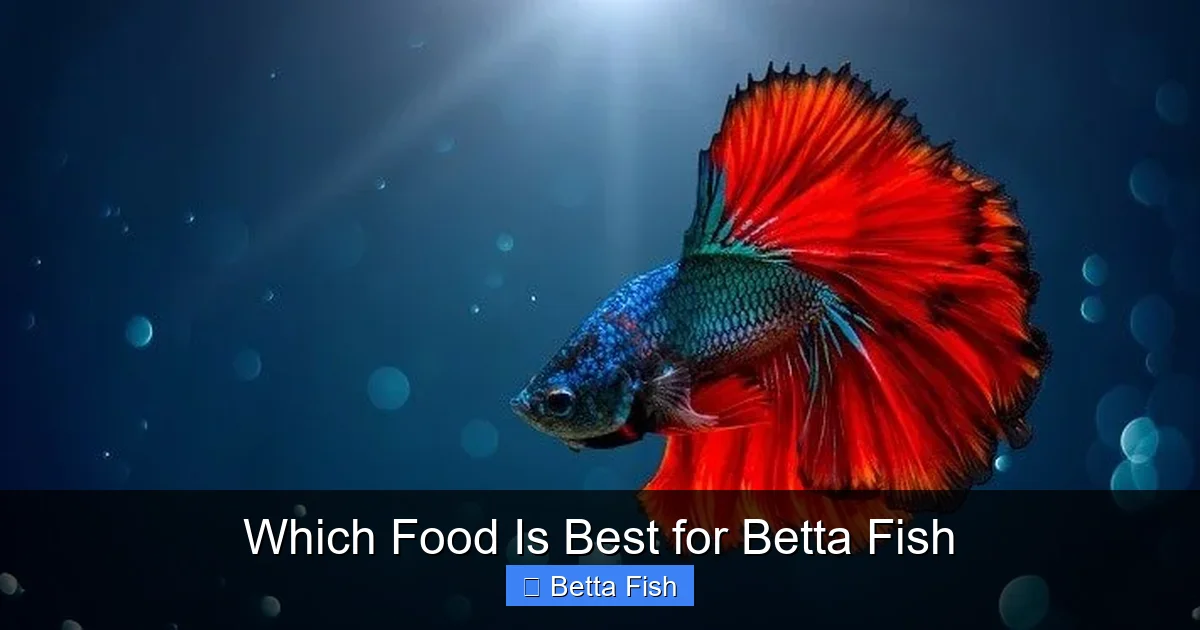
Which Food Is Best for Betta Fish
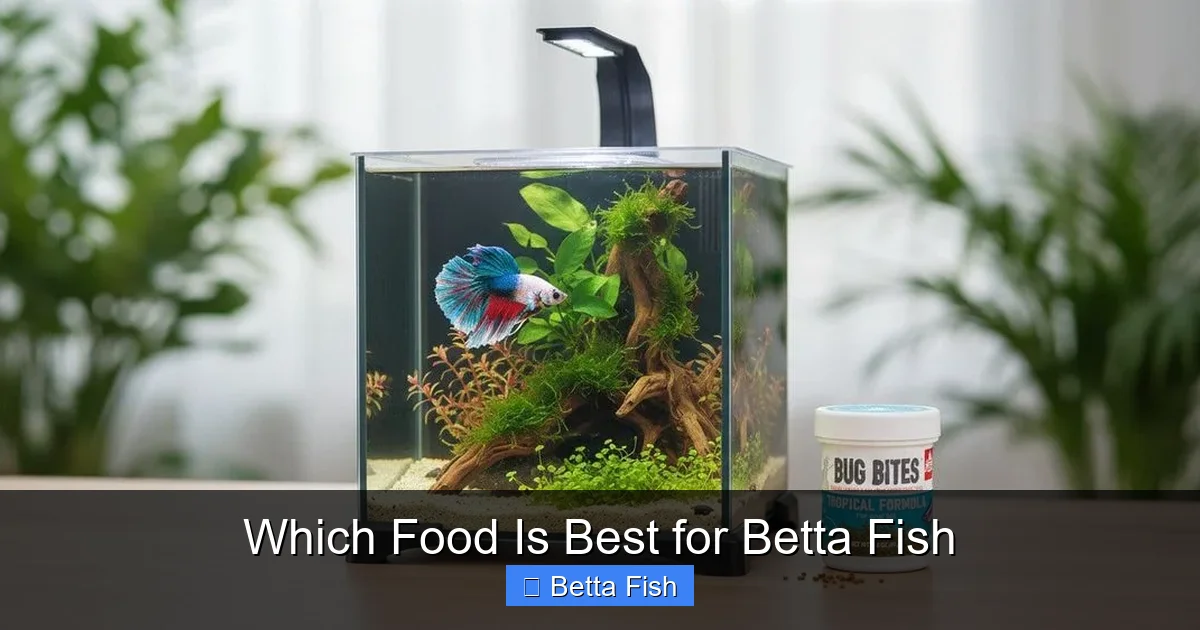
Betta fish are obligate carnivores, meaning their diet must be primarily animal-based protein. The absolute best food for betta fish is a high-quality, varied diet that mimics their natural diet of insects and larvae. This means prioritizing protein-rich pellets, frozen, or live foods while avoiding fillers and overfeeding to prevent serious health issues like swim bladder disease and constipation.
So, you’ve got a stunning betta fish, with fins flowing like silk and colors that defy belief. You’ve mastered the tank setup, the water parameters, the perfect decor. But there’s one critical piece of the puzzle that can make or break your betta’s health, vibrancy, and lifespan: its food. Walk into any pet store, and you’re bombarded with options—flakes, pellets, freeze-dried, frozen, live—all claiming to be the best food for betta fish. It’s confusing. The truth is, feeding your betta correctly is an art and a science, rooted in understanding what this little predator is *actually* built to eat. Forget the myth that bettas can live on plants or generic tropical fish food. To have a thriving, active, and long-lived companion, you need to think like a carnivore.
Bettas, or Siamese fighting fish, are labyrinth fish from the shallow, warm waters of Southeast Asia. Their natural diet consists almost exclusively of insects, insect larvae, and tiny crustaceans that fall into the water or swim near the surface. They are surface feeders by nature, hunting for morsels above them. This biology dictates everything: their upturned mouths, their short digestive tracts (unsuited for processing plant matter), and their high metabolic need for protein. The best food for betta fish is, therefore, one that replicates this high-protein, low-fiber, moisture-rich diet as closely as possible in a home aquarium. This article will be your definitive guide, cutting through the marketing hype to give you practical, actionable advice on exactly what to feed your betta, how often, and why. Let’s dive in.
Key Takeaways
- Bettas are strict carnivores: Their digestive systems are designed for meat, not plant matter. A proper betta diet must be high in animal protein (40%+).
- Variety is non-negotiable: Relying on a single food type leads to nutritional deficiencies. Rotate between high-quality pellets, frozen, and occasional live foods.
- Pellets are the nutritional foundation: Specially formulated betta pellets provide balanced nutrition. Choose brands with whole fish or shrimp as the first ingredient and no fillers like wheat or soy.
- Live & frozen foods are essential “treats”: Foods like daphnia, brine shrimp, and bloodworms boost protein, provide enrichment, and aid digestion. They should supplement, not replace, pellets.
- Overfeeding is the #1 mistake: A betta’s stomach is the size of its eye. Feed only what it can consume in 2-3 minutes, 1-2 times daily. Uneaten food pollutes water and causes constipation.
- Food size matters: All food must be appropriately sized—pellets should be no larger than the betta’s eye, and live foods should be tiny (e.g., baby brine shrimp).
- Fasting aids digestion: A 24-hour fast once a week helps clear the digestive system and prevents bloating, especially after a rich meal of frozen or live food.
📑 Table of Contents
- Understanding Your Betta’s Carnivorous Biology
- The Hierarchy of Betta Food: From Foundation to Feast
- Feeding Schedule, Portions, and The Art of Fasting
- Common Feeding Mistakes That Harm Your Betta
- How to Choose the Absolute Best Food for Your Betta
- Special Considerations: Fry, Sick Fish, and Color Enhancement
- Conclusion: Your Betta’s Path to Vibrant Health
Understanding Your Betta’s Carnivorous Biology
Before we talk about specific foods, we must internalize one core fact: your betta is not an herbivore or an omnivore in the way goldfish are. It is an obligate carnivore. This means its body is biologically adapted to derive essential nutrients—amino acids, fatty acids, vitamins—almost exclusively from animal tissue. A diet high in carbohydrates (from plant-based fillers like wheat, corn, and soy common in cheap foods) is not just inefficient; it’s harmful. It leads to digestive issues, poor water quality from excess waste, and a lack of the vital nutrients needed for those brilliant reds, blues, and shimmering scales.
The Protein Imperative
Look at any high-quality betta fish food label. The crude protein content should be no less than 40%, with 45%+ being ideal for adult bettas and even higher (50%+) for growing fry. This protein must come from identifiable animal sources: whole fish (like salmon, herring), fish meal, shrimp meal, squid, or krill. “Meal” is not a bad word here; it’s a concentrated protein source. If the first few ingredients are “wheat flour,” “corn gluten meal,” or “soybean meal,” put that product back. Your betta cannot utilize these effectively. They pass through as undigested bulk, contributing to constipation and fouling the water. The best pellets for bettas will list a specific fish or shrimp as the #1 ingredient.
Short Digestive Tract = Fast Transit
Because bettas evolved to eat easily digestible insects, their digestive system is short and simple. Food moves through quickly. This is why a high-fiber, plant-heavy diet causes problems—it just sits there, fermenting and causing bloating. This also means bettas have a high metabolism and do best with multiple small meals rather than one large one, though in practice, 1-2 feedings a day is standard for adults. Their small stomachs (about the size of their eyeball) physically limit how much they can eat at once, which is a crucial point we’ll revisit in the feeding schedule section.
The Hierarchy of Betta Food: From Foundation to Feast
Now, let’s build the perfect menu. Think of your betta’s diet as a pyramid. The broad, stable base should be a high-quality staple pellet. The middle tier consists of frozen and freeze-dried foods for regular variety. The tiny, sparkling peak is reserved for live foods, which offer unparalleled nutrition and mental stimulation. Flakes, for the most part, do not belong on this pyramid for adult bettas; they are generally a poor choice we’ll explain later.
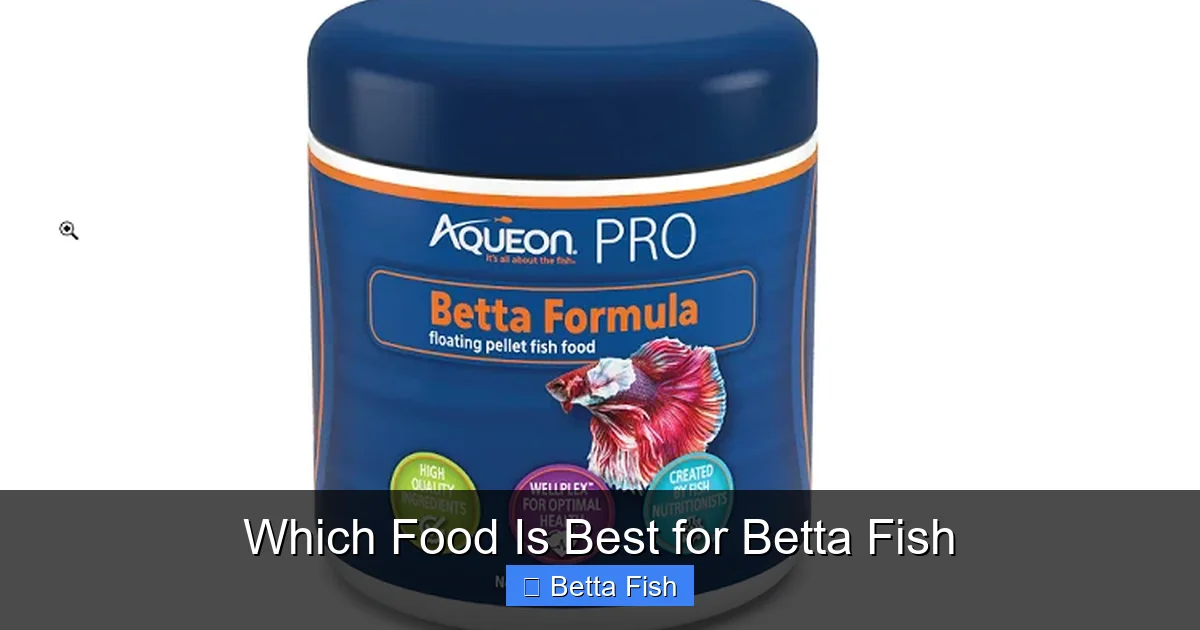
Visual guide about Which Food Is Best for Betta Fish
Image source: fishlab.com
1. High-Quality Pellets: The Daily Staple
This is the cornerstone of the best food for betta fish. A good pellet is formulated to be nutritionally complete, containing not just protein but also essential fats, vitamins (like vitamin C for immunity), minerals, and pigments (like astaxanthin and beta-carotene) that enhance and maintain your betta’s stunning colors. Pellets are also convenient, easy to store, and create minimal mess.
- What to Look For: As mentioned, animal-based protein first. Look for pellets that sink slowly or are designed for surface feeding (some are buoyant). Avoid any with artificial color enhancers (they often use chemicals, not natural pigments). A reputable brand like New Life Spectrum, Hikari, or Omega One is a safe bet. For bettas with particularly sensitive systems, look for “sinking” or “granulated” pellets, which are often easier to digest.
- Serving Size & Prep: This is critical. Take 2-3 pellets per betta per feeding (for adults). If your betta is a small female or a juvenile, start with 1-2. Soaking pellets for a minute in a cup of tank water before feeding can help prevent digestive issues and bloating, as it pre-hydrates the food. Never feed dry pellets directly; they can expand in the stomach and cause problems.
2. Frozen Foods: The Nutritional Powerhouse
Frozen foods are arguably the single best thing you can add to your betta’s diet beyond pellets. They are flash-frozen at the peak of freshness, locking in nutrients, moisture, and natural enzymes that aid digestion. They are superior to freeze-dried because they retain more nutritional value and are easier to digest (freeze-drying can remove some nutrients and requires rehydration).
- Top Choices:
- Daphnia (Water Fleas): The absolute champion. Tiny, nutritious, and packed with roughage. It’s a natural laxative for bettas, fantastic for preventing and relieving constipation. It’s also a great first food for fry. Always have a cube of daphnia in your freezer.
- Brine Shrimp (especially Baby Brine Shrimp – BBS): The classic. High in protein and carotenoids. BBS is small enough for even the tiniest betta fry. Adult brine shrimp are larger and better for bigger adults as a treat.
- Bloodworms: The betta’s favorite “red meat.” Chironomid larvae are extremely high in protein and fat. They are a fantastic conditioning food (to boost color and energy before breeding or a show) but should be fed sparingly (once or twice a week max) due to the high fat content. Overfeeding bloodworms can lead to constipation.
- Mysis Shrimp: A superb all-around food. High in protein, with a good balance of fats and fiber from their shells. They are slightly larger, so ensure your betta can handle them.
- How to Feed: Thaw a small portion (a few worms or a pinch of shrimp) in a dish of tank water. Rinse briefly to remove any ice glaze or preservative liquid. Feed only what your betta will consume in a minute or two. Store frozen cubes in the freezer and break off small pieces as needed.
3. Live Foods: The Ultimate Enrichment
Live food is the pinnacle of a betta’s diet. The movement triggers their natural hunting instinct, providing crucial mental stimulation and exercise that processed foods cannot. The nutritional profile is also exceptional. However, there are significant risks: disease transmission (parasites, bacteria) and the potential for the live food to escape and overpopulate or decay in the tank.
- Safe & Recommended Options:
- Microworms & Vinegar Eels: Perfect for betta fry. They are tiny, reproduce easily in small cultures, and are a live first food.
- Infusoria: A culture of microscopic protozoa and bacteria. The absolute first food for newly hatched fry.
- Small Daphnia Cultures: Raising your own daphnia is the gold standard. It’s a sustainable, safe, and incredibly healthy live food source.
- Risky Options (Use Extreme Caution):
- Mosquito Larvae (Wrigglers): A natural favorite and very nutritious. The risk is that they can pupate into flying mosquitoes if they escape. Only collect from guaranteed pesticide-free, stagnant water sources (not chlorinated pool water!).
- Flightless Fruit Flies: Excellent for larger bettas. You must culture them yourself to ensure they are pesticide-free and nutrient-dusted. Wild-caught flies can carry diseases.
- The Rule: If you are not 100% sure about the cleanliness of your live food source, do not use it. For most hobbyists, frozen daphnia and brine shrimp provide 95% of the benefit of live food with 0% of the disease risk. Start with frozen, and only venture into live culturing if you want to take the next step.
4. Freeze-Dried Foods: A Convenient Compromise
Freeze-dried foods are dehydrated versions of live or frozen foods (bloodworms, brine shrimp, daphnia). They are convenient, have a long shelf life, and are safer than live food. However, the dehydration process can reduce some nutrient content and make them less digestible. They also absorb water in the stomach, which can cause bloating if not pre-soaked.
- Best Practice: Always rehydrate freeze-dried foods in a cup of tank water for 5-10 minutes before feeding. This makes them easier to digest and prevents them from swelling inside your betta. Use them as a supplement to pellets and frozen foods, not as a staple.
5. Why Flakes Are Generally a Bad Idea
Standard tropical fish flakes are one of the worst choices for a betta. They are almost always plant-protein heavy, low in the animal protein a betta requires. They also tend to disintegrate quickly in water, clouding the tank and leaving a mess that fouls water quality. Betta-specific flakes exist and are slightly better, but they still cannot match the nutritional density and digestibility of a good pellet. If you must use flakes for some reason, choose a high-quality betta or carnivore formula, and feed only what is consumed immediately. For the healthiest betta, avoid flakes altogether and make pellets your daily staple.
Feeding Schedule, Portions, and The Art of Fasting
Knowing what to feed is only half the battle. How and how much you feed are equally important. Inconsistent or incorrect feeding practices are the leading cause of common betta ailments like constipation, swim bladder disorder, and poor water quality.
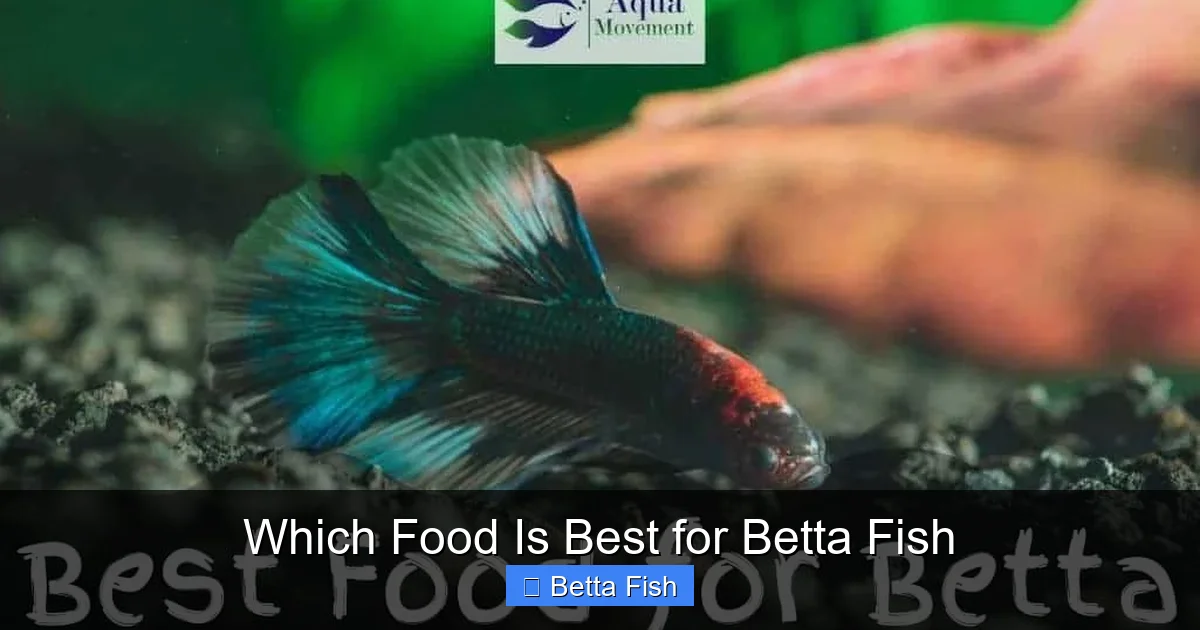
Visual guide about Which Food Is Best for Betta Fish
Image source: aquamovement.com
The “Size of the Eye” Rule
This is the golden rule. A betta’s stomach is approximately the size of its eyeball. That’s not a lot. A common misconception is that bettas are always hungry (they often are, due to instinct), but that doesn’t mean they need to eat constantly. For adults, a total of 3-5 high-quality pellets per day, split into two feedings (morning and evening), is a perfect baseline. For frozen or live foods, a portion roughly the size of a small pea (or 3-4 large brine shrimp) per feeding is sufficient. When in doubt, underfeed. It is far better to slightly underfeed than to overfeed.
Fasting: A Vital Health Tool
Yes, you should intentionally not feed your betta sometimes. A 24-hour fast once a week is one of the best things you can do for its digestive health. This gives the entire gastrointestinal tract a chance to fully empty and reset. It mimics natural cycles where food might be scarce. Fasting is especially recommended:
- After a particularly rich meal (e.g., a feeding of bloodworms).
- If you notice any signs of constipation (stringy feces, bloating, lethargy).
- Before transporting or moving a betta (an empty digestive system reduces waste production in the travel container).
Do not fast a juvenile betta (under 4-6 months) or a very old/sick betta without consulting a vet. They need consistent nutrition for growth and strength.
Feeding Routine & Observation
Establish a consistent feeding time each day. Bettas are smart and will learn to anticipate it. When you feed, watch your betta eat. Does it gobble everything down eagerly? Or does it ignore some food? If food sinks to the bottom uneaten, you are overfeeding. Use a net to remove any uneaten pellets after 2-3 minutes to keep your water pristine. This simple habit prevents ammonia spikes from decaying food. For frozen or live foods, it’s easier to feed a small amount and know it will be taken.
Common Feeding Mistakes That Harm Your Betta
Even with the right food, easy pitfalls can sabotage your betta’s health. Let’s address the most frequent and dangerous errors.
Visual guide about Which Food Is Best for Betta Fish
Image source: fishkeepingworld.com
Mistake 1: Overfeeding (The Silent Killer)
This cannot be stressed enough. Overfeeding is the #1 cause of betta health problems in captivity. The consequences are a cascade:
- Constipation & Blockage: Too much food, especially low-fiber food, clogs the short digestive tract. This leads to bloating, stringy white feces, and can progress to severe constipation requiring an epsom salt bath.
- Swim Bladder Disorder (SBD): Constipation presses against the swim bladder, causing the betta to float upside down, sink, or swim erratically. SBD is often a symptom of poor diet, not a disease itself.
- Poor Water Quality: Uneaten food decays rapidly, producing ammonia and nitrites. This stresses your betta, can burn its gills, and leads to a constant battle with the nitrogen cycle. A clean tank starts with not overfeeding.
- Obesity & Fatty Liver: Yes, fish can get fat. A diet too high in fatty foods (like too many bloodworms) without enough roughage leads to fatty liver disease, which is often fatal.
Solution: Follow the “eye-size” rule, feed 1-2 times daily, and always remove uneaten food.
Mistake 2: Relying on “Betta Bits” or Cheap Pellets
Many big-box store “betta pellets” are little more than colored starch balls. They may have low protein content (<30%) and high carbohydrate fillers. They float indefinitely and often contain artificial colors. These do not support long-term health. Investing in a reputable brand from a dedicated aquarium store is one of the best investments you can make in your betta’s future.
Mistake 3: Feeding Only One Type of Food
A mono-diet of just pellets, even good ones, is not ideal. While a high-quality pellet is formulated to be complete, the variety in texture, moisture content, and trace nutrients from frozen/live foods provides enrichment and covers potential micro-nutrient gaps. Think of pellets as your staple grain (like rice), and frozen foods as your vegetables and meat.
Mistake 4: Not Adjusting for Life Stage
A baby betta fry has vastly different needs than a 3-year-old adult. Fry require tiny, high-protein, high-fat foods multiple times a day (infusoria, then microworms, then baby brine shrimp). As they grow, you can introduce finely crushed high-quality pellets. An older betta (2+ years) may have a slower metabolism and should be fed slightly less, with an emphasis on easy-to-digest foods like daphnia and pre-soaked pellets.
Mistake 5: Ignoring Water Temperature
Betta metabolism is directly tied to water temperature. They are tropical fish and need water consistently between 78-80°F (25.5-26.5°C). If the water is too cold (below 76°F), their digestion slows dramatically. Food will sit in their gut undigested, leading to constipation and SBD. Always ensure your heater is functioning properly. A cold betta should not be fed until the water is warmed.
How to Choose the Absolute Best Food for Your Betta
Armed with knowledge, how do you apply it in the pet store aisle or online? Here is your checklist for evaluating any betta fish food product.
Decoding the Ingredient List
The ingredients are listed in order of weight, from highest to lowest.
- PASS: Whole salmon, whole shrimp, krill, squid, fish meal, shrimp meal, spirulina (a good algae supplement).
- FAIL: Wheat flour, corn gluten meal, soybean meal, potato protein, brewer’s yeast (these are fillers and protein extenders). “Seafood” or “fish” without specification is vague and often low-quality.
- CAUTION: “Meal” is fine, but “by-product meal” can be lower quality. “Hydrolyzed protein” is often used in medical foods and is fine. Artificial colors (e.g., “color enhancer,” “FD&C Red #40”) should be avoided.
The ideal first 3 ingredients should be specific, named animal proteins.
Analyzing the Guaranteed Analysis
This is the nutrient breakdown. For a betta, focus on:
- Crude Protein: Minimum 40% for adults, 45%+ for fry/growing.
- Crude Fat: Minimum 5-8%. Fat is a crucial energy source.
- Crude Fiber: Maximum 5%. Higher fiber indicates more plant fillers.
- Moisture: Maximum 10% for dry foods. Higher moisture means less actual nutrient density.
A good pellet will have protein at 45%, fat at 8%, and fiber at 3% or less.
Form Factor & Sinking Rate
Bettas are surface feeders. Ideally, your food should either float or sink very slowly, giving your betta time to grab it at the top. Fast-sinking pellets will be lost to the substrate before your betta notices. Some brands offer “betta bites” or “micro pellets” that are perfectly sized. If using larger pellets (for giant bettas), break them in half.
Brands We Trust (As of 2024)
These brands consistently use high-quality ingredients and have strong reputations in the betta-keeping community:
- New Life Spectrum Betta Formula: Often considered the gold standard. High in protein from whole fish, contains spirulina and kelp, and is highly digestible. The small “micro pellets” version is perfect.
- Hikari Betta Bio-Gold: A long-standing favorite. Contains astaxanthin for color, high protein, and is designed to not cloud water.
- Omega One Betta Buffet: Features whole salmon and shrimp as first ingredients. Includes beta-carotene for color.
- Bug Bites (by Fluval): A newer, excellent option. Primary ingredient is black soldier fly larvae, a fantastic sustainable protein source. Very high protein (50%), low fiber.
For frozen foods, brands like Hikari, San Francisco Bay Brand, and Brine Shrimp Direct are reliable.
Special Considerations: Fry, Sick Fish, and Color Enhancement
Life throws curveballs. Here’s how to adapt your feeding strategy for special situations.
Feeding Betta Fry (The First 3 Months)
This is the most critical feeding period. Newly hatched fry have a yolk sac for the first 24-36 hours. After that, they need infusoria or microworms for the first 3-5 days. Their tiny mouths cannot handle brine shrimp yet. Then, graduate to baby brine shrimp (BBS). BBS is the single best food for growing fry—packed with protein and fat for rapid growth. You can start introducing very finely crushed high-quality betta pellets or repashy gel food around 4-6 weeks old, but continue BBS daily for at least 2-3 months. Feed fry 3-4 times a day, but only tiny amounts. Water quality is paramount; perform frequent small water changes to remove uneaten food.
When Your Betta is Sick or Constipated
If you see signs of constipation (bloating, pineconing scales is dropsy—a different, severe issue—but bloating is often digestive), act immediately.
- Fasting: Stop all food for 24-48 hours.
- Daphnia Boost: After the fast, offer only daphnia (frozen or live) for 2-3 days. Its roughage acts as a natural laxative.
- Epsom Salt Bath: For severe bloating, a 1-2 tablespoon per gallon Epsom salt (magnesium sulfate) bath for 10-15 minutes can help relieve pressure and reduce swelling. This is not a medication; it’s a supportive care measure.
- Dropsy: This is a symptom of severe internal organ failure (often bacterial). A betta with pineconing scales needs immediate, aggressive antibiotic treatment (e.g., Kanamycin or Maracyn 2) in a hospital tank. Feeding a high-quality, easily digestible diet during recovery is key.
Never use peas for bettas. This is a common myth for goldfish. Bettas cannot digest the cellulose in pea skins and it will likely make things worse.
Maximizing Color: The Role of Diet
While genetics determine a betta’s color potential, diet is the #1 environmental factor that brings out and maintains maximum vibrancy.
- Carotenoids are Key: Pigments like astaxanthin (red), canthaxanthin (orange), and beta-carotene (yellow/orange) must come from the diet. Bettas cannot produce these themselves. Foods naturally rich in these include:
- Krill, Mysis Shrimp, and Brine Shrimp (especially red brine shrimp).
- Spirulina and algae (found in many quality pellets).
- High-quality frozen foods like Hikari Bloodworms (they are often color-enhanced via diet).
- Consistent, High-Quality Nutrition: A healthy, unstressed betta with a strong immune system will display its colors best. Poor diet leads to faded, dull colors.
- Avoid “Color-Enhancing” Flakes: Many cheap products use artificial dyes that temporarily stain the fish but provide no real nutritional benefit. Stick to natural sources.
The formula is simple: premium pellets + regular frozen mysis/shrimp/daphnia = stunning, lasting color.
Conclusion: Your Betta’s Path to Vibrant Health
Feeding your betta is not a mindless daily chore; it’s a direct line to its wellbeing. The best food for betta fish is not a single product you buy off the shelf. It is a philosophy: a commitment to providing a high-protein, animal-based, varied diet that respects their carnivorous biology. Start with a high-quality pellet as your foundation—something like New Life Spectrum or Hikari Bio-Gold. Then, build richness with regular feedings of frozen daphnia and brine shrimp. Treat occasionally with frozen bloodworms for conditioning. Never, ever overfeed; measure portions and remove leftovers. Fast your betta once a week. And always, always consider the source and quality of the food you buy.
When you get this right, the results are spectacular. You’ll see more vibrant colors, more active and curious behavior, beautifully long and flowing fins, and a resilient immune system. Your betta will live longer—often 4, 5, or even 6+ years in a well-maintained tank. It will be a living testament to the power of proper nutrition. You are not just keeping a fish; you are nurturing a small, fierce, beautiful predator. Feed it like one.
Frequently Asked Questions
Can I feed my betta fish vegetables or fruit?
No. Bettas are obligate carnivores and lack the digestive enzymes to break down plant cellulose. Vegetables like peas or spinach are often recommended for constipated goldfish, but they are ineffective and can cause harm to a betta by further blocking its short digestive tract. Stick to animal-based proteins.
How often should I feed my betta?
Feed adult bettas 1-2 times per day, offering only what they can consume in 2-3 minutes (typically 2-5 pellets). Implement a 24-hour fast once a week to aid digestion. Fry (under 6 months) require 3-4 small feedings per day of appropriately sized food like baby brine shrimp.
Is it okay to only feed my betta pellets?
While a high-quality pellet is formulated to be a complete staple, a diet of 100% pellets lacks the mental stimulation and moisture benefits of frozen or live foods. For optimal health and color, supplement daily pellets with 2-3 weekly feedings of frozen daphnia or brine shrimp.
What is the best food to cure constipation in bettas?
The best remedy is a combination of fasting and daphnia. Fast your betta for 24 hours, then feed exclusively thawed frozen daphnia (or live daphnia if you have a culture) for 2-3 days. Daphnia’s roughage acts as a natural laxative. Avoid using peas.
Can bettas eat goldfish flakes or tropical community food?
No. These foods are formulated for omnivores or herbivores and contain high levels of plant-based fillers and insufficient animal protein for a betta. They will lead to poor nutrition, digestive problems, and faded colors over time.
Should I feed my betta right before I go on vacation?
No. Do not leave an automatic feeder with a large portion of food. Instead, perform a large water change before you leave, ensure your heater and filter are reliable, and consider having someone check on the tank. A healthy adult betta can easily go 5-7 days without food (though it’s not ideal). Fasting is safer than risking overfeeding and water fouling in your absence.