How Often Ot Feed Betta Fish
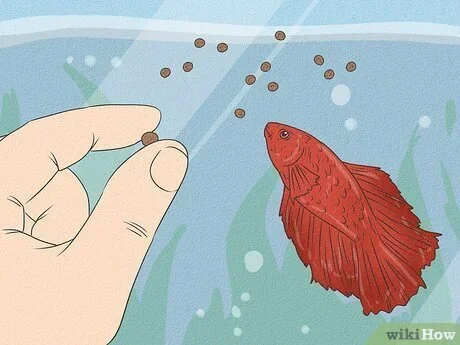
Knowing how often to feed betta fish is one of the most important parts of betta care. Most adult bettas thrive on two small meals per day, while fry and younger fish need more frequent feedings. Overfeeding is the biggest mistake new owners make, and it can seriously harm your fish’s health.
Keeping a betta fish healthy starts with feeding them the right way. One of the first questions every new betta owner asks is, “How often to feed betta fish?” The answer isn’t as simple as you might think. Feeding frequency depends on your fish’s age, size, and overall health. Getting it right can mean the difference between a vibrant, active fish and one that struggles with health problems.
How often to feed betta fish is a topic that comes up constantly in betta care discussions. Many beginners overfeed their fish because they think more food equals a happier fish. That couldn’t be further from the truth. Betta fish have small stomachs, and feeding them too much can cause serious problems. On the other hand, underfeeding can leave your fish weak and unhappy. This guide covers everything you need to know about creating the perfect betta fish feeding schedule for your finned friend.
Key Takeaways
- Feed adult bettas twice a day: Two small meals spaced apart work best for most bettas.
- Portion size matters: Only give what your betta can eat in two minutes, usually 2-3 pellets per meal.
- Fry and young bettas need more meals: Feed them 3-4 times daily with smaller portions.
- Overfeeding is dangerous: It leads to bloating, swim bladder issues, and dirty tank water.
- Variety keeps bettas healthy: Rotate between pellets, flakes, and frozen foods for balanced nutrition.
- Fasting days help digestion: Skip one feeding per week to let your betta’s system reset.
📑 Table of Contents
- Why Feeding Frequency Matters for Your Betta
- How Often to Feed Betta Fish by Age
- Best Foods for Your Betta’s Feeding Schedule
- Signs You’re Overfeeding or Underfeeding Your Betta
- How to Set Up a Feeding Routine That Works
- Common Mistakes Betta Owners Make When Feeding
- Expert Tips for Optimal Betta Feeding
Why Feeding Frequency Matters for Your Betta
Feeding frequency isn’t just about when you drop food in the tank. It directly affects your betta’s digestion, energy levels, and overall well-being. A betta fish diet that matches their natural eating patterns keeps them thriving. In the wild, bettas eat small amounts of food throughout the day. They aren’t meant to gorge on one big meal.
When you feed your betta too much at once, their stomach can expand beyond what’s healthy. This leads to bloating, constipation, and swim bladder disorders. These conditions can be painful and even fatal if left untreated. That’s why understanding betta fish portions and how often to offer them is so important. A consistent routine also reduces stress. Your fish will learn when food is coming, which makes them feel secure and active.
The Connection Between Feeding and Water Quality
Every time you feed your betta, leftover food sinks to the bottom and decays. This releases ammonia and nitrates into the water. If you feed too often or too much, your tank water quality drops fast. Poor water quality causes stress, disease, and shortened lifespan in bettas. That’s why pairing your feeding schedule with a solid tank maintenance routine matters. Learning how often to change water for betta fish works hand in hand with proper feeding habits.
How Often to Feed Betta Fish by Age
Age plays a huge role in determining feeding frequency. A baby betta fry has different needs than a full-grown adult. Let’s break this down by life stage so you can give your fish exactly what it needs.
Feeding Betta Fry (0-3 Months Old)
Young betta fry need to eat very frequently because they are growing rapidly. Feed fry 3 to 4 times per day with tiny amounts of food. Betta fish fry do best with specially formulated fry food, baby brine shrimp, or finely crushed flakes. Each feeding should be so small that the fry can eat everything within a minute or two.
At this stage, your fry have almost no stomach capacity. They need constant, small meals to fuel their development. If you’re caring for very young bettas, check out our guide on how to feed betta fish fry for detailed tips on portion sizes and food types.
Feeding Juvenile Bettas (3-6 Months Old)
Once your betta reaches about 3 months old, you can start reducing feedings to 3 times per day. Portions should still be small. Juvenile bettas are transitioning from their rapid growth phase into a more stable eating pattern. This is a good time to introduce variety by mixing pellets with frozen or live foods.
Feeding Adult Bettas (6 Months and Older)
Adult bettas do best with two meals per day. This matches their natural feeding rhythm and keeps their digestive system working smoothly. Most experts agree that how often to feed a betta fish as an adult should be twice daily, morning and evening. Each meal should consist of 2 to 3 pellets or a small pinch of flakes. If you want to skip a day occasionally, that’s perfectly fine and actually beneficial for digestion.
Senior Bettas (2 Years and Older)
Older bettas may slow down and need slightly less food. Some senior fish do well with one meal per day or every other day. Watch your fish’s behavior and adjust accordingly. A less active betta doesn’t need as many calories. Always remove any uneaten food within a few minutes to keep the tank clean.
Best Foods for Your Betta’s Feeding Schedule
The type of food you choose matters just as much as how often you feed. Bettas are carnivores by nature. They need protein-rich diets that mimic what they would eat in the wild. Let’s look at the best options for your feeding schedule.
| Food Type | Best For | Feeding Frequency |
|---|---|---|
| Betta Pellets | Daily staple for adults | 2 times per day |
| Betta Flakes | Variety and easy portioning | 1-2 times per day |
| Frozen Bloodworms | Treats and protein boost | 1-2 times per week |
| Live Brine Shrimp | Fry and picky eaters | 2-3 times per week |
| Freeze-Dried Daphnia | Digestive health and variety | 1-2 times per week |
When choosing pellets, look for high-quality brands with fish meal as the first ingredient. Many owners ask how many pellets to feed a betta fish per meal. The general rule is 2 to 3 pellets per feeding for an adult. You can find more detailed guidance on how many pellets to feed a betta fish to get the portions just right.
Flakes vs. Pellets: Which Is Better?
Both flakes and pellets have their place in a betta’s diet. Pellets tend to sink slowly, which is perfect for bettas since they feed at the surface. Flakes can be messier and may lose nutritional value quickly after opening the package. Many experienced betta owners use pellets as the staple and offer flakes or frozen foods as supplements. The key is to avoid relying on just one food type. Variety ensures your betta gets all the vitamins and nutrients they need.
Signs You’re Overfeeding or Underfeeding Your Betta
It’s not always easy to tell if you’re getting the feeding frequency right. Your betta will give you clues through its behavior and physical appearance. Learning to read these signs helps you adjust before problems develop.
Signs of Overfeeding
- Bloating or a swollen belly: This is the most obvious sign. If your betta looks puffy and uncomfortable, you’re feeding too much.
- Uneaten food sinking to the bottom: If food sits in the tank for more than a few minutes, you’ve given too much.
- Lethargy and loss of appetite: Paradoxically, an overfed betta may stop wanting to eat altogether.
- Cloudy or foul-smelling water: Excess food decays fast and tanks water quality quickly.
- Swim bladder issues: A bloated stomach can press against the swim bladder, causing your betta to float oddly or struggle to stay upright.
Signs of Underfeeding
- Visible weight loss: Your betta’s body should be plump, not thin or sunken in.
- Lethargy and hiding: A hungry betta often becomes less active and may hide more than usual.
- Color fading: Poor nutrition can cause vibrant colors to dull over time.
- Aggressive begging behavior: Your betta may frantically swim to the surface every time you walk near the tank.
- Slow growth in young fish: Fry and juveniles that aren’t getting enough food will grow much more slowly than expected.
If you notice any of these signs, adjust your betta fish feeding schedule right away. Small changes make a big difference over time.
How to Set Up a Feeding Routine That Works
Consistency is the secret ingredient in a great betta feeding routine. Fish thrive on predictability. When you feed them at the same times every day, it reduces stress and makes mealtime something to look forward to. Here’s how to build a routine that fits your lifestyle.
Step 1: Pick Two Consistent Times
Choose morning and evening times that you can stick to every day. Many owners feed their bettas right before their morning coffee and again in the evening. This makes it easy to remember and builds a habit. Set a reminder on your phone if you need to until the routine becomes second nature.
Step 2: Measure Portions Carefully
Use the two-minute rule. Drop in a small amount of food and watch your betta eat. If there’s still food left after two minutes, you’ve given too much. Remove the leftovers with a small net or turkey baster. Keeping the tank clean after feeding is just as important as the feeding itself.
Step 3: Include a Fasting Day
One fasting day per week works wonders for your betta’s digestion. Skip one feeding on the same day each week. This gives your fish’s digestive system time to fully process and clear out any remaining food. Many experienced owners fast their bettas on Sundays. It also gives you a chance to do a partial water change while the tank is a bit cleaner.
Step 4: Rotate Food Types
Don’t feed the same thing every single day. Rotate between high-quality pellets, flakes, and frozen or live foods throughout the week. This variety ensures balanced betta fish nutrition and keeps your fish interested in eating. A bored betta may start refusing food, which is frustrating for both of you.
Common Mistakes Betta Owners Make When Feeding
Even well-meaning betta owners make feeding mistakes. Being aware of these common errors helps you avoid them and keep your fish healthy.
Mistake 1: Following the “One Day a Week” Myth
Some people believe bettas only need to eat once a week because they eat frequently in the wild. This is completely wrong. Wild bettas eat many tiny meals throughout the day. Your pet betta depends on you for regular, balanced meals. Skipping feedings too often leads to malnutrition.
Mistake 2: Using the Wrong Food
Not all fish food is created equal. Flakes designed for tropical community fish lack the protein levels bettas need. Always choose food specifically formulated for bettas or carnivorous fish. Check the ingredients list for fish meal, shrimp meal, or other animal-based proteins near the top.
Mistake 3: Ignoring Leftover Food
Leaving uneaten food in the tank seems harmless, but it quickly decomposes and spikes ammonia levels. Always remove food your betta doesn’t eat within a few minutes. This protects your water quality and keeps your betta healthy. Pairing good feeding habits with proper tank maintenance creates the best environment for your fish.
Mistake 4: Feeding Based on What Your Fish “Wants”
Bettas are persistent beggars. They will swim to the surface and act hungry even when they’re not. This behavior doesn’t mean they need more food. Stick to your scheduled portions and ignore the begging. Your betta’s health depends on your discipline, not its demands.
If you’re planning a trip and wondering how to handle feedings, check out our article on how to feed your betta fish while on vacation for practical solutions that work for both short and long trips.
Expert Tips for Optimal Betta Feeding
Beyond the basics, a few expert-level tips can take your betta care to the next level. These small adjustments can have a big impact on your fish’s health and longevity.
- Soak pellets before feeding: Dry pellets can expand in your betta’s stomach and cause bloating. Soak them in tank water for a few minutes before offering them.
- Watch for eating behavior: A healthy betta should eat eagerly and finish food within a minute or two. If your fish shows no interest, it might be stressed or sick.
- Adjust for tank temperature: Warmer water speeds up metabolism, meaning your betta may need slightly more food. Cooler water slows digestion, so reduce portions accordingly.
- Keep a feeding log: Write down what and when you feed your betta. This helps you spot patterns and catch problems early.
- Consult a vet for persistent issues: If your betta consistently refuses food or shows signs of digestive distress, a fish veterinarian can help identify underlying problems.
Remember, how often to feed betta fish is just one piece of the puzzle. Your fish’s overall health also depends on clean water, proper tank size, and a stress-free environment. For more on maintaining water quality, explore our guide on how often to change water for betta fish to keep your tank in top condition.
Creating the right feeding routine takes a little patience, but the rewards are worth it. A well-fed betta displays brilliant colors, active swimming, and a healthy appetite. You’ll notice the difference within weeks of getting the schedule right. Trust the process, stay consistent, and your betta will thrive under your care.
Every betta fish is unique, so don’t be afraid to adjust based on what you observe. Some fish eat faster, some slower. Some prefer pellets, others love flakes. The beauty of caring for bettas is learning to read your individual fish and responding to its needs. Start with the guidelines in this article, watch how your betta responds, and fine-tune from there. You’ll become a confident betta owner in no time.
Frequently Asked Questions
How many times a day should I feed my betta fish?
Adult bettas do best with two small meals per day. Feed them in the morning and evening, giving only what they can eat within two minutes. Young bettas under 6 months may need three meals per day to support their growth.
Can I feed my betta fish once a day?
While some owners feed once a day, twice daily is generally better for adult bettas. It more closely mimics their natural eating pattern and provides steady energy. If you feed once a day, make sure the portion is appropriate and nutrient-dense.
What happens if I overfeed my betta fish?
Overfeeding causes bloating, constipation, and swim bladder problems. It also degrades water quality as uneaten food decays and releases ammonia. This can lead to stress, disease, and a shortened lifespan for your betta.
Should I skip feeding my betta fish sometimes?
Yes, one fasting day per week is beneficial. It gives your betta’s digestive system a break and helps prevent constipation. Skipping a single feeding won’t harm your fish and can actually improve their overall health.
How much food should I give my betta per meal?
For adult bettas, 2 to 3 pellets or a small pinch of flakes per meal is ideal. The food should be completely consumed within two minutes. Adjust the amount slightly if you notice leftover food or if your betta seems hungry.
Can I leave food in the tank for my betta to nibble on?
No, you should not leave food in the tank. Uneaten betta food decomposes quickly and pollutes the water. Always remove any food your betta doesn’t eat within a few minutes to maintain clean, healthy tank conditions.
=== CONCLUSION ===
How often to feed betta fish comes down to consistency, portion control, and understanding your fish’s individual needs. Adult bettas thrive on two small meals per day, fry need more frequent feedings, and senior fish may do well with just one. The right betta fish diet paired with a regular betta fish feeding schedule keeps your fish healthy, colorful, and active for years to come.
Avoid the common traps of overfeeding and underfeeding. Watch your fish closely, adjust as needed, and never be afraid to seek expert advice when something seems off. Your betta depends on you for everything, and proper feeding is the foundation of great fish care. Start today, stay consistent, and enjoy watching your betta flourish.