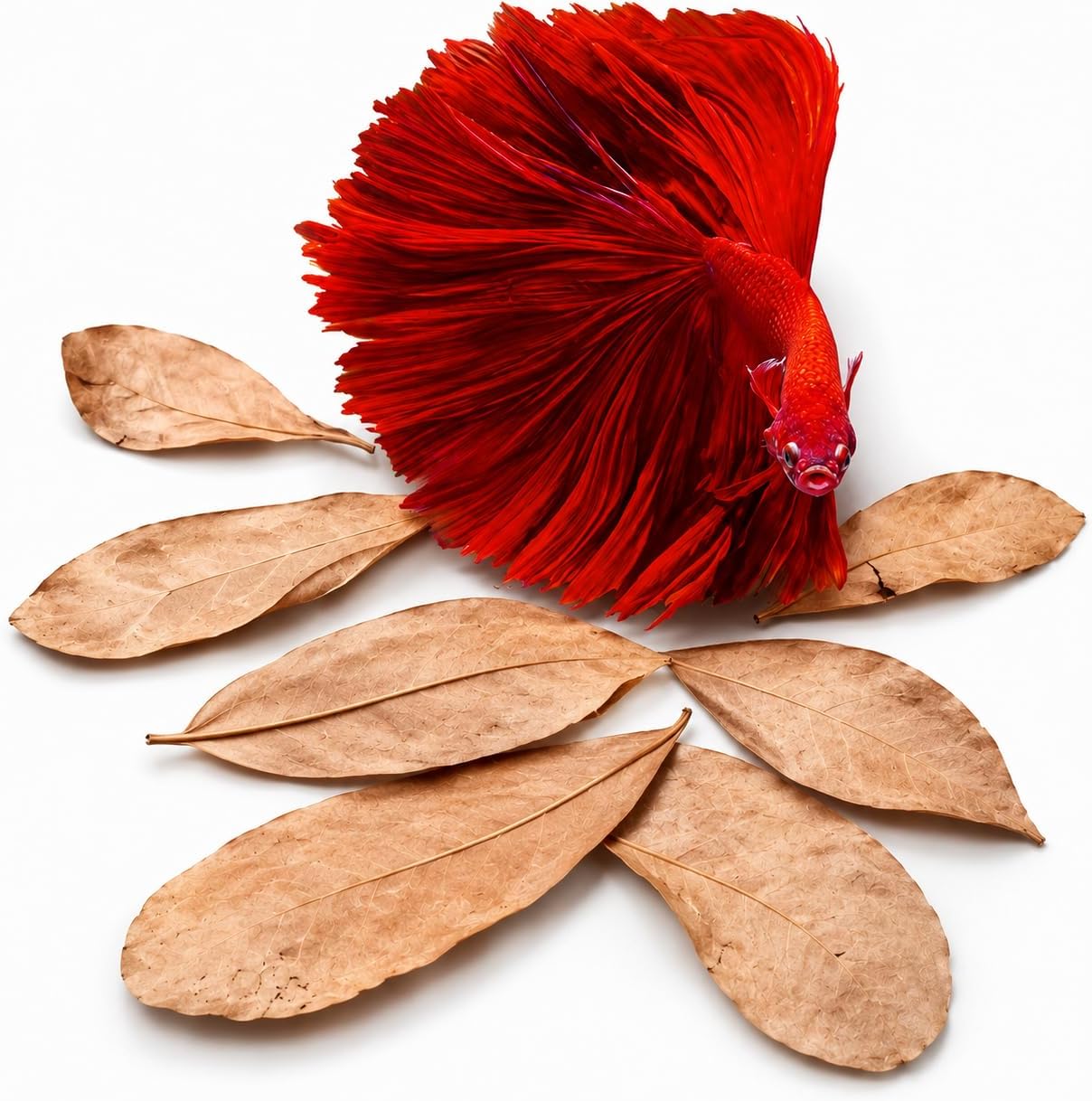
Why Is My Betta Fish Curved

Seeing a betta fish that looks curved can be alarming, but most of the time it’s a sign of an easily‑treated problem. This guide explains the top reasons—poor water quality, disease, injury, and genetics—and gives step‑by‑step tips to straighten things out. Follow the advice below and give your betta the best chance at a swift recovery.
Key Takeaways
- Water quality is king: Bad parameters are the #1 trigger for a curved posture.
- Fin and spine issues: Infections, injuries, or genetic deformities can bend a betta’s body.
- Nutrition matters: A balanced diet supports strong muscles and proper growth.
- Stress triggers: Overcrowding, aggressive tank mates, or sudden temperature shifts can cause curvature.
- Quick action helps: Early detection and treatment often prevent permanent damage.
- Regular checks: Monitoring behavior, water, and appearance catches problems early.
- Seek expert help: If home remedies fail, a vet or experienced aquarist can save your fish.
📑 Table of Contents
- Introduction: When Your Betta Looks Bent
- 1. Water Quality – The Hidden Culprit
- 2. Disease and Infections – When Illness Bends the Body
- 3. Physical Injury – Bumps, Falls, and Tank Accidents
- 4. Nutritional Deficiencies – Feeding for Strong Bones
- 5. Genetic and Developmental Issues – When Curvature Is Built‑In
- 6. Stress and Environmental Factors – The Subtle Curve Makers
- Practical Steps to Straighten a Curved Betta Right Now
- Conclusion: A Curved Betta Is Not a Lost Cause
Introduction: When Your Betta Looks Bent
Betta fish are famous for their bright colors and bold personalities. So when you notice that your little champion is swimming with a curve in its back or tail, it feels like a personal failure. The good news is that “why is my betta fish curved” is a question many hobbyists ask, and most answers involve simple, actionable steps.
In this article we’ll walk through the most common reasons a betta develops a curved shape, how to spot the warning signs early, and what you can do right now to help. Think of it as a friendly chat over a cup of tea, with plenty of real‑world examples and easy‑to‑follow tips.
1. Water Quality – The Hidden Culprit
Why bad water makes a betta curve
Betta fish are sensitive to ammonia, nitrite, and nitrate spikes. When these toxins build up, the fish’s muscles weaken and its spine can sag, creating a noticeable curve. Poor water also stresses the immune system, making infections more likely.

Visual guide about Why Is My Betta Fish Curved
Image source: img.freepik.com
How to test and fix your water
- Test weekly with a liquid test kit for ammonia, nitrite, nitrate, and pH.
- Keep ammonia and nitrite at 0 ppm, nitrate below 20 ppm, and pH between 6.5‑7.5.
- Perform 25‑30 % water changes every 2‑3 days until parameters stabilize.
- Use a gentle filter designed for bettas; strong currents can stress them.
For a deeper dive on water‑related issues, see our article on why is my betta fish water cloudy, which covers filtration and cleaning routines that keep the tank pristine.
2. Disease and Infections – When Illness Bends the Body
Common illnesses that cause curvature
Several bacterial and fungal infections attack the spine or fins, leading to a curved appearance. Columnaris and Fin Rot are frequent offenders. A curved posture can also signal internal parasites that damage the musculature.

Visual guide about Why Is My Betta Fish Curved
Image source: images-wixmp-ed30a86b8c4ca887773594c2.wixmp.com
Spotting the signs
- White or gray patches on fins (fin rot).
- Cloudy or “cotton‑like” growths on the body (columnaris).
- Loss of appetite, lethargy, or rubbing against decorations.
If you notice these symptoms, treat promptly with a broad‑spectrum antibacterial like Maracyn Two, and raise the temperature slightly (to 78‑80 °F) to boost the fish’s immune response.
Related reading: why is my betta fish turning white explains another visual cue of disease that often appears alongside a curved shape.
3. Physical Injury – Bumps, Falls, and Tank Accidents
How injuries lead to a curve
Betas are curious and sometimes they slam into tank decorations, sharp ornaments, or even the tank lid. A broken spine or damaged vertebrae can cause a permanent bend if not addressed quickly.

Visual guide about Why Is My Betta Fish Curved
Image source: i1.sndcdn.com
Preventing injuries
- Choose smooth, rounded décor; avoid sharp rocks or broken glass.
- Keep the water level low enough to prevent jumps, but high enough for comfortable swimming.
- Provide plenty of hiding spots so the fish isn’t constantly darting around.
If you suspect an injury, isolate the betta in a hospital tank with clean water, low flow, and a mild antibacterial soak. Monitor for swelling or discoloration.
4. Nutritional Deficiencies – Feeding for Strong Bones
What a poor diet does to a betta’s spine
Betta fish need high‑protein foods, essential fatty acids, and a variety of vitamins. A diet that’s too low in protein or missing micronutrients can weaken the skeletal structure, making the fish more prone to curvature.
Best feeding practices
- Offer a mix of high‑quality betta pellets (30‑40 % protein) and occasional frozen or live foods such as daphnia or bloodworms.
- Feed 2‑3 small meals per day, no more than the size of the fish’s eye.
- Supplement with a vitamin‑rich gel once a week.
Notice a loss of appetite? Check out why is my betta fish not eating for tips on stimulating hunger and preventing malnutrition.
5. Genetic and Developmental Issues – When Curvature Is Built‑In
Inherited deformities
Some bettas are born with a slight spinal curve, especially those from inbred lines. While you can’t change genetics, you can minimize stressors that exacerbate the condition.
How to support a genetically curved betta
- Maintain pristine water to reduce secondary infections.
- Provide a low‑stress environment—no aggressive tank mates, stable temperature, and gentle lighting.
- Consider a softer diet to avoid over‑loading a weak spine.
Even if the curve is permanent, a well‑cared‑for betta can still live a happy, active life.
6. Stress and Environmental Factors – The Subtle Curve Makers
Stressors that bend a betta’s posture
Rapid temperature changes, loud vibrations, bright flashing lights, or constant fighting with other fish can cause a betta to adopt a curved swimming style as a coping mechanism.
Creating a calm habitat
- Keep temperature steady at 76‑80 °F with a reliable heater.
- Use a lid to block drafts and external noise.
- Limit tank decorations to 1‑2 per gallon to reduce hiding‑spot competition.
If you see your betta swimming sideways or floating oddly, you might also be dealing with a balance issue. Read more about why is my betta fish floating sideways for related symptoms and fixes.
Practical Steps to Straighten a Curved Betta Right Now
Quick 5‑step action plan
- Test water. If any parameter is off, do a partial water change immediately.
- Isolate the fish. Move it to a clean hospital tank with 25 % water change daily.
- Check for disease. Look for fin rot, white patches, or fungus; treat with the appropriate medication.
- Adjust diet. Offer high‑protein foods and a vitamin supplement for two weeks.
- Monitor behavior. Watch for improvement in swimming posture; if the curve persists after 10 days, consult a vet.
Conclusion: A Curved Betta Is Not a Lost Cause
Finding out “why is my betta fish curved” can feel scary, but most cases stem from water quality, disease, injury, diet, or stress—issues you can control. By testing water regularly, providing a balanced diet, and keeping the environment calm, you give your betta the best chance to straighten out and thrive.
Remember, early detection is key. Keep an eye on your fish’s shape, swimming style, and appetite. When in doubt, isolate, treat, and seek expert advice. With a little patience and care, your betta will be back to its dazzling, confident self in no time.
Frequently Asked Questions
Why does my betta fish swim in a curved line?
A curved swimming pattern often means the fish is dealing with poor water quality, an infection, or a spinal injury. Fixing the underlying issue usually restores normal swimming.
Can a curved betta fish recover?
Yes, many bettas bounce back if the cause is addressed early. Treatment of disease, water improvements, and proper nutrition can straighten the posture.
Is a curved tail a sign of fin rot?
It can be. Fin rot weakens the tail tissue, causing it to droop or curve. Look for ragged edges and white patches, then treat with an antibacterial medication.
Should I change the tank decor if my betta is curved?
Remove any sharp or rough objects that could have caused injury. Smooth, rounded décor reduces the risk of future bends.
How often should I do water changes for a curved betta?
Start with 25‑30 % changes daily until parameters are stable, then shift to a regular schedule of 20‑30 % weekly.
When is it time to see a vet?
If the curve does not improve after 10‑14 days of treatment, or if the fish shows signs of severe distress (gasping, loss of appetite, rapid weight loss), a vet experienced with fish is the next step.