Is Snapper Fishing Better at Night
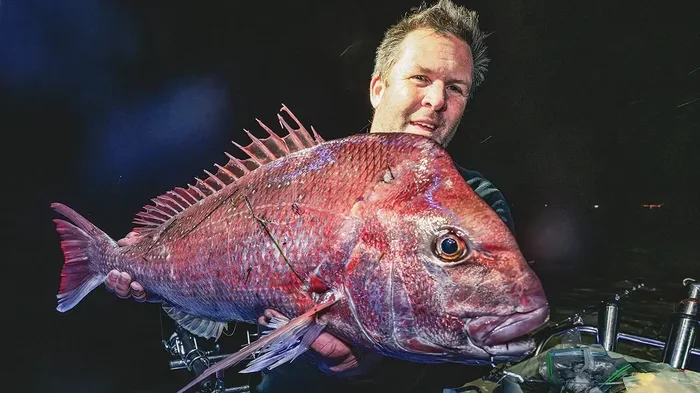
Snapper fishing at night can be incredibly rewarding when you know the right techniques and timing. Many anglers swear by night fishing because snapper become more active and feed closer to shore after dark. This guide covers everything from the best conditions and gear to proven techniques that help you hook more snapper when the sun goes down.
There is something magical about fishing for snapper after the sun goes down. The water goes quiet. The lights on the dock flicker. And somewhere beneath the surface, snapper are waking up and getting hungry. Snapper fishing at night has been a favorite among anglers for decades, and for good reason. Many seasoned fishermen will tell you that the bite picks up dramatically once darkness falls.
But is snapper fishing better at night really true? The short answer is yes, in most cases. Snapper are predatory fish that use the cover of darkness to hunt. They feel safer moving into shallower waters after sunset, which puts them within reach of shore-based and boat anglers alike. Whether you are a beginner or a seasoned pro, fishing for snapper at night offers a unique and exciting challenge.
Now, if you have ever wondered is fishing better at night or day in general, the answer depends on the species. But for snapper specifically, the night shift tends to win. Let us dive deep into why that is and how you can make the most of your nighttime snapper sessions.
Key Takeaways
- Night snapper feeding is real: Snapper become more active and aggressive after sunset, making them easier to target.
- Tide and moon phases matter: Fishing during moving tides and around a full moon dramatically improves your chances.
- The right gear makes a difference: Using glow-in-the-dark lures, underwater lights, and heavy-duty rods gives you a serious advantage.
- Chumming at night works wonders: Attracting snapper to your position with ground bait is one of the most effective night strategies.
- Safety comes first: Night fishing requires extra preparation, proper lighting, and awareness of your surroundings.
- Location is everything: Known snapper hotspots like reefs, drop-offs, and channels are even better targets after dark.
📑 Table of Contents
Why Night Fishing for Snapper Works
Snapper fishing better at night is not just a myth passed around among old salts. There is real science behind it. Snapper are visual predators, but they also rely heavily on their lateral line and sense of smell to locate prey in low-light conditions. At night, their confidence increases, and they venture into areas they would avoid during the day.
Snapper Behavior After Dark
During the day, snapper tend to hold in deeper water near reefs, wrecks, and structure. They are cautious and easily spooked. But when darkness falls, they become much more aggressive feeders. The reduced light gives them a sense of protection from predators, so they move into shallower areas to hunt.
This behavioral shift is why many anglers find night fishing for snapper so productive. You are essentially fishing in the fish’s comfort zone. They are actively searching for food, and your bait or lure looks like an easy meal.
How Darkness Benefits the Angler
Night fishing also benefits you as the angler. Fewer boats are on the water. Less boat traffic means less noise and disturbance. Snapper are less likely to be spooked by passing vessels. You can also fish closer toshore structure without the daytime crowds pushing fish deeper.
Many anglers also report that snapper fishing at night feels more relaxed and enjoyable. There is a peaceful quality to being on the water after dark. The focus shifts entirely to your line, your bait, and the thrill of the bite.
Best Times and Conditions for Snapper Fishing at Night
Timing is everything when it comes to snapper fishing better at night. Not every night is created equal. Certain conditions will give you a much better chance of success than others.
Tide Cycles and Water Movement
Snapper love moving water. When the tide is changing, baitfish get stirred up, and snapper move in to feed. Fishing during an incoming or outgoing tide is almost always better than fishing during a dead slack tide.
If you want to understand more about how water movement affects your catch, check out our guide on is fishing better when water is rising or falling. The same principles apply to snapper fishing at night.
Here are the best tide windows for night snapper fishing:
- Two hours before high tide to one hour after high tide
- Two hours before low tide to one hour after low tide
- First and last quarter moon phases create moderate tides that are ideal
Moon Phases and Light Levels
The moon plays a big role in night fishing. During a full moon, there is more natural light in the water. Snapper can see better and may feed more actively. During a new moon, the water is darker, which can make snapper bolder and more willing to venture into shallow areas.
Many experienced anglers prefer fishing during a new moon for snapper at night. The darkness makes the fish less wary. But a full moon can also produce excellent results, especially in clear water conditions.
Weather and Pressure Systems
Weather conditions can make or break a night fishing trip. Stable weather with low pressure systems often triggers active feeding in snapper. Fish sense the change in pressure and respond by moving and feeding more aggressively.
If you are curious about how atmospheric pressure affects your fishing, our article on is low pressure better for fishing explains the science in detail. The same principles apply directly to snapper.
Avoid fishing during sudden weather changes or storms. Snapper will shut down during rapidly shifting conditions. A steady, calm night with mild winds is your best bet.
Gear and Equipment for Night Snapper Fishing
Having the right gear is essential when you are targeting snapper after dark. The setup is different from daytime fishing in a few important ways.
Rod and Reel Selection
For night snapper fishing, you want a medium-heavy to heavy rod with a fast action tip. This gives you the sensitivity to feel bites in the dark and the power to haul snapper out of structure. A sturdy reel with a smooth drag system is equally important.
Look for rods in the 6.5 to 7.5 foot range. Spinning reels in the 4000 to 6000 size class work well for most snapper setups. Make sure your drag is properly adjusted before you hit the water.
Line and Leader Choices
Snapper are strong fighters, especially at night when they are feeding aggressively. Use a braided main line in the 30 to 50 pound range for sensitivity and strength. For the leader, a fluorocarbon leader in the 40 to 60 pound range works well.
Fluorocarbon is nearly invisible underwater, which matters more at night when snapper are feeding in shallow water and may be more line-shy than you expect.
Lights and Visibility Tools
Night fishing requires proper lighting. A good underwater fishing light attracts baitfish, which in turn attracts snapper. Clip-on rod lights help you track your line in the dark. A headlamp with a red light mode preserves your night vision while letting you tie knots and check your gear.
Do not underestimate the value of a quality fish finder with a low-light or night mode. It can help you locate snapper holding areas before you even drop your line.
Techniques That Catch More Snapper After Dark
Knowing the right technique is what separates a good night snapper session from a great one. Here are the most effective methods for snapper fishing at night.
Bottom Fishing with Fresh Bait
Bottom fishing is the gold standard for night snapper fishing. Fresh bait like squid, pilchards, and mullet work incredibly well. Cut the bait into chunks and use a simple Carolina rig or knocker rig to get it down to the fish.
The key is to get your bait near the bottom where snapper are holding. Use enough weight to keep your bait pinned in place, but not so much that you spook the fish. A pyramid sinker or bank sinker in the 4 to 8 ounce range is usually perfect.
Chumming for Snapper at Night
Chumming is one of the most powerful techniques for attracting snapper after dark. Grind up fresh baitfish and throw small amounts into the water regularly. The scent trail draws snapper in from a distance and keeps them feeding in your area.
Use a chum bag or mesh container to slowly release scent and particles. This creates a long-lasting food column that snapper cannot resist. Chumming at night is especially effective because the scent disperses more slowly in calm, dark water.
Using Glow and Luminescent Lures
Not all snapper fishing at night requires bait. Lures can be highly effective if you choose the right ones. Glow-in-the-dark lures and UV-reactive soft plastics stand out in the dark water and trigger reaction strikes from snapper.
Jigs, bucktail rigs, and soft plastic swimbaits in natural colors like white, chartreuse, and glow pink all work well. Retrieve them slowly along the bottom where snapper are holding.
Drift Fishing for Active Snapper
If you are fishing from a boat, drift fishing can be extremely productive. Let the current or wind carry you slowly over snapper habitat. Drop your bait as you drift and let it bounce along the bottom. This natural presentation is hard for snapper to resist.
Drift fishing works best when you are over reefs, ledges, or underwater structures where snapper like to hold. Use a fish finder to locate these spots before you start drifting.
Common Mistakes to Avoid When Snapper Fishing at Night
Even experienced anglers make mistakes when fishing for snapper at night. Avoiding these common errors will save you frustration and help you catch more fish.
Using Too Much Light
Bright lights shining over the water can spook snapper and drive them away from your fishing spot. Use dim, red, or green lights instead of bright white lights. Keep your underwater light on low intensity to avoid scattering the fish.
Remember, the whole advantage of night fishing is the cover of darkness. Do not ruin that advantage by flooding the area with light.
Ignoring Safety Basics
Night fishing comes with added risks. Slippery decks, hidden structure, and reduced visibility can create dangerous situations. Always wear a life jacket when fishing from a boat at night. Keep your deck clean and free of loose gear. Use a spotter or have a partner with you when possible.
Tell someone where you are going and when you plan to be back. Carry a fully charged phone and a working radio. Safety should always come first, even when the fishing is incredible.
Fishing in the Wrong Spot
Not every spot is good at night. Snapper hold in specific structures and habitats, and these do not change just because the sun goes down. Use your electronics to locate reefs, drop-offs, and underwater structure before it gets dark.
Mark your productive spots with GPS so you can return to them on future trips. Fishing a random spot in the dark without knowing what is underneath you is a recipe for a slow night.
Final Thoughts on Snapper Fishing at Night
The evidence is clear. Snapper fishing better at night is not just something anglers talk about. It is a proven strategy that produces real results. The fish are more active, more aggressive, and more willing to feed in areas they would avoid during the day.
By understanding snapper behavior after dark, choosing the right conditions, and using the proper gear and techniques, you can dramatically improve your nighttime catch rate. Whether you are bottom fishing with fresh bait, chumming to attract fish, or drift fishing over structure, the key is to be prepared and patient.
Night fishing for snapper is an adventure. It challenges your skills, tests your patience, and rewards you with some of the best fishing you will ever experience. The next time you plan a trip, do not pack up when the sun goes down. Stay out. The snapper are just getting started.
If you enjoyed learning about nighttime fishing strategies, you might also appreciate our guide on why is it better to fish at night for more insights into the benefits of after-dark fishing sessions.
Frequently Asked Questions
What is the best time of night to fish for snapper?
The best time is typically two hours after sunset through midnight. Snapper feed most actively during this window when the water has cooled and their prey becomes more active. However, fishing from midnight until dawn can also produce excellent results, especially during summer months.
Do you need special gear for snapper fishing at night?
You do not need anything exotic, but you do need the right setup. A medium-heavy rod, braided line, fluorocarbon leader, and a quality reel are essential. Adding underwater lights, rod tip lights, and a headlamp will make your night session much more productive and enjoyable.
Is it safe to fish for snapper at night from a boat?
Yes, as long as you follow basic safety precautions. Always wear a life jacket, keep your deck clear of hazards, use proper lighting, and let someone know your plans. Fishing with a partner is always recommended for nighttime boating trips.
What bait works best for snapper fishing at night?
Fresh squid, pilchards, and mullet are the top choices for nighttime snapper fishing. Cut bait works especially well because the scent disperses in the water and attracts snapper from a distance. Live bait like pilchards can also be deadly when presented on the bottom.
Does the moon phase affect snapper fishing at night?
Yes, it does. During a full moon, there is more natural light in the water, which can make snapper feed more actively in shallow areas. During a new moon, the darker conditions can make snapper bolder and more willing to move into cover to hunt. Both phases offer excellent opportunities.
Can you catch snapper from shore at night?
Absolutely. Many anglers catch snapper from piers, jetties, and shorelines at night. The key is to find spots near underwater structure where snapper hold. Casting your bait out past the breakers and letting it sink to the bottom is a simple and effective shore-based technique.