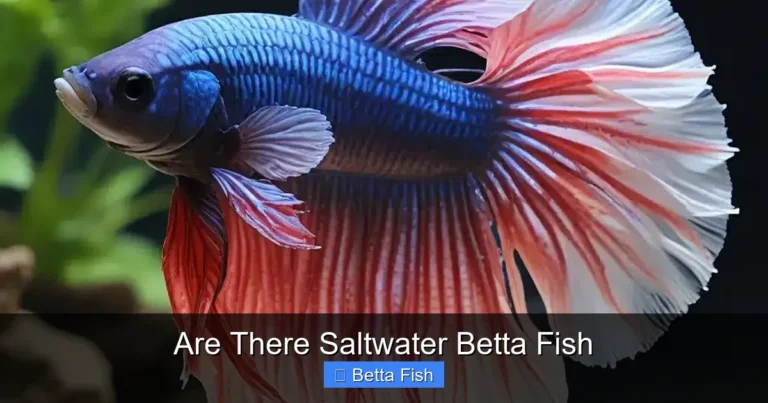
What Betta Fish Live the Longest
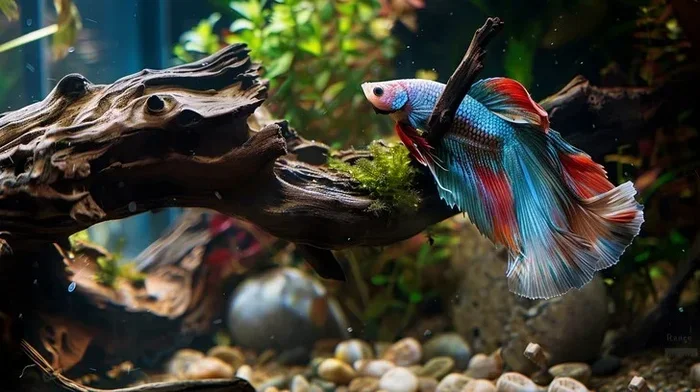
Betta fish can live anywhere from 3 to 5 years, but with the right care, some lucky owners have pushed that to 7 years or more. The longest living betta fish owe their longevity to a combination of excellent water quality, proper diet, stress-free environments, and smart tank choices. This guide breaks down exactly what you need to do to help your betta thrive and stick around as long as possible.
So you want to know what betta fish live the longest? Great question. If you have a betta or are thinking about getting one, you probably want your colorful friend to stick around as long as possible. The truth is, betta fish lifespan depends a lot on how you care for them. Some bettas barely make it past two years in poor conditions, while others thrive for half a decade or more. Let us break down exactly what separates a short-lived betta from one that lives a long, healthy life.
The average lifespan of a betta fish sits around 3 to 5 years. But that number is just a starting point. With the right setup, the right food, and the right attention, you can push your betta past those expectations. In fact, some dedicated fish keepers have reported bettas living 6 or even 7 years. Those stories are not myths — they are the result of consistent, informed care.
What betta fish live the longest? The answer is not about a specific breed or color. It is about the environment you create and the habits you build. Whether you are a first-time fish owner or a seasoned hobbyist, this guide will give you everything you need to maximize your betta’s life. We will cover tank setup, water conditions, diet, common mistakes, and expert-backed tips that actually work.
Key Takeaways
- Betta fish lifespan ranges from 3 to 5 years on average, but exceptional care can extend life to 7+ years.
- Water quality and temperature are the two biggest factors affecting how long your betta lives.
- A proper diet of high-quality pellets and occasional live food keeps bettas healthy and active longer.
- Tank size matters — a 5-gallon tank or larger gives your betta room to thrive.
- Stress reduction through hiding spots, gentle tank mates, and stable routines boosts longevity.
- Common mistakes like small bowls and poor filtration significantly shorten betta fish lifespan.
- Regular tank maintenance and monitoring are essential habits for long-term betta health.
📑 Table of Contents
Understanding the Betta Fish Lifespan
Before we dive into the “how-to,” let us talk about what the lifespan of betta fish actually looks like in real-world conditions. Bettas are native to the warm, slow-moving waters of Southeast Asia. They are also known as Siamese fighting fish, and their natural habitat gives us clues about what they need to thrive in captivity.
What the Average Lifespan of a Betta Fish Looks Like
Most bettas sold in pet stores are around 6 months to 1 year old. That means if you buy a healthy betta and provide good care, you can expect to enjoy your fish for another 2 to 4 years. The average lifespan of a betta fish in a well-maintained tank is about 3 to 5 years. Anything beyond that is a bonus, and it is completely achievable.
Here is a quick look at what affects how long bettas live:
- Genetics: Some bettas are simply built to last longer. Responsible breeders focus on healthy bloodlines.
- Environment: Tank size, water quality, and temperature all play huge roles.
- Diet: What and how often you feed your betta directly impacts its health and longevity.
- Stress levels: A stressed betta gets sick more often and ages faster.
- Healthcare: Catching diseases early and treating them properly can add months or even years to your betta’s life.
The bottom line? You have more control over your betta’s lifespan than you might think. Small changes in daily care can lead to big differences over time.
What Betta Fish Live the Longest and Why
When people ask about what betta fish live the longest, they often assume certain colors or tail types last longer. The truth is simpler — and more interesting. All betta fish have the same genetic potential for a long life. The difference comes down entirely to how they are kept.
Do Certain Betta Varieties Live Longer?
There are dozens of betta varieties — crowntail, plakat, halfmoon, delta, and more. Some people believe that plakat bettas (the short-finned type) live longer because they are closer to the wild-type betta. While there is some logic to this, the evidence is mostly anecdotal. The truth is that betta fish longevity depends far more on care practices than on physical appearance.
That said, wild-type and plakat bettas tend to be hardier. They were bred for fighting and survival, not just looks. This does not mean fancy bettas with long, flowing fins cannot live long lives. They absolutely can — they just need a little extra attention to avoid fin damage and stress.
The Role of Water Quality in Betta Longevity
Clean water is the single most important factor in extending your betta’s life. Betta fish are sensitive to ammonia, nitrite, and nitrate buildup. In a small, unfiltered bowl, these toxins accumulate fast and silently damage your fish’s organs over time.
Here is what you should aim for:
- Water temperature: Keep it between 78 and 80 degrees Fahrenheit. The water temperature for a betta fish should stay stable — sudden swings cause stress and illness.
- pH level: Aim for a pH between 6.5 and 7.5. Stable pH matters more than hitting a perfect number.
- Filtration: Use a gentle filter with an adjustable flow. Bettas hate strong currents but benefit from biological filtration.
- Water changes: Change 25 to 30 percent of the water weekly. This keeps toxins in check without disrupting beneficial bacteria.
Regular testing with a liquid test kit helps you catch problems before they become serious. Many experienced fish keepers say that consistent water maintenance is the secret to a long betta fish lifespan.
Tank Setup That Promotes a Long Life
Your betta’s home directly affects its health and happiness. A proper tank setup is not a luxury — it is a necessity if you want your fish to live a long, vibrant life.
What Size Tank Should Your Betta Live In?
Forget the tiny cups and bowls you see in pet stores. Those are temporary holding containers, not homes. A 5-gallon tank is the minimum recommended size for a single betta. Larger tanks, like 10 gallons, give your fish more swimming room and more stable water parameters.
Here is why tank size matters so much for betta fish longevity:
- More water dilutes waste: In a larger tank, toxins are less concentrated, giving your filter more time to process them.
- Stable temperature: More water holds heat better, reducing temperature swings.
- More swimming space: Bettas are active fish. They need room to explore and exercise.
- Better oxygen exchange: Larger surface areas allow more oxygen to dissolve into the water.
If you want your betta to live as long as possible, invest in a proper tank from day one. The best tank size for a betta fish is at least 5 gallons, and bigger is always better.
Essential Tank Setup Tips
Beyond size, the details of your tank setup make a big difference. Here is what a longevity-focused betta tank looks like:
- Heater: A small, adjustable aquarium heater keeps the temperature steady at 78 to 80 degrees Fahrenheit.
- Filter: Choose a sponge filter or a hang-on-back filter with the flow turned down low.
- Substrate: Soft sand or smooth gravel works well. Avoid rough substrates that can damage delicate fins.
- Plants: Live plants like java fern, anubias, and Amazon sword provide natural hiding spots and improve water quality.
- Hiding spots: Caves, driftwood, and broad-leaf plants give your betta places to rest and feel secure.
- Lighting: A standard aquarium LED light on a timer (8 to 10 hours per day) keeps your betta on a healthy day-night cycle.
A well-decorated tank reduces stress, and a stress-free betta is a long-lived betta. This is one of the simplest yet most overlooked aspects of betta fish care.
Diet and Nutrition for a Longer Life
You are what you eat — and that applies to betta fish just as much as it does to humans. A poor diet leads to a weak immune system, organ damage, and a shortened life. A great diet builds a strong, resilient fish that can fight off disease and stay active for years.
What Should You Feed Your Betta?
The foundation of a healthy betta diet is high-quality pellets specifically formulated for bettas. Look for pellets where fish or insect protein is the first ingredient. Avoid cheap brands filled with fillers like wheat and corn — your betta’s digestive system is not designed to process those.
Here is a simple feeding routine that supports betta fish health and longevity:
- Morning: Feed 2 to 3 high-quality pellets. Soak them for a minute before adding them to the tank.
- Evening: Offer 2 to 3 pellets or a small portion of frozen or live food.
- Treats (2 to 3 times per week): Offer bloodworms, brine shrimp, or daphnia as a protein boost.
- Fast day (once per week): Skip one feeding to give your betta’s digestive system a break.
Overfeeding is one of the most common mistakes new betta owners make. Excess food decays in the tank and pollutes the water. Feed small amounts and remove any uneaten food after a few minutes. For more details on feeding, check out our guide on what is the best food for betta fish.
Live Food and Its Role in Betta Longevity
Live and frozen foods like bloodworms, brine shrimp, and daphnia are excellent supplements. They mimic what bettas would eat in the wild and provide essential nutrients that pellets alone may lack. Feeding live food a few times a week keeps your betta active and interested in eating.
Just remember that live food should be a supplement, not the main diet. Pellets provide a balanced nutritional base. Think of live food as the healthy dessert that makes the whole meal better.
Common Mistakes That Shorten Betta Fish Lifespan
Knowing what to do is only half the battle. Equally important is knowing what not to do. Many betta fish die prematurely because of preventable mistakes. Here are the biggest ones to avoid.
Keeping Bettas in Tiny Bowls
This is the number one killer of bettas. A bowl under 2 gallons has unstable water parameters, low oxygen levels, and no room for a heater or filter. Bettas kept in bowls often develop fin rot, ammonia burns, and stress-related illnesses. If you want your betta to live a long life, ditch the bowl and upgrade to a proper tank.
Ignoring Water Changes
Even with a filter, waste builds up over time. Weekly water changes of 25 to 30 percent are essential. Skipping water changes leads to nitrate poisoning, which slowly damages your betta’s organs and shortens its life.
Overcrowding the Tank
Bettas are territorial. Adding too many fish or incompatible tank mates creates constant stress. A stressed betta is more susceptible to disease and has a shorter betta fish lifespan. If you want tank mates, research carefully and choose peaceful species that won’t nip at your betta’s fins.
Skipping Quarantine for New Fish
Introducing a new fish to your betta’s tank without a quarantine period can bring diseases and parasites. Always quarantine new arrivals for at least two weeks before adding them to your main tank. This simple step can save your betta from a deadly infection.
Expert Tips for Maximizing Betta Fish Longevity
We asked experienced betta keepers for their top tips, and here is what they had to say. These are practical, actionable habits that make a real difference in how long your betta lives.
Monitor Your Fish Daily
Spend a few minutes each day watching your betta. Look for changes in appetite, color, energy level, and behavior. Catching early signs of illness — like clamped fins, loss of color, or erratic swimming — gives you a head start on treatment. Early intervention is the key to preventing minor issues from becoming life-threatening.
Keep a Stable Routine
Bettas thrive on consistency. Feed them at the same times each day. Do water changes on a regular schedule. Keep the lights on a consistent day-night cycle. Stability reduces stress, and less stress means a longer, healthier life for your fish.
Maintain Your Equipment
Filters get dirty, heaters can fail, and thermometers lose accuracy. Check your equipment weekly and replace parts as needed. A malfunctioning heater that slowly drops the temperature can cause serious health problems before you even notice.
Learn to Recognize Common Betta Diseases
Familiarize yourself with common betta illnesses like fin rot, ich, velvet, and dropsy. Knowing the symptoms and treatments means you can act fast. The faster you treat an illness, the better the outcome for your fish.
Final Thoughts
So, what betta fish live the longest? The answer is any betta fish that receives proper care, a clean and stable environment, a nutritious diet, and a stress-free home. The longest living betta fish are not lucky — they are well cared for. By following the tips in this guide, you give your betta the best possible chance at a long, healthy, and happy life.
Remember, every choice you make as a fish owner matters. The tank you choose, the food you feed, the water you maintain — it all adds up over time. Your betta may not live forever, but with the right approach, you can absolutely push past the average betta fish lifespan and enjoy many wonderful years together.
Start today. Make one small improvement to your betta’s setup or routine, and build from there. Your fish will thank you with vibrant colors, lively behavior, and years of companionship. That is the real reward of great betta fish care.
Frequently Asked Questions
What is the longest a betta fish has ever lived?
The longest recorded betta fish lifespan is around 7 to 10 years in exceptional cases, though most bettas live 3 to 5 years. The longest living betta fish were kept in large, well-maintained tanks with excellent water quality, proper diet, and low stress levels. Consistent care and attention to water parameters are the biggest factors behind these extraordinary lifespans.
Can a betta fish live 10 years?
While 10 years is extremely rare, it has been reported by a small number of dedicated betta keepers. Achieving this requires near-perfect water conditions, a spacious tank, a varied and nutritious diet, and careful disease prevention. Most bettas will not reach 10 years, but with excellent care, pushing past 5 years is very achievable and common.
How can I make my betta fish live longer?
To extend your betta fish lifespan, focus on five key areas: tank size (minimum 5 gallons), stable water temperature (78 to 80 degrees Fahrenheit), weekly water changes, a high-quality diet with variety, and stress reduction through proper tank decoration and compatible tank mates. Avoid small bowls, overfeeding, and sudden water parameter changes.
Does tank size really affect how long bettas live?
Yes, tank size has a significant impact on betta fish longevity. Larger tanks provide more stable water parameters, better oxygenation, and more swimming space. In a small bowl or vase, toxins build up quickly and temperature fluctuates easily, both of which shorten your betta’s life. A 5-gallon tank or larger gives your betta the best chance at a long, healthy life.
What is the ideal water temperature for a betta fish to live a long life?
The ideal water temperature for betta fish is between 78 and 80 degrees Fahrenheit. Staying within this range keeps your betta’s metabolism functioning properly, supports its immune system, and reduces stress. Temperatures that are too cold slow down the fish and make it vulnerable to disease, while temperatures that are too hot increase stress and shorten lifespan.
Do male and female betta fish live different lengths of time?
Generally, male and female betta fish have similar lifespans of 3 to 5 years with proper care. However, male bettas are often kept in more stressful conditions because of their aggressive nature and long fins, which can make them more prone to fin damage and illness. Female bettas kept in well-planted tanks with appropriate companions sometimes experience less stress, potentially supporting a slightly longer life.