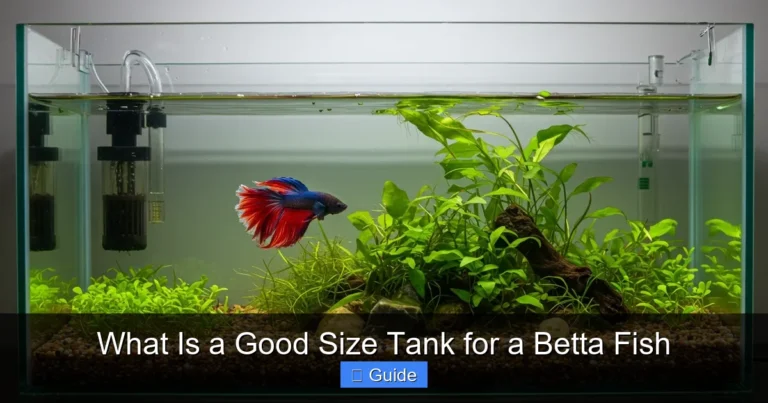
Are Betta Fish Cichlids

No, betta fish are not cichlids. While both are popular freshwater aquarium fish, bettas and cichlids belong to entirely different families and have very different needs. Understanding their differences is essential before even thinking about housing them together.
Key Takeaways
- Betta fish and cichlids are not the same: They come from different families, have different care needs, and behave very differently in an aquarium.
- Housing them together is risky: Both species can be territorial, which often leads to aggression and injury.
- Water parameters differ: Bettas prefer warmer, softer water, while many cichlids thrive in harder, more alkaline conditions.
- Tank size matters a lot: Keeping either species happy requires adequate space, and combining them makes it even harder.
- Better tank mate options exist: If you want community fish with your betta, there are safer choices than cichlids.
- Know your species: Not all cichlids are the same, and some are more compatible than others, but caution is always needed.
📑 Table of Contents
Are Betta Fish Cichlids? Here Is Everything You Need to Know
Many new fish keepers ask, “are betta fish cichlids?” The short answer is no. Bettas and cichlids are two completely different types of fish. They come from different families, look different, act different, and need different living conditions. If you are thinking about adding one or both to your aquarium, you need to understand what makes them unique.
Bettas, also known as Siamese fighting fish, belong to the Betta family. Cichlids come from the Cichlidae family. There are hundreds of cichlid species, and they range from tiny dwarf cichlids to large African cichlids. Bettas are smaller and generally more peaceful, but they can still be quite territorial. Mixing these two types of fish is not a simple decision. It requires careful thought and planning.
In this guide, we will break down everything you need to know. We will compare their traits, care needs, and temperament. We will also look at whether they can share a tank safely. By the end, you will know exactly what to expect and how to keep your fish healthy and happy.
What Are Betta Fish?
Betta fish are one of the most popular freshwater pets in the world. They are native to the warm, slow-moving waters of Southeast Asia. Bettas are known for their long, flowing fins and bright, vivid colors. Each fish has its own unique pattern and personality.
Betta Fish Traits and Behavior
Bettas are often called “fighting fish” because the males will fight each other. Two male bettas should never be kept in the same tank. They flare their gills, spread their fins, and may bite or injure each other. Female bettas can sometimes live together in groups, but this also comes with risks.
Despite their aggressive reputation with other bettas, they can be peaceful with the right tank mates. Bettas do well in community tanks when paired with calm, non-fin-nipping fish. They prefer warm water around 76 to 82 degrees Fahrenheit. Bettas also need a heater and a gentle filter to stay healthy.
Common Betta Varieties
There are many types of bettas. Some popular ones include:
- Veil tail bettas with long, drooping fins
- Crown tail bettas with spiky fin rays
- Plakat bettas with shorter, sturdier fins
- Halfmoon bettas with tails that spread like a fan
- Double tail bettas with two separate tail fins
Each variety has its own charm, but they all share the same basic care requirements. Bettas are freshwater fish that do best in tanks of at least 5 gallons. They are also labyrinth fish, which means they can breathe air from the surface. This is why they can survive in small bowls, but they thrive much better in larger, filtered tanks.
What Are Cichlids?
Cichlids are a huge group of fish with over 1,000 known species. They come from lakes and rivers in Africa, South America, and parts of Asia. Cichlids vary widely in size, color, and behavior. Some are small and peaceful, while others are large and very aggressive.
Cichlid Traits and Behavior
Most cichlids are territorial. They like to claim a spot in the tank and defend it fiercely. Many cichlids dig in the substrate, rearrange decorations, and can be quite boisterous. They are active swimmers and need plenty of space.
African cichlids, in particular, are known for their bright colors and bold personalities. They are often kept in large community tanks with other cichlids. But mixing African cichlids with bettas is almost always a bad idea. The aggression levels are simply too high for a peaceful betta to handle.
Popular Cichlid Species
Some well-known cichlid species include:
- Angelfish — a favorite for many home aquariums
- Oscars — large and intelligent but messy eaters
- Jack Dempsey — a colorful but aggressive species
- Electric blue hap — a stunning blue African cichlid
- German blue ram — a smaller, slightly more peaceful cichlid
Each species has its own temperament. Some cichlids are too big and too aggressive for a betta tank. Others might seem calm at first but become territorial during breeding. If you are considering adding cichlids to your setup, you need to research the specific species carefully.
Key Differences Between Betta Fish and Cichlids
Understanding the differences between these two fish types is important. They are not interchangeable in any way. Here is a closer look at how they compare.
Size and Space Needs
Bettas are small fish. Most grow to about 2 to 3 inches in length. Cichlids vary greatly. Some dwarf cichlids stay around 3 inches, but many African cichlids grow to 6 inches or more. A single large cichlid needs a tank of 55 gallons or more. A betta does fine in a 5-gallon tank, but even they benefit from a larger space.
When you put a betta and a cichlid together, the space requirements jump dramatically. The cichlid needs room to swim and claim territory. The betta needs room to retreat and feel safe. Without enough space, stress and fighting are almost guaranteed.
Water Parameters
Bettas and cichlids also differ in their water needs. Bettas prefer:
- Temperature: 76 to 82 degrees Fahrenheit
- pH: 6.5 to 7.5
- Water hardness: Soft to moderately hard
Many cichlids, especially African species, prefer:
- Temperature: 74 to 82 degrees Fahrenheit
- pH: 7.5 to 9.0
- Water hardness: Hard and alkaline
These differences make it hard to find a happy medium. Bettas may become stressed in hard, alkaline water. Cichlids may struggle in soft, acidic water. Keeping both species in the same tank means compromising on water quality, which is never ideal.
Temperament and Aggression
This is the biggest concern. Bettas can be aggressive, especially males. But cichlids are often far more aggressive. A large cichlid can bully or even kill a betta in a shared tank. Even smaller cichlids may nip at the betta’s long fins.
If you want to know whether bettas can live with other fish, it helps to understand that betta fish aggression is a real factor. Bettas may not start fights, but they will defend themselves. A cichlid that is bigger and bolder will almost always win that battle.
Some people ask, “are you supposed to put betta fish with other fish?” The answer depends on the species. Bettas can coexist with peaceful, small fish like tetras, guppies, or corydoras. But cichlids are not a safe choice for most betta setups.
Can Betta Fish Live With Cichlids?
The honest answer is: it is very risky. While some hobbyists have had success keeping bettas with small, peaceful dwarf cichlids, this is the exception, not the rule. Most cichlids are simply too large, too active, or too aggressive for a betta to share space with.
Why Mixing Them Often Fails
There are several reasons why bettas and cichlids do not make good tank mates:
- Territorial clashes: Both species want to claim space. This leads to constant stress and chasing.
- Fin nipping: Cichlids may bite the betta’s long, flowing fins. This causes injury and opens the door to infection.
- Different water needs: As mentioned above, finding the right balance is difficult and often harmful to one or both species.
- Size differences: A large cichlid can see a betta as food or a threat, leading to attacks.
- Stress-related illness: A stressed betta is more likely to get sick. Fin rot, ich, and other diseases become more common.
If you are set on keeping a community tank, you are better off looking at other options. There are plenty of fish that go well with a betta that are much safer choices. Tetras, rasboras, kuhli loaches, and certain types of snails all make great companions.
The Rare Exceptions
There are a few cases where a betta and a cichlid might coexist. Small dwarf cichlids like German blue rams or kribensis are sometimes kept with bettas. These cichlids are less aggressive and stay smaller. But even then, you need a large tank with plenty of hiding spots and visual barriers.
It is also important to consider the individual fish’s personality. Some bettas are more laid-back, while others are highly aggressive. Some cichlids are calmer than others. But you should never assume that any combination will work without careful observation and a backup plan.
Better Tank Mate Options for Betta Fish
If you love bettas and want to build a community tank, there are many great choices. These fish are peaceful, small enough to coexist, and have similar water needs.
Top Tank Mates for Bettas
- Neon tetras — colorful and peaceful
- Corydoras catfish — bottom dwellers that stay out of the betta’s way
- Harlequin rasboras — active and hardy
- Amano shrimp — great algae eaters and very peaceful
- Mystery snails — slow-moving and safe with bettas
- Otocinclus catfish — small, peaceful, and fun to watch
Before adding any tank mate, make sure your tank is at least 10 gallons. A larger tank gives everyone room to spread out and reduces territorial behavior. You should also provide plenty of plants and decorations to break up lines of sight. This helps both bettas and their tank mates feel secure.
Common Mistakes People Make With Betta and Cichlid Tanks
Even experienced fish keepers can make mistakes. Here are a few to avoid.
Mistake 1: Underestimating Aggression
Many people think that because a betta is small, it cannot hurt or be hurt by a cichlid. This is wrong. A betta can be seriously injured by an aggressive cichlid. Always prioritize the safety of your fish over your desire to create a specific combination.
Mistake 2: Ignoring Water Parameters
Trying to compromise on water conditions often leads to stressed fish. A fish that is constantly stressed will have a weakened immune system. This makes it much more likely to get sick. It is better to keep species with matching water needs in the same tank.
Mistake 3: Starting Too Small
A 5-gallon tank is fine for a single betta. But it is nowhere near large enough for a betta and a cichlid. If you want to attempt a mixed setup, you need at least a 29-gallon tank, and bigger is always better.
Final Thoughts
So, are betta fish cichlids? No, they are not. They are two completely different species with different origins, appearances, and needs. While it might be tempting to mix them, the risks usually outweigh the rewards. Bettas and cichlids both make wonderful pets on their own. But pairing them together in the same tank is a recipe for stress, injury, and heartbreak.
If you are a betta lover, stick with peaceful tank mates that share their water preferences. If you are a cichlid fan, consider building a cichlid-only tank where everyone has similar needs and expectations. Your fish will be happier, healthier, and you will enjoy your aquarium much more.
Take the time to research each species before adding them to your tank. A little knowledge goes a long way. Happy fish keeping!
Frequently Asked Questions
Can a betta fish live with any type of cichlid?
In rare cases, a betta might coexist with a small, peaceful dwarf cichlid like a German blue ram. However, most cichlids are too aggressive or too large for a betta. You should always research the specific cichlid species before attempting to house them together.
What is the biggest risk of keeping a betta with a cichlid?
The biggest risk is aggression. Cichlids can bully, chase, and injure bettas. Fin nipping is also very common. A stressed betta may stop eating, hide constantly, or develop diseases like fin rot or ich.
Do bettas and cichlids need the same water conditions?
No, they do not. Bettas prefer softer, slightly acidic water, while many cichlids thrive in harder, alkaline water. Trying to meet both sets of needs often results in water conditions that are not ideal for either species.
What tank size is needed if I want to keep a betta and a cichlid together?
If you attempt this combination, you need at least a 29-gallon tank. This gives both fish enough space to establish territories and reduces the chance of constant conflict. However, it is still not a guarantee of success.
Are there better tank mates for bettas than cichlids?
Yes, absolutely. Fish like neon tetras, corydoras, harlequin rasboras, and mystery snails are much safer choices. They are peaceful, have similar water needs, and are far less likely to harm your betta.
Why are bettas called fighting fish?
Bettas are called fighting fish because the males are highly territorial and will fight each other to the death in the wild. This aggression is a natural behavior, but it also means you should never house two male bettas in the same tank.