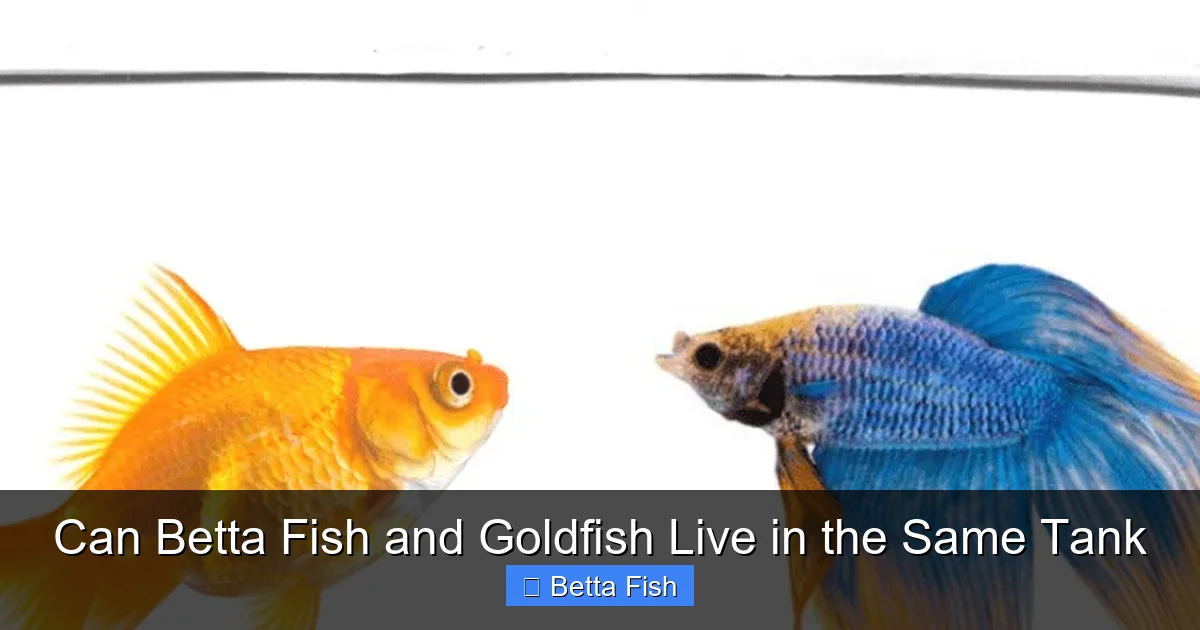
Can Betta Fish and Goldfish Live in the Same Tank

Betta fish and goldfish have very different needs, so sharing a tank is usually a bad idea. Their temperature, water‑parameter, and temperament requirements clash, leading to stress or illness. Read on for a clear explanation and safe alternatives.
Key Takeaways
- Different temperature ranges: Betta thrive at 76‑82°F, goldfish need cooler 65‑75°F.
- Water quality mismatch: Goldfish produce a lot of waste, overwhelming a betta’s small setup.
- Temperament clash: Goldfish may nip betta fins; bettas can become aggressive when stressed.
- Tank size matters: Goldfish require 20 gallons + per fish, while bettas can live in 5‑gallon tanks.
- Better tank mates: Small peaceful community fish (e.g., neon tetras) suit bettas better than goldfish.
- Alternative solution: Keep them in separate tanks with proper filtration and temperature control.
- Monitor health: Any signs of stress mean immediate separation and water‑parameter checks.
📑 Table of Contents
- Introduction: Why the Question Comes Up
- 1. The Basics: Temperature and Water Parameters
- 2. Waste Production and Filtration Needs
- 3. Temperament and Aggression
- 4. Tank Size and Space Requirements
- 5. Safer Alternatives for a Community Tank
- 6. How to Transition If You Already Have Both
- Conclusion: Keep Them Separate for Happiness
Introduction: Why the Question Comes Up
It’s easy to see why many beginners wonder if a betta fish and a goldfish can share a tank. Both are popular, colorful, and often sold side‑by‑side at pet stores. The idea of a “two‑fish” tank sounds economical and cute. But behind the pretty picture lies a clash of biology, behavior, and water needs.
In this article we’ll break down the science, compare the care requirements, and give you clear, friendly advice. By the end you’ll know whether to keep them together or give each a happy home of its own.
1. The Basics: Temperature and Water Parameters
Betta fish preferences
Betta (Betta splendens) are tropical. They thrive in water that stays between 76°F and 82°F (24‑28°C). They also love slightly acidic to neutral pH (6.5‑7.5) and soft water (50‑150 ppm GH).
Visual guide about Can Betta Fish and Goldfish Live in the Same Tank
Image source: japanesefightingfish.org
Goldfish preferences
Goldfish (Carassius auratus) are temperate. Ideal temperatures sit at 65°F‑75°F (18‑24°C). They tolerate a broader pH range (6.0‑8.0) and prefer harder water (100‑300 ppm GH). Keeping the water too warm can shorten their lifespan.
What the mismatch means
If you set the tank at 78°F for the betta, the goldfish will be uncomfortable and may develop a weakened immune system. Lower the temperature for the goldfish and the betta becomes sluggish, loses color, and can become more aggressive.
2. Waste Production and Filtration Needs
Goldfish are heavy “bio‑load” producers
A single goldfish can generate as much waste as three or four small tropical fish. They excrete a lot of ammonia, which quickly spikes in a small tank.
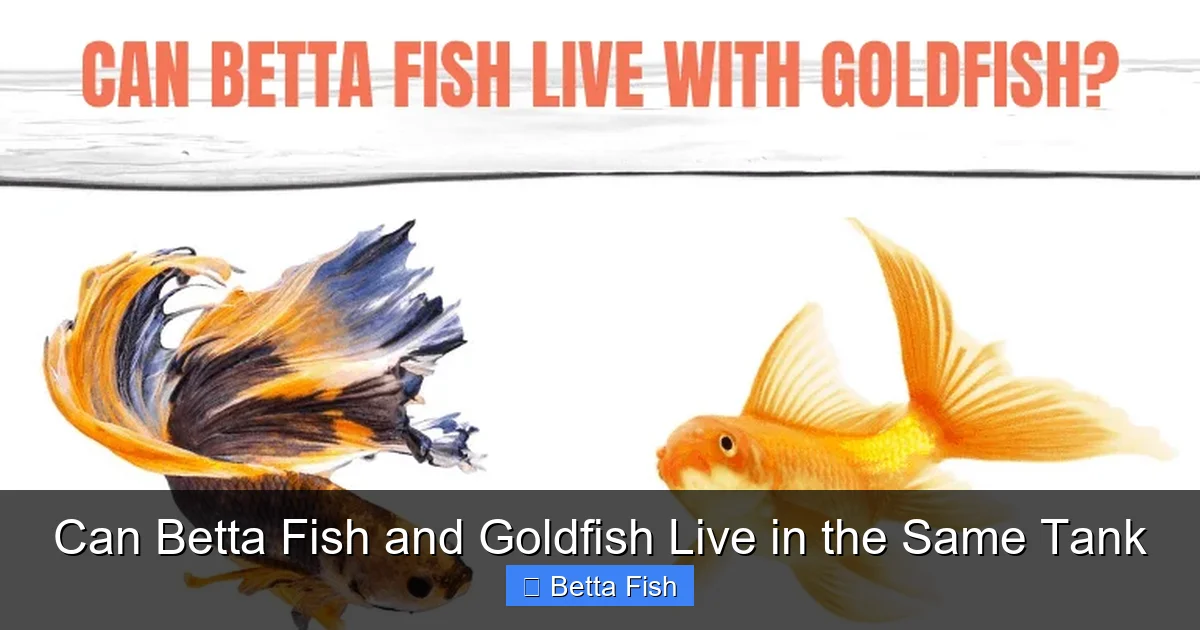
Visual guide about Can Betta Fish and Goldfish Live in the Same Tank
Image source: japanesefightingfish.org
Betta’s delicate environment
Betta tanks are often small (5‑gallon) with minimal filtration. Even a modest increase in ammonia can stress a betta, leading to fin rot or loss of appetite.
Practical example
Imagine a 10‑gallon tank with one betta and one goldfish. The goldfish’s waste would overwhelm the limited filtration, causing ammonia levels to rise within days. The betta would show signs of distress—pale color, clamped fins, and reduced activity.
3. Temperament and Aggression
Betta’s natural aggression
Male bettas are known for flaring their fins and defending territory. Even females can become territorial in cramped spaces.
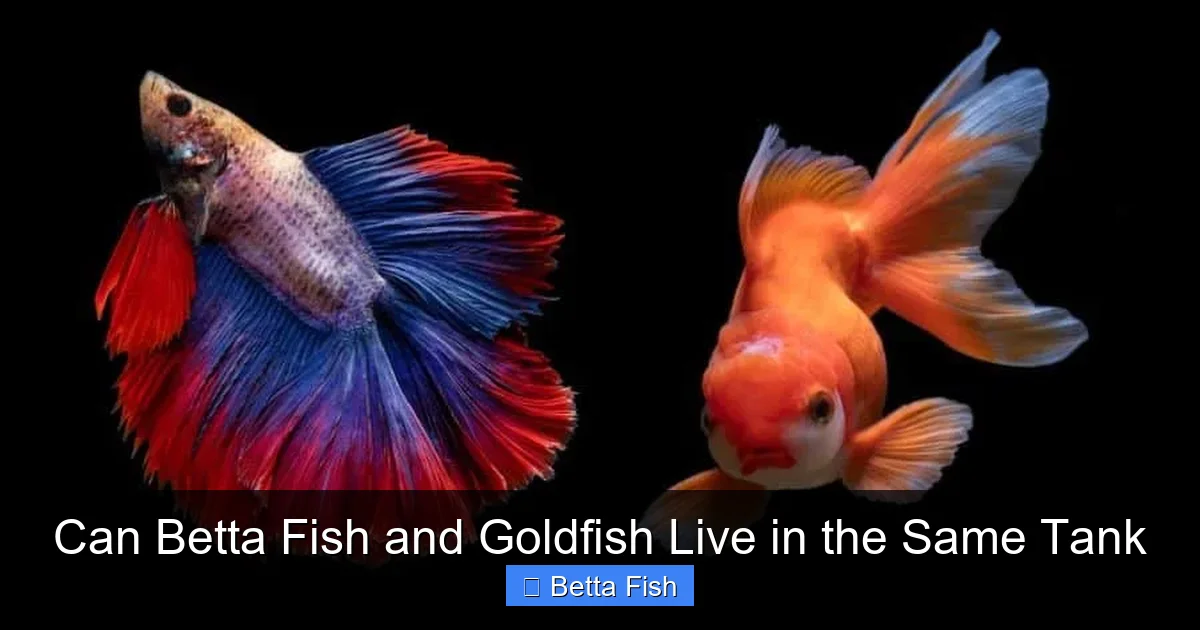
Visual guide about Can Betta Fish and Goldfish Live in the Same Tank
Image source: acaquarium.com
Goldfish behavior
Goldfish are generally peaceful but are active swimmers. Their long, flowing fins can be tempting for a betta to nip, especially if the betta feels crowded.
Real‑world observation
In community tanks where goldfish and bettas have been forced together, owners often report fin nipping, stress‑induced color fading, and occasional death of the betta.
4. Tank Size and Space Requirements
Goldfish space rule
Goldfish need at least 20 gallons for the first fish and an additional 10 gallons for each extra goldfish. Their size can grow to 12‑18 inches, demanding ample room to swim.
Betta space rule
Betta can be comfortable in a 5‑gallon tank with a gentle filter and plants. Anything smaller leads to stunted growth and poor health.
Why combining them fails
Even a 30‑gallon tank, which sounds generous, may still be too small for a goldfish that will grow large, while the betta will feel crowded by the goldfish’s constant movement.
5. Safer Alternatives for a Community Tank
Choose compatible tank mates
If you love a community feel, consider small, non‑nippy fish that share the betta’s temperature range. Neon tetras, cucumberfish, or small rasboras are good options.
Separate tanks, shared equipment
Run two tanks side‑by‑side using the same heater and filter (with separate flow lines). This gives each species the environment it needs without extra cost.
Use a divider
Some hobbyists use a clear acrylic divider in a larger tank, giving each fish its own water column while still sharing the same stand.
Helpful internal links
For more ideas on compatible companions, read Which Fish Can Live With Betta Fish In A Tank. If you’re still curious about mixed species setups, check out Can Betta Fish And Goldfish Live Together for a deeper dive. And for specific goldfish‑betta compatibility questions, see Can A Goldfish Live With A Betta Fish.
6. How to Transition If You Already Have Both
Step‑by‑step separation
- Test water parameters. Ensure ammonia, nitrite, and nitrate are all at zero.
- Set up a quarantine tank. Use a 5‑gallon tank with a heater set to 78°F for the betta.
- Gradually move the goldfish. Transfer the goldfish to a larger, cooler tank (70°F) with strong filtration.
- Observe behavior. Watch both fish for 2‑3 weeks for signs of stress.
- Adjust feeding. Feed betta high‑quality pellets twice daily; give goldfish a varied diet of flakes and veggies.
When to seek professional help
If either fish shows persistent loss of appetite, clamped fins, or cloudy eyes, consult a veterinarian or experienced aquarium store.
Conclusion: Keep Them Separate for Happiness
While the idea of a mixed betta‑goldfish tank is tempting, the scientific facts make it clear: they should not share the same water. Their temperature, waste, and temperament needs are too different to coexist peacefully. By giving each fish its own suitable environment, you’ll enjoy vibrant colors, active swimming, and a longer, healthier life for both.
Remember, a happy aquarium starts with understanding each species’ unique requirements. Choose compatible companions, maintain proper water conditions, and watch your underwater world thrive.
Frequently Asked Questions
Can betta fish and goldfish live in the same tank?
Generally no. Their temperature, water‑parameter, and waste‑production needs are incompatible, leading to stress and health problems.
What temperature should I keep a betta tank at?
Betta fish thrive at 76‑82°F (24‑28°C). A stable temperature within this range keeps their colors bright and reduces aggression.
How much space does a goldfish need?
A single goldfish requires at least 20 gallons of water, with an additional 10 gallons for each extra goldfish.
Can I keep a betta with small community fish?
Yes, peaceful small fish like neon tetras or cucumberfish can share a betta’s tank if the temperature matches and there are plenty of hiding spots.
What are signs that my betta is stressed?
Pale or faded colors, clamped fins, loss of appetite, and excessive hiding are common stress indicators.
Is it possible to use a divider to keep them separate?
A clear acrylic divider can work in a large tank, giving each fish its own water column while sharing the same stand and equipment.