A Nice Betta Fish Setup
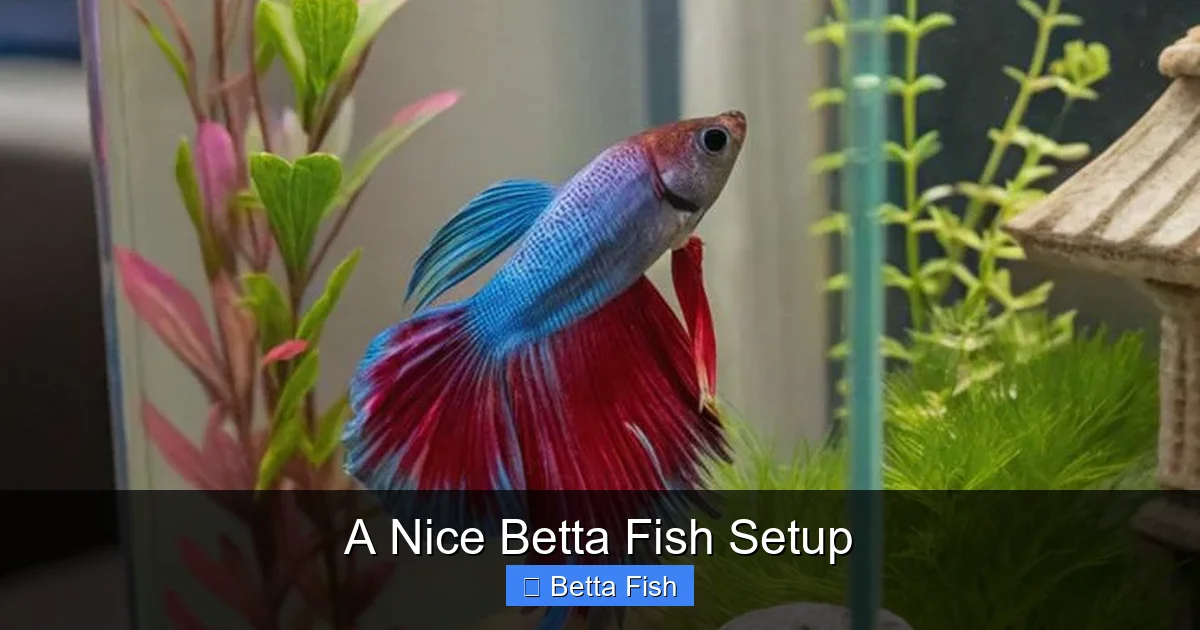
Looking to give your betta a happy home? This guide walks you through every detail of a nice betta fish setup—from tank size and décor to water care and feeding—so you can enjoy a vibrant, stress‑free fish. Start building the perfect environment now and watch your betta thrive!
Key Takeaways
- Tank size matters: A minimum of 5 gallons gives your betta room to swim and stay healthy.
- Water quality is king: Keep temperature steady at 78‑80°F and maintain a regular cleaning schedule.
- Right décor: Use live plants, smooth driftwood, and soft substrate to mimic a natural habitat.
- Gentle filtration: A low‑flow sponge filter provides clean water without stressing the fish.
- Feeding smart: Offer high‑quality pellets and occasional treats, but avoid overfeeding.
- Lighting and day/night cycle: 8‑10 hours of dim LED light supports plant growth and betta health.
- Regular monitoring: Test water parameters weekly and watch for signs of stress or disease.
📑 Table of Contents
- Introduction: Why a Nice Betta Fish Setup Is Worth the Effort
- 1. Choosing the Right Tank Size and Shape
- 2. Setting Up the Water Environment
- 3. Decorating the Tank for Comfort and Beauty
- 4. Lighting, Day/Night Cycle, and Heating
- 5. Feeding and Nutrition
- 6. Maintaining a Healthy Betta Over Time
- Conclusion: Your Betta Deserves the Best
Introduction: Why a Nice Betta Fish Setup Is Worth the Effort
Betta fish are famous for their vivid colors and flamboyant fins, but they’re also surprisingly sensitive to their surroundings. Many beginners think a tiny bowl is enough, yet a well‑planned tank can add years to a betta’s life and showcase its natural beauty. In this article we’ll walk through every element you need for a nice betta fish setup that feels like a miniature rainforest.
Think of this guide as a chat with a friend who already set up a thriving betta tank. We’ll keep the language simple, the steps clear, and the tips practical. By the end, you’ll have a checklist you can follow and the confidence to create a stunning, low‑maintenance home for your fish.
1. Choosing the Right Tank Size and Shape
Why Bigger Is Better
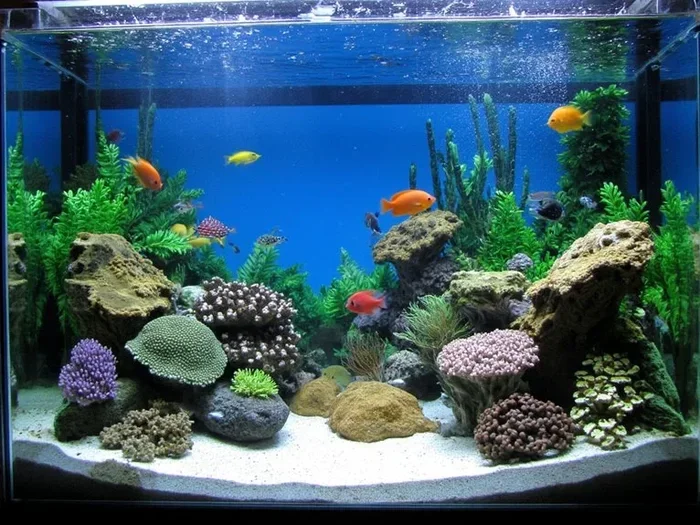
The most common mistake is buying a 1‑gallon bowl. While bettas can survive in small containers, they thrive in at least a 5‑gallon tank. More water means more stable temperature, better oxygen levels, and space for natural behaviors like exploring and building bubble nests.
Visual guide about A Nice Betta Fish Setup
Image source: bettabetta.com
For detailed size recommendations, see our article on what size tank for a betta fish. A rectangular 5‑gallon tank fits most apartments and provides a shallow depth (2‑3 inches) that lets the betta reach the surface easily.
Tank Shape and Placement
A wide, shallow tank works best because bettas are surface feeders. Place the tank on a sturdy stand away from direct sunlight to avoid temperature spikes and algae blooms. Avoid high‑traffic areas where vibrations could stress the fish.
2. Setting Up the Water Environment
Temperature Control
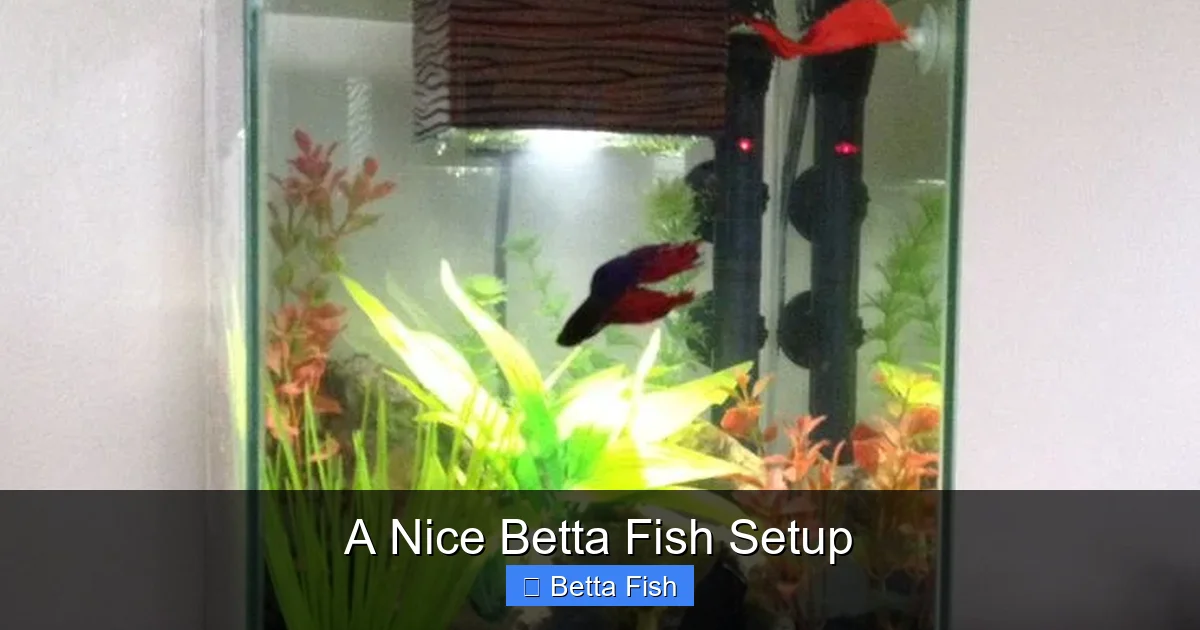
Betta fish are tropical; they need warm water between 78°F and 80°F (25.5°C‑26.5°C). Use an adjustable aquarium heater and a reliable thermometer. For more on temperature specifics, read what temperature should water be for a betta fish.
Visual guide about A Nice Betta Fish Setup
Image source: i.pinimg.com
Filtration and Water Flow
Betas prefer calm water, so choose a low‑flow sponge filter or a hang‑on‑back filter with a gentle spray bar. The filter cleans the water without creating strong currents that can tire the fish.
Water Conditioning and pH
Tap water must be treated with a water conditioner to remove chlorine and chloramines. Aim for a pH of 6.5‑7.5 and a hardness of 3‑4 dGH. Test kits are inexpensive and help you keep parameters stable.
Water Changes
Perform a 25‑30% water change weekly. Use a siphon to remove debris from the substrate, then replace with conditioned water of the same temperature. Consistent water changes prevent nitrate buildup and keep your betta healthy.
3. Decorating the Tank for Comfort and Beauty
Live Plants vs. Silk Plants
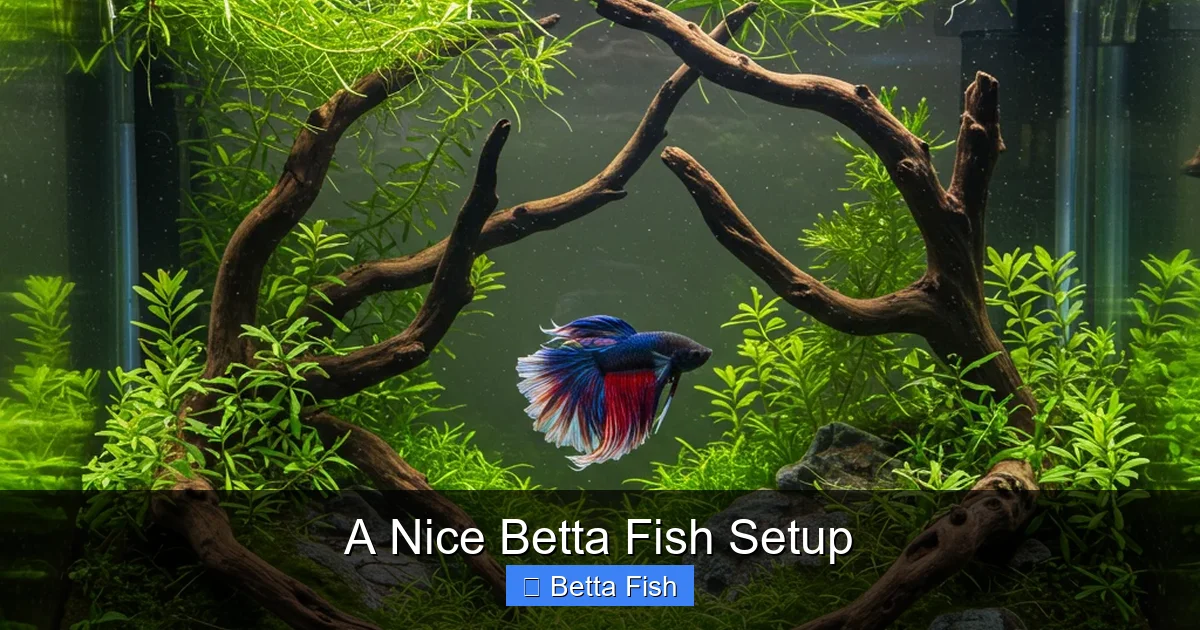
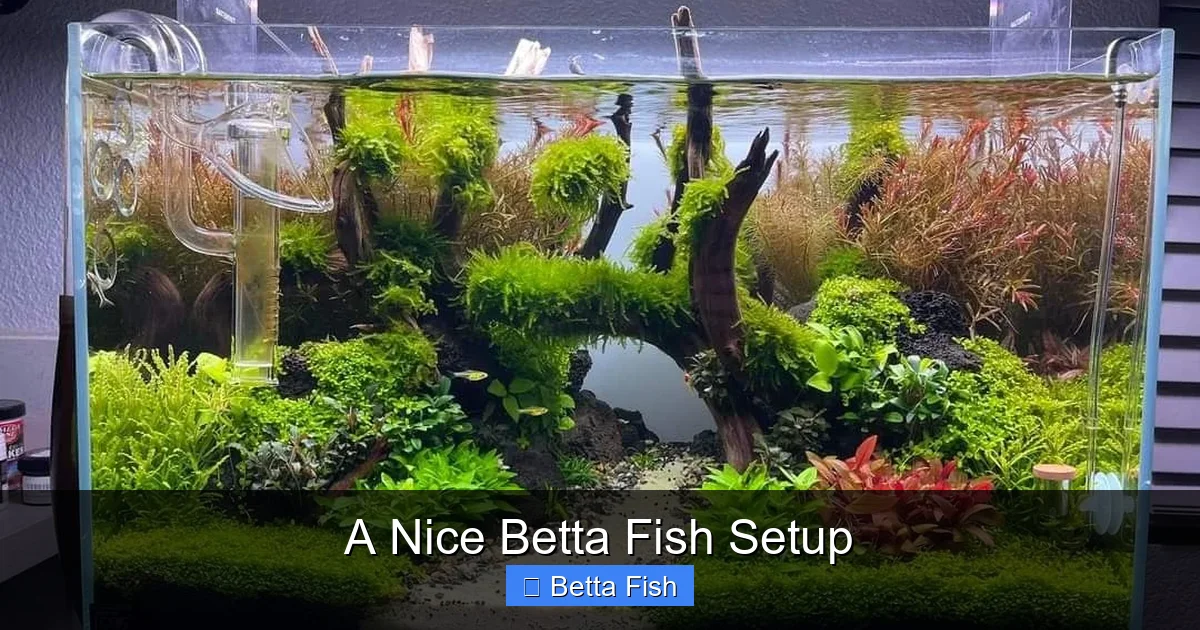
Live plants like Java fern, Anubias, and Marimo moss are ideal because they improve water quality and give the betta hiding spots. If live plants aren’t an option, choose silk or high‑quality plastic plants with smooth leaves—avoid rough plastic that can tear delicate fins.
Visual guide about A Nice Betta Fish Setup
Image source: i.pinimg.com
Substrate Choices
A thin layer (½‑1 inch) of fine sand or smooth gravel works well. Too much substrate can harbor waste, while a bare bottom makes the tank look less natural.
Decoration Tips
- Include a few smooth driftwood or cork pieces for the betta to explore.
- Leave open swimming space; avoid overcrowding with decorations.
- Use a background poster or dark-colored tank walls to make colors pop.
4. Lighting, Day/Night Cycle, and Heating
Choosing the Right Light
A low‑intensity LED fixture (2‑3 watts for a 5‑gallon tank) provides enough light for plants without stressing the fish. Turn the light on for 8‑10 hours per day to simulate a natural day/night rhythm.
Why a Heater Is Non‑Negotiable
Even in a climate‑controlled home, water temperature can drop at night. A reliable heater with an automatic shut‑off protects your betta from sudden chills.
5. Feeding and Nutrition
What to Feed
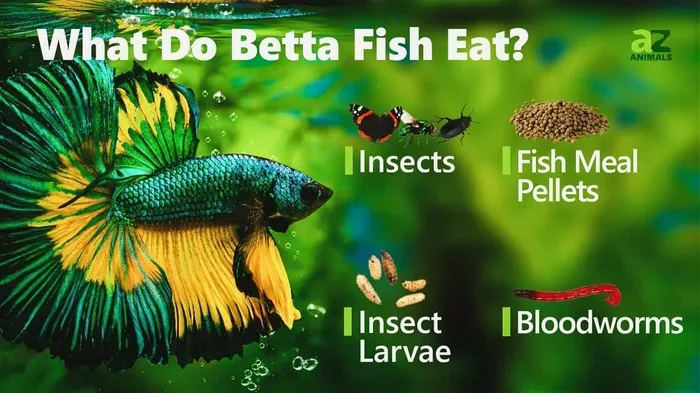
High‑quality betta pellets should be the staple—look for products with at least 40% protein and no filler. Supplement with frozen or live foods like brine shrimp or daphnia 1‑2 times a week for enrichment.
Feeding Schedule
Feed small amounts 2‑3 times daily, only as much as the betta can eat in 2‑3 minutes. Overfeeding leads to cloudy water and health issues.
Common Mistakes
- Giving human food or goldfish flakes (betta nutrition differs).
- Feeding on a strict schedule without adjusting for temperature—cold water slows metabolism.
6. Maintaining a Healthy Betta Over Time
Weekly Monitoring
Test water for ammonia, nitrite, nitrate, and pH. Keep a log so you can spot trends early.
Signs of Stress or Illness
Watch for faded colors, clamped fins, rapid gill movement, or loss of appetite. If you notice any of these, check water parameters first and consider a quarantine tank.
Long‑Term Care
With proper care, a betta can live 3‑5 years, sometimes longer. For more on lifespan, see what is the lifespan of a betta fish.
Conclusion: Your Betta Deserves the Best
Creating a nice betta fish setup doesn’t require a massive budget—just thoughtful planning and regular care. By choosing the right tank size, maintaining stable water conditions, providing natural décor, and feeding wisely, you’ll give your betta a vibrant, stress‑free home that brings joy for years. Start today, follow the steps above, and enjoy watching your beautiful betta flourish.
Frequently Asked Questions
What tank size is truly needed for a betta?
A minimum of 5 gallons is recommended. Larger tanks provide more stable water conditions and allow for natural behaviors.
Do bettas need a heater?
Yes. Betta fish are tropical and thrive at 78‑80°F (25.5‑26.5°C). A reliable aquarium heater keeps the temperature steady.
Can I keep live plants with my betta?
Absolutely. Live plants improve water quality and give the betta places to rest. Java fern, Anubias, and Marimo are great choices.
How often should I change the water?
Replace 25‑30% of the water each week. Use a siphon to remove debris and add conditioned water at the same temperature.
What should I feed my betta?
High‑quality betta pellets should be the main diet, supplemented with occasional frozen or live foods like brine shrimp.
Is a filter necessary for a betta tank?
Yes, a low‑flow sponge or hang‑on‑back filter keeps the water clean without creating strong currents that stress the fish.