A Picture of a Small Vegas Betta Fish
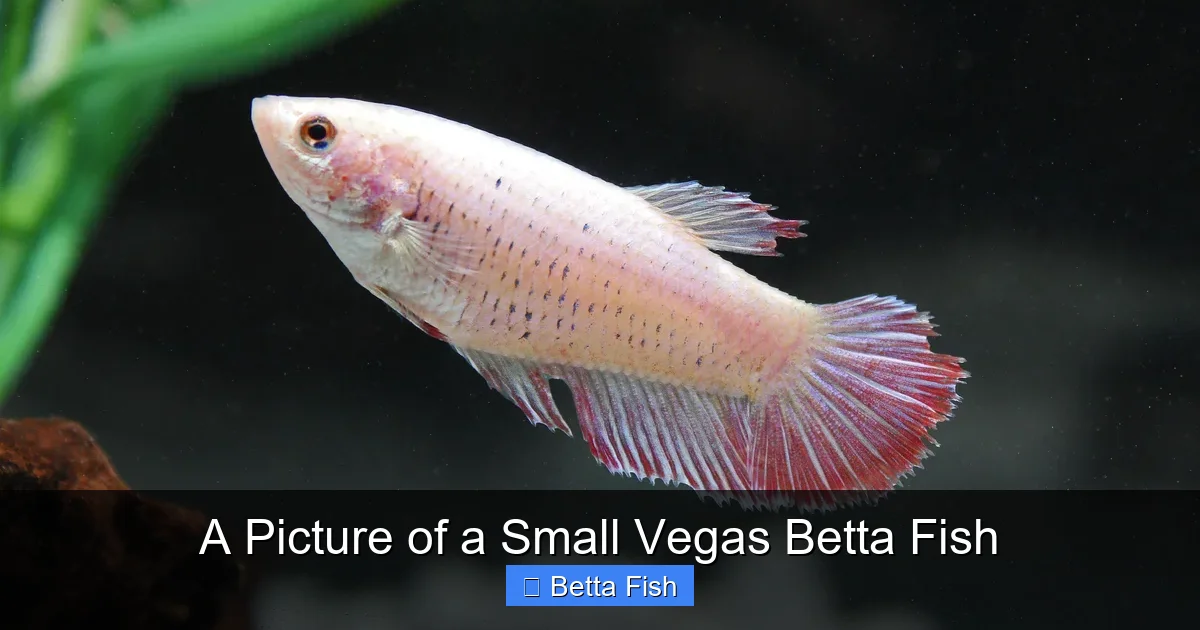
Love bettas? A picture of a small Vegas betta fish captures the dazzling colors and playful personality that make these fish a favorite. Learn how to showcase, care for, and photograph your Vegas betta so it thrives and looks stunning in every shot.
Key Takeaways
- Spot the Vegas traits: Bright, metallic scales and a sleek body set the Vegas betta apart.
- Perfect tank size: Even a “small” betta needs at least a 2‑gallon tank with gentle filtration.
- Lighting matters: Proper lighting brings out the Vegas sparkle for stunning photos.
- Water quality is king: Stable parameters keep your betta healthy and picture‑ready.
- Photography tips: Use natural light, a simple background, and a macro lens for crisp images.
- Longevity tips: Good care can give a small Vegas betta a lifespan of 3‑5 years.
- Friendly community: Share your pictures online and join betta forums for ideas and support.
📑 Table of Contents
- Introduction: Why a Small Vegas Betta Deserves the Spotlight
- Understanding the Small Vegas Betta: What Makes It Unique?
- Setting Up the Perfect Home for Your Small Vegas Betta
- Feeding Your Small Vegas Betta: Nutrition for Color and Health
- Capturing the Beauty: Photography Tips for a Small Vegas Betta Fish
- Health Checklist: Keeping Your Small Vegas Betta in Top Shape
- Sharing Your Picture of a Small Vegas Betta Fish
- Conclusion: Your Journey with a Small Vegas Betta Fish
Introduction: Why a Small Vegas Betta Deserves the Spotlight
Imagine a tiny fish that looks like a living jewel, flashing neon blues, reds, and metallic greens as it darts through crystal‑clear water. That’s the charm of a small Vegas betta fish. The “Vegas” label isn’t about a casino; it’s about the dazzling, almost iridescent coloration that makes these bettas look like they belong on a stage. When you snap a picture of a small Vegas betta fish, you’re capturing a burst of color, personality, and the result of careful husbandry.
In this guide we’ll walk through everything you need to know to keep your small Vegas betta happy, healthy, and photogenic. From tank setup to lighting, water parameters, feeding, and photography tricks, you’ll get a full picture of what it takes to make that perfect shot. Whether you’re a beginner or a seasoned hobbyist, the tips below will help you turn a simple snapshot into a masterpiece.
Understanding the Small Vegas Betta: What Makes It Unique?
Physical Characteristics
A small Vegas betta fish typically measures 1.5‑2 inches when fully grown. Its most striking feature is the metallic sheen that covers the scales, giving the fish a reflective, almost holographic look. The colors can range from electric blues and purples to fiery reds and golds, often shifting slightly as the fish moves.
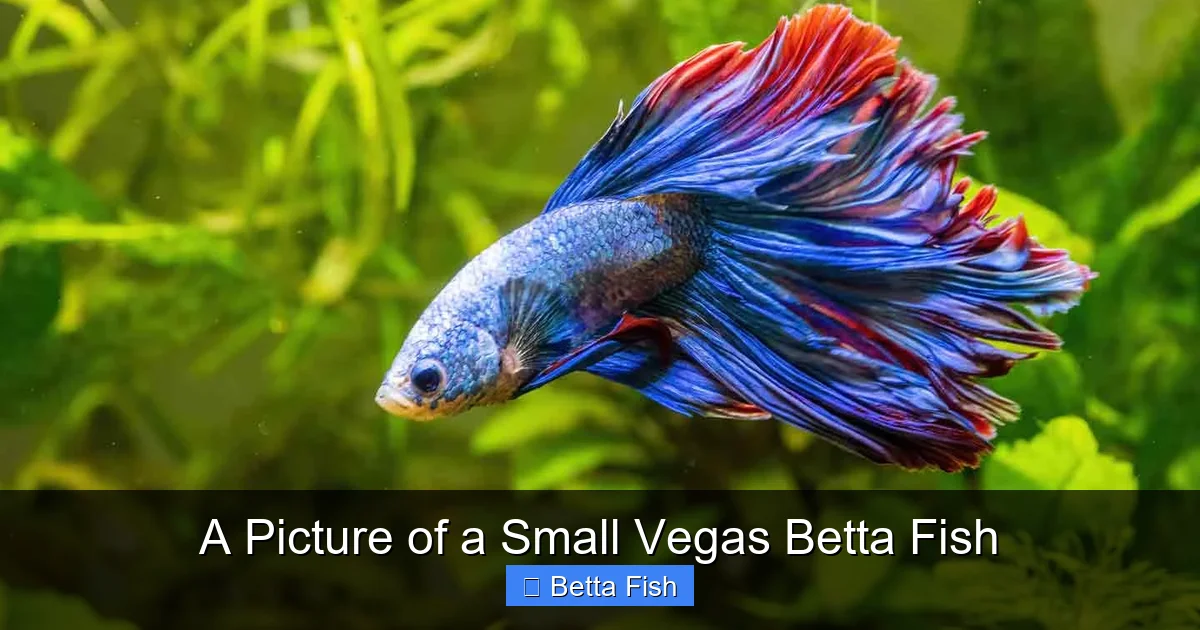
Visual guide about A Picture of a Small Vegas Betta Fish
Image source: media-be.chewy.com
Behavior and Personality
Vegas bettas are known for their curious, active nature. They love to explore their environment, flare their fins when excited, and interact with their owners. This lively demeanor makes them perfect subjects for photography—just be patient and let their natural curiosity guide the camera.
Why “Small” Matters
While many bettas grow to about 2.5 inches, a small Vegas betta stays on the petite side, which is great for limited spaces. However, “small” does **not** mean you can skimp on care. Even a tiny betta needs a proper tank, clean water, and the right diet to thrive and look its best in photos.
Setting Up the Perfect Home for Your Small Vegas Betta
Choosing the Right Tank Size
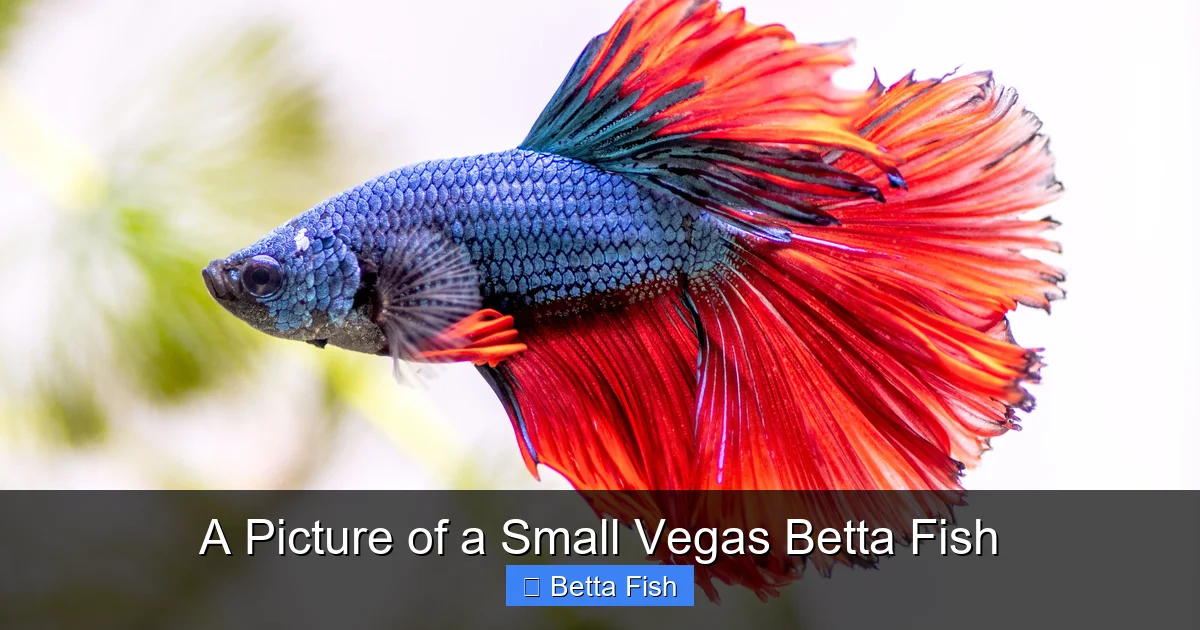
Contrary to popular myth, a betta should **not** live in a tiny bowl. A 2‑gallon tank is the minimum for a small Vegas betta fish. This provides enough space for swimming and helps maintain stable water parameters. If you have room, a 5‑gallon tank with a gentle filter offers even better stability.
Visual guide about A Picture of a Small Vegas Betta Fish
Image source: thesprucepets.com
How Big Of A Tank For Betta Fish explains why larger volumes are healthier for bettas, especially those with vibrant colors that can be stressed by poor water quality.
Water Parameters: The Foundation of a Healthy Betta
- Temperature: Keep water between 76‑82°F (24‑28°C). A reliable heater is essential.
- pH: Aim for 6.5‑7.5. Slightly acidic to neutral water mimics their natural habitat.
- Hardness: Soft to moderately hard water (3‑8 dGH) works well.
- Ammonia/Nitrite: Both must be zero. Regular water changes keep these toxins at bay.
Using a test kit and performing weekly water changes (about 25% of the tank) will keep the environment stable and your betta picture‑ready.
Decor and Hiding Spots
Vegas bettas love structure. Add a few live plants like Java fern or Anubias, plus smooth driftwood or a small cave. These provide resting places and reduce stress, which translates to brighter colors in photos.
Filtration and Aeration
A gentle sponge filter works wonders. It provides biological filtration without creating a strong current that could tire a small betta. Remember to adjust the flow so the water is calm – a calm surface makes for clearer photos.
Feeding Your Small Vegas Betta: Nutrition for Color and Health
What to Feed
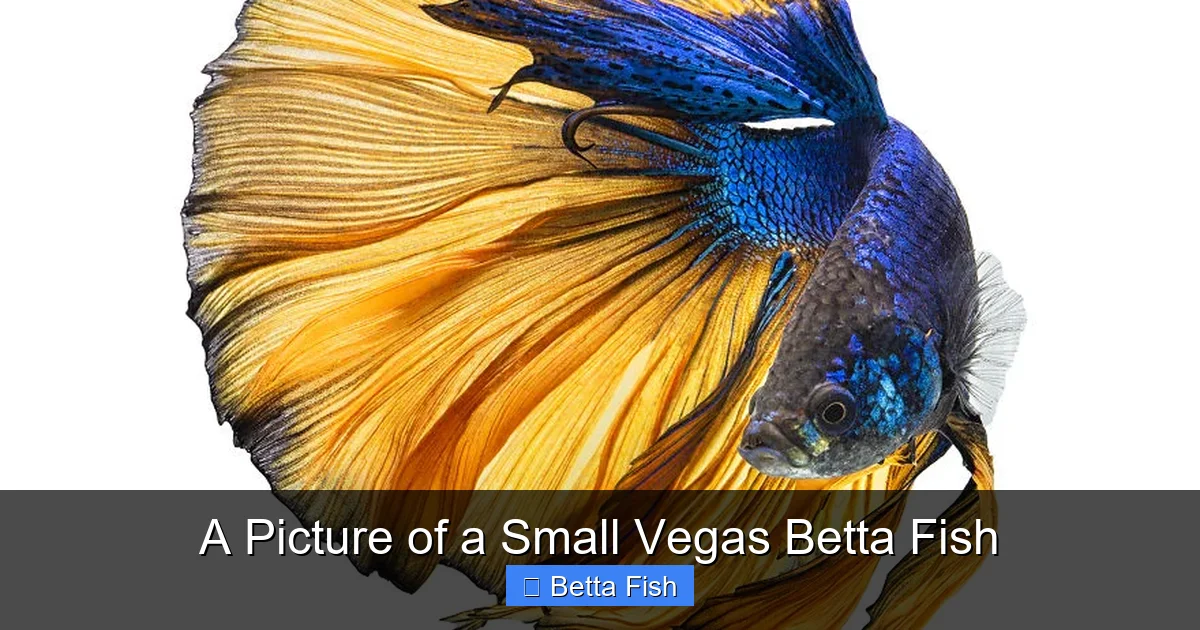
High‑quality betta pellets should make up the bulk of the diet. Look for pellets that contain real protein (e.g., fish or insect meal) and natural color enhancers like spirulina or astaxanthin.
Visual guide about A Picture of a Small Vegas Betta Fish
Image source: ev36.com
Supplement with occasional treats:
- Live or frozen bloodworms (once or twice a week).
- Brine shrimp for a protein boost.
- Peas (shelled) for fiber and digestive health.
Feeding Frequency
Feed a small betta twice daily, offering only what it can eat in 2‑3 minutes. Overfeeding leads to cloudy water and health issues, which will ruin that perfect picture.
For more detailed feeding advice, see How To Take Care Of A Betta Fish For Beginners.
Capturing the Beauty: Photography Tips for a Small Vegas Betta Fish
Lighting Is Everything
Natural daylight from a north‑facing window provides soft, even illumination. Avoid direct sunlight, which can cause glare and stress the fish. If natural light isn’t available, use a low‑intensity LED aquarium light set to a neutral white (around 5000K).
Background and Composition
Use a simple, dark background (like a black poster board) placed behind the tank. This contrast makes the metallic scales pop. Position the camera at a low angle, close to the water surface, to reduce distortion.
Camera Settings
- Lens: A macro lens (50‑100mm) captures fine details.
- Aperture: f/5.6‑f/8 for enough depth of field.
- Shutter Speed: 1/125 sec or faster to freeze movement.
- ISO: Keep low (100‑200) to avoid grain.
Patience and Timing
Betta fish are active, but they also have moments of stillness when they rest near a leaf or hide. Watch for these calm periods and be ready to snap. Using a remote trigger can help you capture the perfect moment without startling the fish.
Health Checklist: Keeping Your Small Vegas Betta in Top Shape
Regular Observations
Check your betta daily for these signs of health:
- Bright, intact fins (no ragged edges).
- Active swimming and occasional surface breathing.
- Clear eyes and normal appetite.
Common Problems and Solutions
If you notice faded colors, loss of appetite, or erratic swimming, test the water immediately. High ammonia or nitrite levels are often the culprit. Perform a partial water change and consider adding a water conditioner.
For a deeper dive into sudden deaths, read Why Did My Betta Fish Die All Of A Sudden.
Longevity and Life Expectancy
With proper care, a small Vegas betta fish can live 3‑5 years, sometimes longer. Consistent water maintenance, a balanced diet, and a stress‑free environment are the keys.
Learn more about betta lifespans at What Is The Lifespan Of A Betta Fish.
Sharing Your Picture of a Small Vegas Betta Fish
Social Media and Communities
Betta enthusiasts love to share photos on Instagram, Reddit, and specialized forums. Use hashtags like #VegasBetta, #BettaPhotography, and #SmallBetta to reach a wider audience.
Printing and Display
If you want a physical keepsake, print your best shot on matte photo paper and frame it. A small, well‑lit aquarium photo looks great on a desk or wall.
Ethical Considerations
Never stress your fish for a photo. If the betta shows signs of agitation, give it a break. A calm, healthy fish will always produce a better picture.
Conclusion: Your Journey with a Small Vegas Betta Fish
A picture of a small Vegas betta fish is more than a pretty image; it’s a snapshot of careful care, proper environment, and a bond between owner and fish. By setting up the right tank, maintaining pristine water, feeding a balanced diet, and using simple photography tricks, you’ll capture the vibrant spirit of your betta for years to come. Remember, the health of your betta is the foundation of every great photo—so keep the water clean, the temperature steady, and the lights just right. Happy fish‑keeping, and enjoy those dazzling, picture‑perfect moments!
Frequently Asked Questions
What size tank is best for a small Vegas betta fish?
A minimum of 2 gallons is recommended, but a 5‑gallon tank with gentle filtration provides more stable water conditions and room for decoration.
How often should I change the water for my Vegas betta?
Change about 25% of the water weekly, or perform a 50% change if you notice cloudiness or a spike in ammonia.
Can I keep a small Vegas betta in a bowl?
While a bowl may look cute, it doesn’t provide adequate filtration or temperature control. For the health of your betta, use a proper tank. See Can You Keep Betta Fish In A Small Bowl for details.
What lighting helps bring out the Vegas colors?
Soft white LED lighting (around 5000K) or natural daylight from a shaded window highlights the metallic scales without stressing the fish.
How can I tell if my betta is male or female?
Male bettas have longer, flowing fins and a more vibrant coloration, while females have shorter fins and may display a slight “egg spot” near the vent. For a full guide, read How To Tell The Gender Of A Betta Fish.
What should I feed my small Vegas betta to keep its colors bright?
High‑quality betta pellets enriched with natural colorants, supplemented with occasional bloodworms or brine shrimp, will maintain vivid coloration and overall health.