Betta fish can eat tropical fish flakes, but only if you choose high‑quality, protein‑rich options and feed them sparingly. Mixing flakes with live or frozen foods gives a balanced diet that keeps your Betta vibrant and healthy.
Key Takeaways
- Flakes are acceptable: Betta fish can safely consume tropical fish flakes when the flakes are protein‑focused.
- Read the label: Look for flakes that list animal protein as the first ingredient.
- Supplement is key: Combine flakes with live, frozen, or freeze‑dried foods for optimal nutrition.
- Portion control matters: Over‑feeding flakes can cause digestive issues and water quality problems.
- Watch for signs: Poor appetite, bloating, or cloudy water may indicate the flakes aren’t right for your Betta.
- Storage counts: Keep flakes in a cool, dry place to preserve nutrients.
- Regular checks: Test water and observe behavior after each feeding to ensure your Betta stays healthy.
📑 Table of Contents
- Introduction: Why the Question Matters
- 1. Understanding a Betta’s Natural Diet
- 2. What Are Tropical Fish Flakes?
- 3. Pros and Cons of Feeding Flakes to Betta Fish
- 4. How to Safely Incorporate Flakes into a Betta’s Diet
- 5. Best Complementary Foods for a Balanced Diet
- 6. Common Mistakes and How to Avoid Them
- 7. Frequently Asked Questions (Quick Answers)
- Conclusion: Make an Informed Choice
Introduction: Why the Question Matters
Every new Betta owner asks, “Can betta eat tropical fish flakes?” The answer isn’t a simple yes or no. Betta fish are carnivorous predators that thrive on protein‑rich meals. Many pet stores sell generic tropical flakes that look convenient, but not all of them meet a Betta’s dietary needs.
In this article we’ll break down the science, share practical feeding tips, and help you decide whether tropical flakes belong in your Betta’s bowl. Think of it as a friendly chat over coffee—no jargon, just clear advice you can use today.
1. Understanding a Betta’s Natural Diet
What Betta Ancestors Ate
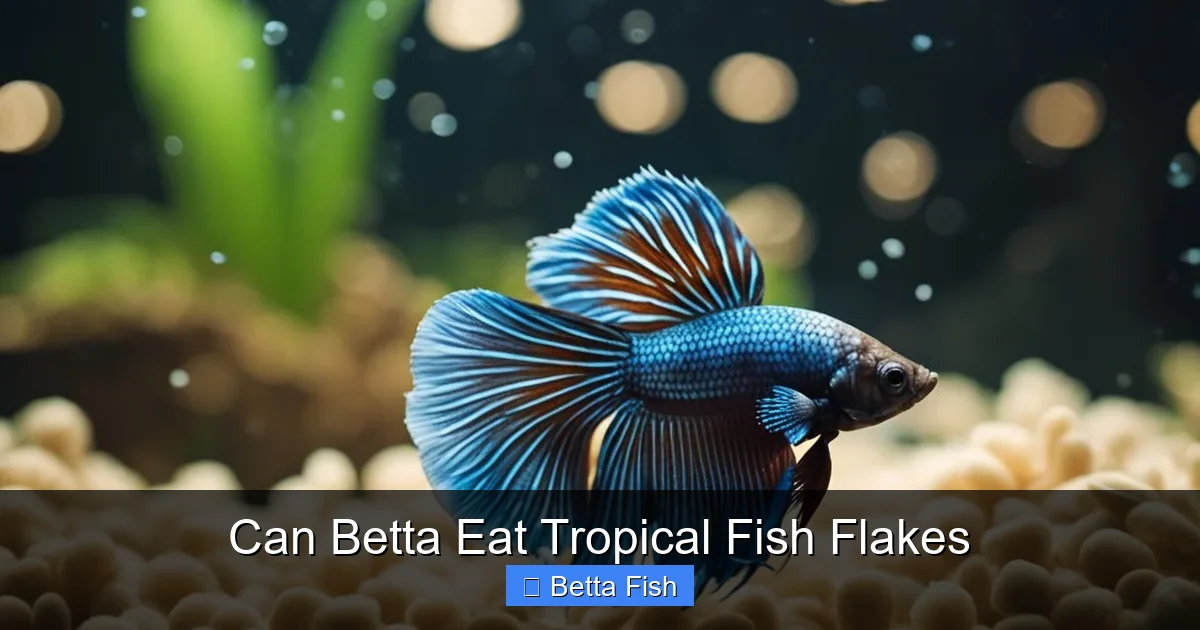
Wild Siamese fighting fish (Betta splendens) lived in shallow rice paddies and slow‑moving streams of Thailand. Their menu consisted of tiny insects, mosquito larvae, and small crustaceans. In other words—high‑protein prey.
Visual guide about Can Betta Eat Tropical Fish Flakes
Image source: lh7-us.googleusercontent.com
Key Nutrient Requirements
- Protein: 30‑40% of the diet should be animal protein.
- Fats: Essential for energy and vibrant colors.
- Vitamins & Minerals: Especially A, D, and calcium for healthy fins and eyesight.
When you ask “can betta eat tropical fish flakes,” the answer hinges on whether those flakes can deliver these nutrients.
2. What Are Tropical Fish Flakes?
Typical Ingredients
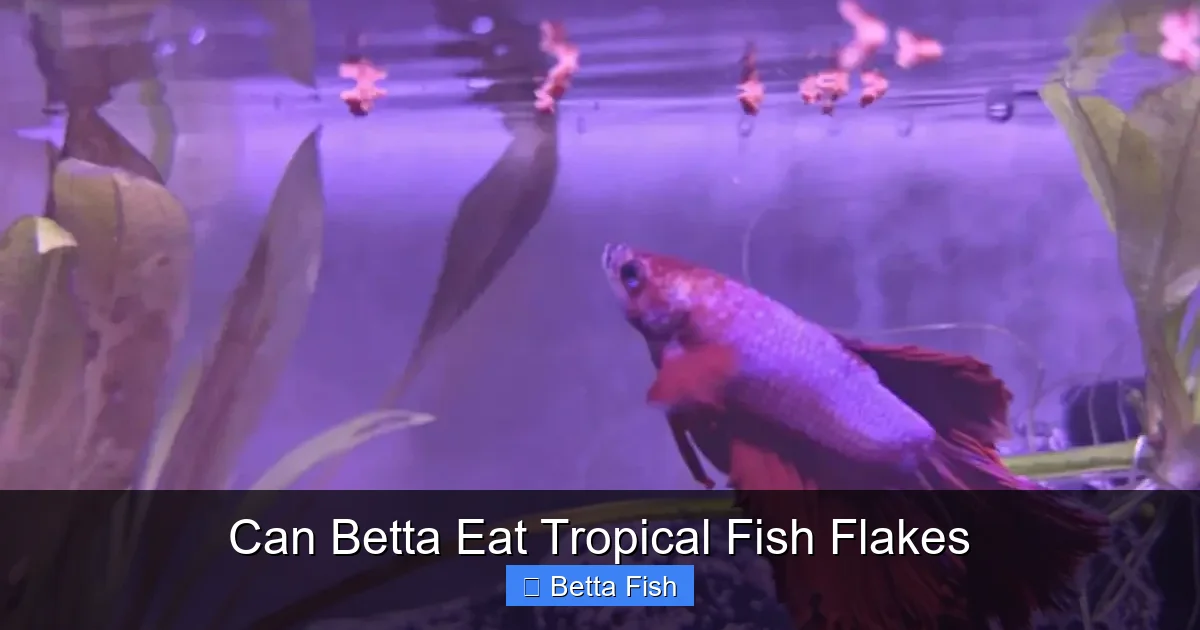
Most tropical flakes contain a blend of plant proteins (soy, wheat) and animal proteins (fish meal, shrimp meal). The quality varies widely:
Visual guide about Can Betta Eat Tropical Fish Flakes
Image source: efishkeeping.com
- High‑quality flakes: Fish meal listed first, few fillers, added vitamins.
- Low‑quality flakes: Primarily plant protein, heavy binders, low protein content.
Reading Labels Like a Pro
Look for these clues:
- “Fish meal” or “shrimp meal” as the first ingredient.
- Protein content ≥ 30%.
- No artificial colorants or excessive fillers.
If the label reads “vegetable protein” first, the flakes are probably not ideal for a Betta.
3. Pros and Cons of Feeding Flakes to Betta Fish
Pros
- Convenient: Easy to store and dispense.
- Cost‑effective: Generally cheaper than frozen or live foods.
- Variety: Some brands add spirulina, krill, or algae for extra nutrients.
Cons
- Lower protein density: Many flakes fall short of the 30% protein target.
- Digestive issues: Over‑reliance on flakes can cause constipation or bloating.
- Water quality impact: Uneaten flakes break down, raising ammonia.
4. How to Safely Incorporate Flakes into a Betta’s Diet
Step‑by‑Step Feeding Routine
- Choose the right flakes: Pick a brand with ≥30% animal protein.
- Test a small amount: Offer a pinch (about the size of a pea) once a day.
- Observe: Watch for eagerness to eat and no leftover after 5 minutes.
- Mix with live/frozen foods: Add a small portion of brine shrimp or daphnia to the same feeding.
- Adjust frequency: Feed 2‑3 times per week with flakes; use live/frozen foods on other days.
Portion Sizes
A Betta’s stomach is roughly the size of its eye. A good rule of thumb is “a pinch per feeding.” Over‑feeding leads to cloudy water and health problems.

Visual guide about Can Betta Eat Tropical Fish Flakes
Image source: bettacarefishguide.com
Storage Tips
Keep flakes in an airtight container, away from humidity and direct sunlight. This preserves the vitamins and prevents mold.
5. Best Complementary Foods for a Balanced Diet
Live Foods
- Brine shrimp (nauplii)
- Microworms
- Daphnia
Frozen Foods
- Bloodworms
- Krill
- Silversides
Freeze‑Dried Options
These are a middle ground—more nutrient‑dense than flakes but easier to store than live foods. Brands that offer freeze‑dried bloodworms or brine shrimp are excellent choices.
6. Common Mistakes and How to Avoid Them
Relying Solely on Flakes
Betta fish need a high‑protein diet. Feeding only flakes can lead to dull coloration and weakened fins. Mix in at least one protein‑rich food each day.
Feeding Too Much at Once
Because Betta have tiny stomachs, large portions sit in the gut and ferment, causing constipation. Stick to the pinch rule.
Ignoring Water Quality
Uneaten flakes decompose quickly, raising ammonia. Perform regular water changes (25% weekly) and keep an eye on the test kit.
7. Frequently Asked Questions (Quick Answers)
Can betta eat tropical fish flakes every day?
Not recommended. Use flakes 2‑3 times a week and supplement with live or frozen foods for a balanced diet.
Are there any flakes that are specifically made for bettas?
Yes, some brands market “Betta‑specific” flakes that contain higher animal protein and added color enhancers.
What should I do if my betta refuses to eat flakes?
Try offering a tiny amount mixed with a favorite live food. If the refusal continues, the flakes may not be suitable.
Will feeding flakes cause my betta to become bloated?
Over‑feeding any dry food can cause bloating. Stick to small portions and remove uneaten food promptly.
Is it safe to feed my betta the same flakes I use for guppies?
Only if the guppy flakes list animal protein first and meet the 30% protein threshold. Otherwise, choose a betta‑focused product.
Can I use the same flakes for both my betta and other tropical fish?
Yes, as long as the flakes meet the nutritional needs of each species. Betta‑specific flakes work for many small tropical fish, but always check the label.
Conclusion: Make an Informed Choice
So, can betta eat tropical fish flakes? The short answer is yes—if the flakes are high in animal protein and used correctly. The long answer is that flakes should be a supplemental part of a varied diet that includes live, frozen, or freeze‑dried foods.
By reading labels, controlling portions, and monitoring water quality, you can safely incorporate flakes into your Betta’s meals. Your fish will thank you with brighter colors, active swimming, and healthy fins.
Ready to dive deeper? Check out our detailed guide on Can Betta Fish Eat Tropical Flakes for brand recommendations, and explore What Can Betta Fish Eat for a full list of safe foods. For a quick comparison of popular flake brands, see Can You Feed Betta Fish Tetramin Tropical Flakes.
Frequently Asked Questions
Can betta fish survive on flakes alone?
No. While flakes can provide some nutrition, Betta fish need a higher protein intake than most generic flakes supply. Supplement with live or frozen foods.
How often should I feed my betta flakes?
Two to three times a week is ideal. On other days, offer brine shrimp, daphnia, or frozen bloodworms.
What signs show my betta doesn’t like the flakes?
If the flakes sit untouched for more than five minutes, or if your Betta shows reduced activity and dull colors, the flakes may not be suitable.
Do tropical flakes affect water parameters?
Yes. Uneaten flakes decompose, raising ammonia and nitrite levels. Remove leftovers promptly and perform regular water changes.
Is there a difference between betta flakes and goldfish flakes?
Betta flakes usually contain more animal protein and fewer fillers. Goldfish flakes are higher in plant matter and lower in protein, making them less suitable for Betta.
Can I store opened flakes for months?
Store them in an airtight container in a cool, dry place. If they develop a sour smell or clump together, discard them.

