How Big of Tank for a Betta Fish

Choosing the right tank size is one of the most important decisions for how big of tank for a betta fish. A 5-gallon tank is the minimum recommended size, but a 10-gallon tank offers far more room for your betta to thrive. This guide covers everything you need to know about betta fish tank size, from minimum requirements to setup tips and common mistakes to avoid.
When it comes to keeping a betta fish, one of the first questions every new owner asks is: how big of tank for a betta fish? The answer might surprise you. Many people still believe bettas thrive in tiny bowls or vases. That myth could not be further from the truth.
A betta fish may look like a simple pet, but it needs proper space to stay healthy and active. The tank size you choose directly affects your fish’s lifespan, mood, and overall well-being. In this guide, we will walk you through everything you need to know about betta fish tank size, from the minimum requirements to the best setups you can create at home.
Whether you are a complete beginner or an experienced fish keeper, understanding how big of tank for a betta fish is essential. Let us dive right in and break it all down.
Key Takeaways
- Minimum Tank Size: A 5-gallon tank is the absolute minimum for a single betta fish, but bigger is always better.
- Why Size Matters: A larger tank provides stable water parameters, more swimming space, and reduces stress for your betta.
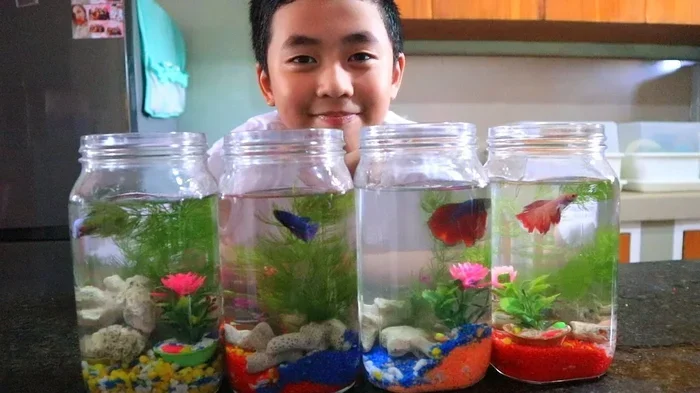
- Avoid Tiny Bowls: Bowls smaller than 2.5 gallons are harmful and do not support a healthy betta fish habitat.
- Setup Requirements: A proper betta fish tank setup includes a filter, heater, and gentle water flow.
- Tank Shape: Wider tanks offer more surface area for oxygen exchange, which benefits your betta’s health.
- Long-Term Commitment: Investing in the right tank size upfront saves money and effort on water changes and maintenance.
📑 Table of Contents
Why Tank Size Matters for Your Betta Fish
Many new fish owners underestimate the importance of tank size. They think a small cup or bowl is enough because bettas are sold in tiny containers at pet stores. But those containers are temporary holding spaces, not homes. Your betta deserves a real habitat.
A larger tank provides several critical benefits:
- Stable Water Parameters: More water dilutes toxins like ammonia and nitrite. In a small bowl, these harmful substances build up quickly and can make your fish very sick.
- More Swimming Space: Bettas are active swimmers. They enjoy exploring their environment. A cramped space can lead to stress and boredom.
- Better Oxygen Exchange: Wider tanks have more surface area. This allows more oxygen to dissolve into the water, which is vital for your betta’s breathing.
- Easier Maintenance: Larger tanks are more forgiving. Small water changes have less impact on the overall water chemistry, making your routine simpler.
- Room for Enrichment: A bigger tank gives you space to add plants, caves, and other decorations that make your betta feel safe and stimulated.
Think of it this way. Would you want to live in a closet your entire life? Your betta feels the same way about a tiny bowl. Giving it a proper betta fish tank is one of the best things you can do as a pet owner.
The Minimum Tank Size for a Betta Fish
The absolute minimum tank size for a single betta fish is 5 gallons. This is widely accepted by aquarium experts and veterinarians. A 5-gallon tank gives your betta enough room to swim and helps maintain stable water conditions.
However, 5 gallons should be considered the floor, not the goal. If you have the space, a 10-gallon tank is even better. It provides significantly more stability and allows for a more interesting setup. Here is a quick comparison:
| Tank Size | Suitable for Betta? | Pros | Cons |
|---|---|---|---|
| 1-3 Gallons | No | Very cheap, takes up little space | Unstable water, high stress, short lifespan |
| 5 Gallons | Yes (Minimum) | Stable enough for one betta, easy to manage | Limited swimming space, less room for décor |
| 10 Gallons | Ideal | Great water stability, room for plants and décor | Slightly more expensive, needs more space |
| 20 Gallons | Excellent | Excellent stability, can house tank mates | Requires more equipment and space |
As you can see, going bigger almost always has more benefits than drawbacks. If you are serious about betta fish care, aim for at least a 5-gallon tank and consider upgrading to 10 gallons if possible.
Common Mistakes About Betta Fish Tank Size
There are many misconceptions about how big of tank for a betta fish. Let us clear up the most common mistakes so you do not fall into the same traps.
Mistake 1: Keeping Your Betta in a Tiny Bowl
This is the number one mistake. Many people buy a betta and place it in a small bowl with no filter or heater. While your betta might survive for a while in a bowl, it will not thrive. Bowls smaller than 2.5 gallons cause rapid spikes in ammonia and nitrite levels. These spikes damage your fish’s fins, organs, and immune system over time.
If you currently have your betta in a bowl, consider upgrading to a proper betta fish habitat. Even a simple 5-gallon tank with a basic filter and heater will make a world of difference.
Mistake 2: Believing Bettas Do Not Need a Heater
Some people think bettas can live in unheated water because they are tropical fish that can survive in cold conditions. This is a dangerous myth. Bettas need warm water between 76 and 82 degrees Fahrenheit to stay healthy. Without a heater, your fish may become sluggish, lose its appetite, and develop diseases more easily.
Mistake 3: Thinking a Bigger Tank Is Too Hard to Maintain
Some beginners avoid larger tanks because they fear maintenance. In reality, larger tanks are easier to manage. A 10-gallon tank has more stable water chemistry, which means fewer drastic changes and less frequent water testing. Small tanks, on the other hand, require very frequent water changes and close monitoring.
If you want to learn more about maintaining your setup, check out our guide on how to set up a fish tank for betta fish.
How to Choose the Right Tank for Your Betta
Choosing the right betta fish tank involves more than just picking a size. You also need to consider the shape, material, and features. Here are the key factors to keep in mind.
Tank Shape and Dimensions
Betta fish prefer tanks that are wider than they are tall. This gives them more horizontal swimming space. Bettas are labyrinth fish, which means they breathe air from the surface. A wider tank provides more surface area for oxygen exchange.
Avoid tall, narrow tanks. They limit your betta’s movement and reduce the surface area for gas exchange. A standard 10-gallon aquarium with dimensions around 20 inches long and 10 inches wide is an excellent choice.
Material: Glass vs. Acrylic
Glass tanks are more scratch-resistant and affordable. They are the standard choice for most betta fish owners. Acrylic tanks are lighter and offer better clarity, but they scratch more easily and cost more.
For most people, a glass tank is the best option. It is durable, budget-friendly, and available in a wide range of sizes.
Essential Equipment for Your Tank
No matter what size tank you choose, you need a few key pieces of equipment:
- Filter: A gentle sponge filter works best for bettas. Strong filters create too much water flow, which stresses your fish.
- Heater: A small adjustable heater keeps the water in the ideal temperature range of 76 to 82 degrees Fahrenheit.
- Thermometer: A simple stick-on thermometer helps you monitor the water temperature daily.
- Lighting: Standard aquarium LED lights work fine. Avoid very bright lights, as they can stress your betta.
- Substrate: Fine gravel or sand works well. Avoid rough substrates that could damage your betta’s delicate fins.
If you are new to aquarium keeping, setting up a tank can feel overwhelming at first. That is why we recommend starting with a simple 5 or 10-gallon kit that includes most of these items. For step-by-step guidance, our article on how to cycle a fish tank for betta will walk you through the entire process.
How Big of Tank for a Betta Fish: The Ideal Setup
Now that you know the right size, let us talk about creating the ideal betta fish tank setup. A proper setup goes beyond just the tank size. It includes the right décor, plants, and water conditions.
Adding Plants and Hiding Spots
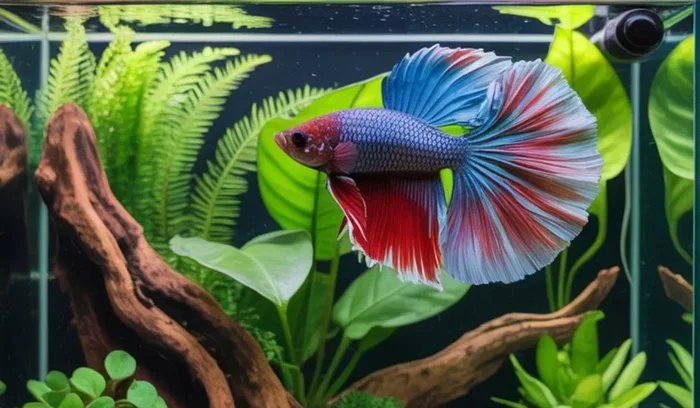
Bettas love places to hide and explore. Live plants like java fern, anubias, and amazon sword provide natural cover and help keep the water clean. Fake plants also work, but make sure they have soft leaves. Rough plastic plants can tear your betta’s delicate fins.
Add caves, driftwood, or coconut hides to give your fish a sense of security. These hiding spots reduce stress and make your betta feel at home.
Water Conditions to Monitor
Keeping the right water conditions is just as important as choosing the right tank size. Here are the key parameters to watch:
- Temperature: 76 to 82 degrees Fahrenheit
- pH Level: 6.5 to 7.5
- Ammonia: 0 ppm
- Nitrite: 0 ppm
- Nitrate: Below 20 ppm
Regular water testing and partial water changes are essential for maintaining these parameters. Aim for a 25 percent water change every week. This keeps the water fresh without disrupting the beneficial bacteria in your tank.
For more details on water care, read our article on how to care for a betta fish 101.
Can You Keep More Than One Betta in a Tank?
Male bettas are highly territorial and should never be housed together. Keeping two male bettas in the same tank will lead to fighting and serious injury. Even housing a male and female betta together requires a very large tank with plenty of dividers and hiding spots.
The safest approach is to keep one betta per tank. If you want to add tank mates, choose peaceful species that do not nip at betta fins. Small shrimp, snails, and certain peaceful community fish can work well in a 10-gallon tank or larger.
For more information on compatible tank mates, check out our guide on what is a good tank mate for a betta fish.
Quick Tips for Betta Fish Tank Success
Here are some quick tips to help you get the most out of your betta fish tank:
- Always cycle your tank before adding your betta. This establishes beneficial bacteria that keep the water safe.
- Do not place the tank in direct sunlight. It causes algae blooms and temperature swings.
- Use a tank lid. Bettas are known to jump, and a lid prevents escapes.
- Clean the tank regularly but avoid replacing all the water at once. This removes beneficial bacteria.
- Observe your betta daily. Early detection of changes in behavior or appearance helps you address problems quickly.
- Invest in a 10-gallon tank or larger if you can. Your betta will live a longer, happier life.
Conclusion
Choosing the right tank size for your betta fish is one of the most impactful decisions you will make as a fish owner. The minimum tank size should be 5 gallons, but a 10-gallon tank offers far better conditions for your fish to thrive. Avoid tiny bowls, invest in proper equipment, and create a setup that mimics your betta’s natural habitat.
Remember, a happy betta is a healthy betta. By giving your fish the right living space, proper water conditions, and a stimulating environment, you set the stage for a long and rewarding companionship. Start with the right tank size, follow the setup tips in this guide, and your betta will thank you with vibrant colors and energetic swimming for years to come.
Take action today. If your current setup is too small, plan an upgrade. Your betta deserves the best home you can provide, and now you have all the knowledge to make it happen.
Frequently Asked Questions
What is the minimum tank size for a betta fish?
The minimum tank size for a single betta fish is 5 gallons. Anything smaller, such as a bowl or vase, does not provide enough space or stable water conditions. A 5-gallon tank allows for proper filtration, heating, and swimming room for your betta to stay healthy and active.
Can a betta fish live in a 3-gallon tank?
A 3-gallon tank is not ideal for a betta fish. While a betta might survive in a 3-gallon tank, the water parameters can become unstable very quickly. The small volume makes it difficult to maintain safe levels of ammonia and nitrite. A 5-gallon tank is the recommended minimum for long-term betta health.
Do betta fish need a heater in their tank?
Yes, betta fish need a heater. They are tropical fish that thrive in water temperatures between 76 and 82 degrees Fahrenheit. Without a heater, the water can become too cold, which weakens your betta’s immune system and makes it vulnerable to diseases. A small adjustable aquarium heater is an essential piece of equipment for any betta tank.
Is a 10-gallon tank better than a 5-gallon tank for a betta?
A 10-gallon tank is better than a 5-gallon tank for a betta fish. The larger water volume provides more stable conditions, better oxygen exchange, and more room for swimming and enrichment. A 10-gallon tank also allows you to add plants, decorations, and potentially peaceful tank mates. If you have the space, a 10-gallon tank is the ideal choice.
Can you keep other fish with a betta in a small tank?
It is not recommended to keep other fish with a betta in a small tank. Betta fish are territorial and need adequate space to feel secure. In a small tank, any tank mate would add stress and increase aggression. If you want to keep tank mates, a 10-gallon tank or larger is recommended, and you should choose peaceful species that do not bother the betta’s fins.
How often should I clean my betta fish tank?
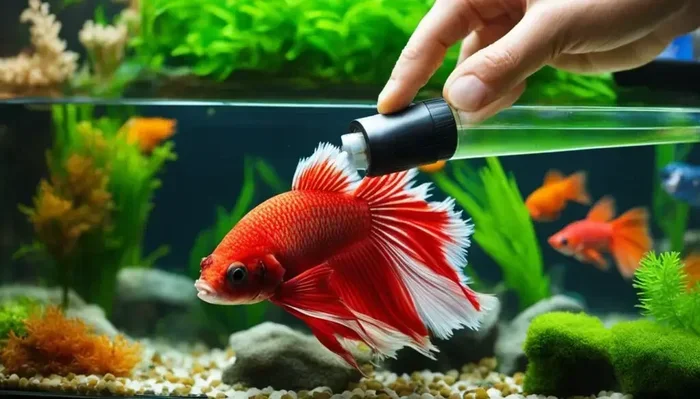
You should perform a 25 percent water change every week for a betta tank. This removes excess waste and keeps water parameters stable. You should also vacuum the substrate during each water change and clean the filter media gently in removed tank water. Avoid replacing all the water at once, as this can destroy beneficial bacteria that keep your tank healthy.