Why Do Betta Fish Get Fin Rot

Fin rot is a common but preventable disease that affects betta fish, caused by poor water quality, injuries, and bacterial infection. Understanding the root causes and acting quickly can save your fin‑tastic friend and keep your tank thriving.
Key Takeaways
- Water quality matters: High ammonia, nitrite, or low pH creates a perfect breeding ground for fin rot.
- Injuries are gateways: Nicks, burns, or aggressive fights let bacteria invade delicate fin tissue.
- Stress weakens immunity: Overcrowding, temperature swings, and improper diet lower a betta’s defenses.
- Early detection saves lives: Spotting frayed edges or white spots early makes treatment far easier.
- Simple fixes work: Regular water changes, proper tank setup, and targeted medication can cure most cases.
- Prevention is cheaper than cure: Consistent maintenance and a stress‑free environment keep fin rot at bay.
- Know when to ask for help: Severe cases may need a vet or a specialist aquarium store.
📑 Table of Contents
Introduction: The Sad Tale of a Frayed Fin
Imagine you’ve just set up a gorgeous 5‑gallon tank for your new betta. The water shimmers, the plants sway, and your fish flares its brilliant colors. Then, one morning, you notice the edge of its tail looks ragged, as if a tiny pair of scissors has chewed away at it. Your heart skips a beat—your betta might be suffering from fin rot.
Fin rot is one of the most common ailments in betta fish, and it can turn a thriving tank into a sad, smelly mess in just a few days. The good news? Most cases are preventable, and early treatment is usually successful. In this friendly, step‑by‑step guide we’ll explore why betta fish get fin rot, what to look for, and how to stop it before it spreads.
1. What Is Fin Rot?
Definition and Types
Fin rot is a bacterial infection that eats away at the delicate fin rays of a fish. The two most common forms are:
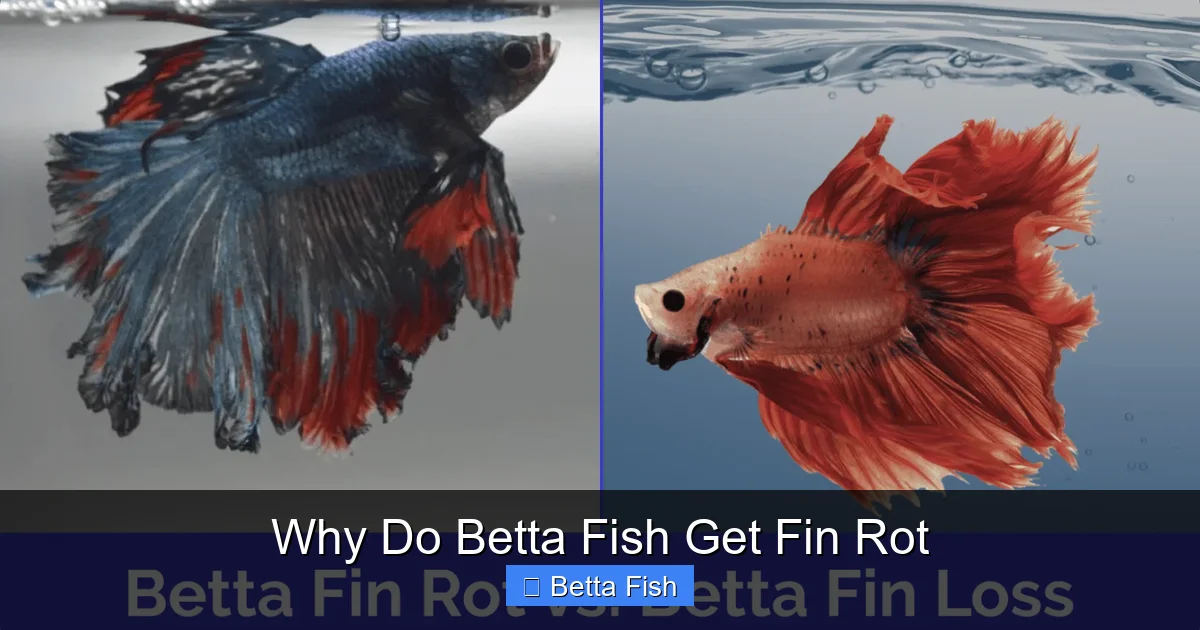
Visual guide about Why Do Betta Fish Get Fin Rot
Image source: articles.hepper.com
- Wet rot: Caused by aggressive, fast‑growing bacteria like Pseudomonas. The fin looks frayed, white, and may bleed.
- Dry rot: Usually a secondary infection after wet rot, leaving the fin dry, ragged, and shredded.
Why Betta Fish Are Prone
Betta fish have long, flowing fins that are naturally more vulnerable to damage. Their natural habitat—shallow, warm rice paddies—means they’re adapted to low‑flow water, so any sudden change in a home aquarium can stress them quickly.
2. Core Causes of Fin Rot
2.1 Poor Water Quality
Bad water is the #1 culprit. High levels of ammonia (NH₃) and nitrite (NO₂⁻) damage the protective mucus layer on a betta’s skin, giving bacteria free entry. A pH that swings below 6.5 or above 8.0 also irritates the skin.

Visual guide about Why Do Betta Fish Get Fin Rot
Image source: nippyfish.net
**Tip:** Test your water weekly with a reliable kit and keep ammonia and nitrite at 0 ppm, nitrate under 20 ppm, and pH between 6.5‑7.5.
2.2 Physical Injuries
Sharp decorations, aggressive tank mates, or even a careless hand can nick a fin. Once the skin is broken, bacteria colonize the wound within hours.
**Practical example:** If you notice a new plastic leaf has rough edges, sand them down or replace it with a smoother live plant.
2.3 Stress Factors
- Temperature fluctuations: Betta fish love stable warmth (78‑80°F). Sudden drops below 75°F stress their immune system.
- Overcrowding: While bettas are often kept alone, adding aggressive companions can lead to fin nipping.
- Improper diet: Low‑quality pellets lacking essential vitamins weaken the fish’s natural defenses.
2.4 Underlying Illness
Sometimes a hidden parasite or fungal infection makes fins more susceptible. Always rule out other diseases before treating fin rot.
3. Spotting the Early Signs
Visual Cues
Early fin rot looks like tiny white spots or a fuzzy edge on the fin. As it progresses, the fin becomes ragged, frayed, and may bleed.

Visual guide about Why Do Betta Fish Get Fin Rot
Image source: blogstudio.s3.amazonaws.com
Behavioral Changes
Your betta may hover near the surface, hide more, or lose its usual vibrant colors. These subtle cues are often the first alarm.
4. How to Treat Fin Rot Effectively
Step‑by‑Step Treatment
- Quarantine: Move the affected betta to a separate hospital tank (2‑3 gallons) with clean, conditioned water.
- Water changes: Perform 25‑30 % water changes daily for the first 3‑5 days.
- Medication: Use a broad‑spectrum antibacterial such as Maracyn 2 or a DIY dip of Epsom salt (1 tsp per 5 gallons) for 30 minutes.
- Improve diet: Offer high‑protein foods like frozen bloodworms and vitamin‑rich betta pellets.
- Monitor: Check the fin daily. If the tissue stops deteriorating within a week, continue gentle care for another week.
For a deeper dive on medication options, see our guide on how to cure fin rot in betta fish.
When to Seek Professional Help
If the fin continues to disintegrate after 7‑10 days of treatment, or if your betta shows signs of systemic illness (loss of appetite, lethargy), it’s time to consult a vet or a specialist aquarium store.
5. Preventing Fin Rot Before It Starts
Maintain Spotless Water
Regular water changes (20‑30 % weekly) and a well‑cycled filter keep harmful compounds low. Use a water conditioner to neutralize chlorine and chloramine.
Tank Setup Tips
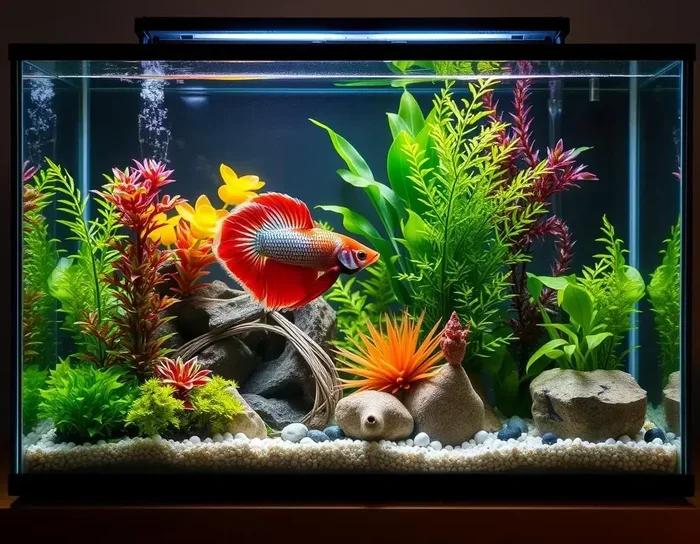
- Choose a tank of at least 5 gallons; a bowl is too small and leads to rapid waste buildup.
- Provide gentle flow—betta fish prefer calm water, so use a sponge filter or a low‑flow powerhead.
- Decorate with smooth rocks, live plants, or silk leaves to avoid fin tears.
Stress‑Free Environment
Keep the temperature stable with an aquarium heater, and avoid sudden lighting changes. Limit handling to essential tank maintenance only.
Nutrition Matters
Feed a varied diet 2‑3 times daily, removing any uneaten food within a few minutes. Adding a vitamin supplement once a week boosts immunity.
Regular Health Checks
Take a quick glance at your betta’s fins each time you feed. Early detection is the fastest route to recovery.
6. Frequently Overlooked Factors
Water Hardness
Very soft water (< 4 dGH) can stress bettas, while very hard water can cause mineral deposits on fins, both encouraging bacterial growth.
Cleaning Tools
Never use soap or harsh chemicals on tank accessories. Rinse everything with dechlorinated water before returning it to the tank.
Compatibility with Other Fish
If you keep community fish, choose peaceful species that won’t nip at the betta’s fins. Read more about what fish do bettas get along with before adding tank mates.
Conclusion: Keep Those Fins Flying Proudly
Fin rot is a serious but manageable problem. By keeping water pristine, protecting your betta from injuries, and reducing stress, you give your fish the best chance to flaunt its spectacular fins for years to come. Remember, a quick glance, a regular water change, and a little love go a long way. If you ever spot the first signs, act fast—your betta will thank you with a dazzling display of color and movement.
Frequently Asked Questions
What are the first signs of fin rot in a betta?
Look for tiny white spots, fuzzy edges, or frayed fin tips. Your betta may also act more sluggish and hide more than usual.
Can I treat fin rot without medication?
Mild cases can improve with rigorous water changes, a clean tank, and a high‑quality diet. However, most infections need antibacterial treatment to fully heal.
How long does it take for fin rot to heal?
With proper treatment, visible improvement appears within 5‑7 days, and full recovery can take 2‑3 weeks.
Is it safe to keep other fish with a betta that has fin rot?
It’s best to quarantine the sick betta. Other fish can become stressed or contract the same bacteria, especially if the water quality is poor.
Will fin rot return after it’s cured?
If you maintain excellent water quality and reduce stress, recurrence is unlikely. Keep a regular maintenance schedule to stay ahead.
Can poor diet cause fin rot?
Yes. A diet lacking protein and essential vitamins weakens the immune system, making it easier for bacteria to attack damaged fins.