How to Tell If My Betta Fish Is Happy
Knowing how to tell if your betta fish is happy is essential for every fish owner. A happy betta displays bright colors, a hearty appetite, and active swimming behavior. This guide covers the clear signs, common mistakes, and simple tips to keep your betta thriving.
Have you ever wondered what goes on inside your betta fish’s little world? Your colorful companion can’t tell you with words, but they absolutely communicate how they feel. A happy betta fish shows clear signs that any owner can learn to recognize. Once you know what to look for, you’ll be amazed at how expressive these little creatures really are.
Understanding betta fish behavior transforms the way you care for your pet. Instead of guessing, you can respond to their needs with confidence. Whether you are a first-time fish owner or a seasoned hobbyist, recognizing the signs of a content betta helps you build a stronger bond with your underwater friend. Let’s dive into the telltale signals that show your betta is living their best life.
Betta fish happiness depends on several key factors. Their environment, diet, and daily routine all play a role. By paying attention to the details, you can create a tank setup that keeps your betta joyful and thriving. This guide walks you through every sign, every tip, and every mistake to avoid.
Key Takeaways
- Vibrant colors and flowing fins: A happy betta shows rich, intense colors and displays its full fins proudly.
- Strong appetite and eating habits: A healthy betta eagerly eats and finishes meals without hesitation.
- Active swimming patterns: Happy bettas explore their tank, build bubble nests, and interact with their environment.
- Clean water and proper temperature: Maintaining ideal tank conditions is the foundation of betta happiness.
- Watch for stress signals: Knowing what a stressed betta looks like helps you prevent problems early.
- Simple enrichment works wonders: Adding plants, caves, and gentle interaction boosts your betta’s mood significantly.
- Regular observation matters: Daily check-ins help you catch changes before they become serious health issues.
📑 Table of Contents
- What Does a Happy Betta Fish Look Like?
- Behavioral Signs Your Betta Is Happy
- How to Know If Your Betta Fish Is Happy: The Complete Checklist
- Creating the Perfect Environment for a Happy Betta
- Common Mistakes That Make Betta Fish Unhappy
- How to Tell If My Betta Fish Is Sick Versus Just Unhappy
- Daily Habits That Boost Betta Happiness
- When to Seek Help for Your Betta Fish
- Conclusion
What Does a Happy Betta Fish Look Like?
The easiest way to assess your betta’s mood is by observing their appearance. A happy betta looks dramatically different from a stressed one. Their body language speaks volumes once you learn the basics.
Vibrant Colors and Flowing Fins
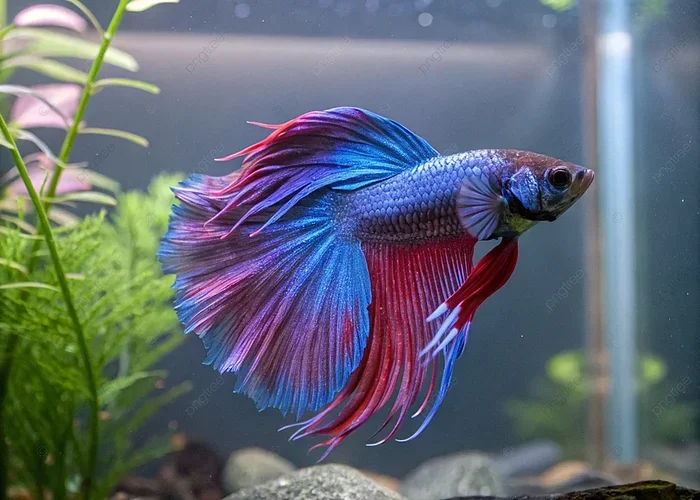
A joyful betta displays rich, intense colors that seem almost glowing. Their scales shimmer with deep reds, brilliant blues, or vibrant greens depending on their breed. When a betta is unhappy or stressed, their colors fade and appear washed out. This color change happens fast, sometimes within hours.
Pay attention to their fins too. A healthy betta holds its fins open and flowing. They spread their tail and dorsal fins wide, showing off their full beauty. If your betta keeps its fins clamped tight against its body, that is a warning sign something is wrong.
Clear Eyes and Smooth Scales
Bright, clear eyes are another hallmark of a content betta. Their eyes should be shiny and alert, not cloudy or sunken. Smooth scales lying flat against the body indicate good health. Any puffiness, redness, or missing scales should prompt a closer look at their tank conditions.
Relaxed Body Posture
Watch how your betta holds its body throughout the day. A relaxed betta rests near the top of the tank with its fins gently moving. They hover comfortably without pressing against the glass or hiding constantly. This easygoing posture shows they feel safe and comfortable in their space.
Behavioral Signs Your Betta Is Happy
Appearance tells only part of the story. What your betta does every day reveals even more about their emotional state. Betta fish behavior follows predictable patterns when everything is right in their world.
Active Swimming and Exploration
A happy betta loves to explore. They swim around the entire tank, checking out every corner and crevice. You will notice smooth, graceful movements without any struggling or erratic darting. They glide through the water with purpose and curiosity.
Some bettas even follow your finger along the glass or swim to the front of the tank when they see you. This interactive behavior shows they feel connected to their environment and their owner. It is one of the most rewarding signs of a content betta fish.
Bubble Nest Building
Male bettas build bubble nests at the surface of the water. This behavior is a strong indicator of happiness and readiness. When a betta feels safe and comfortable, they create these intricate collections of tiny bubbles. It is a natural instinct tied to their breeding behavior.
If your male betta builds bubble nests regularly, take it as a compliment. It means their tank conditions are excellent and they feel secure. Even female bettas sometimes show nesting behavior, though it is less common.
Enthusiastic Eating Habits
Watch your betta during feeding time. A happy betta fish gets excited and swims to the top eagerly. They eat with enthusiasm and finish their food within a few minutes. A healthy appetite is one of the simplest and most reliable happiness indicators.
If your betta refuses food or eats slowly, something might be off. Loss of appetite often signals stress, illness, or poor water quality. For more on this topic, check out our guide on what to do if your betta fish won’t eat.
How to Know If Your Betta Fish Is Happy: The Complete Checklist
If you want a straightforward way to evaluate your betta’s well-being, use this checklist. It covers the most important indicators and gives you a quick reference point for daily observations.
- Colors are bright and vivid — no fading or dullness
- Fins are open and flowing — not clamped or torn
- Eyes are clear and alert — no cloudiness or swelling
- Swimming is smooth and active — no erratic or labored movements
- Appetite is strong — eats eagerly and finishes meals
- Bubble nests appear regularly (for males)
- Body posture is relaxed — no hiding or glass-surfing
- Responds to your presence — swims toward you or follows movement
Use this checklist during your weekly tank maintenance routine. It takes less than two minutes and gives you valuable peace of mind. For a fun interactive way to test your knowledge, try our Is My Betta Fish Happy Quiz.
Creating the Perfect Environment for a Happy Betta
Your betta’s tank setup directly affects their mood and health. A well-designed aquarium gives your fish the comfort they need to thrive. Small changes can make a huge difference in their overall happiness.
Tank Size and Setup
Many people keep bettas in tiny bowls, but this limits their ability to thrive. A tank of at least 5 gallons gives your betta room to swim and explore. Larger tanks also help maintain stable water parameters, which reduces stress significantly.
Add gentle plants, smooth rocks, and a few caves for hiding. Bettas love having places to rest and explore. Avoid sharp decorations that can tear their delicate fins. A well-planted tank mimics their natural habitat and makes them feel at home.
Water Temperature and Quality
Bettas are tropical fish that need warm, clean water. The ideal temperature range is between 78 and 80 degrees Fahrenheit. Cold water makes them sluggish and prone to illness. Use a reliable heater to maintain consistent temperatures.
Regular water changes are essential. Replace 25 to 30 percent of the water every week to keep ammonia and nitrate levels low. Clean water prevents disease and keeps your betta feeling their best. For tips on maintaining warmth without a heater, read our article on how to keep my betta fish warm without a heater.
Enrichment and Mental Stimulation
Bettas are curious creatures that need mental stimulation. Add a ping pong ball to the surface or a floating leaf for them to rest on. Some owners train their bettas to follow their finger or jump for food. These activities keep their minds engaged and prevent boredom.
Changing the layout of the tank occasionally also provides novelty. Just make sure to keep hiding spots available so your betta always feels safe. For more enrichment ideas, explore our guide on how to make betta fish happy.
Common Mistakes That Make Betta Fish Unhappy
Even well-meaning owners can accidentally create stressful conditions for their bettas. Knowing what to avoid is just as important as knowing what to do right.
Overcrowded Tanks
Bettas are solitary fish and do not always enjoy tank mates. Keeping them with aggressive or fin-nipping species causes constant stress. Even peaceful community tanks can overwhelm a betta if there is too much activity.
Stick to a solo betta setup unless you have a large, well-planted tank with carefully chosen companions. When in doubt, give your betta their own space to feel secure.
Poor Water Maintenance
Skipping water changes or overfeeding leads to dirty water quickly. Ammonia and nitrite spikes are silent killers that stress fish before visible symptoms appear. Test your water parameters regularly and stay on top of your maintenance schedule.
Ignoring Stress Signals
Many owners miss early warning signs because they do not know what to look for. Clamped fins, loss of color, hiding constantly, and refusing food all point to unhappiness. Catching these signals early allows you to make changes before problems escalate.
If you notice persistent stress signs, consider learning more about how to destress my betta fish. Quick intervention can restore your betta’s comfort and health.
How to Tell If My Betta Fish Is Sick Versus Just Unhappy
Sometimes the line between an unhappy betta and a sick betta blurs. Both conditions share overlapping symptoms, which can make diagnosis tricky. Understanding the difference helps you respond appropriately.
A stressed betta might stop eating temporarily or hide more than usual. A sick betta shows physical symptoms like clamped fins, labored breathing, or unusual spots on their body. If behavioral changes persist for more than a day or two, it is time to investigate further.
For a detailed guide on identifying illness, check out our article on how to tell if my betta fish is sick. Early detection of sickness saves lives and prevents unnecessary suffering.
Quick Comparison: Happy vs. Stressed Betta
| Sign | Happy Betta | Stressed Betta |
|---|---|---|
| Colors | Bright and vivid | Faded and dull |
| Fins | Open and flowing | Clamped close to body |
| Swimming | Smooth and active | Erratic or labored |
| Appetite | Eager and strong | Refuses food or eats slowly |
| Position | Rests near top, explores | Hides at bottom or corners |
| Breathing | Normal and calm | Rapid or gasping |
Use this table as a quick reference during your daily observations. It makes identifying changes fast and straightforward.
Daily Habits That Boost Betta Happiness
Small, consistent habits create the foundation for long-term betta well-being. Building a routine around your fish care ensures nothing gets overlooked.
- Feed high-quality food at the same times each day. Bettas thrive on routine. A consistent feeding schedule reduces anxiety and builds trust.
- Spend a minute observing your betta daily. Just watching their behavior helps you spot changes early. Look for anything unusual in movement, color, or eating patterns.
- Talk softly near the tank. Bettas recognize their owners and respond to gentle interaction. Your voice becomes a familiar, comforting sound over time.
- Perform partial water changes weekly. Clean water is non-negotiable for betta health. Even small water quality improvements boost mood and energy levels.
- Add variety to their environment. Rearrange decorations occasionally or introduce new safe plants. Novelty keeps their curious minds active and engaged.
These simple habits take minimal time but deliver maximum results. Over weeks and months, you will notice a more vibrant, interactive, and joyful betta in your care.
When to Seek Help for Your Betta Fish
Despite your best efforts, sometimes bettas develop health problems. Knowing when to act is critical for their survival and recovery.
If your betta stops eating for more than three days, shows rapid breathing, develops white spots, or stays at the bottom of the tank without moving, it is time to take action. These symptoms often indicate serious health issues that require immediate attention.
For guidance on recognizing severe distress, visit our article on how can I tell if my betta fish is dying. Understanding the difference between a dying betta and a sick betta helps you make informed decisions about treatment and care.
Many common betta diseases are treatable when caught early. Quarantine new fish before adding them to your tank, and always research any treatments carefully. A proactive approach saves both fish lives and heartache.
Conclusion
Learning how to tell if my betta fish is happy is one of the most rewarding parts of fish ownership. Your betta communicates through colors, movement, appetite, and daily habits. By paying close attention and responding to their needs, you create a thriving environment where they can truly flourish.
Remember the key signs: bright colors, flowing fins, active swimming, strong appetite, and relaxed body language. Avoid common mistakes like poor water quality and overcrowded tanks. Build a consistent care routine and enjoy the process of watching your betta thrive.
A happy betta is a healthy betta. Your attention and care make all the difference in their quality of life. Start today by observing your fish with fresh eyes, and you will be surprised by what you discover.
Frequently Asked Questions
How can I tell if my betta fish is happy?
Look for bright colors, open fins, smooth swimming, a strong appetite, and relaxed body posture. A happy betta explores its tank, builds bubble nests, and responds to your presence. These behaviors show they feel safe and content in their environment.
What are the signs of a stressed betta fish?
Stressed bettas show faded colors, clamped fins, erratic swimming, loss of appetite, and constant hiding. They may also breathe rapidly or press against the glass. If you notice these signs, check your water quality and tank conditions immediately.
Can a betta fish be happy alone?
Yes, bettas are solitary fish by nature and often do better alone. In a properly sized tank with enrichment and good water quality, a solo betta can live a very happy life. Adding tank mates should be done carefully and only in larger, well-planned setups.
How often should I check my betta fish for signs of happiness?
Make it a habit to observe your betta daily for at least a few minutes. Weekly checklists help track patterns over time. Regular observation helps you catch changes early before they develop into serious problems.
Does tank size affect betta happiness?
Absolutely. A tank of at least 5 gallons gives your betta room to swim and explore. Larger tanks provide more stable water conditions, which directly reduces stress. A cramped bowl or tiny container limits movement and lowers quality of life.
What should I do if my betta fish seems unhappy?
First, test your water parameters and check the temperature. Then evaluate their diet and tank setup for potential stressors. For guidance on addressing common issues, read our article on how to destress my betta fish. Making gradual improvements often restores their happiness quickly.