A Dumbo Betta Fish
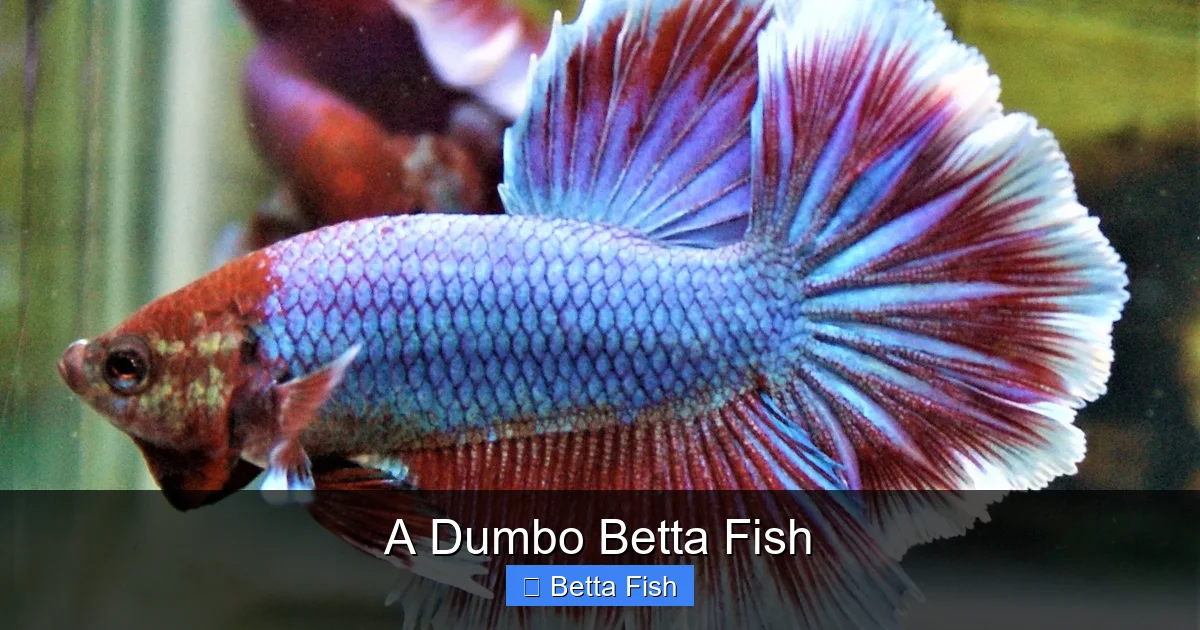
A dumbo betta fish is a charming, easy‑going variety of Betta splendens known for its oversized pectoral fins and calm temperament. In this guide we cover everything from selecting the right tank to feeding, health checks, and breeding, so you can keep your dumbo betta thriving for years.
Key Takeaways
- Unique fins: The dumbo betta’s large pectoral fins set it apart and require gentle handling.
- Tank size matters: A minimum of 5 gallons provides space to swim and keeps water stable.
- Water parameters: Keep temperature between 76‑82°F and pH 6.5‑7.5 for optimal health.
- Feeding routine: Offer high‑quality betta pellets twice daily and occasional frozen foods.
- Health monitoring: Look for torn fins, loss of color, or unusual swimming as warning signs.
- Compatibility: Peaceful community tanks are possible with small, non‑aggressive tank mates.
- Longevity: With proper care a dumbo betta fish can live 3‑5 years, sometimes longer.
📑 Table of Contents
- Introduction: Why the Dumbo Betta Fish Captivates Hobbyists
- 1. Understanding the Dumbo Betta Fish
- 2. Setting Up the Perfect Home
- 3. Feeding Your Dumbo Betta Fish
- 4. Health and Wellness
- 5. Social Life: Tank Mates and Breeding
- 6. Common Questions and Troubleshooting
- Conclusion: Your Dumbo Betta’s Bright Future
Introduction: Why the Dumbo Betta Fish Captivates Hobbyists
If you’ve ever watched a betta fish flare its gills and think, “That’s too dramatic for my living room,” you’ll be surprised by the gentle side of the dumbo betta fish. Unlike the classic long‑fin varieties that love to perform, dumbo bettas are known for their calm demeanor and, of course, their massive, paddle‑shaped pectoral fins that look like tiny elephant ears. These “elephant‑ear” bettas are perfect for beginners who want a stunning display without the constant fighting.
In this article we’ll walk through every step of caring for a dumbo betta fish – from picking the perfect specimen to setting up a tank, feeding, health checks, and even breeding basics. By the end, you’ll feel confident that your dumbo betta will thrive and become a conversation starter in any home.
1. Understanding the Dumbo Betta Fish
What Makes a Dumbo Betta Different?
The dumbo betta is simply a Betta splendens with a genetic mutation that enlarges the pectoral fins. These fins can be twice the size of regular betta fins, giving the fish a unique silhouette. The mutation does not affect the fish’s health, but the extra fin surface means the fish needs a calm environment to avoid fin damage.
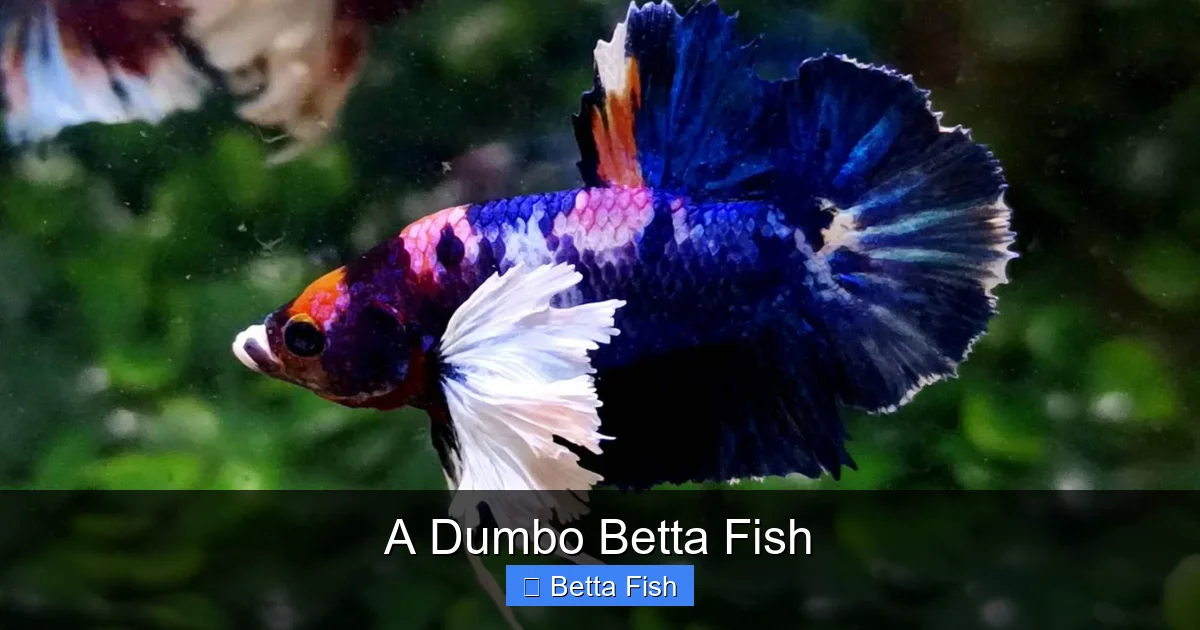
Visual guide about A Dumbo Betta Fish
Image source: cdn.shopify.com
Temperament and Behavior
Most dumbo bettas are less aggressive than their “fighting‑type” cousins. They enjoy exploring their surroundings, flaring occasionally to show off their colors, and building bubble nests when ready to breed. Because they are less prone to constant aggression, they can be kept with other peaceful fish if the tank is spacious enough.
Size and Lifespan
Adult dumbo bettas typically reach 2.5‑3 inches in length, not counting the flowing fins. With proper care, a dumbo betta fish can live 3‑5 years, and some hobbyists report individuals reaching 7 years. For more on lifespan, see What Is The Lifespan Of A Betta Fish.
2. Setting Up the Perfect Home
Choosing the Right Tank
While many people think a betta can live in a tiny bowl, a dumbo betta deserves more space. A minimum of a 5‑gallon (19‑liter) tank is recommended. This size provides enough water volume to maintain stable parameters and gives the large fins room to move without brushing against the glass.
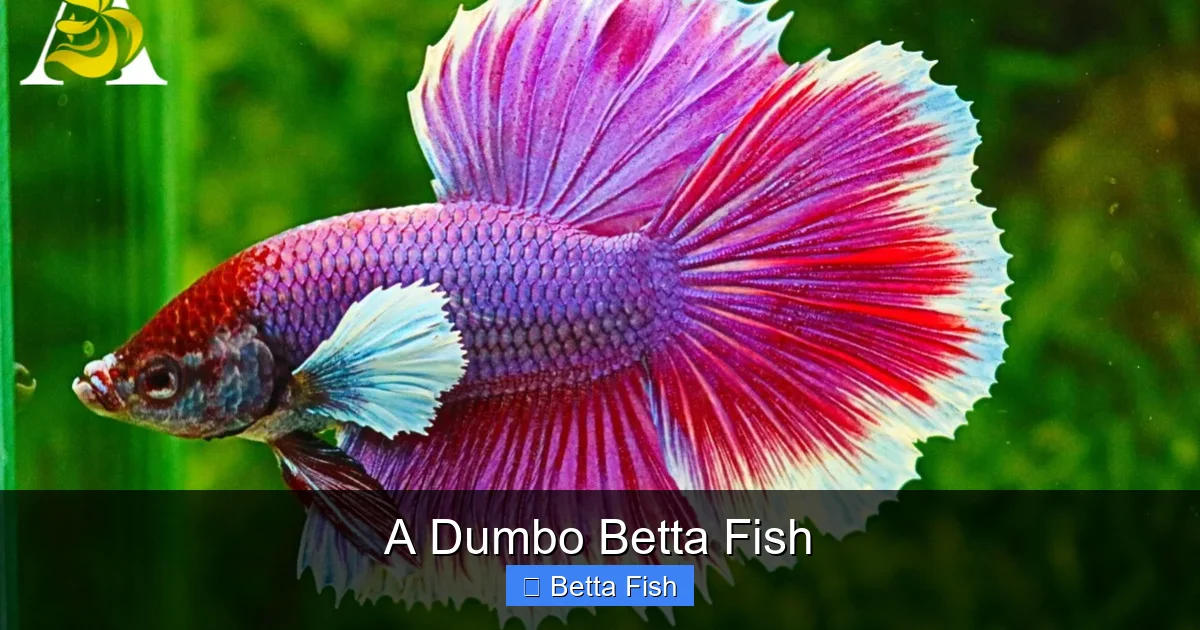
Visual guide about A Dumbo Betta Fish
Image source: datropicalfish.com
For detailed tank size guidelines, read What Size Tank For A Betta Fish.
Water Parameters
- Temperature: 76‑82°F (24‑28°C). Use an adjustable heater for consistency.
- pH: 6.5‑7.5, slightly acidic to neutral.
- Hardness: Soft to moderately hard (3‑8 dGH).
Regular testing with a liquid test kit will keep you on track. Stable temperature is especially important because sudden drops can stress the dumbo’s delicate fins.
Filtration and Aeration
A low‑flow sponge filter works well. It provides biological filtration without creating strong currents that could damage the fin edges. Dumbo bettas do not need an air pump, but a gentle surface agitation helps oxygenate the water.
Substrate, Plants, and Décor
Fine sand or smooth gravel prevents fin tears. Live plants like Java fern, Anubias, and mosses create hiding spots and improve water quality. If you prefer low‑maintenance, silk plants are a safe alternative.
3. Feeding Your Dumbo Betta Fish
What to Feed
Dumbo bettas are carnivorous. A high‑quality betta pellet should be the staple, feeding 2‑3 pellets once or twice daily. Supplement with frozen or live foods such as bloodworms, daphnia, or brine shrimp 2‑3 times a week for color enhancement.
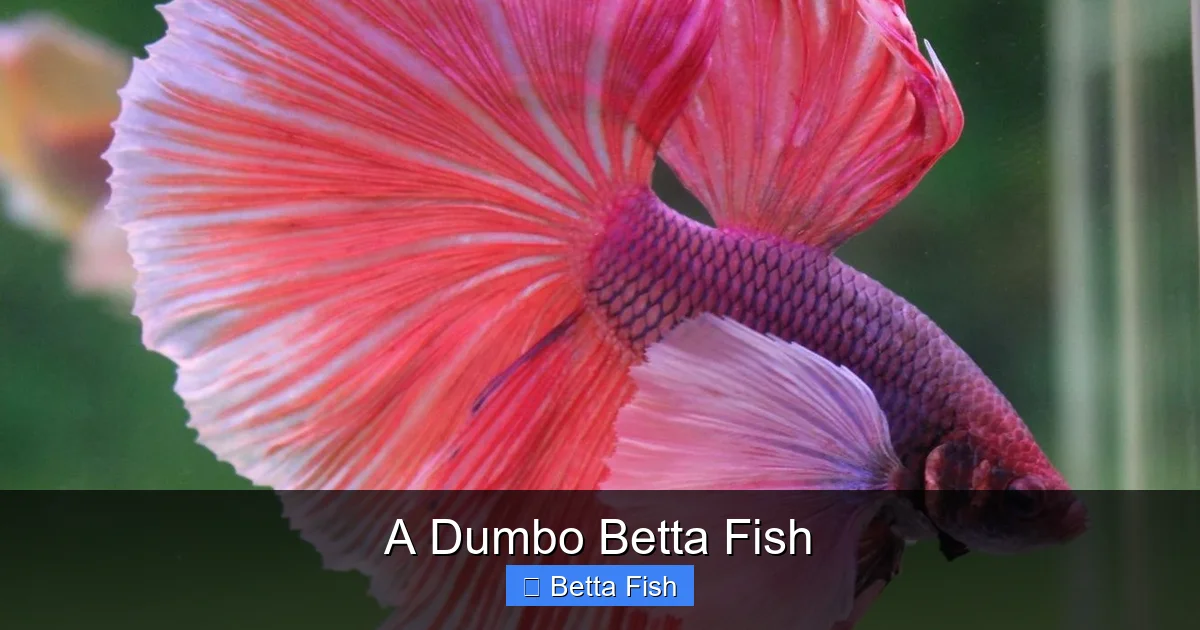
Visual guide about A Dumbo Betta Fish
Image source: i.pinimg.com
Feeding Tips
- Use a small feeding dish to prevent pellets from sinking into the filter.
- Only feed what your fish can eat in 2‑3 minutes to avoid over‑feeding.
- Watch for uneaten food and remove it promptly to prevent water fouling.
For more feeding details, see How Often Should U Feed A Betta Fish.
4. Health and Wellness
Common Health Issues
Because of their large fins, dumbo bettas are prone to fin rot if water quality slips. Look for frayed edges, white fuzzy growth, or a yellowish tint. Early treatment with a mild antibacterial dip can save the fins.
Daily Observation Checklist
- Bright, intact coloration?
- Fins fully spread, no tears?
- Active swimming, not floating listlessly?
- Normal appetite?
If anything seems off, consult a reputable aquarium vet.
When to Change Water
Partial water changes of 25‑30% every week keep nitrate levels low. Use conditioned water that matches the tank’s temperature and pH.
Step‑by‑step guide: How Do You Change A Betta Fish Water.
5. Social Life: Tank Mates and Breeding
Can a Dumbo Betta Live with Other Fish?
Yes, but choose peaceful, small species that stay at the bottom or middle of the tank. Good companions include neon tetras, harlequin rasboras, and small catfish like Corydoras. Avoid fin‑nippers such as guppies or other bettas.
Read more about compatible species at What Fish Is Compatible With A Betta Fish.
Breeding a Dumbo Betta
When a male builds a bubble nest, it signals readiness. Provide a flat surface like a leaf or a piece of slate for the nest. After spawning, remove the female to prevent aggression. With proper care, fry can be raised in a separate rearing tank.
Egg Care Tips
- Maintain water temperature at 80°F.
- Keep lighting low to reduce stress.
- Feed infusoria or microworms to the fry daily.
6. Common Questions and Troubleshooting
Why does my dumbo betta fish make a bubble nest?
Bubble nests are a natural breeding behavior. The male creates a protective “foam” platform for eggs and fry.
My dumbo betta’s fins look torn—what now?
Check water quality first. Perform a 25% water change, reduce feeding, and add a low‑dose antibacterial medication if needed.
Can I keep a dumbo betta in a bowl?
While bettas can survive in small bowls, dumbo bettas need more space for their large fins. A 5‑gallon tank is the minimum for a healthy environment.
How often should I clean the tank?
Weekly partial water changes and monthly substrate vacuuming keep the water clear and healthy.
What temperature should the water be?
Keep it steady between 76‑82°F. Fluctuations stress the fish and can lead to disease.
Do dumbo bettas need a heater?
Yes, a reliable aquarium heater maintains the tropical temperature range they need.
Conclusion: Your Dumbo Betta’s Bright Future
Caring for a dumbo betta fish is rewarding and surprisingly simple once you have the basics down. By providing a well‑filtered, appropriately sized tank, stable water parameters, a balanced diet, and regular health checks, you’ll enjoy the gentle grace of those “elephant‑ear” fins for many years. Whether you’re a first‑time betta owner or an experienced aquarist looking to add a unique variety, the dumbo betta fish offers beauty, personality, and a relatively low‑maintenance experience. Dive in, set up that tank, and watch your dumbo betta become the star of your aquatic world.
Frequently Asked Questions
What is the ideal tank size for a dumbo betta fish?
A minimum of 5 gallons is recommended to give the large fins space to move and to maintain stable water conditions.
How often should I feed a dumbo betta fish?
Feed high‑quality betta pellets twice daily, offering a small amount that can be consumed in 2‑3 minutes.
Can I keep a dumbo betta fish with other species?
Yes, choose peaceful, small fish such as neon tetras or Corydoras, and avoid any fin‑nipping or aggressive tank mates.
What temperature range is best for a dumbo betta fish?
Maintain water between 76‑82°F (24‑28°C) using an adjustable heater for consistency.
How do I know if my dumbo betta fish is sick?
Watch for faded colors, torn fins, loss of appetite, or abnormal swimming; these are early signs of stress or disease.
Do dumbo betta fish need a bubble nest?
Only male dumbo bettas build bubble nests when they are ready to breed; it’s a natural behavior and not required for regular care.