Betta fish may look fierce, but they have natural enemies that can trigger fear and stress. This guide reveals the one fish most bettas are afraid of, explains the behavior behind the fear, and offers practical advice to create a harmonious community tank.
Key Takeaways
- Identify the predator: The dwarf gourami is the fish most bettas fear due to similar fin displays and aggressive posturing.
- Understand the behavior: Fear shows up as rapid fin flaring, hiding, and loss of color in bettas.
- Tank setup matters: Proper decorations, plants, and tank size can reduce stress for both species.
- Safe introductions: Gradual, visual barriers and monitoring are key when adding new fish.
- Health implications: Chronic fear weakens a betta’s immune system and shortens its lifespan.
- Alternative mates: Peaceful neon tetras, corydoras, and small rasboras are better companions.
- Know when to act: Early signs of stress mean it’s time to re‑evaluate tank mates and environment.
📑 Table of Contents
- Introduction: When a Betta Gets Scared
- 1. The Science Behind Betta Fear
- 2. Identifying the Dwarf Gourami in Your Tank
- 3. Setting Up a Peaceful Community Tank
- 4. Introducing a New Fish Safely
- 5. When Fear Turns Into a Problem
- 6. Long‑Term Care Tips for a Happy Betta
- Conclusion: Respect the Fear, Keep the Peace
Introduction: When a Betta Gets Scared
Betta fish are famous for their flamboyant fins and feisty personalities. Many hobbyists think of them as the ultimate tank‑top predators, ready to chase away any intruder. But the truth is a bit more nuanced. In the wild, bettas share their shallow, vegetated habitats with a variety of other fish, and they have learned to respect certain species that pose a real threat.
One such species is the dwarf gourami (Trichogaster lalius). While it looks harmless, its similar body shape, bright colors, and aggressive fin displays can trigger a fear response in many bettas. In this article we’ll explore why a betta is afraid of this particular fish, how the fear shows up, and what you can do to keep both species happy—or choose safer tank mates.
1. The Science Behind Betta Fear
Natural instincts and territoriality
Betta fish (also called Siamese fighting fish) evolved in the rice paddies and slow‑moving streams of Thailand. Their environment forced them to become territorial defenders of small breeding pockets. When a newcomer with similar size and color appears, the betta’s brain releases stress hormones that prime it for either a fight or a flight.
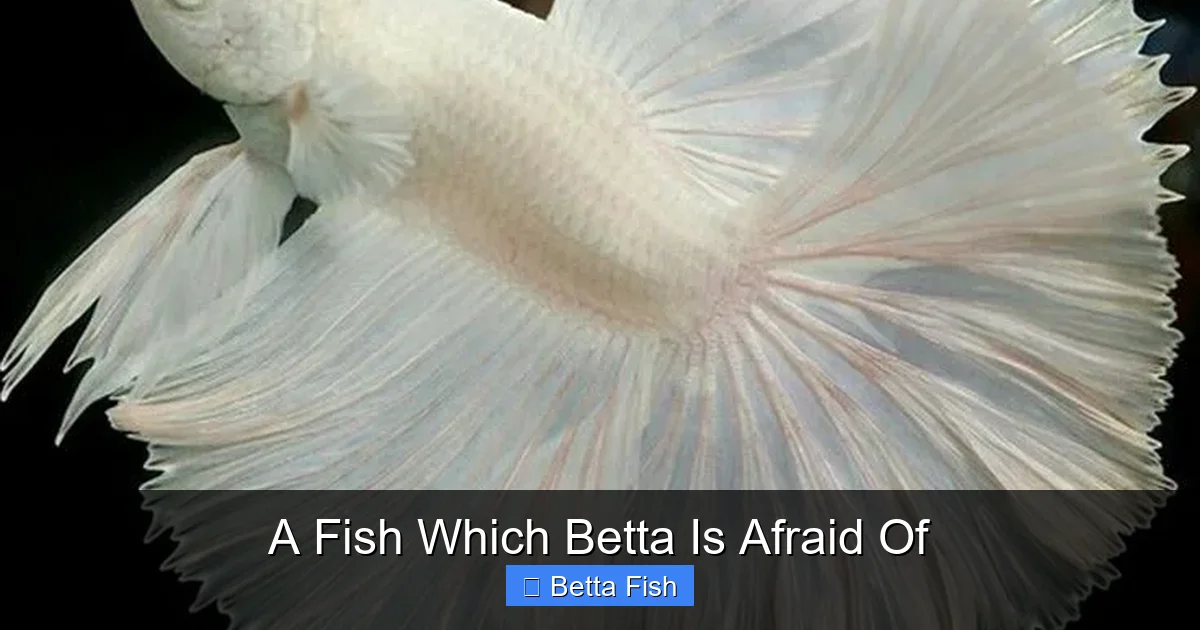
Visual guide about A Fish Which Betta Is Afraid Of
Image source: wallpaperaccess.com
Why the dwarf gourami triggers fear
- Fin similarity: Both bettas and dwarf gouramis have long, flowing dorsal and caudal fins that can be mistaken for a rival’s “display” fin.
- Color competition: Bright reds, blues, and purples are common to both, leading the betta to perceive the gourami as a direct competitor for mates.
- Behavioral mimicry: Gouramis perform “flaring” and “bubble‑nest” rituals that look very similar to a betta’s aggressive posture, confusing the betta’s perception of threat.
Physiological signs of stress
When a betta is scared, you may notice:
- Dull or faded coloration
- Rapid fin fluttering or “fin trembling”
- Hiding under decorations or plants
- Less frequent bubble‑nest building (if male)
These signs are not just cosmetic; chronic stress can suppress the immune system, making the betta more vulnerable to disease and shortening its lifespan.
2. Identifying the Dwarf Gourami in Your Tank
Physical characteristics
Dwarf gouramis are small (about 2 inches), with a laterally compressed body, a long dorsal fin, and a distinctive “black line” that runs from the eye to the tail. Their colors range from bright blues and reds to more muted golds.
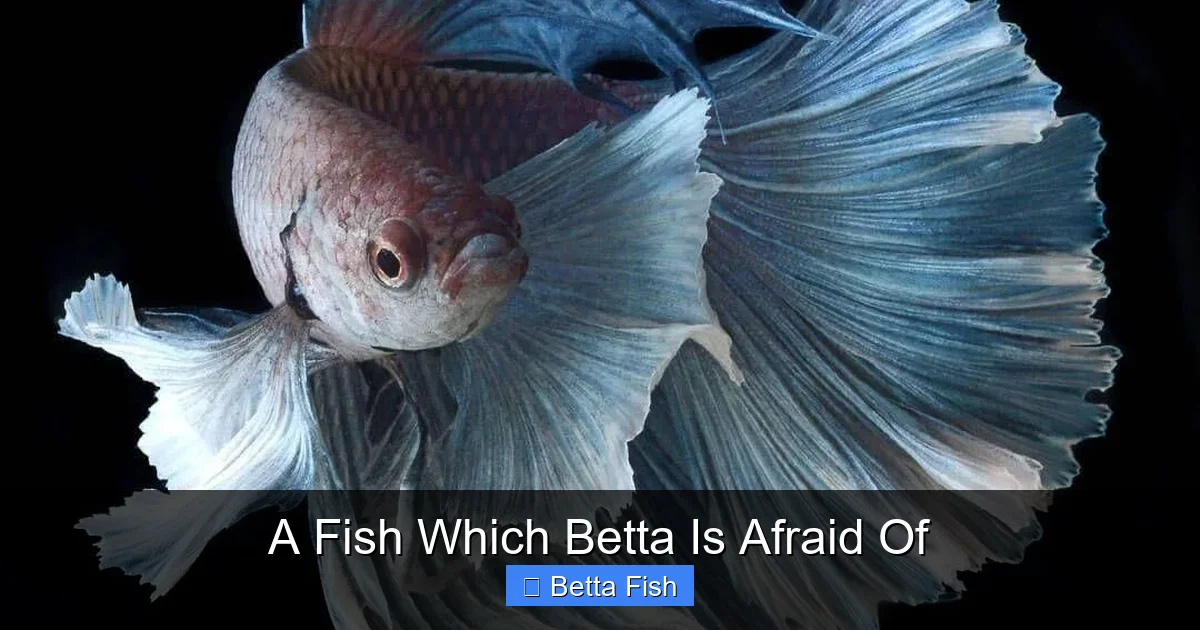
Visual guide about A Fish Which Betta Is Afraid Of
Image source: wallpaperaccess.com
Behavioral cues
They are surface‑feeders, often seen swimming near the top and creating “bubble nests” similar to bettas. Their gentle but curious nature can be mistaken for aggression when they approach a betta’s territory.
Comparing to other tank mates
If you’re looking for a peaceful companion, consider neon tetras, ember tetras, or small rasboras. These fish stay in the mid‑to‑lower water column and lack the fin displays that frighten bettas.
3. Setting Up a Peaceful Community Tank
Tank size and layout
A minimum of 10‑gallon (38 L) is recommended for a betta plus one or two small, non‑aggressive species. A larger tank gives each fish enough space to establish its own zone, reducing territorial clashes.
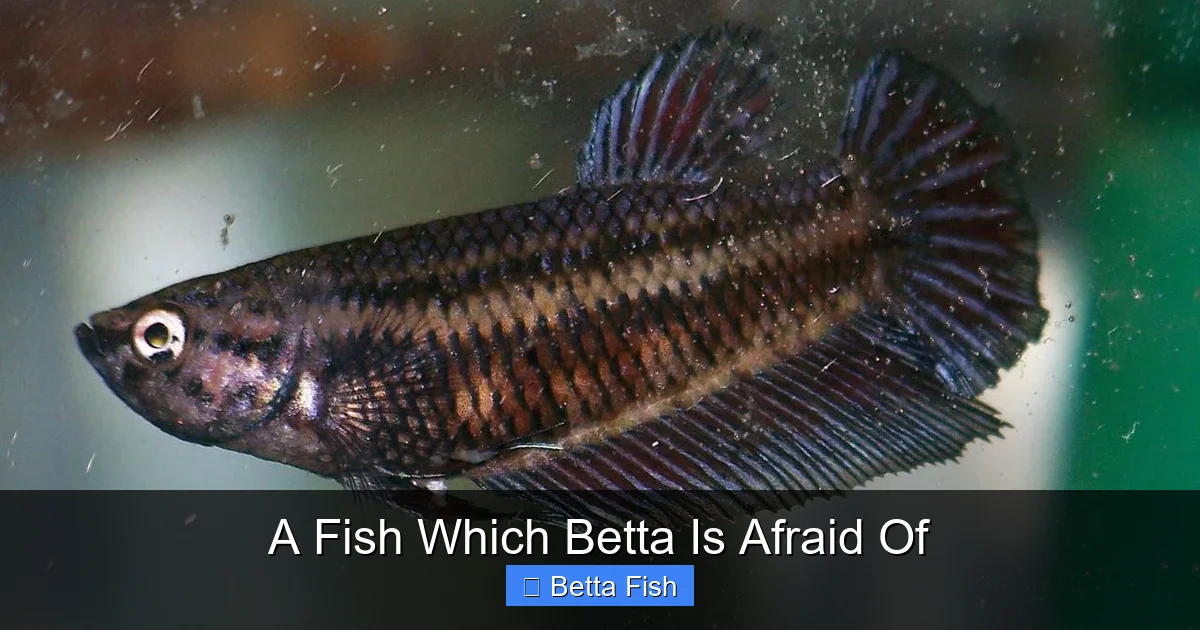
Visual guide about A Fish Which Betta Is Afraid Of
Image source: nippyfish.net
Plants, caves, and visual barriers
- Live plants like Java fern or Anubias create natural hiding spots.
- Artificial caves and driftwood break sight lines, allowing a scared betta to retreat.
- Floating plants (e.g., Duckweed) give the betta a place to rest near the surface without feeling exposed.
Water parameters
Betta fish thrive in warm water (78‑82 °F / 25‑28 °C) with a pH of 6.5‑7.5. Dwarf gouramis prefer the same range, making them technically compatible, but the behavioral mismatch remains. Maintaining stable water quality with regular partial changes (20‑30 % weekly) helps keep stress levels low for all inhabitants.
Filtration and flow
Gentle flow is key. Use a sponge filter or a low‑output hang‑on‑back filter to keep the water clean without creating strong currents that can stress a betta.
4. Introducing a New Fish Safely
Quarantine first
Always quarantine any new fish for at least two weeks in a separate tank. This prevents the spread of disease and lets you observe the newcomer’s temperament.
Gradual visual introduction
Place the new fish in a clear container inside the main tank for 24‑48 hours. Observe how the betta reacts. If the betta flares but does not chase, you may proceed with a careful release.
Release technique
Use a soft net to transfer the newcomer. Release it near a plant or decoration on the opposite side of the tank from the betta’s main territory. This gives the new fish an immediate hiding spot.
Monitoring period
Watch for the first 48 hours closely. If the betta shows persistent aggression (chasing, nipping fins) or the newcomer appears stressed (pale, hiding constantly), consider separating them.
5. When Fear Turns Into a Problem
Health impacts
Stress can lead to a weakened immune response, making your betta prone to common ailments like fin rot, velvet disease, or early death. If you notice a loss of color or appetite, act quickly.
Signs it’s time to re‑home
- Continuous hiding for more than 12 hours a day
- Persistent loss of color despite optimal water conditions
- Frequent fin damage from nipping
If these signs appear, it’s kinder to move the frightened betta to a species‑only tank or find a more suitable community setup.
Alternative peaceful companions
Instead of a dwarf gourami, try these proven betta‑friendly species:
- Neon tetras (Paracheirodon innesi) – small, schooling, stay in the lower half.
- Corydoras catfish – bottom dwellers that clean the substrate.
- Harlequin rasboras – peaceful, mid‑water swimmers with striking colors.
These fish occupy different tank zones, reducing visual competition and keeping the betta relaxed.
6. Long‑Term Care Tips for a Happy Betta
Consistent feeding routine
Feed high‑quality betta pellets or frozen bloodworms once or twice daily. Overfeeding leads to cloudy water, which adds stress.
Regular water checks
Test ammonia, nitrite, and nitrate levels weekly. Keep nitrate below 20 ppm to avoid chronic stress.
Seasonal tank maintenance
During warmer months, perform a 25 % water change every two weeks. In cooler months, a 15 % change is sufficient.
Enrichment and stimulation
Provide floating logs or a small mirror for the betta to “show off” its fins. This outlet for natural behavior can reduce aggression toward tank mates.
Know the lifespan
A well‑cared‑for betta typically lives 3‑5 years. Understanding this helps you plan for long‑term tank setups and avoid sudden losses. For more details on betta longevity, see What Is The Average Lifespan Of A Betta Fish.
Conclusion: Respect the Fear, Keep the Peace
While bettas are often portrayed as lone warriors, they are also capable of genuine fear—especially when faced with a dwarf gourami that mirrors their own aggressive displays. By recognizing the signs of stress, setting up a well‑decorated and appropriately sized tank, and choosing compatible companions, you can prevent fear from turning into illness or death.
Remember, the goal is a vibrant, stress‑free community where each fish can thrive. If you ever doubt a tank mate’s suitability, err on the side of caution and give your betta a peaceful, species‑only home. Happy fishkeeping!
Frequently Asked Questions
Why does my betta hide when I add a new fish?
Hiding is a stress response. The betta may feel its territory is being invaded, especially by fish with similar fin shapes or colors.
Can I keep a dwarf gourami with a betta if the tank is large?
Even in a larger tank, the visual similarity can still cause fear. It’s generally safer to choose a different, less similar species.
What are the early signs that my betta is stressed?
Faded colors, rapid fin trembling, and reduced appetite are common early indicators of stress.
How often should I change the water in a community tank?
Change 20‑30 % of the water weekly for a 10‑gallon tank, and test parameters each time to keep conditions stable.
Is it okay to feed my betta the same food as my other fish?
Betta fish need protein‑rich diets like pellets or frozen bloodworms. Other community fish usually prefer flake or micro‑pellet foods, so feed them separately.
Where can I learn more about which fish are safe with bettas?
Check out What Fish Is Compatible With A Betta Fish for a full list of compatible tank mates.


