Is My Betta Fish Mad at Me

Is my betta fish mad at me? — it is a common question every betta owner asks. Betta fish show anger through flaring, chasing, and pacing. Understanding their behavior helps you build a stronger bond with your pet.
Have you ever walked up to your betta fish tank and noticed your fish acting strange? Maybe your betta fish is flaring at you, chasing its own reflection, or pacing back and forth like it is upset. You might wonder, is my betta fish mad at me?
The truth is, betta fish have personalities. They are not just colorful decorations floating in water. These little creatures feel things, react to their environment, and yes, they can show signs of anger. Understanding what makes your betta upset helps you become a better owner and keeps your fish healthy and happy.
In this guide, we will cover everything you need to know about betta fish anger. You will learn how to read their body language, what triggers aggressive behavior, and exactly what to do when your betta seems mad. Whether your fish is flaring at its reflection or snapping at tank mates, we have you covered.
Let us dive in and figure out what your betta fish is trying to tell you.
Key Takeaways
- Betta fish can display anger: They flare, chase, and pace when upset or territorial.
- Body language tells the story: Fin positioning, color changes, and swimming patterns reveal mood.
- Common triggers include reflections, tank mates, and sudden movements: These can stress your fish out.
- Simple fixes work wonders: Adjusting tank setup and feeding routines calms aggressive bettas.
- Anger is not the same as stress: Learning the difference helps you respond correctly.
- Prevention is better than cure: A well-set tank keeps your betta happy and relaxed.
📑 Table of Contents
What Does It Mean When Your Betta Fish Seems Mad?
When people ask is my betta fish mad at me, they usually notice sudden changes in behavior. A betta that was calm before might now flare its gills, chase other fish, or refuse food. These are clear signs that something is off.
Betta fish are territorial by nature. In the wild, they defend their space from other males and threats. Your tank is your betta’s world. Anything it sees as a threat can trigger an anger response.
Here are some behaviors that signal your betta might be upset:
- Flaring fins wide open — this is the most common sign of aggression or agitation.
- Chasing other fish or its own reflection — your betta sees a rival or threat.
- Pacing back and forth — restless swimming often means irritation or stress.
- Biting or nipping at fins — this happens when your betta is feeling dominant or defensive.
- Refusing food — a mad or stressed betta often loses interest in eating.
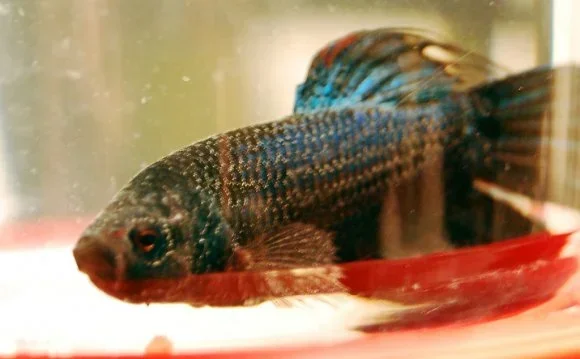
- Darkening of color — bettas often change color when they feel threatened or angry.
These behaviors do not always mean your betta hates you. Often, it is reacting to something in its environment. But learning to read these signs helps you respond the right way.
Betta Fish Body Language Explained
Your betta fish speaks through its body. Just like a dog growls or a cat arches its back, your betta uses physical signals. Betta fish body language is easy to read once you know what to look for.
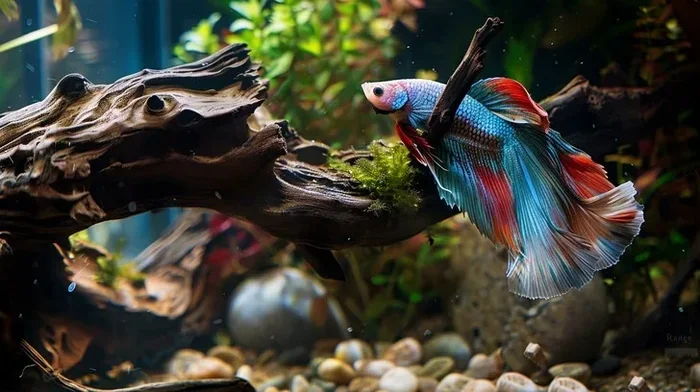
When a betta is calm and happy, its fins hang relaxed. Its colors are bright. It swims smoothly around the tank. When it gets angry or agitated, the fins spread out wide, the body looks stiff, and the colors often darken.
If you notice your betta fish is flaring at you every time you walk by, it is telling you something. It might feel threatened, or it might just be curious. Context matters a lot here.
Common Signs Your Betta Fish Is Mad at You
So how do you know if your betta is actually mad? Let us break down the most common signs of anger in betta fish. Each sign tells a different story about what your fish is feeling.
1. Flaring at You or at Reflections
Flaring is when your betta spreads its gill plates and fins out to look as big as possible. This is a classic sign of aggression. If your betta flares every time you approach the tank, it might see you as a threat.
Many owners also notice their betta flaring at its own reflection in the glass. This happens because the fish thinks another male betta is invading its space. Why is my betta fish flaring at me? Often, it is simply because your shape or movement looks like a rival.
2. Pacing Back and Forth
If your betta swims fast back and forth along the glass, it is pacing. This behavior often signals agitation. Pacing can also mean your betta is bored or wants attention.
Why is my betta fish pacing back and forth? It could be a reaction to a new tank mate, a change in water temperature, or even the way you move around the room. Bettas are alert creatures and they notice everything.
3. Refusing to Eat
A healthy betta fish loves food. If your fish suddenly stops eating, something is wrong. Anger and stress are two of the top reasons bettas refuse food.
Try offering a favorite treat like a bloodworm or brine shrimp. If your betta still ignores the food, the issue might be deeper than just being mad. Check out why my betta fish is not eating for more detailed guidance on this common problem.
4. Hiding or Staying at the Bottom
Some angry bettas do the opposite of flaring. They hide behind decorations or stay at the bottom of the tank. This is often a sign of fear or stress rather than pure anger.
If your betta is staying at the bottom of the tank, it might feel unsafe. This behavior connects closely with feeling threatened, which we will explore more below.
Why Does My Betta Fish Get Mad at Me?
Understanding the root cause of your betta’s anger is the first step to fixing the problem. Bettas do not get mad without a reason. Something in their environment or routine is triggering the behavior.
Your Movements and Presence
Betta fish are curious but also easily startled. If you tap on the glass, slam the tank lid, or make sudden movements near the tank, your betta can feel threatened. Over time, this builds up into what looks like anger.
Think of it this way. Imagine someone keeps poking you without warning. You would get annoyed too. Your betta feels the same way about constant disturbances near its home.
Reflections in the Tank
This is one of the biggest triggers for angry bettas. When a betta sees its own reflection, it thinks there is another male betta invading its territory. The result? Nonstop flaring, chasing, and aggressive behavior.
If your tank has a lot of glass or reflective surfaces, your betta might be fighting a never-ending battle with itself. This is exhausting for the fish and stressful for you.
Poor Water Conditions
Dirty water, wrong temperature, or high ammonia levels make bettas irritable. Just like humans get grumpy when uncomfortable, bettas get mad when their environment is not right.
Keep your water clean and at the right temperature (between 76 and 82 degrees Fahrenheit). Regular water changes and proper filtration go a long way in keeping your betta calm and happy.
Lack of Enrichment
Bettas need mental stimulation. A bare tank with nothing to explore gets boring fast. A bored betta often becomes an angry betta.
Add plants, caves, and gentle decorations to give your fish places to explore and hide. This simple change can dramatically reduce aggressive behavior.
How to Tell the Difference Between Anger and Stress
Here is where many betta owners get confused. Anger and stress look similar, but they have different causes and require different solutions. Understanding the difference helps you respond correctly.
Anger in bettas usually comes from territorial behavior. Your fish feels the need to defend its space. Stress comes from feeling unsafe or uncomfortable over a longer period.
Here is a quick comparison:
| Anger Signs | Stress Signs |
|---|---|
| Flaring at reflections or other fish | Hiding constantly or staying at the bottom |
| Chasing tank mates aggressively | Loss of color or fading stripes |
| Pacing near the glass | Clamped fins close to the body |
| Biting or nipping fins | Rapid breathing or gasping at the surface |
| Territorial chasing of food | Refusing food over several days |
If your betta is showing mostly anger signs, the issue is likely territorial. If stress signs dominate, your fish might need better water conditions, fewer disturbances, or more hiding spots.
Also, some bettas are just naturally more aggressive than others. Male bettas in particular are known for being feisty. This is normal betta behavior and not something to worry about too much.
What to Do When Your Betta Fish Is Mad
Now that you know the signs and causes, let us talk about solutions. What should you actually do when your betta is acting angry?
Step 1: Remove the Trigger
The first thing to do is identify and remove the trigger. If your betta is flaring at its reflection, consider adding a background to the tank. If your fish is chasing other fish, you may need to separate them.
Sometimes simply moving the tank to a quieter spot in the room makes a huge difference. Less noise and fewer sudden movements help your betta feel safe.
Step 2: Improve Water Quality
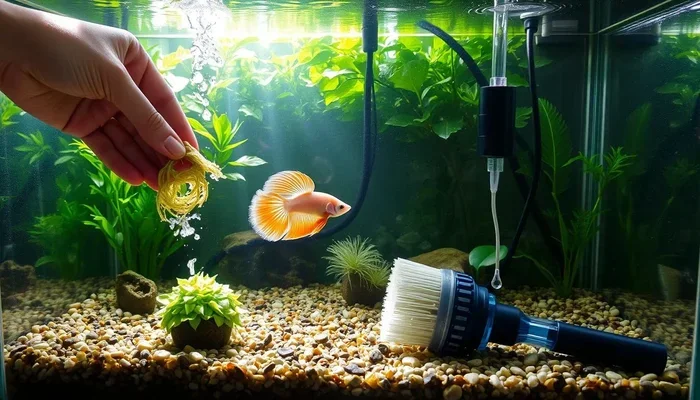
Clean water is the foundation of a happy betta. Test your water parameters regularly. Keep ammonia and nitrite levels at zero. Perform partial water changes every week.
If your water quality is poor, your betta will feel unwell and act out. This is one of the most overlooked causes of aggressive behavior in pet fish.
Step 3: Give Your Betta Space
Sometimes your betta just needs some alone time. Avoid hovering over the tank or tapping on the glass. Give your fish time to settle down on its own.
Think of it like giving a angry friend some space to cool off. Bettas appreciate the same respect for their personal boundaries.
Step 4: Add Enrichment
Keep your betta mentally stimulated. Add live or silk plants, gentle caves, and even a betta hammock. These additions give your fish things to explore and make the tank feel more like a natural habitat.
A stimulated betta is a happy betta. Happy fish are less likely to show anger or aggression.
Step 5: Feed a Balanced Diet
Good nutrition supports good mood. Feed your betta high-quality pellets as the staple diet, supplemented with frozen or live foods like bloodworms and brine shrimp. A well-fed betta is a calmer betta.
Avoid overfeeding though. Excess food pollutes the water and can make your fish feel sluggish and irritable.
Can You Prevent Your Betta Fish From Getting Mad?
Prevention is always better than cure. The good news is that keeping your betta happy and calm is not complicated. A few smart choices go a long way.
First, set up the tank properly from the start. A tank of at least 5 gallons with a filter and heater gives your betta a comfortable home. Add plants and decorations to create hiding spots and exploration areas.
Second, keep a consistent routine. Bettas thrive on predictability. Feed them at the same times each day. Do water changes on a regular schedule. Minimize sudden changes in their environment.
Third, be mindful of your interactions. Move slowly around the tank. Avoid tapping on the glass. Let your betta get used to your presence gradually.
If you have ever wondered is it good to keep betta fish at home, the answer is yes — as long as you provide the right setup and attention. Bettas make wonderful pets when their needs are met.
Finally, monitor your fish daily. Watch for early signs of anger or stress. Catching problems early means you can fix them before they become bigger issues. A quick check each morning keeps your betta healthy and your tank balanced.
Remember, a calm betta is a happy betta. Your goal is to create an environment where your fish feels safe, stimulated, and comfortable. When you get that balance right, anger and aggression become rare.
Final Thoughts
So, is my betta fish mad at me? Most likely, your betta is not mad at you personally. It is reacting to something in its environment or routine. Whether it is a reflection, poor water quality, boredom, or a territorial instinct, there is almost always a clear reason behind the behavior.
The key is to observe, understand, and respond with patience. Betta fish are intelligent creatures that form bonds with their owners. When you learn to read their signals and meet their needs, you build a relationship based on trust and care.
Start with the basics: clean water, proper tank setup, a consistent feeding schedule, and calm interactions. These simple steps solve most behavior problems. Your betta will thank you with bright colors, relaxed swimming, and a happy, healthy life.
Take what you have learned here today and put it into action. Your betta fish deserves a home where it feels safe and content. And you deserve the joy of watching a happy, thriving pet. That is a win-win for both of you.
Frequently Asked Questions
Why is my betta fish mad at me all of a sudden?
Sudden anger in bettas usually comes from a change in the environment. It could be a new reflection, a change in water temperature, or a disruption in their routine. Check your tank setup and water parameters first to identify the trigger.
Do betta fish get mad at their owners?
Bettas do not hold grudges the way humans do. They react to what they perceive as threats or changes in their space. If your fish flares at you, it is likely responding to your movement or shape, not personal anger toward you.
How do I calm down an angry betta fish?
Remove any triggers like reflections or aggressive tank mates. Improve water quality with regular changes. Give your fish space and avoid sudden movements near the tank. Adding plants and hiding spots also helps create a calmer environment.
Is flaring always a sign of anger?
Not always. Bettas flare for many reasons including curiosity, territorial behavior, or seeing their own reflection. Occasional flaring is normal. Constant flaring, however, suggests your fish is stressed or feels threatened.
Can a betta fish be mad at another fish in the tank?
Yes, bettas are territorial and can become aggressive toward other fish, especially those with bright colors or long fins. If your betta is chasing or nipping at tank mates, consider separating them or rearranging the tank to break up territory lines.
How long does it take for a betta fish to calm down?
It depends on the cause. If the trigger is removed, most bettas calm down within a few hours to a couple of days. If the issue is ongoing stress like poor water quality, it may take longer once conditions improve. Patience and consistent care are key.