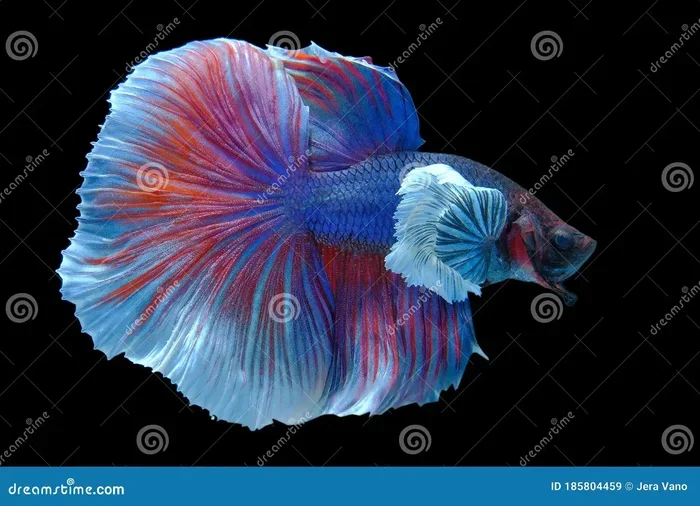
A Betta Fish Dead

Seeing a betta fish dead can be heartbreaking, but understanding the causes and proper steps can help you prevent future losses. This guide walks you through common reasons, signs of trouble, and practical tips to keep your finned friend thriving. Learn how to act fast, maintain a healthy tank, and honor your pet responsibly.
Key Takeaways
- Identify early signs: Spotting subtle changes can stop a death before it happens.
- Water quality matters: Poor parameters are the #1 killer of bettas.
- Nutrition is crucial: Over‑ or under‑feeding leads to stress and disease.
- Proper disposal: Learn humane ways to say goodbye to a dead betta.
- Prevent future loss: Routine maintenance and observation keep bettas happy.
- Seek help early: A vet or experienced hobbyist can save a struggling fish.
- Know the lifespan: Understanding normal life expectancy puts loss in perspective.
📑 Table of Contents
- Introduction: When a Betta Fish Dies
- 1. Common Reasons Why a Betta Fish Might Be Dead
- 2. How to Recognize the Signs Before a Betta Fish Dies
- 3. Immediate Steps to Take When You Find a Betta Fish Dead
- 4. Preventing Future Loss: Best Practices for a Healthy Betta
- 5. When to Seek Professional Help
- Conclusion: Turning Grief into Better Care
Introduction: When a Betta Fish Dies
Finding a betta fish dead in its tank is a gut‑punch. You may feel guilty, confused, or even angry at yourself. The truth is that many factors—water quality, diet, stress, disease—can converge in a way that makes a betta fish dead seemingly overnight.
This article is written like a conversation with a friend who just lost a beloved pet. We’ll walk through the most common reasons a betta fish dead, how to spot warning signs before it’s too late, and what you can do right now to prevent another tragedy.
1. Common Reasons Why a Betta Fish Might Be Dead
Understanding the “why” is the first step to keeping future bettas alive. Below are the top culprits.

Visual guide about A Betta Fish Dead
Image source: auctions.c.yimg.jp
1.1 Poor Water Quality
Betta fish are highly sensitive to ammonia, nitrite, and nitrate spikes. Even a small rise in ammonia can cause gill damage, leading to rapid decline. Test your water weekly with a reliable kit and perform 25‑30% water changes every few days if levels are high.
1.2 Incorrect Temperature
Betas thrive in water that stays between 76°F and 82°F (24‑28°C). Temperatures below 74°F can slow metabolism, while anything above 85°F stresses the fish and encourages bacterial growth. A reliable aquarium heater with a thermostat is essential.
1.3 Overfeeding or Bad Diet
It’s easy to think “more is better,” but excess food rots, polluting the water and causing digestive blockages. Feed your betta only what it can eat in 2‑3 minutes, once or twice a day. High‑quality betta pellets or frozen bloodworms are best.
1.4 Disease and Parasites
Fin rot, velvet, and ich are common in bettas. Early signs include ragged fins, white spots, or a cotton‑like coating. If you notice any of these, isolate the fish and treat with appropriate medication.
1.5 Stress from Incompatible Tankmates
Betta fish are territorial, especially males. Keeping them with aggressive or fin‑nipping fish can cause chronic stress, leading to a weakened immune system. If you want companions, choose peaceful species like small snails or shrimp.
1.6 Improper Tank Setup
A tiny bowl or unfiltered container lacks oxygen and stable parameters. Betta fish need at least a 2‑gallon tank with a gentle filter and a lid to prevent jumping.
2. How to Recognize the Signs Before a Betta Fish Dies
Spotting trouble early can turn a fatal outcome into a quick recovery.
2.1 Changes in Behavior
- Lethargy: The fish stays at the bottom or hides.
- Loss of appetite: Refuses food for more than 24 hours.
- Erratic swimming: Rubbing against glass or swimming upside‑down.
2.2 Physical Indicators
- Faded colors: Dull or blotchy coloration.
- Bloated abdomen: May indicate constipation or internal infection.
- Clamped fins: Fins held close to the body suggest stress.
2.3 Water Tests
Even if the fish looks fine, test for ammonia, nitrite, nitrate, and pH. A sudden spike often precedes a sudden death.
3. Immediate Steps to Take When You Find a Betta Fish Dead
Act quickly but calmly. Here’s a step‑by‑step plan.
Visual guide about A Betta Fish Dead
Image source: hechikan.net
3.1 Remove the Body
Gently scoop the fish with a soft net and place it in a sealed bag. This prevents any disease from spreading.
3.2 Test the Water
Use a test kit to check ammonia, nitrite, nitrate, and pH. Record the results; they’ll help you diagnose the cause.
3.3 Perform a Water Change
Replace 50% of the water with freshly dechlorinated water at the correct temperature. This can stabilize the tank for any remaining fish.
3.4 Check Filtration and Heater
Ensure the filter is running and the heater is set correctly. Clean or replace filter media if it looks clogged.
3.5 Review Feeding and Maintenance Routine
Ask yourself: Have you overfed? Have you missed a water change? Adjust your schedule accordingly.
3.6 Dispose of the Body Properly
For a humane and environmentally safe method, read how to dispose of a dead betta fish. Options include burial, composting, or sealed trash bag disposal.
4. Preventing Future Loss: Best Practices for a Healthy Betta
Prevention is always easier than cure. Follow these simple habits.
4.1 Set Up the Right Environment
Invest in a tank of at least 2‑5 gallons, a gentle filter, a heater, and a lid. Use a substrate that’s easy to clean and add live plants for natural filtration.
4.2 Maintain Consistent Water Parameters
Test weekly and change 20‑30% of water every 5‑7 days. Keep temperature steady and avoid sudden fluctuations.
4.3 Feed a Balanced Diet
Offer high‑quality pellets once or twice daily, supplemented with occasional frozen or live foods. Never overfeed.
4.4 Monitor Health Regularly
Spend a few minutes each day watching your betta. Look for changes in color, fin condition, and swimming patterns.
4.5 Limit Stressors
Keep the tank away from direct sunlight, loud noises, and heavy foot traffic. Provide hiding spots like caves or plants.
4.6 Choose Tankmates Wisely
If you want companions, read about what fish is compatible with a betta fish. Small, peaceful species such as neon tetras (in a larger tank) or snails can coexist without provoking aggression.
5. When to Seek Professional Help
Sometimes a betta’s decline is beyond DIY care.
5.1 Identifying Serious Illness
If you see white spots, rapid breathing, or a cotton‑like coating, consult an aquarium‑specialized vet or a knowledgeable store.
5.2 Using Medication Safely
Follow dosage instructions precisely. Over‑medicating can kill both the fish and beneficial bacteria.
5.3 Community Support
Online forums, hobbyist groups, and local fish clubs can offer quick advice. Sharing a clear photo of the fish and water parameters often yields accurate suggestions.
Conclusion: Turning Grief into Better Care
Losing a betta fish is painful, but it can also be a powerful learning experience. By understanding why a betta fish dead, recognizing early warning signs, and adopting solid husbandry practices, you dramatically increase the odds that your next betta will thrive for years.
Remember, a healthy betta starts with clean water, proper temperature, balanced feeding, and a stress‑free environment. Keep a routine, test your water, and never hesitate to ask for help when something feels off. With these steps, you’ll give your finned friend the best possible chance at a long, vibrant life.
Frequently Asked Questions
Why did my betta fish die suddenly?
Sudden death is often caused by a spike in ammonia or nitrite, a rapid temperature change, or an undetected disease that progressed quickly.
How can I tell if my betta fish is dying?
Look for loss of appetite, lethargy, clamped fins, faded colors, or erratic swimming. Pair these signs with water test results for a clear picture.
What should I do with a dead betta fish?
Place the fish in a sealed bag and dispose of it according to local regulations or follow the humane methods described in how to dispose of a dead betta fish.
Can a betta fish live in a small bowl?
While bettas can survive in small containers, a proper tank with filtration and stable temperature greatly improves health and lifespan.
How often should I change the water for a betta?
Replace 20‑30% of the water every 5‑7 days, and perform a larger 50% change if you notice any parameter spikes.
What temperature is best for a betta fish?
Maintain the water between 76°F and 82°F (24‑28°C) using an aquarium heater with a reliable thermostat.