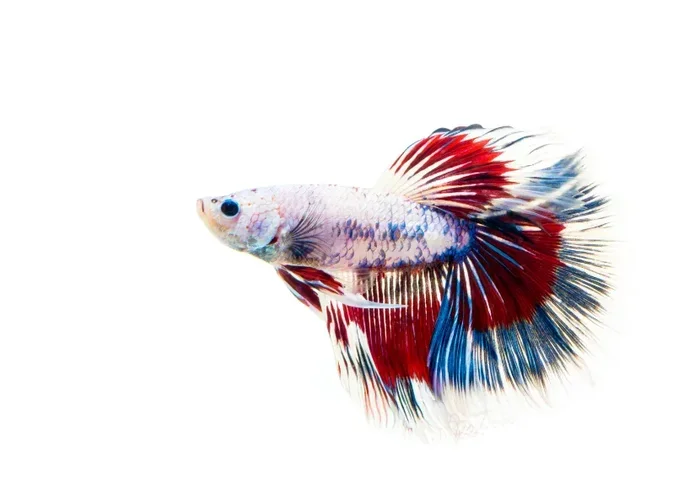
Why Does My Betta Fish Not Swim Around

Betta fish that stay at the bottom or hide may be stressed, sick, or unhappy with their environment. This guide shows you the top reasons why your betta isn’t swimming and offers easy, actionable solutions to get your finned friend moving again.
Key Takeaways
- Water quality matters: Poor parameters are the #1 cause of lethargy.
- Tank size and décor: Too small or overcrowded tanks limit movement.
- Health issues: Swim‑bladder disease, parasites, and fin rot can stop a betta from swimming.
- Stress triggers: Temperature swings, aggressive tank mates, and bright lights make bettas hide.
- Nutrition and feeding: Inadequate diet weakens muscles and reduces activity.
- Proper lighting and enrichment: A balanced day‑night cycle and plants encourage natural swimming.
- Regular monitoring: Quick daily checks catch problems before they become serious.
📑 Table of Contents
- Introduction: When Your Betta Stops Exploring
- 1. Water Quality – The Foundation of Activity
- 2. Tank Size, Layout, and Enrichment
- 3. Health Problems That Stop Swimming
- 4. Stress Triggers That Make Betta Hide
- 5. Nutrition – Fuel for Activity
- 6. Monitoring and Routine Care
- Conclusion: Bring Back the Bounce
Introduction: When Your Betta Stops Exploring
Imagine you just set up a beautiful 5‑gallon aquarium, added a gorgeous Betta splendens, and instead of flaring its fins and darting around, it just hangs at the bottom. It’s a common worry for new and seasoned hobbyists alike. A betta that doesn’t swim isn’t just “lazy”—it’s often a sign that something in its environment or health needs attention.
In this article we’ll break down the most common reasons why your betta fish is not swimming around, show you how to diagnose each issue, and give you practical, step‑by‑step fixes. By the end, you’ll feel confident that you can spot a problem early and keep your betta active, colorful, and happy.
1. Water Quality – The Foundation of Activity
Why clean water equals a moving betta
Betta fish are hardy, but they still need stable water conditions. Ammonia spikes, high nitrite, or a pH far from 6.5‑7.5 can make a betta feel sick and hide.
How to test and fix water parameters
- Test weekly: Use a liquid test kit for ammonia, nitrite, nitrate, and pH.
- Partial water changes: Replace 25‑30 % of the water every week to keep nitrate low.
- Conditioner: Always add a de‑chlorinator and, if needed, a pH buffer.
Keeping the water crystal clear not only prevents disease but also encourages a betta to explore the entire tank.
2. Tank Size, Layout, and Enrichment
Is the tank too small or too barren?
Many beginners start a betta in a 1‑gallon bowl. While bettas can survive there, they become stressed and stop swimming. A minimum of 5 gallons gives enough room for swimming and stable water chemistry.
Designing a betta‑friendly tank
- Plants and hiding spots: Live plants like Java fern or silk leaves provide cover and encourage gentle swimming.
- Open swimming zones: Leave a clear area free of décor where the betta can glide.
- Gentle flow: Use a low‑flow filter or a sponge filter; strong currents scare bettas.
For more on tank setup, see our guide on why betta fish not moving.
3. Health Problems That Stop Swimming
Swim‑bladder disease
The swim bladder is a tiny organ that helps a fish stay upright. Over‑feeding, constipation, or infections can cause it to malfunction, making the betta float, sink, or swim sideways.
**Quick fix:** Fast the fish for 24‑48 hours, then offer a small amount of peeled, boiled pea. If the problem persists, consult a vet.
Fin rot, parasites, and bacterial infections
These illnesses can weaken muscles and make a betta reluctant to move. Look for torn fins, white patches, or visible parasites.
**Treatment tip:** Use a broad‑spectrum antibacterial dip or medicated food, and always quarantine new fish.
Link to related health issue
For a deeper dive into swim‑bladder disease, read how to cure my betta fish swim bladder disease.
4. Stress Triggers That Make Betta Hide
Temperature fluctuations
Betta fish thrive at 78‑80 °F (25‑27 °C). Sudden drops or spikes cause shock, leading to lethargy.
Lighting issues
Too much bright light can make a betta seek darkness. Provide a 10‑12 hour light cycle and use a dimmable LED.
Tank mates and aggression
Even other peaceful fish can stress a betta if the tank is cramped. If you keep community fish, ensure the betta has plenty of visual barriers.
5. Nutrition – Fuel for Activity
What to feed for a lively betta
High‑protein pellets or frozen foods (brine shrimp, bloodworms) give the energy needed for swimming.
Overfeeding pitfalls
Excess food leads to waste, poorer water quality, and swim‑bladder problems.
Feeding schedule
- Feed 2‑3 small meals per day.
- Only give what your betta can eat in 2‑3 minutes.
- Include a weekly treat of frozen or live foods.
If you notice your betta isn’t eating, check out our article on why betta fish not eating for signs and solutions.
6. Monitoring and Routine Care
Daily observation checklist
- Is the betta swimming, flaring, or hiding?
- Any changes in color or fin condition?
- Water clarity and temperature?
Weekly maintenance
- Test water parameters.
- Perform a 25 % water change.
- Trim dead plant leaves.
Consistent care catches problems early, keeping your betta active and reducing the chance of sudden death.
Conclusion: Bring Back the Bounce
A betta that isn’t swimming around is usually sending a clear message: something isn’t right. By checking water quality, providing adequate space, watching for health issues, reducing stress, and feeding a balanced diet, you can turn a sluggish swimmer into a vibrant, active companion.
Remember, prevention is easier than cure. Keep a routine, observe your fish daily, and act quickly if anything seems off. With a little attention, your betta will be darting, flaring, and showing off those gorgeous fins in no time.
Frequently Asked Questions
Why is my betta staying at the bottom of the tank?
Bottom‑dwelling can indicate poor water quality, low temperature, or swim‑bladder trouble. Test the water and check the heater first.
Can a betta recover from swim‑bladder disease?
Yes, most cases improve with a short fast, a pea treat, and a clean tank. Persistent issues may need medication.
How often should I change the water for a betta?
A 25‑30 % water change each week maintains stable parameters and keeps the fish healthy.
Is it normal for a betta to hide under decorations?
Some hiding is natural, but excessive hiding often signals stress, aggressive tank mates, or a need for more cover.
What temperature is best for betta activity?
Maintain 78‑80 °F (25‑27 °C). Use a reliable aquarium heater and monitor with a thermometer.
Should I feed my betta more if it isn’t swimming?
Do not overfeed. Instead, offer a light fast for 24‑48 hours, then give a small portion of high‑protein food or a peeled pea.