How Much Light Should a Betta Fish Have

A betta fish needs about 8 to 12 hours of light per day to stay healthy and maintain its vibrant colors. The right betta fish lighting supports its sleep cycle, reduces stress, and keeps its environment looking natural. Too much light can cause stress and algae growth, while too little light can dull your fish’s colors and disrupt its daily rhythm.
Light plays a bigger role in your betta fish’s life than most people realize. It affects mood, color, appetite, and even how well your fish sleeps at night. Getting the betta fish lighting right is one of the simplest things you can do to keep your fish thriving.
Many new betta owners make the mistake of leaving the tank light on all day or forgetting to turn it on at all. Both extremes can cause problems. In this guide, you will learn exactly how much light your betta needs, what kind of light works best, and how to set up a schedule that keeps your fish happy and healthy.
Key Takeaways
- 8 to 12 hours of light daily is the ideal range for a betta fish tank.
- LED lights are the best choice because they are energy-efficient and produce minimal heat.
- Too much light leads to algae buildup, fish stress, and disrupted sleep patterns.
- A consistent light schedule helps your betta feel safe and maintain its natural behavior.
- Natural light from a window is not recommended because it is hard to control and can cause temperature swings.
- Signs of light problems include fading colors, lethargy, hiding, and erratic swimming.
📑 Table of Contents
- Why Light Matters for Your Betta Fish
- How Many Hours of Light Does a Betta Fish Need
- Best Types of Light for Betta Fish
- Signs Your Betta Fish Is Getting Too Much Light
- Signs Your Betta Fish Is Not Getting Enough Light
- Setting Up the Perfect Light Schedule for Your Betta
- Common Mistakes People Make With Betta Fish Lighting
- How Light Affects Your Betta Fish’s Colors
- Final Thoughts
Why Light Matters for Your Betta Fish
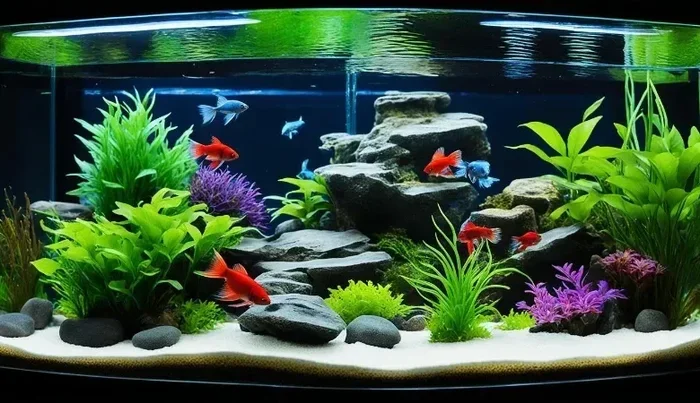
Light is not just for you to enjoy the view of your fish. It serves important biological functions for your betta fish environment. In the wild, bettas live in shallow rice paddies and slow-moving streams where they experience natural daylight cycles. Your tank should mimic that natural rhythm as closely as possible.
Light affects your betta’s circadian rhythm, which is its internal body clock. This rhythm controls when your fish wakes up, eats, rests, and sleeps. Without a proper light cycle, your betta can become confused, stressed, and even sick over time.
Light also plays a role in bringing out the beautiful colors of your betta. A well-lit tank makes the vibrant reds, blues, and greens of your fish pop. On the other hand, poor lighting can make your betta look dull and faded. If you want your fish to look its best, getting the light right is essential.
Another reason light matters is plant health. If you have live plants in your betta tank, they need light to photosynthesize and grow. Healthy plants help keep the water clean and provide a more natural feel for your fish. So light actually benefits the entire tank ecosystem.
One thing to keep in mind is that bettas are sensitive to sudden changes. If you are setting up a new tank or changing the lighting, do it gradually. A sudden shift in brightness can shock your fish and lead to stress-related health issues.
How Many Hours of Light Does a Betta Fish Need
The golden rule for betta fish daylight hours is 8 to 12 hours of light followed by 12 to 16 hours of darkness. This closely matches a natural day-night cycle and gives your fish time to rest properly.
Most experts agree that 10 hours of light per day is a sweet spot. It gives your betta enough light to stay active and display its colors while still allowing plenty of time for rest. Here is a simple breakdown of what different light durations mean for your fish:
- Less than 6 hours: Your betta may become sluggish and lose its appetite. Colors may fade over time.
- 8 to 10 hours: The ideal range for most betta tanks. Supports activity, color, and healthy sleep.
- 12 hours: Still acceptable but watch for signs of stress or algae growth.
- More than 12 hours: Too much light can cause algae blooms, disrupt sleep, and stress your fish out.
Consistency is just as important as duration. Try to turn the light on and off at the same times every day. Bettas thrive on routine, and a predictable schedule helps them feel secure in their tank.
Can You Use a Timer for Your Betta Tank Light
Yes, and it is highly recommended. An aquarium light timer takes the guesswork out of your routine. You set it once, and it turns the light on and off automatically every day. This ensures your betta gets the same amount of light whether you are home or not.
Timers are inexpensive and easy to install. You can find basic models for under $10 at most pet stores. Some advanced timers even let you set multiple on-off cycles throughout the day, which can be useful if you want to simulate a sunrise and sunset effect.
Best Types of Light for Betta Fish
Not all lights are created equal when it comes to a betta fish tank. The type of light you choose affects everything from color display to heat levels to algae growth. Let us look at the most common options.
LED Lights
LED lights are the top choice for most betta keepers. They use very little energy, produce almost no heat, and last for thousands of hours. LED lights also come in a range of colors and brightness levels, so you can customize the look of your tank.
Many LED aquarium lights are specifically designed for freshwater tanks and betta habitats. They provide a full spectrum of light that enhances your fish’s natural colors without being too harsh. If you are setting up a new tank or upgrading an old one, LED is the way to go.
Fluorescent Lights
Fluorescent lights are another popular option. They are affordable and widely available. However, they produce more heat than LEDs and may not last as long. For a small betta tank, the extra heat can be a concern, especially in warm rooms.
Incandescent Lights
Incandescent lights are not recommended for betta tanks. They produce a lot of heat and can cause temperature fluctuations in small tanks. These temperature swings are stressful for bettas and can even be dangerous. Stick with LED or fluorescent options instead.
Natural Light From a Window
You might think placing your tank near a window is a good idea because it provides free natural light. However, this is one of the worst things you can do. Natural light is unpredictable. It changes with the weather, the season, and the time of day. Direct sunlight also causes rapid algae growth and can spike the temperature in your tank.
Instead, use artificial light that you can fully control. This gives you the power to adjust brightness and duration based on your fish’s needs.
Signs Your Betta Fish Is Getting Too Much Light
Too much light can be just as harmful as too little. If your betta is exposed to light for more than 12 hours a day, watch for these warning signs.
- Excessive algae growth: Green or brown algae covering the glass, substrate, and decorations is a clear sign of too much light.
- Loss of color: Paradoxically, too much light can cause your betta’s colors to fade instead of enhance them.
- Hiding or lethargy: Your fish may try to escape the light by hiding behind decorations or staying in dark corners.
- Erratic swimming: Stressed bettas may swim erratically or dart around the tank.
- Sleep disruption: If the tank is too bright, your betta may not get enough rest and become irritable.
If you notice any of these signs, reduce the light duration immediately. You may also want to lower the brightness or move the tank away from any direct light sources. For more information on this topic, check out our guide on can you give betta fish too much light for a deeper dive into light-related stress.
Signs Your Betta Fish Is Not Getting Enough Light
On the flip side, too little light can also cause problems. If your betta is not getting enough light exposure, you may notice the following:
- Dull or faded colors: Without adequate light, your betta’s vibrant pigments will gradually fade.
- Lethargy and low energy: Your fish may seem less active and show little interest in food.
- Loss of appetite: Bettas that are kept in dim conditions may eat less or refuse food altogether.
- Depressed mood: Fish kept in the dark can become withdrawn and stop displaying natural behaviors.
- Plant decay: If you have live plants, they will struggle to grow without enough light and may start to die off.
If your tank is in a dark room, consider adding a light source. Even a basic LED strip can make a big difference. Just make sure you do not overdo it. Aim for that 8 to 12 hour range and stick to a consistent schedule.
Setting Up the Perfect Light Schedule for Your Betta
Now that you know how much light your betta needs and what type of light to use, let us talk about how to put it all together into a daily schedule.
Here is a sample light schedule you can follow:
- Morning (7:00 AM): Turn the light on. This mimics sunrise and helps your betta wake up naturally.
- Midday: The tank stays lit with consistent, moderate brightness.
- Evening (5:00 PM or 7:00 PM): Turn the light off. This gives your betta a natural transition into nighttime.
- Night (7:00 PM to 7:00 AM): The tank is dark. Your betta rests and recovers from the day.
This schedule gives your betta 10 hours of light, which falls right in the ideal range. Adjust the times to fit your own routine, but try to keep the duration consistent every single day.
One helpful tip is to avoid turning the light on and off multiple times a day. Each time you flip the switch, it creates a sudden change in brightness that can startle your fish. A single on and off cycle per day is best.
Also, consider the placement of your tank. Keep it away from windows where direct sunlight can add extra light and heat without you realizing it. A stable, controlled light source is always better than relying on environmental factors you cannot predict.
If you are wondering whether your betta fish really needs a light at all, the answer is yes. While bettas can survive in low-light conditions, they thrive best with a proper day-night cycle. For more on this topic, read our article on are betta fish required to have a light on to understand why light is an essential part of their care.
Finally, remember that lighting is just one piece of the puzzle. A healthy betta also needs clean water, proper filtration, the right temperature, and enough space. For tips on filtration, check out our guide on should a betta fish have a filter to make sure you are covering all the bases.
Common Mistakes People Make With Betta Fish Lighting
Even experienced fish keepers sometimes get the lighting wrong. Here are the most common mistakes to avoid:
- Leaving the light on 24/7: This is the fastest way to stress out your betta and grow a thick layer of algae.
- Using a light that is too bright: A very powerful light in a small tank creates harsh conditions. Choose a light with adjustable brightness.
- Ignoring the light schedule: Inconsistent on-off times confuse your betta’s internal clock and disrupt its sleep.
- Relying on room light only: Ambient room light is usually not strong or consistent enough to meet your betta’s needs.
- Not replacing old bulbs: Over time, lights lose intensity. Replace bulbs or LED strips according to the manufacturer’s recommendations.
Avoiding these simple mistakes will go a long way toward keeping your betta healthy and your tank looking beautiful.
How Light Affects Your Betta Fish’s Colors
One of the most rewarding aspects of keeping bettas is watching their stunning colors. Light has a direct impact on how vivid those colors appear. Under the right lighting conditions, your betta’s reds will be deeper, its blues will be more vibrant, and its fins will shimmer beautifully.
Full-spectrum LED lights are particularly effective at bringing out the best in betta colors. These lights mimic natural sunlight and provide the wavelengths that make fish pigments pop. If your betta seems to have lost its color, the first thing to check is the lighting.
Keep in mind that stress, poor diet, and illness can also cause color loss. So while light is important, it is not the only factor. A combination of proper lighting, clean water, and good nutrition will keep your betta looking its absolute best.
Final Thoughts
Getting the betta fish lighting right does not have to be complicated. Stick to 8 to 12 hours of light per day, use a reliable LED light, and keep a consistent schedule. Watch your fish for signs of stress or discomfort, and adjust as needed.
Light is one of the easiest ways to improve your betta’s quality of life. It affects how your fish looks, feels, and behaves every single day. Take the time to set up a proper lighting system, and you will be rewarded with a happier, healthier, and more colorful betta.
Remember, every tank is a little different. Observe your fish, learn its preferences, and make small adjustments until you find the perfect setup. Your betta will thank you with vibrant colors and lively behavior for years to come.
Frequently Asked Questions
Can I use a regular household lamp to light my betta fish tank?
A regular household lamp is not ideal for a betta tank. These lamps often produce too much heat and do not provide the right spectrum of light for fish or plants. It is much better to use a purpose-built aquarium LED light designed for freshwater tanks.
Do betta fish need light at night?
No, betta fish do not need light at night. In fact, they need darkness to rest and sleep properly. Keeping the light on 24 hours a day can cause stress, disrupt their sleep cycle, and lead to health problems over time.
Can too much light kill a betta fish?
Too much light alone is unlikely to kill a betta directly, but it can cause severe stress, weaken the immune system, and lead to illness. Combined with algae overgrowth and temperature spikes from light heat, prolonged overexposure can create life-threatening conditions in the tank.
How do I know if my betta fish light is too bright?
If your betta is hiding frequently, swimming erratically, or seems restless, the light may be too bright. You can also check if the tank feels warm near the light source. Reducing the brightness or moving the light further from the tank can help solve this issue.
Should I turn off the betta tank light during feeding?
There is no need to turn off the light during feeding. In fact, a little light helps your betta see its food and eat comfortably. Just make sure you do not overfeed, as uneaten food can foul the water regardless of the lighting conditions.
Can I use natural sunlight to light my betta tank?
While natural sunlight provides a good spectrum of light, it is very difficult to control. Direct sunlight can cause temperature spikes, rapid algae growth, and inconsistent lighting throughout the day. It is much safer and more effective to use a controlled artificial light source for your betta tank.
=== CONCLUSION ===
The right amount of light is essential for your betta fish’s health, color, and overall well-being. Aim for 8 to 12 hours of light per day using a quality LED light on a consistent schedule. Watch for signs of too much or too little light and adjust accordingly. With the proper betta fish lighting setup, your fish will thrive and display its full beauty every day. Start implementing these tips today and enjoy a brighter, healthier betta tank.