Why Is My Betta Fish Always Hungry

Betta fish that constantly beg for food may be signaling a health issue, poor water conditions, or simply a diet that doesn’t meet their needs. By checking water quality, feeding the right foods, and monitoring behavior, you can stop the endless begging and ensure a thriving betta.
Key Takeaways
- Check water parameters first: Bad water is a top cause of excessive hunger.
- Feed the right type and amount: Over‑ or under‑feeding can both trigger constant begging.
- Health matters: Parasites, infections, or metabolic disorders may increase appetite.
- Observe behavior: Changes in swimming, hiding, or bubble‑nest building give clues.
- Adjust feeding schedule: Small, frequent meals often work better than one large feed.
- Use quality foods: Live or frozen foods boost nutrition and satisfaction.
- Regular tank maintenance: Clean water and proper filtration keep hunger signals normal.
📑 Table of Contents
- Introduction: The Mystery of the Never‑Full Betta
- 1. Water Quality – The Silent Hunger Trigger
- 2. Feeding the Wrong Food – Not All Pellets Are Equal
- 3. Health Issues – When Hunger Signals Illness
- 4. Behavioral Factors – Stress, Boredom, and the “Show‑Off” Instinct
- 5. Feeding Schedule – Finding the Sweet Spot
- 6. When “Always Hungry” Is Actually Normal
- Practical Checklist to Stop the Endless Begging
- Conclusion: A Happy, Well‑Fed Betta Is Within Reach
Introduction: The Mystery of the Never‑Full Betta
Picture this: you drop a tiny pellet into the water, and your betta darts over it like a tiny torpedo. You feed him again, and again—still his eyes are fixed on the surface, begging for more. You start to wonder, “why is my betta fish always hungry?” It’s a common worry for new and seasoned hobbyists alike.
Before you panic or overfeed, it helps to know that a betta’s appetite is a signal, not a command. It can point to everything from simple diet mistakes to hidden health problems. In this friendly guide we’ll walk through the most common reasons your betta seems ravenous, how to spot the warning signs, and practical steps to bring his appetite back to a healthy rhythm.
1. Water Quality – The Silent Hunger Trigger
Why poor water makes a betta want more food
Betta fish are incredibly sensitive to their environment. When ammonia, nitrite, or nitrate levels rise, the fish’s metabolism speeds up as it tries to cope with stress. The result? An increased appetite. Even a slight rise in temperature can boost metabolism, making your betta think he’s always hungry.
Testing and fixing water parameters
- Ammonia & nitrite: Should be 0 ppm. Any detectable amount can cause stress.
- Nitrate: Keep below 20 ppm; lower is better for bettas.
- pH: Aim for 6.5–7.5, stable for at least a week.
- Temperature: 78–80°F (25–27°C) is ideal.
Perform a water change of 25‑30 % each week, and consider a small internal filter to keep parameters steady. If you notice your betta constantly begging after a water change, it could be a sign the new water isn’t matching the tank’s temperature or pH.
2. Feeding the Wrong Food – Not All Pellets Are Equal
Low‑quality pellets and their impact
Many pet stores sell cheap betta pellets that are high in fillers and low in protein. Betta fish are carnivores; they need at least 75 % animal‑based protein. When the food lacks proper nutrition, the fish will keep searching for the missing nutrients, appearing “always hungry.”
What to feed for a satisfied betta
- High‑protein betta pellets: Look for 70‑80 % protein, no wheat or soy.
- Frozen or live foods: Daphnia, bloodworms, and brine shrimp are excellent treats.
- Variety: Rotate between pellets, frozen, and occasional live foods to keep interest high.
Offer 2‑3 small meals per day, totaling no more than the size of the fish’s eye per feeding. Over‑feeding can cause constipation, which also triggers a “hungry” look because the gut is full but not processing properly.
3. Health Issues – When Hunger Signals Illness
Parasites and infections
Internal parasites such as Hexamita or bacterial infections can cause malabsorption. The fish eats, but nutrients don’t get absorbed, leading to a perpetual feeling of hunger. Look for additional signs like clamped fins, white spots, or cloudy eyes.

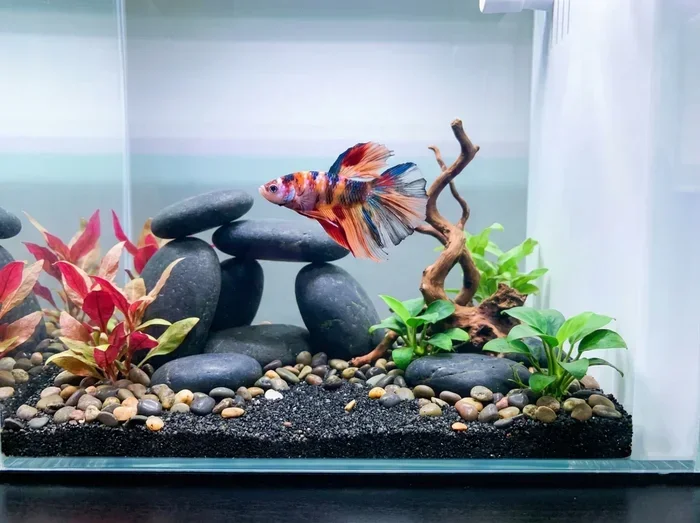
Visual guide about Why Is My Betta Fish Always Hungry
Image source: i.pinimg.com
Metabolic disorders
Conditions like hyperthyroidism are rare in bettas but can cause an increased metabolic rate. If you notice rapid weight loss despite frequent feeding, a vet experienced with fish may be needed.
When to seek help
If your betta shows any of the following, consider consulting a specialist:
- Weight loss despite constant feeding
- Visible parasites or white spots
- Frequent gasping at the surface
- Lethargy or loss of color
Read more about health clues in our article Is My Betta Fish Dying for a deeper dive.
4. Behavioral Factors – Stress, Boredom, and the “Show‑Off” Instinct
Stress can masquerade as hunger
Betta fish are territorial and love to show off their fins. If the tank is too small, has aggressive tank mates, or lacks hiding spots, the fish may become anxious and constantly seek food as a coping mechanism.
Enrichment tips
- Provide a plant or silk leaf: Gives a place to rest and reduces stress.
- Use a bubble nest area: Even if your male isn’t breeding, a small floating platform mimics natural behavior.
- Change the décor occasionally: New objects stimulate curiosity.
Notice how your betta reacts after adding a leaf or a new plastic plant. A calmer fish often eats less, because the “always hungry” behavior was partly stress‑related.
5. Feeding Schedule – Finding the Sweet Spot
Why frequency matters
Betta fish have small stomachs—about the size of an eye. Feeding once a day can leave them hungry for hours. Conversely, feeding massive amounts once can lead to over‑full guts and a false sense of hunger later.
Suggested schedule
- Morning: 2‑3 pellets or a tiny portion of frozen food.
- Mid‑day: Optional treat of a few brine shrimp.
- Evening: Same as morning.
Adjust based on your fish’s size and activity level. If you’re unsure, a quick test is to offer a pellet; if it’s ignored within a minute, the fish is likely full.
6. When “Always Hungry” Is Actually Normal
Young bettas and growth phases
Juvenile bettas grow quickly and naturally have a higher appetite. During this stage, they may seem perpetually hungry, but it’s normal as long as they are gaining weight and displaying vibrant colors.
Seasonal changes
During breeding season, male bettas may increase feeding to build energy for bubble‑nest construction. This is a temporary spike and not a cause for concern.
Practical Checklist to Stop the Endless Begging
- Test water weekly; keep ammonia & nitrite at 0 ppm.
- Switch to high‑protein pellets and add frozen foods twice a week.
- Feed 2‑3 small meals daily, not more than the eye‑size per feed.
- Observe for signs of disease; consult a vet if needed.
- Provide plants, hides, and a bubble‑nest area for enrichment.
- Perform a 25 % water change weekly.
Conclusion: A Happy, Well‑Fed Betta Is Within Reach
Understanding why is my betta fish always hungry starts with looking at water quality, diet, health, and behavior. By tackling each area methodically, you’ll likely find the root cause and watch your betta’s endless begging turn into relaxed, content swimming. Remember, a well‑balanced tank, proper nutrition, and a little enrichment go a long way toward a healthy, satisfied fish.
If you’ve tried the steps above and the problem persists, don’t hesitate to reach out to a specialist or explore more detailed articles such as Why Is My Betta Fish Spitting Out Food and Why Is My Betta Fish Not Eating for additional clues.
Frequently Asked Questions
Why does my betta fish keep begging for food?
Constant begging can be caused by poor water quality, low‑protein diet, stress, or an underlying health issue. Checking parameters and improving nutrition usually solves the problem.
How often should I feed my betta?
Feed small amounts 2‑3 times a day, offering no more than the size of the fish’s eye per feeding. Adjust based on activity level and growth stage.
Can over‑feeding make a betta seem always hungry?
Yes. Over‑feeding can cause constipation, which makes the fish appear hungry because the gut is full but not processing food properly.
What signs indicate a health problem behind the hunger?
Look for weight loss, clamped fins, white spots, gasping at the surface, or loss of color. These symptoms suggest parasites or infection that need veterinary attention.
Do bettas need live food to stay healthy?
Live or frozen foods are not required but provide essential nutrients and enrichment. Including them 1‑2 times a week can satisfy a betta’s carnivorous instincts.
Is it normal for a betta to be hungry during breeding season?
Yes. Males increase their intake to build energy for bubble‑nest construction. This temporary appetite boost is natural and should subside after spawning.