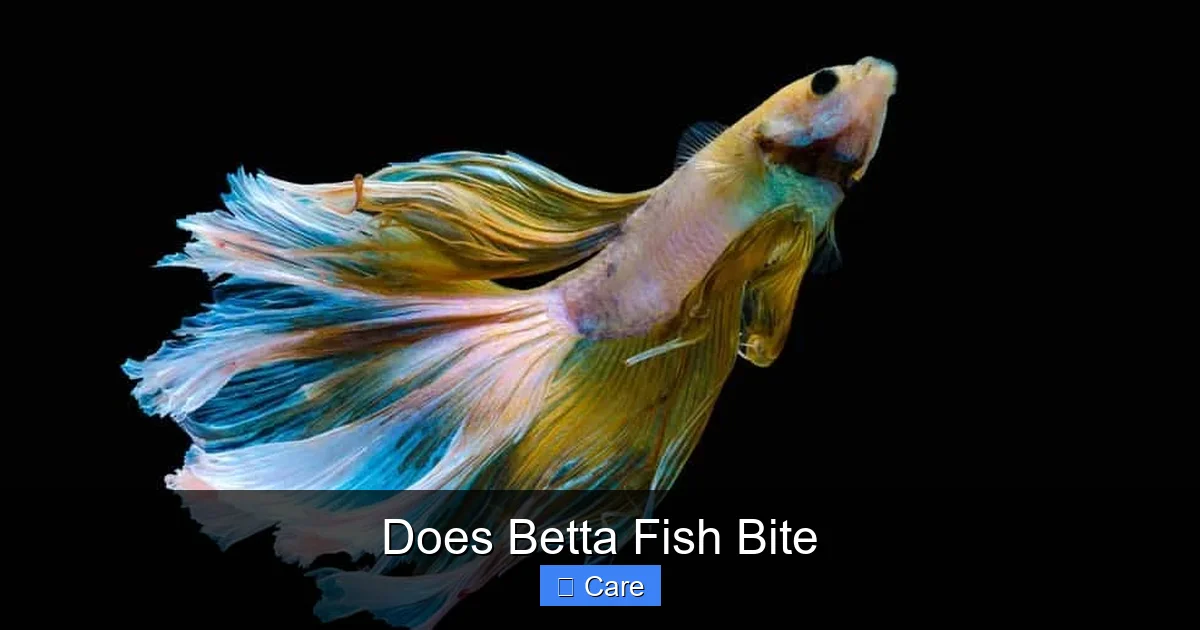
Does Betta Fish Bite
Betta fish can bite, but it’s usually a sign of stress, hunger, or territorial behavior. Understanding the reasons behind a bite and learning gentle handling techniques will keep both you and your betta safe. Follow these tips to enjoy a peaceful, bite‑free aquarium.
Key Takeaways
- Betta bites are real: They have small teeth and may nip when threatened or hungry.
- Stress triggers biting: Poor water quality, cramped space, or sudden changes can cause aggression.
- Proper tank set‑up reduces bites: Adequate space, plants, and hiding spots calm your betta.
- Feeding routine matters: Regular, balanced meals lower the chance of a bite out of hunger.
- Gentle handling prevents injury: Use a soft net or let the betta hop onto your hand calmly.
- Observe body language: Flaring fins and rapid gill movements often precede a bite.
- Seek help if bites are frequent: Persistent aggression may signal illness; consult a vet.
📑 Table of Contents
- Introduction: The Curious Case of the Nipping Betta
- 1. Why Betta Fish Bite: The Science Behind the Nibble
- 2. Recognizing the Warning Signs Before a Bite
- 3. Setting Up a Bite‑Free Environment
- 4. Feeding Strategies to Prevent Biting
- 5. Handling Your Betta Safely
- Conclusion: Enjoy a Peaceful Betta Relationship
Introduction: The Curious Case of the Nipping Betta
Betta fish, also called Siamese fighting fish, are famous for their brilliant colors and flowing fins. Many beginners ask, “does betta fish bite?” The short answer is yes—betta fish have tiny teeth and can nip if they feel threatened, hungry, or overly territorial. The good news is that most bites are mild and can be prevented with a little know‑how.
In this friendly guide we’ll explore why bettas bite, how to read their signals, and practical steps to keep your aquarium peaceful. By the end you’ll feel confident handling your betta without fearing a surprise nibble.
1. Why Betta Fish Bite: The Science Behind the Nibble
Natural instincts and tiny teeth
Betta fish are natural predators in the wild, feeding on insects and small crustaceans. Their mouths contain tiny, sharp teeth designed for gripping prey. In a home tank these teeth can easily “bite” a fingertip or a tank mate.
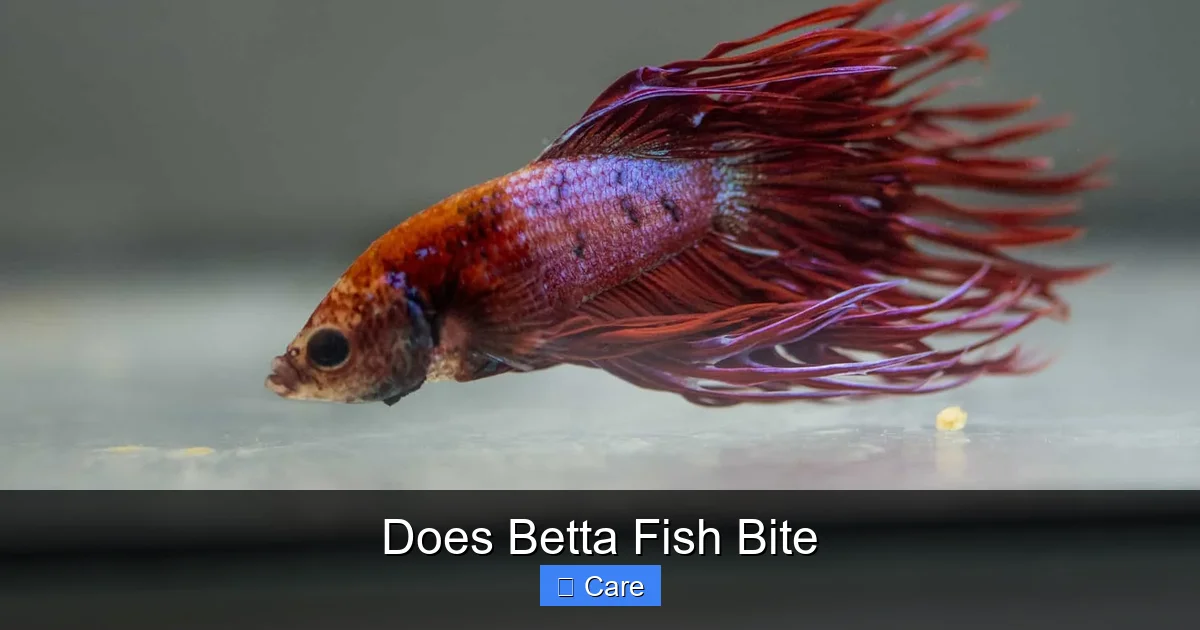
Visual guide about Does Betta Fish Bite
Image source: bettasource.com
Common triggers
- Hunger: An empty stomach can make a betta more likely to nip at anything that moves, including your hand.
- Territorial stress: Bettas are solitary by nature. If they sense another fish, a reflective surface, or even a sudden movement, they may bite to defend their space.
- Water quality issues: Poor parameters raise cortisol levels, leading to aggression.
- Improper handling: Rough grabs or sudden squeezes make the fish feel trapped, prompting a defensive bite.
Is the bite painful?
Most betta bites feel like a light pinch—more startling than harmful. However, if the fish is stressed or has a mouth infection, the bite can be a bit sharper. For detailed information on the sensation, see our article on does betta fish bite hurt.
2. Recognizing the Warning Signs Before a Bite
Body language you can’t miss
Betta fish give clear visual cues before they strike. Look for these signs:
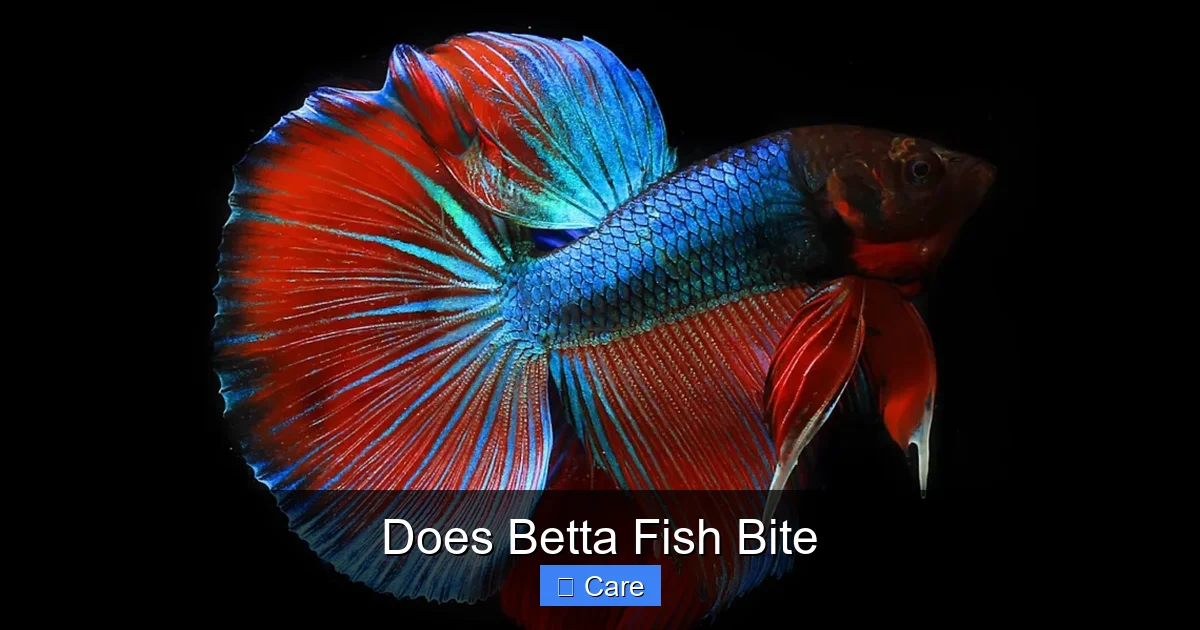
Visual guide about Does Betta Fish Bite
Image source: sharksinfo.com
- Flaring fins: The classic “showdown” pose, indicating heightened aggression.
- Rapid gill movement: A sign they’re gearing up to act.
- Darkening of the body: Often a stress response.
- Sudden darting: Indicates they’re about to investigate or bite.
How to respond
If you see any of these signals, pause your interaction. Give the betta a few minutes to settle, perhaps by dimming the lights or adding a floating leaf for cover.
3. Setting Up a Bite‑Free Environment
Tank size and layout
Even though bettas can live in small bowls, a proper tank reduces stress dramatically. Aim for at least 5 gallons and include plenty of plants or décor that create hiding spots. For more details on space requirements, read what size tank does a betta fish need.
Visual guide about Does Betta Fish Bite
Image source: smartaquariumguide.com
Water parameters
Maintain a stable temperature between 76‑82°F, a pH of 6.5‑7.5, and keep ammonia and nitrite at zero. Regular water changes (25 % weekly) keep the environment clean and the fish calm.
Lighting and enrichment
Betta fish benefit from a natural day/night cycle. Provide 8‑10 hours of gentle light and consider adding live plants or silk moss for enrichment. Learn why light matters at does a betta fish need light.
4. Feeding Strategies to Prevent Biting
Balanced diet
A well‑fed betta is less likely to bite out of hunger. Offer high‑quality pellets, frozen or live foods, and occasional treats like daphnia. For a full list of appropriate foods, see what does betta fish eat.
Feeding schedule
Feed small portions 2‑3 times a day. Overfeeding can pollute the water, while underfeeding may trigger aggression.
Interactive feeding
Use a feeding stick or a small net to let the betta chase food. This mental stimulation reduces boredom‑related nipping.
5. Handling Your Betta Safely
Gentle hand‑training
Start by placing your hand near the water surface and let the betta investigate. Offer a treat from your finger. Over several sessions the fish will associate your hand with food, not danger.
Using a net
If you need to move the fish, use a soft, fine‑mesh net. Scoop from the side rather than from above to avoid startling the betta.
When to seek professional help
If biting becomes frequent despite a clean tank, proper diet, and gentle handling, a health issue may be present. Look for signs like white spots, frayed fins, or loss of appetite, and consult a vet experienced with tropical fish.
Conclusion: Enjoy a Peaceful Betta Relationship
Understanding does betta fish bite helps you create a calm environment, feed correctly, and handle your fish with confidence. By watching body language, maintaining optimal water conditions, and offering a balanced diet, you’ll minimize nipping and enjoy the vibrant personality of your betta for years to come.
Frequently Asked Questions
Do betta fish bite humans?
Yes, bettas can bite humans, but the bite is usually a light pinch that feels like a tiny pinprick.
Why does my betta bite my finger when I feed it?
The bite often means the fish is very hungry or excited. Try feeding smaller portions more frequently.
Can a betta bite another fish?
Betta fish are territorial and may nip at tank mates, especially if the tank is too small.
Is a betta’s bite a sign of illness?
Occasional bites are normal, but frequent aggressive biting can indicate stress or disease. Check water quality and look for other symptoms.
How can I stop my betta from biting?
Provide a larger tank, maintain clean water, feed a balanced diet, and handle the fish gently.
Do betta fish bite as a form of play?
Betta biting is not play; it’s a defensive or feeding response. Proper enrichment reduces boredom‑related nipping.