Does Betta Fish Change Color
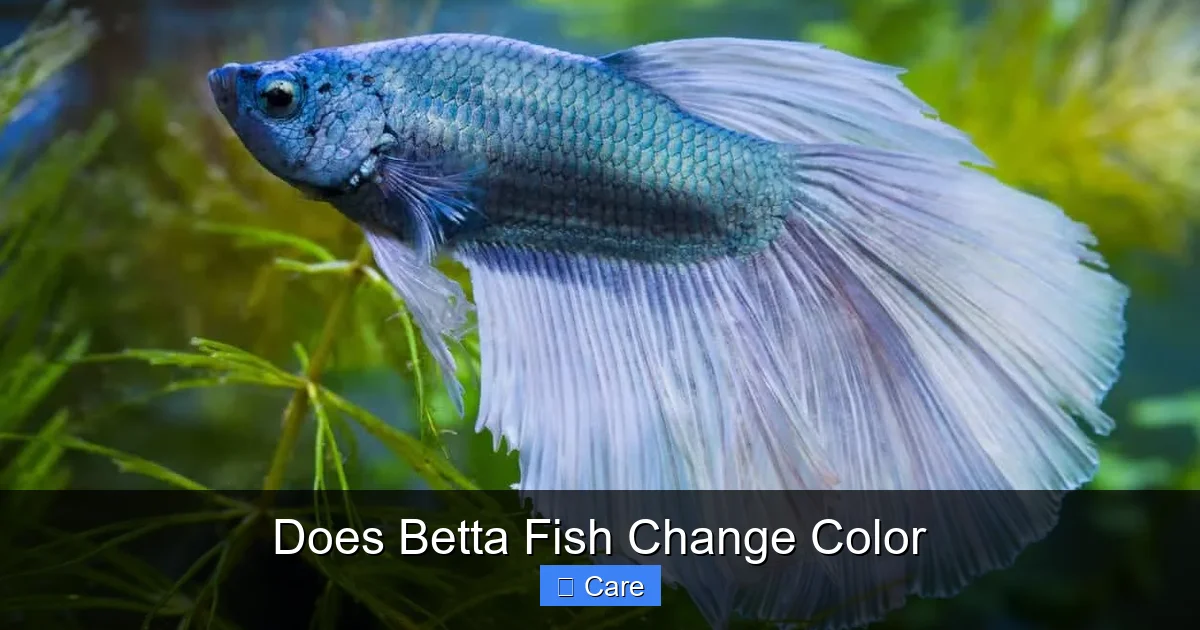
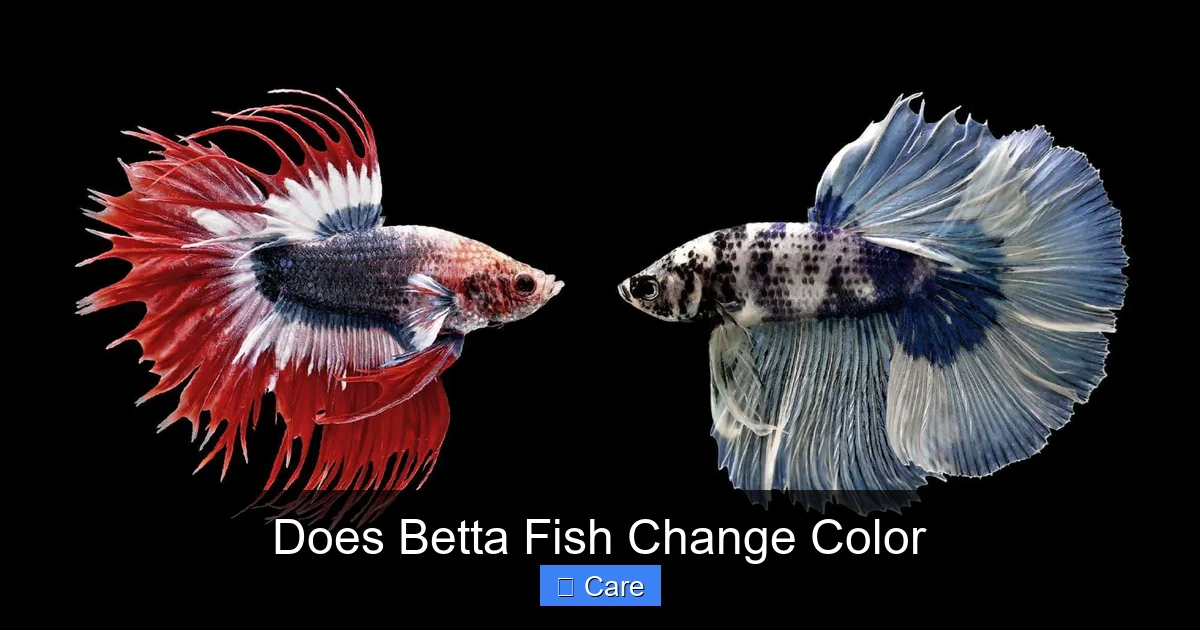
Betta fish can indeed change color, and it’s a natural response to stress, mood, health, and environment. Understanding the reasons behind these shifts helps you provide the best care, ensuring your finned friend stays bright and thriving.
Key Takeaways
- Color change is normal: Betta fish often shift hues due to mood, breeding, or stress.
- Health matters: Dull or fading colors can signal illness or poor water conditions.
- Lighting and diet influence vibrancy: Proper lighting and a nutritious diet enhance coloration.
- Tank setup plays a role: Clean water, appropriate temperature, and space affect a betta’s colors.
- Seasonal and age factors: Colors may fade as bettas age or during molting periods.
- Observe patterns: Noting when changes occur helps you pinpoint causes.
- Quick interventions: Adjusting water parameters or diet often restores lost brilliance.
📑 Table of Contents
Introduction: The Magic of Betta Colors
Betta fish, often called Siamese fighting fish, are famous for their dazzling fins and vivid colors. If you’ve ever watched a betta flare its gills, you might have noticed the colors shifting—sometimes dramatically, other times just a subtle tint. This can leave new owners wondering, “does betta fish change color?” The short answer is yes, and the reasons are as fascinating as the fish themselves.
In this article we’ll explore why bettas change color, what the changes mean, and how you can keep those hues bright and healthy. We’ll break down the science, share real‑world examples, and give you practical tips you can start using today.
1. The Science Behind Color Change
How Betta Pigments Work
Betta fish get their colors from specialized cells called chromatophores. There are three main types:
Visual guide about Does Betta Fish Change Color
Image source: afewgoodpets.com
- Melanophores: Contain black or brown pigments.
- Xanthophores: Hold yellow to orange pigments.
- Iridophores: Reflect light, creating blues, greens, and metallic sheens.
These cells can expand or contract, altering how much pigment shows on the skin. When a betta is relaxed, chromatophores may spread, displaying bright colors. When stressed, they contract, making the fish appear paler.
Hormonal Triggers
Hormones such as melatonin and adrenaline influence chromatophore activity. For example, during a fight or when a male is trying to attract a female, adrenaline spikes, causing the fish to flare and often intensify its colors. Conversely, low melatonin levels at night can make the fish look duller.
Environmental Influences
Temperature, water quality, and lighting all affect pigment expression. Warm water (around 78‑80°F) boosts metabolism, often leading to brighter colors. Poor water quality can stress the fish, causing the chromatophores to retract and the fish to look washed out.
2. Common Reasons Betta Fish Change Color
Stress and Fear
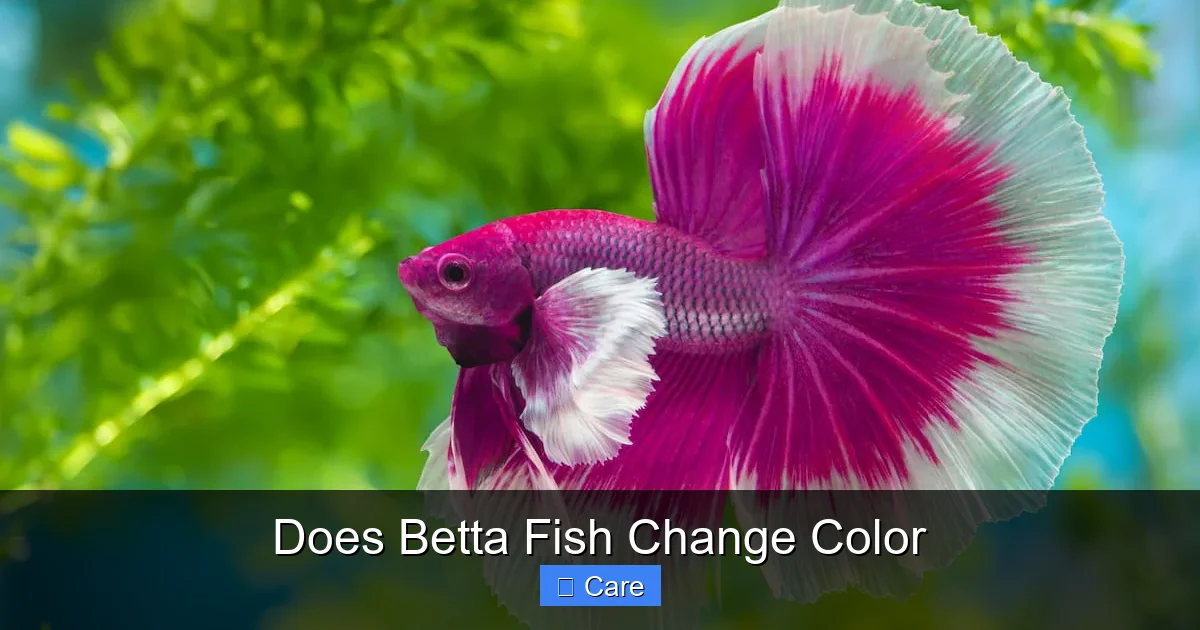
When a betta feels threatened—by a sudden movement, a new tank mate, or aggressive handling—it may darken or lose color. This is a protective response, similar to how some animals change spots when scared.
Visual guide about Does Betta Fish Change Color
Image source: hometanks.com
Health Issues
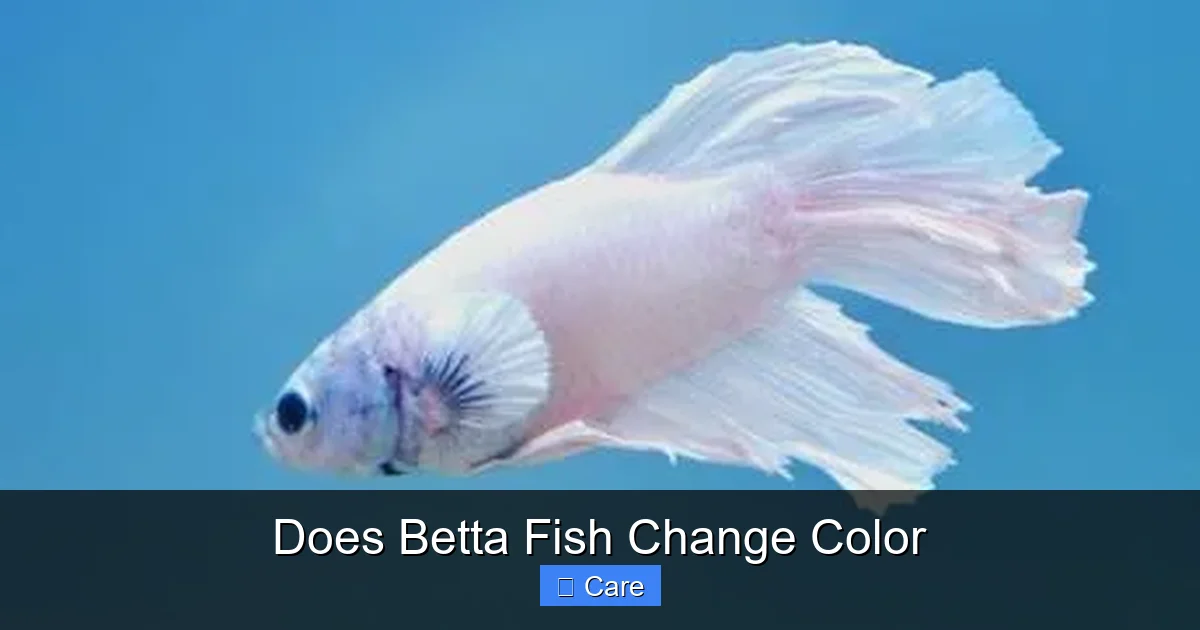
Illness often manifests as color loss. A faded or patchy appearance can signal parasites, fungal infections, or poor water conditions. If the color change is accompanied by lethargy, loss of appetite, or frayed fins, a health check is needed.
Breeding and Maturity
Male bettas develop brighter colors when they are ready to breed. As they age, however, some hues may fade. Young bettas often display a more uniform shade that becomes more complex with maturity.
Dietary Impact
What a betta eats directly influences pigment production. Foods rich in carotenoids (like brine shrimp, bloodworms, and specially formulated color‑enhancing pellets) can intensify reds and oranges. A bland diet may lead to duller fish.
For a deeper dive on feeding, see our guide on what does betta fish eat.
Lighting Conditions
Insufficient or overly harsh lighting can cause a betta’s colors to appear muted. A gentle, full‑spectrum LED light for 8–10 hours a day usually brings out the best hues without stressing the fish.
Seasonal Molting
Betta fish shed and regrow their scales occasionally, a process called molting. During a molt, colors may look pale until the new scales fully develop.
3. How to Encourage Vibrant Colors
Optimize Water Quality
Clean, stable water is the foundation of a healthy, colorful betta. Perform regular water changes—about 25‑30% weekly—and test for ammonia, nitrite, and nitrate levels. If you’re unsure how often to change water, our article on how often change betta fish water offers a simple schedule.
Visual guide about Does Betta Fish Change Color
Image source: bettasource.com
Maintain Proper Temperature
Betta fish are tropical and thrive at 78‑80°F (25‑27°C). Use a reliable heater and a thermometer to keep the temperature steady. Fluctuations can stress the fish and dull its colors.
Provide Balanced Nutrition
Feed a varied diet that includes high‑quality pellets, frozen or live foods, and occasional treats like daphnia for extra carotenoids. Overfeeding leads to water quality issues, so feed only what they can consume in 2‑3 minutes, twice daily.
Use Appropriate Lighting
Install a 10‑hour photoperiod with a full‑spectrum LED. Avoid direct sunlight, which can cause algae spikes and temperature spikes. A consistent light schedule helps regulate melatonin, keeping colors stable.
Enrich the Environment
Live plants, smooth rocks, and silk plants provide hiding spots, reducing stress. A well‑decorated tank also encourages natural behaviors that showcase colors, such as flaring and fin displays.
Consider Color‑Enhancing Supplements
Some betta owners add natural color enhancers like spirulina or astaxanthin to the diet. These can boost reds and oranges without harming the fish.
4. When Color Change Signals Trouble
Signs of Illness
If a betta’s color fades suddenly and is accompanied by any of the following, consult a vet or experienced aquarist:
- White or cloudy patches on the body.
- Frayed or torn fins.
- Loss of appetite.
- Lethargy or erratic swimming.
These symptoms may indicate why did my betta fish change colors due to disease.
Water Parameter Issues
High ammonia or nitrite levels cause stress and color loss. Test water weekly and perform partial changes if parameters exceed safe limits.
Improper Tank Size
Cramped spaces increase aggression and stress, leading to dull colors. A single male betta does best in a 5‑gallon tank with room to swim.
5. Real‑World Examples and Tips
Case Study: The “Blue‑to‑Green” Betta
Emma noticed her blue betta turning a greenish hue after moving the tank to a brighter room. She realized the new lighting was too intense. By switching to a dimmable LED set at 70% intensity and adding a few live plants, the fish’s original blue returned within a week.
Quick Fix: Restoring Lost Color
When your betta looks pale, try these three steps:
- Check water parameters: Adjust pH, temperature, and perform a 25% water change.
- Boost diet: Add a small amount of frozen bloodworms for carotenoids.
- Adjust lighting: Ensure 10‑hour photoperiod with moderate intensity.
Most owners see improvement in 3‑5 days if the cause was environmental.
Tip: Use a Color‑Enhancing Tank Décor
Backgrounds with contrasting colors (dark blues, purples) make a betta’s fins pop, giving the illusion of brighter hues.
Conclusion
So, does betta fish change color? Absolutely—color shifts are a natural part of their biology, reflecting mood, health, and environment. By understanding the underlying reasons and providing optimal care—clean water, proper temperature, balanced diet, and suitable lighting—you can help your betta display its most brilliant colors year after year. Keep an eye on any sudden or drastic changes, as they may be a warning sign of stress or illness. With attentive care, your betta will continue to be a living work of art in your home aquarium.
Frequently Asked Questions
Why does my betta fish sometimes turn darker?
Darkening often occurs when the fish is stressed, excited, or trying to impress a potential mate. Hormonal spikes cause chromatophores to expand, intensifying the color.
Can a betta fish’s color fade permanently?
Colors can fade permanently if the fish suffers long‑term health issues, severe stress, or aging. Promptly addressing water quality and diet can usually prevent permanent loss.
Do male and female bettas change color differently?
Male bettas typically display brighter, more dramatic color changes, especially during flaring and breeding. Females may change hue, but it’s usually subtler.
How often should I change the water to keep my betta’s colors vivid?
A 25‑30% water change each week is ideal. Consistent cleaning prevents ammonia buildup, which can stress the fish and dull its colors.
Will adding live plants help my betta’s coloration?
Yes. Live plants improve water quality, provide hiding spots, and reduce stress, all of which support vibrant colors.
Is it normal for a betta’s color to change after a molt?
During a molt, the new scales may appear lighter until they fully develop. Once the molt is complete, the original colors usually return.