How Big Do Betta Fish Tanks Need to Be
Betta fish thrive in tanks that are larger than the classic 2‑gallon bowl. A minimum of 5 gallons provides space, stable water, and a happier, healthier fish. This guide explains the why, the how, and the best practices for choosing the perfect tank size.
Key Takeaways
- Minimum size: Aim for at least a 5‑gallon tank for a single betta.
- Water stability: Larger volumes keep temperature and pH steadier, reducing stress.
- Enrichment matters: More space lets you add plants, caves, and swimming room.
- Filtration & heating: Bigger tanks make it easier to maintain clean, warm water.
- Future‑proofing: Choosing a slightly larger tank now saves money if you add companions later.
- Regular maintenance: Even a 5‑gallon tank needs weekly water changes and monitoring.
- Internal resources: Our guides on tank setup, water changes, and heating give you all the details.
📑 Table of Contents
- Introduction: Why Tank Size Matters More Than You Think
- 1. The Science Behind Tank Volume
- 2. Recommended Minimum Tank Size
- 3. Choosing the Right Tank Shape
- 4. Essential Equipment for the Ideal Betta Habitat
- 5. Maintaining Water Quality
- 6. Common Mistakes and How to Avoid Them
- Conclusion: Give Your Betta the Space It Deserves
Introduction: Why Tank Size Matters More Than You Think
When you first hear about betta fish, the image that often pops up is a tiny, colorful fish swimming in a small bowl on a desk. That picture is charming, but it’s also misleading. Betta fish are tropical creatures that need stable water conditions, room to explore, and places to hide. A tank that’s too small can become a death trap, leading to stress, disease, and a short lifespan.
In this article we’ll answer the burning question, how big do betta fish tanks need to be, and give you clear, step‑by‑step advice on picking the right size, setting it up, and keeping it healthy. Whether you’re a first‑time betta owner or you’re looking to upgrade an existing setup, the information here will help you make a confident decision.
1. The Science Behind Tank Volume
How water volume affects temperature
Betta fish come from warm waters in Southeast Asia, where temperatures hover around 78‑80°F (25‑27°C). In a small bowl, even a few degrees of temperature change can happen in minutes. A 5‑gallon tank, on the other hand, acts like a thermal blanket. It holds heat longer, making it easier for a heater to keep the water steady.
Visual guide about How Big Do Betta Fish Tanks Need to Be
Image source: light.fish
Why stable pH is crucial
Small volumes also mean rapid swings in pH and ammonia levels. A single uneaten pellet can spike ammonia in a 2‑gallon bowl, while the same amount is diluted in a 10‑gallon tank. Consistent pH keeps your betta’s gills healthy and reduces the risk of fin rot.
Space for natural behavior
Betta fish love to explore vertical space. They’ll flare their fins, swim up and down, and investigate decorations. A larger tank provides that three‑dimensional playground, which reduces boredom and aggression.
2. Recommended Minimum Tank Size
The 5‑gallon rule
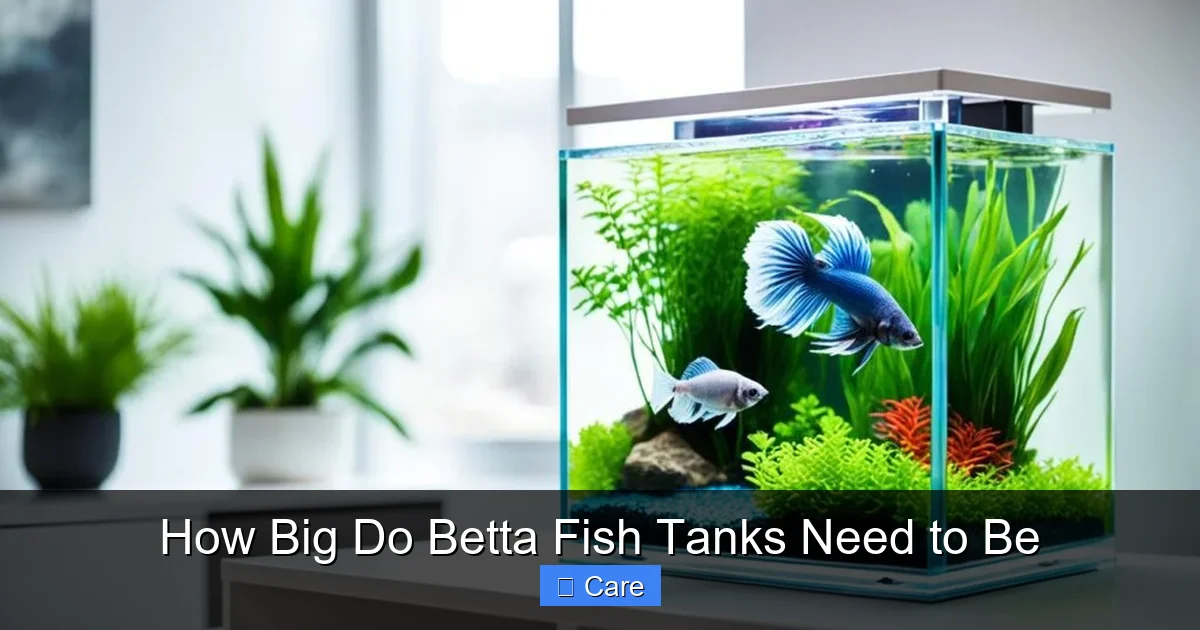
Most experts agree that 5 gallons (about 19 liters) is the absolute minimum for a single betta. This size meets the temperature, pH, and enrichment needs we just discussed. It also fits well on most desks, shelves, or floor stands.
Visual guide about How Big Do Betta Fish Tanks Need to Be
Image source: taildom.com
When to go bigger
- Live plants: If you want a planted betta, a 10‑gallon tank gives roots room to grow and provides natural filtration.
- Multiple bettas (male‑female breeding): A 20‑gallon tank is a safe starting point for a breeding pair, allowing separate compartments and plenty of hiding spots.
- Community tanks: If you plan to add peaceful shrimp or snails, a larger tank helps maintain water quality for all inhabitants.
3. Choosing the Right Tank Shape
Rectangular vs. tall tanks
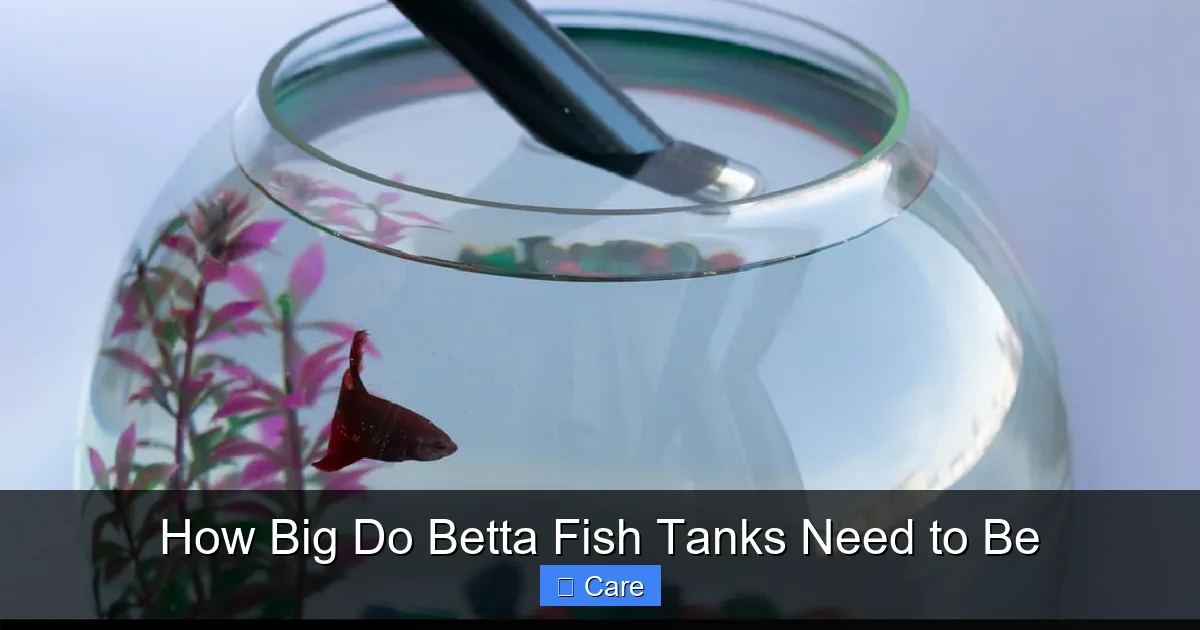
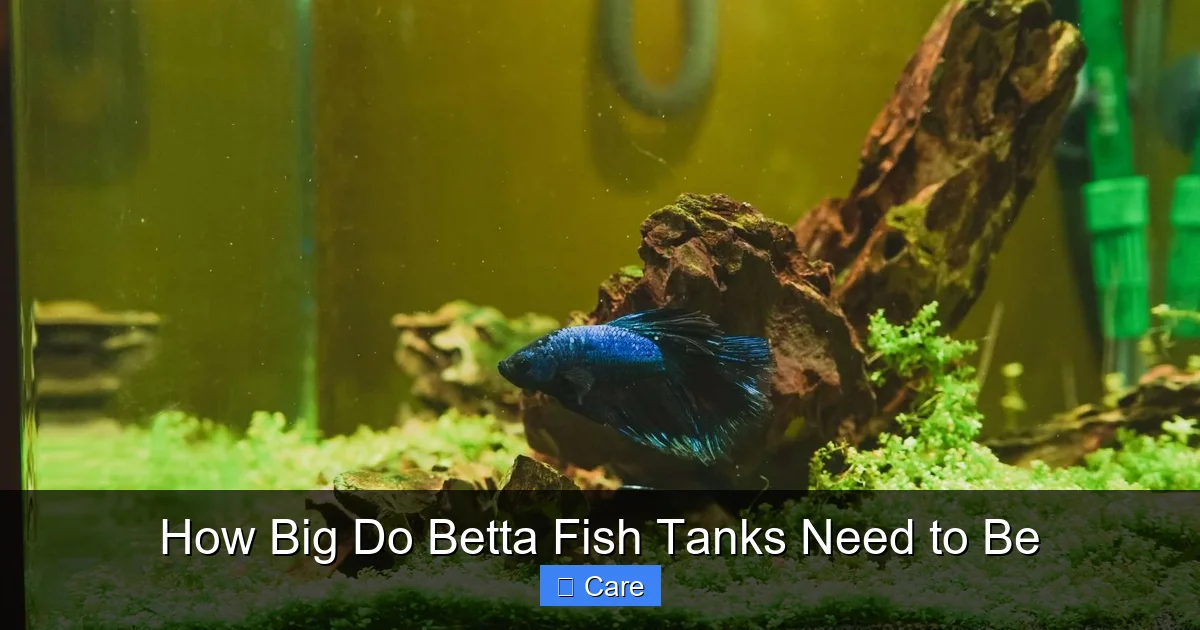
Betta fish enjoy swimming both horizontally and vertically. A tall, narrow tank gives them more vertical space, while a long rectangular tank offers a broader swimming area. For a 5‑gallon setup, a tall glass or acrylic tank (often called a “betta bowl with a lid”) works well because it maximizes height without taking up too much floor space.
Visual guide about How Big Do Betta Fish Tanks Need to Be
Image source: bettafishnest.com
Material matters
Glass is scratch‑resistant and looks classic, but acrylic is lighter and less likely to break. Both work fine as long as the tank is thick enough to handle the water pressure.
4. Essential Equipment for the Ideal Betta Habitat
Heater
Betta fish are tropical, so a reliable heater is non‑negotiable. A 50‑watt submersible heater works well for a 5‑gallon tank. Make sure the heater has an adjustable thermostat and a safety shut‑off.
Filter
While bettas can survive in unfiltered water, a gentle filter dramatically improves water quality and reduces the frequency of full water changes. Look for a low‑flow sponge filter or a hang‑on‑back filter set to “bubbler” mode to avoid stressing the fish.
Cover or lid
Betta fish are notorious jumpers. A tight‑fitting lid keeps them safe and also helps maintain temperature.
Lighting and décor
A dimmable LED light mimics the dappled sunlight of their natural habitat. Add live or silk plants, smooth rocks, and a small cave to give your betta places to rest.
For a step‑by‑step guide on setting up the tank, see our article on how to set up betta fish tank.
5. Maintaining Water Quality
Weekly water changes
Even in a 5‑gallon tank, change 25‑30% of the water each week. Use a water conditioner to remove chlorine and chloramines.
Testing parameters
Invest in a simple test kit that checks ammonia, nitrite, nitrate, and pH. Keep ammonia and nitrite at 0 ppm, nitrate below 20 ppm, and pH between 6.5‑7.5.
Cleaning the tank
Scrape algae off the glass, rinse the filter media in old tank water, and vacuum the substrate gently. For a detailed walkthrough, read how to do a water change for betta fish.
6. Common Mistakes and How to Avoid Them
Choosing a bowl “just because it’s cheap”
Bowls often lack a lid, heater, and filtration, leading to rapid temperature loss and ammonia spikes. Investing in a proper tank pays off in fish health.
Over‑decorating
While décor is important, too many plastic ornaments can trap waste and reduce swimming space. Stick to a few natural‑looking pieces.
Neglecting water changes
Even the best filter can’t remove all dissolved waste. Skipping weekly changes is a fast track to disease.
If you’re wondering whether bettas need big tanks at all, check out do betta fish need big tanks for a concise answer.
Conclusion: Give Your Betta the Space It Deserves
Answering the question, how big do betta fish tanks need to be, boils down to providing a stable environment where temperature, pH, and space are all in balance. A 5‑gallon tank is the sweet spot for a single betta, while larger tanks open the door to plants, breeding, and community setups. By choosing the right size, adding gentle filtration and heating, and performing regular maintenance, you’ll enjoy a vibrant, active betta for years to come.
Remember, a happy betta is a sign of good husbandry. Start with the recommended size, follow the care tips, and watch your fish flourish.
Frequently Asked Questions
What is the absolute minimum tank size for a single betta?
The smallest safe size is 5 gallons (about 19 liters). Anything smaller can lead to rapid water quality changes and stress.
Can I keep a betta in a glass bowl with a heater?
While a heater can keep the temperature stable, a bowl still lacks proper filtration and space, making it a poor long‑term choice.
Do bettas need a filter if I do weekly water changes?
A gentle filter is highly recommended. It helps keep ammonia low and reduces the frequency of full water changes.
How often should I change the water in a 5‑gallon betta tank?
Replace about 25‑30% of the water each week. Use a water conditioner to neutralize chlorine and chloramines.
Is it okay to add live plants to a betta tank?
Yes! Live plants improve water quality, provide hiding spots, and make the tank look natural. Just ensure the tank is at least 10 gallons for a fully planted setup.
Can I keep more than one betta together?
Male bettas are highly territorial and should never share a tank. A female can be housed with other peaceful species in a larger, well‑planted tank.