Decorating a betta fish bowl isn’t just about aesthetics—it’s about creating a thriving, stimulating environment that supports your fish’s health and natural behaviors. Start with a properly sized tank (minimum 5 gallons), not a tiny bowl. Choose soft, fine substrate like sand or smooth gravel, and incorporate a mix of live or silk plants for resting spots and hiding places. Always prioritize safe, non-toxic decorations with no sharp edges, and maintain pristine water quality with a filter and heater. The goal is to mimic a natural riverbank, providing exploration zones while ensuring your betta feels secure and stress-free.
So, you’ve brought home a beautiful betta fish, with its flowing fins and vibrant colors. You’ve got the water conditioner and the food, but now you’re staring at a plain tank, wondering how to make it a home. You might be asking, how to decorate betta fish bowl in a way that’s both beautiful for you and, more importantly, healthy and enriching for your new aquatic companion. This guide will walk you through every step, transforming a simple tank into a stunning, functional paradise that your betta will love to explore.
The key thing to remember from the very start is that the word “bowl” is often misleading and problematic. The classic, small, round “betta bowl” marketed in pet stores is one of the worst things you can house a betta in. These tiny vessels lack space for swimming, have no stable nitrogen cycle, and make temperature control impossible. True betta care begins with a proper aquarium. From there, decoration is about three core principles: Safety, Stimulation, and Stability. Every plant, rock, and ornament you choose should serve one or more of these purposes. Let’s dive in and build a beautiful world for your fish.
Key Takeaways
- Tank Size is Non-Negotiable: A true “bowl” is unsuitable. A filtered, heated 5+ gallon tank is the absolute minimum for a healthy, long-lived betta.
- Substrate Matters: Use fine sand or smooth, rounded gravel to protect your betta’s delicate fins. Avoid sharp, jagged stones.
- Plants are Essential: Provide broad-leafed plants (live or silk) for resting at the water’s surface and dense foliage for security. Floating plants are highly beneficial.
- Hiding Spots Reduce Stress: Include caves, logs, or other decor that offers complete darkness to retreat to, making your betta feel secure.
- Water Quality is Everything: A sponge filter or gentle hang-on-back filter, paired with an adjustable heater, is crucial. Cycle the tank before adding your fish.
- Decoration Safety First: All items must be aquarium-safe, with no painted surfaces that can peel or metal parts that can rust. Rinse everything thoroughly.
- Lighting Should Be Gentle: Bettas prefer dimmer lighting. Use a low-intensity LED and provide shade via plants to mimic their murky, shaded natural habitat.
📑 Table of Contents
- 1. Understanding Your Betta’s Natural Habitat: The Blueprint for Design
- 2. The Foundation: Choosing the Right Tank and Essential Equipment
- 3. The Groundwork: Selecting the Perfect Substrate
- 4. The Jungle Canopy: Adding Plants for Rest and Security
- 5. Building a Fortress: Hiding Spots, Caves, and Hardscape
- 6. The Finishing Touches: Lighting, Theme, and Maintenance
- Conclusion: A Home, Not Just a Bowl
1. Understanding Your Betta’s Natural Habitat: The Blueprint for Design
Before buying a single decoration, it helps to understand where bettas come from. Native to the shallow, slow-moving waters of rice paddies, streams, and marshes in Southeast Asia, bettas live in a world of dense vegetation, soft silt, dappled sunlight, and plenty of surface cover. The water is often warm, slightly acidic, and teeming with insect life and plant matter. This environment is the ultimate inspiration for your tank design.
Why a “Bowl” is a Terrible Idea
The iconic “betta bowl” fails on every level of replicating this habitat. It’s too small for any meaningful swimming, creating constant stress. Its shape distorts a fish’s vision. It has an enormous surface area-to-volume ratio, causing rapid, dangerous temperature swings (bettas need 78-80°F/25.5-26.5°C). Most critically, it cannot support a biological filter cycle, meaning toxic ammonia from fish waste builds up quickly, poisoning your fish. The first and most important decoration you can give your betta is a real tank.
The Three Pillars of Betta-Friendly Decor
As you plan, keep these pillars in mind. Safety means no sharp edges, no toxic materials, and no small openings a betta could get stuck in. Stimulation means providing things to explore—plants to hide in, open spaces to patrol, and varied textures. Stability means your decor shouldn’t topple easily and should support a healthy ecosystem (e.g., plants that absorb nitrates). Your goal is to create a balanced, secure, and interesting micro-world.
2. The Foundation: Choosing the Right Tank and Essential Equipment
You cannot have a properly decorated, healthy betta environment without the correct foundational equipment. This isn’t glamorous, but it’s the most critical step. A beautiful, fully decorated 1-gallon bowl with no filter or heater is a slow death sentence for your betta. Let’s set up the canvas first.
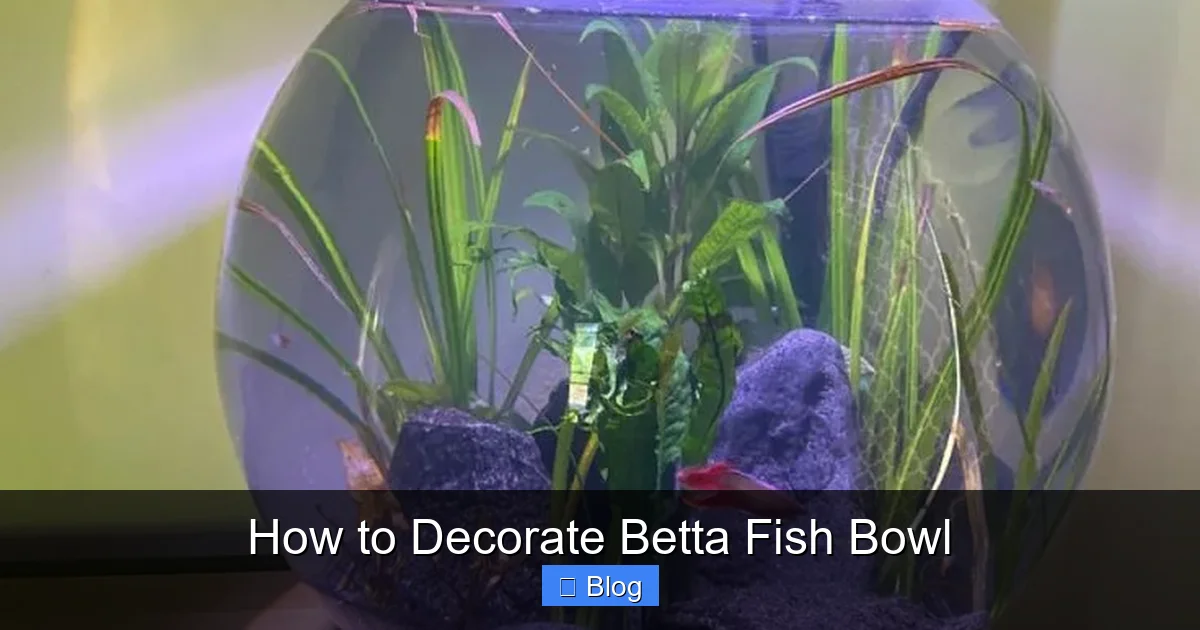
Visual guide about How to Decorate Betta Fish Bowl
Image source: i.pinimg.com
Tank Size and Shape: Go Long, Not Tall
Forget the bowl. Aim for a minimum of 5 gallons, but 10 gallons is even better and allows for a much more dynamic aquascape. A long, wide tank (like a 20-gallon “long” model) is superior to a tall, narrow one because bettas are surface-oriented fish. They need horizontal space to swim and flare, and a wide surface area allows for better gas exchange and easier planting. A larger volume of water also means more stable water parameters, which is easier on your fish and on you when it comes to maintenance.
The Non-Negotiable Trio: Heater, Filter, and Lid
Every betta tank needs three pieces of equipment. A submersible aquarium heater with an automatic thermostat is essential to maintain a stable tropical temperature. A gentle filter is just as essential. Bettas come from still water, so a powerful filter current will stress them. Opt for a sponge filter (which also provides great bio-filtration) or a hang-on-back filter with a flow adjustment you can turn down very low. Finally, a secure lid is a must. Bettas are notorious jumpers; a gap of even an inch is an escape route. A lid also helps maintain humidity and temperature.
3. The Groundwork: Selecting the Perfect Substrate
The “floor” of your betta’s world is more than just pretty rocks. Substrate plays a role in aesthetics, plant growth, and most importantly, fin safety. Your betta will constantly rest on the bottom and sift through it. Abrasive or large substrate can tear their delicate fins and cause infections.
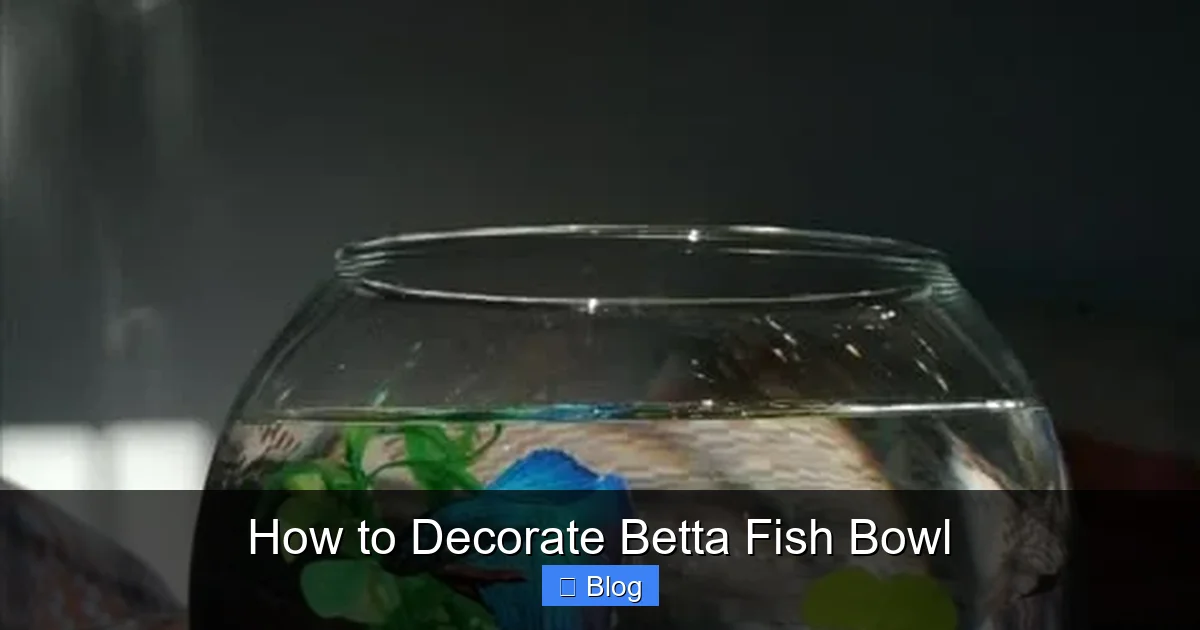
Visual guide about How to Decorate Betta Fish Bowl
Image source: i.pinimg.com
Sand: The Natural Choice
Fine, smooth sand is the closest replication of a betta’s natural muddy riverbed. It’s soft, allowing your fish to rest and dig without injury. Sand is excellent for certain live plants like Cryptocoryne and Vallisneria that root in it. The main drawback is that it can compact, potentially creating anaerobic “dead zones” that release toxic gas if not stirred occasionally. Malaysian Trumpet Snails are great sand-turners if you want a clean-up crew. Sand also shows waste prominently, which can be a pro (easy to spot) or a con (needs frequent vacuuming).
Gravel: The Practical Alternative
If you prefer a more colorful or varied look, smooth, rounded gravel is the only acceptable choice. Avoid any gravel with sharp, angular edges. Gravel is easier to vacuum clean than sand and doesn’t compact. However, bettas can sometimes get gravel stuck in their gills if they sift it aggressively, so choose pea-sized or smaller, perfectly smooth stones. Gravel does not support plant roots as well as sand, so any rooted plants will need root tabs for nutrients.
What to AVOID at All Costs
Never use decorative “river rocks” with jagged edges, marble chips (which leach calcium and raise pH), or any substrate not labeled “aquarium-safe”. Also, avoid colored gravel that hasn’t been pre-rinsed; cheap dyes can leach into the water. A good rule: if it feels rough to your hand, it’s too rough for your betta’s fins.
4. The Jungle Canopy: Adding Plants for Rest and Security
Plants are arguably the single most important decorative element for a betta tank. They provide critical resting platforms (bettas sleep and rest on leaves at the surface), reduce stress by breaking lines of sight, improve water quality by absorbing nitrates, and mimic the dense vegetation of their home. You have two excellent paths: live plants or high-quality silk plants.
Live Plants: The Ultimate Enrichment
Live plants create a dynamic, living ecosystem. They oxygenate the water, absorb pollutants, and can host beneficial microfauna. For beginners, start with hardy, low-light plants. Floating plants like Salvinia or Duckweed are betta favorites, creating a shaded canopy at the surface where they love to rest. Anubias and Java Fern are perfect—they have thick, broad leaves ideal for perching and can be tied to driftwood or rocks. Cryptocorynes offer softer, rippled leaves. Plant them in the substrate or attach them to hardscape. The key with live plants is providing proper lighting (a simple LED fixture is fine for low-light plants) and sometimes liquid fertilizer.
Silk Plants: A Beautiful, Low-Maintenance Alternative
High-quality silk plants have come a long way. Look for ones with soft, flexible leaves and sturdy, weighted bases. They provide the same visual density and resting spots as live plants but require no lighting, CO2, or fertilizer. They are perfect for a quick setup or if you don’t want the upkeep of live plants. The rule is the same: avoid any plastic plants with stiff, sharp leaves. If a plant feels brittle or scratchy to the touch, your betta’s fins will suffer.
Planting Tips for Success
Whether live or silk, arrange plants to create layers. Place taller plants in the back, medium-sized ones in the middle, and floating plants at the top. Leave some open swimming space in the center front. Cluster plants in groups of 3-5 for a natural look. Ensure there is always at least one broad-leafed plant (like an Anubias) right at the water’s surface where your betta can easily rest and build its bubble nest.
5. Building a Fortress: Hiding Spots, Caves, and Hardscape
Bettas, for all their boldness, are also prey animals in the wild. They need places to retreat to when they feel stressed or simply want privacy. A tank with only open water is a stressful, exposed environment. Providing caves, tunnels, and dense cover is essential for your betta’s sense of security.
Caves and Hiding Places
Every betta tank should have at least one, preferably two, true hiding spots—a place that is completely dark inside. Commercial resin caves, coconut shells (available at pet stores, not raw ones which can rot), or even a small, clean terracotta pot (hole plugged and smoothed) work wonderfully. Position these in a quiet corner of the tank, perhaps partially hidden by plants. Your betta will use these for sleeping and when it wants total security.
Driftwood and Rocks: Natural Architecture
Driftwood (like Malaysian or Mopani) adds a beautiful, natural aesthetic and provides surfaces to tie plants to. It also leaches beneficial tannins that can slightly lower pH and have mild antibacterial properties, mimicking blackwater conditions. Smooth river rocks (always boil or scrub them thoroughly) can be stacked to create little archways or ledges. The key is stability—any rock stack must be cemented or very carefully balanced so it cannot fall on your fish.
The Importance of Open Space
While creating a jungle of plants and caves, be careful not to over-clutter. Bettas are active swimmers and need clear pathways to patrol their territory. Leave a generous open area in the front and middle of the tank. A good rule of thumb is that open water should make up about 40% of the tank’s volume. This gives your betta room to show off its glorious finnage and reduces the risk of injury from constantly bumping into decor.
6. The Finishing Touches: Lighting, Theme, and Maintenance
Now that the core structure is in place, it’s time for the details that bring your aquascape together and ensure it remains a healthy, low-stress environment for the long term.
Lighting: Less is More
Bettas naturally live in shaded, overgrown waters. They do not like harsh, bright light. A simple, low-intensity LED aquarium light is sufficient, especially if you have live plants that don’t require high light. Use a timer to provide a consistent day/night cycle (8-10 hours of light). The floating plants you added will also help diffuse the light, creating beautiful dappled effects and giving your betta shaded retreats. Avoid spotlights or very bright bulbs that can cause algae blooms and stress your fish.
Choosing a Theme (Optional but Fun)
You can create a cohesive look. A “Natural Riverbank” theme uses sand, driftwood, Anubias, and Crypts. A “Mossy Forest” focuses on different mosses (Java Moss, Christmas Moss) attached to rocks and wood. A “Minimalist Zen” uses a single, beautiful piece of dragon stone, a few Anubias, and open sand. Stick to natural colors—grays, browns, greens. Avoid neon gravel, glittery ornaments, and cartoonish figurines that look cheap and can leach toxins.
Ongoing Maintenance for a Lasting Display
A decorated tank is only as good as its maintenance. Once a week, use a gravel vacuum to clean the substrate, removing debris from between the sand/gravel and plants. Gently wipe the inside glass with an algae pad (never use soap!). Prune dead leaves from live plants. Perform regular 25-30% water changes with dechlorinated, temperature-matched water to keep parameters stable. Test water weekly for ammonia, nitrite, and nitrate. A clean tank is a beautiful tank, and more importantly, a healthy one for your betta.
Conclusion: A Home, Not Just a Bowl
Decorating your betta’s tank is a rewarding creative project that directly impacts your pet’s wellbeing. By moving beyond the misconception of the “betta bowl” and investing in a properly sized, filtered, and heated tank, you’ve already won half the battle. From there, choose soft substrate, prioritize broad-leafed plants for resting, and always provide secure hiding spots. The most beautiful tanks are those that tell a story of a natural, balanced habitat. When you see your betta lazily resting on a broad Anubias leaf, exploring the shadows of a planted cave, or flaring at its reflection in a clean pane of glass, you’ll know you’ve succeeded. You haven’t just decorated a tank; you’ve created a stimulating, safe, and stunning world for a fascinating creature to call home. Take your time, enjoy the process, and watch your betta thrive in its new paradise.
Frequently Asked Questions
Can I use regular garden rocks or wood in my betta tank?
No. Only use items labeled “aquarium-safe.” Garden rocks can contain harmful minerals or sharp edges. Raw wood will rot and foul the water. Always purchase driftwood from a pet store that has been properly cleaned and cured.
Is a filter really necessary in a betta tank?
Absolutely. A filter is essential for establishing the nitrogen cycle, which converts toxic fish waste into less harmful substances. Without it, ammonia will poison your betta. Choose a gentle filter with an adjustable flow so it doesn’t create a strong current.
My betta keeps hiding and not swimming around. Is my decor wrong?
Not necessarily. Hiding is normal, especially for a new betta adjusting to its home. Ensure you have open swimming spaces and that water parameters are stable. If the behavior persists for more than a week, check for signs of illness. Sometimes, adding more plants or rearranging decor to create new exploration paths can encourage activity.
Can I put a mirror in the tank for my betta to flare at?
While bettas will flare at their reflection, this is a stressful activity that should be limited. It causes them to expend energy and can increase aggression. It’s better to provide enrichment through plants, caves, and occasional safe interactions with you outside the tank.
How often should I clean the decorations in my betta tank?
During your weekly water change, gently rinse decorations (like rocks, caves, and driftwood) in the bucket of old tank water you’ve just removed. Never use tap water or soap, as these kill beneficial bacteria. Only use a soft brush to remove any visible algae or debris. Live plants generally don’t need rinsing.
My betta builds bubble nests even with a filter on. Is the current too strong?
Not necessarily. Bubble nest building is an instinctual behavior triggered by factors like water temperature, condition, and the fish’s own personality. However, if you see the nest being destroyed by the filter current, you should definitely reduce the flow. A calm surface is ideal for bubble-nesting bettas.