What Causes My Betta Fish to Die
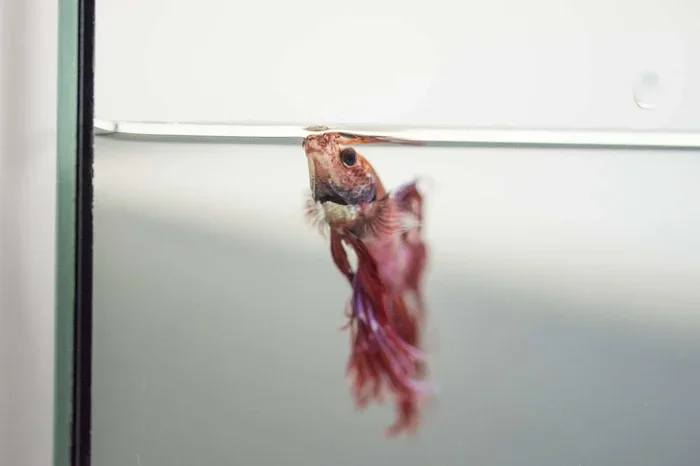
Understanding what causes my betta fish to die starts with recognizing the most common threats: poor water quality, wrong temperatures, overfeeding, and disease. Many betta owners lose their fish to preventable problems that are easy to fix with the right knowledge. This guide covers every major cause and gives you practical steps to keep your betta healthy and thriving for years.
Losing a betta fish is heartbreaking. These colorful creatures bring life to any room, and watching them fade away feels deeply personal. If you have ever asked yourself what causes my betta fish to die, you are not alone. Thousands of betta owners face this painful question every year, and the good news is that most causes are preventable.
This guide walks you through every major reason betta fish die. We will cover water quality, temperature problems, feeding mistakes, diseases, and stress. By the end, you will know exactly how to protect your fish and give them the long, healthy life they deserve.
A betta fish lifespan normally ranges from three to five years. But many bettas die within weeks or months of arriving home. The difference usually comes down to care basics. Small changes in how you manage your tank can make a huge difference. Let us dive into the top causes of premature betta death and what you can do about each one.
Key Takeaways
- Poor water quality is the #1 killer of betta fish. Ammonia and nitrite buildup in tanks can be fatal within hours.
- Temperature swings stress bettas and weaken their immune system. Cold water is especially dangerous.
- Overfeeding causes bloating, swim bladder disease, and dirty tanks that lead to early death.
- Disease and illness like ich, fin rot, and fungal infections spread fast without treatment.
- Stress from bad tank mates or small tanks shortens a betta lifespan significantly.
- Regular water changes and proper tank cycling prevent most common causes of betta fish death.
📑 Table of Contents
Poor Water Quality: The Silent Killer
The number one reason betta fish die is bad water. Fish live in their water. Everything they touch, breathe, and absorb comes directly from the tank environment. When that water becomes toxic, your fish suffers silently until it is too late.
Ammonia and Nitrite Buildup
Fish waste, leftover food, and decaying plants release ammonia into the water. In a new tank that has not been properly cycled, ammonia levels spike fast. Even small amounts of ammonia burn a betta’s gills and damage internal organs. Nitrite is another toxic compound that builds up during the early stages of tank cycling.
Here is how ammonia and nitrite hurt your fish:
- Burns delicate gill tissue, making it hard to breathe
- Weakens the immune system, leaving your betta open to infection
- Causes stress behavior like hiding, clamped fins, and rapid breathing
- Leads to sudden death in high concentrations
The only way to prevent this is by cycling your tank before adding your betta. Cycling takes about four to six weeks. It builds beneficial bacteria that break down toxic waste. If you already have a betta in an uncycled tank, do frequent small water changes to reduce danger.
Chlorine and Tap Water Danger
Many beginners make the mistake of adding tap water directly to their tank. Tap water contains chlorine and chloramine. These chemicals are safe for humans but deadly for betta fish. They strip the protective slime coat from your fish’s skin and damage gill function.
Always use a water conditioner before adding water to your tank. Products like water conditioners designed for betta tanks neutralize chlorine instantly. This simple step alone can prevent a surprising number of fish deaths.
Lack of Water Changes
Even in a fully cycled tank, waste builds up over time. Nitrate levels rise gradually. While nitrate is less toxic than ammonia, high concentrations still harm your betta over weeks and months. Regular water changes keep nitrate under control.
For a betta tank, aim to change 25 to 30 percent of the water every week. Use a gravel vacuum to remove debris from the substrate. This routine maintenance is one of the easiest ways to extend your betta’s life.
Temperature Problems: Too Cold or Too Hot
Betta fish are tropical creatures. They need warm, stable water temperatures to thrive. Temperature swings are just as dangerous as wrong temperatures. When the water is too cold, your fish becomes sluggish and prone to illness. When it is too hot, oxygen levels drop and stress increases.
Cold Water: A Common Death Trap
Cold water is one of the most overlooked causes of betta fish death. Many people keep bettas in unheated rooms or small bowls without heaters. When room temperature drops below 74°F (23°C), the betta’s metabolism slows down dangerously.
Cold water causes several serious problems:
- Suppressed immune system that cannot fight off bacteria or parasites
- Swim bladder issues that make it hard to swim or eat
- Lethargy and loss of appetite, leading to malnutrition
- Increased risk of fungal and bacterial infections
If you want to learn more about how cold water specifically affects your fish, read our guide on whether betta fish can survive in cold water. The answer might surprise you.
Heat Stress and Overheating
On the other side of the spectrum, water above 82°F (28°C) causes problems too. Hot water holds less dissolved oxygen. Your betta may start gasping at the surface. High temperatures also speed up a betta’s metabolism, which shortens its lifespan over time.
The ideal range for a betta tank is 76°F to 80°F (24°C to 27°C). Use a reliable aquarium heater with a thermostat. Place the heater near the filter output to distribute warm water evenly.
Overfeeding and Diet Mistakes
Feeding mistakes are shockingly common and incredibly harmful. Betta fish have small stomachs, roughly the size of their eye. Many owners overestimate how much food their fish needs and end up doing more harm than good.
The Dangers of Overfeeding
When you feed your betta too much, the extra food either gets eaten or it decays in the tank. Uneaten food breaks down and releases ammonia directly into the water. This creates a toxic environment that stresses your fish and degrades water quality fast.
Overfeeding also causes direct health problems:
- Bloating and constipation from eating more than the stomach can handle
- Swim bladder disease, which makes it impossible for the fish to swim properly
- Fatty liver disease from a diet too high in protein and fillers
- Dirty tank conditions that trigger ammonia spikes
If your betta is eating too much and showing signs of distress, check our article on whether overfeeding can kill a betta fish. The answer is yes, and the effects happen faster than most people realize.
Feeding the Wrong Foods
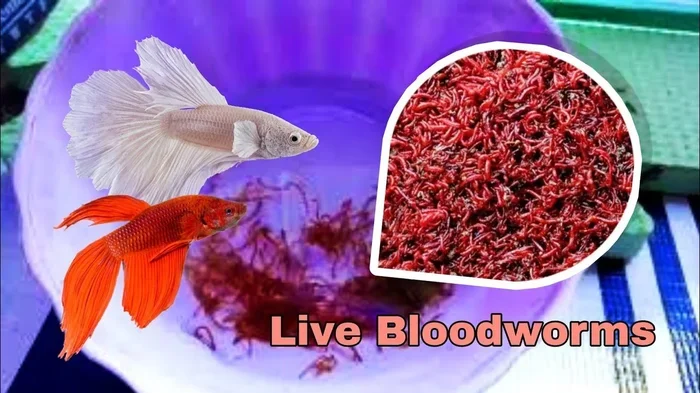
Not all fish food is created equal. Many cheap flakes contain fillers like corn and wheat that bettas cannot digest properly. A betta is a carnivore. It needs protein-rich foods like bloodworms, brine shrimp, and high-quality betta pellets.
Feed your betta two to three pellets twice a day. Skip one feeding day per week to let the digestive system rest. If you want variety, offer occasional treats like frozen or live foods that mimic what bettas eat in the wild.
Why Your Betta Won’t Eat
Sometimes the feeding problem is the opposite. Your betta refuses food, and you worry something is wrong. Loss of appetite is one of the earliest warning signs of illness or stress. It can also signal water quality problems.
If your betta stops eating, test your water parameters first. Check ammonia, nitrite, and nitrate levels. If the water is clean, consider whether the temperature is in the right range. Bettas eat less in cold water. For more on this topic, see our article on why betta fish stop eating.
Disease and Illness That Kill Betta Fish
Disease is a leading cause of betta death, especially in fish kept in stressful or dirty conditions. A healthy betta in clean water with a balanced diet can usually fight off minor infections. But when the immune system is weakened, diseases spread quickly and become deadly.
Fin Rot and Tail Rot
Fin rot is a bacterial infection that eats away at the fins and tail. It starts as frayed or discolored edges and progresses rapidly if untreated. In severe cases, the infection reaches the body and becomes fatal.
Fin rot is caused by poor water quality, stress, or injury. The bacteria that cause it are always present in the tank. A healthy fish can keep them in check. But a weakened fish cannot. The treatment involves improving water quality, doing regular water changes, and in severe cases, using aquarium-safe antibiotics.
Swim Bladder Disease
Swim bladder disease affects a betta’s ability to control buoyancy. The fish may float upside down, sink to the bottom, or struggle to swim in a straight line. This condition is often caused by overfeeding, constipation, or sudden temperature changes.
In some cases, swim bladder problems stem from a bacterial infection. In others, it is a temporary digestive issue. Fasting your betta for two to three days can help clear constipation-related swim bladder issues. For a deeper look at this condition, read what causes swim bladder disease in betta fish.
Fungal and Parasitic Infections
Fungal infections appear as white cotton-like growths on the body or fins. They usually develop on fish that are already stressed or injured. Parasites like ich (white spot disease) cause tiny white dots across the fins and body. Both conditions spread fast in crowded or dirty tanks.
Prevention is always better than treatment. Keep water clean, avoid temperature swings, and quarantine any new fish before adding them to your betta tank. Early detection and treatment dramatically improve survival rates.
Stress and Environmental Factors
Stress is a hidden killer. It weakens the immune system and makes your betta vulnerable to every disease and infection. Many owners do not realize that their tank setup is causing chronic stress, even when the fish looks fine on the surface.
Tiny Tanks and Bowls
One of the most common mistakes is keeping a betta in a bowl or a tank smaller than five gallons. Small volumes of water change chemistry fast. Temperature fluctuations happen quickly. Ammonia spikes hit hard and fast in tiny tanks.
A betta needs at least a five-gallon tank with a filter and heater. The filter removes waste and maintains water quality. The heater keeps the temperature stable. Together, these create a stable environment that supports a strong immune system.
Wrong Tank Mates
Not all fish make good companions for bettas. Bettas are territorial and can be aggressive toward fish with bright colors or long fins. Keeping a betta with fin-nipping fish or aggressive species causes constant stress.
Some suitable tank mates include small peaceful fish like corydoras, kuhli loaches, and certain types of shrimp. Always research compatibility before adding any new fish to your betta tank.
Lack of Enrichment
Betta fish are curious and active. A bare tank with nothing to explore causes boredom and stress. Add live plants, caves, and gentle decorations. These give your betta places to hide, explore, and feel secure. A stimulated betta is a healthier, happier betta.
Preventing Premature Betta Death: What You Can Do
Now that you know the main causes of betta fish death, let us look at what you can do to prevent them. Prevention is always easier and more effective than treatment.
- Cycle your tank before adding your betta. This builds the beneficial bacteria needed to process waste.
- Test water parameters weekly. Use a liquid test kit to check ammonia, nitrite, nitrate, and pH levels.
- Do regular water changes. Replace 25 to 30 percent of the water every week.
- Use a water conditioner every time you add new water to neutralize chlorine and chloramine.
- Keep the temperature stable between 76°F and 80°F with a reliable heater.
- Feed appropriately. Two to three pellets twice a day, with one fasting day per week.
- Watch for early warning signs like loss of appetite, clamped fins, or unusual swimming behavior.
- Quarantine sick fish immediately to prevent disease from spreading.
Following these steps dramatically reduces the risk of premature death. Your betta fish can live a full, healthy life when given proper care and attention.
When to Seek Help for a Sick Betta
Sometimes, despite your best efforts, your betta falls ill. Knowing when to act can mean the difference between life and death. Early intervention is always the most effective approach.
Contact a veterinarian or experienced fish specialist if your betta shows any of these symptoms:
- Labored breathing or gasping at the surface
- White spots or cottony growths on the body or fins
- Inability to swim or staying stuck at the bottom or top
- Refusing food for more than three days
- Visible injuries or fin deterioration
If you are wondering where to get help, check our guide on taking your betta fish to the vet or Petco. Many pet stores and veterinary clinics offer fish care services that can save your fish’s life.
Conclusion
The answer to what causes my betta fish to die usually comes down to a few preventable factors. Poor water quality, wrong temperatures, overfeeding, disease, and stress are the top killers. The great news is that every one of these causes can be addressed with knowledge and consistent care.
Your betta fish depends on you for everything. Clean water, the right temperature, proper food, and a stress-free environment are the foundations of good betta care. When you get these basics right, your fish has the best chance of living a long, vibrant life.
Start today. Check your water parameters. Adjust your heater. Review your feeding routine. These small actions add up to a big difference. Your betta will thank you with years of color, energy, and companionship.
Frequently Asked Questions
What is the most common cause of betta fish death?
Poor water quality is the single biggest killer of betta fish. Ammonia and nitrite buildup from uncycled tanks or infrequent water changes poison fish quickly. Regular maintenance and proper tank cycling prevent most water-related deaths.
Can a betta fish die from cold water?
Yes, cold water is extremely dangerous for bettas. Temperatures below 74°F slow down metabolism and suppress the immune system. This makes fish vulnerable to infections and diseases that a healthy betta could normally fight off.
How often should I feed my betta fish?
Feed your betta two to three pellets twice a day. Skip one day per week to allow the digestive system to rest. Overfeeding is more dangerous than underfeeding, so when in doubt, feed a little less.
Do betta fish die easily?
Betta fish do not die easily if given proper care. However, they are sensitive to water quality, temperature, and diet. Many bettas die prematurely because owners do not know the basics of tank maintenance and water chemistry.
What should I do if my betta fish stops eating?
First, test your water parameters to rule out ammonia or nitrite spikes. Check that the temperature is in the ideal range of 76°F to 80°F. If the water is clean and warm, your betta may be stressed or ill. For persistent appetite loss, consult a fish veterinarian.
Can I save my betta fish if it is showing signs of illness?
Yes, early intervention greatly improves survival chances. Isolate the sick fish, improve water quality through a water change, and adjust the temperature if needed. For bacterial infections, aquarium-safe antibiotics can be effective. The sooner you act, the better the outcome.