Why Does My Betta Fish Don’t Want to Eat
Betta fish stop eating for many reasons—from water problems to stress or illness. Identify the root cause, adjust the environment, and try simple feeding tricks to revive their appetite.
Key Takeaways
- Water quality matters: Poor parameters are the top reason bettas refuse food.
- Stress triggers loss of appetite: Over‑crowding, bright lights, or aggressive tank mates can shut down feeding.
- Illness signs: Look for clamped fins, bloating, or color loss as red flags.
- Food choice counts: Stale, wrong temperature, or inappropriate size can turn a betta away.
- Gradual re‑feeding works: Small, frequent meals and live foods often coax a picky fish.
- Monitor and adjust: Keep a daily log of water tests and feeding attempts.
- Seek help early: If appetite doesn’t improve in 48‑72 hours, consult a vet or experienced hobbyist.
📑 Table of Contents
Introduction
If you’ve ever stared at a beautiful betta swimming lazily at the surface and wondered, “why does my betta fish don’t want to eat?” you’re not alone. Many hobbyists face this puzzling problem, and it can feel scary because a betta that won’t eat can quickly become sick.
Good news: most appetite issues have a simple fix. By checking a few key factors—water, stress, diet, and health—you can often get your finned friend back to its happy, voracious self. This guide walks you through every possible reason, offers practical tips, and shows you how to prevent the problem from returning.
1. Water Quality – The Hidden Culprit
Why clean water matters
Betta fish are native to shallow, slow‑moving waters in Southeast Asia where the water is soft, slightly acidic, and well‑oxygenated. In a home aquarium, even a small shift in pH, ammonia, or temperature can make the fish feel unsafe, and a stressed betta will often stop eating.
Key parameters to test
- Ammonia (NH₃/NH₄⁺): Any detectable level is toxic.
- Nitrite (NO₂⁻): Should be 0 ppm; even low levels cause stress.
- Nitrate (NO₃⁻): Keep under 20 ppm for bettas.
- pH: Ideal range 6.5 – 7.5.
- Temperature: 76‑82°F (24‑28°C) is optimal.
Practical water‑care steps
1. Test weekly with a liquid test kit. Why did my betta fish die in a week often points back to water neglect.
2. Partial water changes: Replace 25‑30 % of the tank water every 2‑3 days until parameters are stable.
3. Conditioner: Use a de‑chlorinator and a water‑softening additive if your tap water is hard.
4. Heater and thermometer: Keep temperature steady; fluctuations can suppress appetite.
2. Stress – The Silent Appetite Killer
Common stressors in a betta tank
Betta fish are territorial and easily frightened. Stress can come from:
- Bright, direct lighting or constant on/off cycles.
- Too much foot traffic around the tank.
- Incompatible tank mates (even other peaceful fish can be too active).
- Loud vibrations from nearby appliances.
How stress stops feeding
When a betta feels threatened, its body releases cortisol, which reduces digestive activity. The fish may hide under plants, rest on the bottom, or simply ignore food that drifts by.
Stress‑reduction checklist
- Cover the tank: A dark lid or background can calm the fish.
- Provide hiding spots: Live plants, silk leaves, or caves give a sense of security.
- Limit tank mates: A single male betta does best alone; read Why Betta Fish Need To Be Alone for details.
- Adjust lighting: Use a timer for 10‑12 hours of gentle light.
3. Illness – When Health Takes Over Appetite
Symptoms that accompany loss of appetite
Not eating is often the first sign of an underlying disease. Look for these red flags:
- Clamped or torn fins – see Why Does My Betta Fish Fins Look Shredded.
- Bloated abdomen or constipation – Why Does My Betta Fish Look Bloated.
- Color fading or white patches – Why Is My Betta Fish Turning White.
- Rapid breathing, gasping at the surface.
- White or black spots, fungal growth.
Common diseases that cause anorexia
Ich (white spot disease): Tiny white cysts irritate the skin, making the fish shy away from food.
Velvet (Oodinium): A gold‑dust coating interferes with gill function, leading to lethargy.
Swim bladder disorder: The fish may float sideways and lose interest in feeding.
If you spot any of these signs, isolate the betta in a hospital tank, raise the temperature slightly (to 82°F) to speed parasite life cycles, and treat with appropriate medication.
4. Food Issues – The Wrong Meal Can Turn a Betta Away
Choosing the right type of food
Betas are carnivores. Their natural diet consists of insects, larvae, and small crustaceans. In captivity, the best options are:
- High‑quality betta pellets (rich in protein, low in fillers).
- Frozen or live brine shrimp, daphnia, or bloodworms.
- Occasional treats like microworms.
Common feeding mistakes
- Stale or old food: Nutrients degrade; fish detect the off‑taste and refuse it.
- Food that’s too big: A betta’s mouth is tiny; large pellets get rejected.
- Cold food: Cold meals can shock the digestive system. Warm frozen foods to tank temperature.
- Over‑feeding: A full stomach can make the fish feel sick and stop eating.
Feeding strategies to coax a picky betta
- Offer a variety: Rotate between pellets, frozen, and live foods for 3‑4 days.
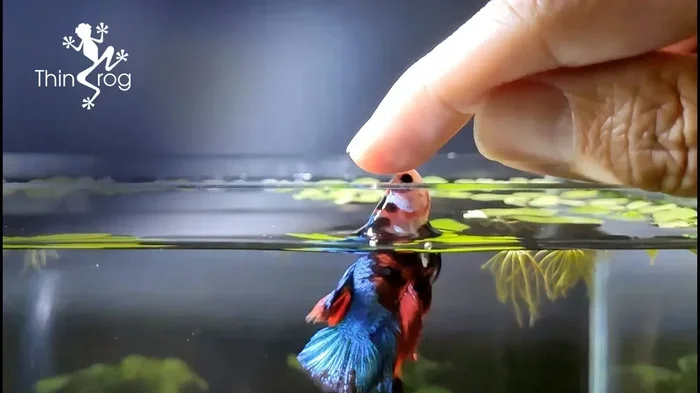
- Use tweezers: Gently place a single food item near the mouth; this mimics live prey.
- Feed smaller portions: 2‑3 pellets twice daily rather than a large batch.
- Check temperature: Warm frozen foods in a cup of tank water for 1‑2 minutes.
5. Environmental Factors Beyond Water
Tank size and décor
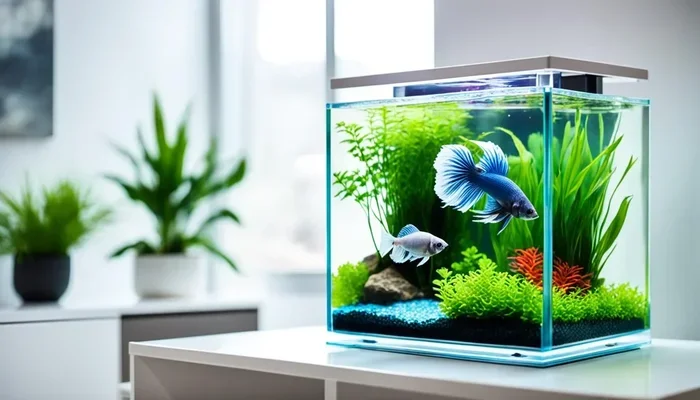
Even though bettas can live in small containers, a 5‑gal tank gives more stable water parameters and space to explore, which reduces stress. Include silk plants and smooth rocks—avoid sharp decorations that can tear delicate fins.
Lighting and day/night cycle
Betas need a regular rhythm. Too much light can cause constant activity, while darkness all day can suppress feeding. A simple 12‑hour light/12‑hour dark schedule works well.
Noise and vibrations
Heavy foot traffic, music with deep bass, or a nearby air pump can create vibrations that stress a betta. Place the tank on a stable surface and consider a quiet filter.
6. When to Seek Professional Help
Red flag timeline
If your betta refuses food for more than 48 hours, start a log of water parameters, temperature, and any visible symptoms. After 72 hours without eating, the risk of organ failure rises sharply.
Finding a vet or specialist
Look for a veterinarian who specializes in aquatic animals or a reputable aquarium store with a quarantine tank. Bring a water sample and a photo of the fish’s condition.
Preventive routine
Maintain weekly water tests, monthly tank cleanings, and a balanced diet. Regular observation—note any change in behavior within minutes of feeding—helps catch problems early.
Conclusion
Understanding why does my betta fish don’t want to eat starts with a systematic check of water, stress, health, and diet. Most appetite problems are resolved by improving water quality, reducing stressors, and offering the right food at the right temperature. Keep a close eye on your betta’s behavior, act quickly if warning signs appear, and you’ll enjoy a healthy, active fish that eagerly greets each feeding time.
Frequently Asked Questions
Why is my betta not eating after a water change?
Sudden changes in temperature, pH, or chlorine residues can shock a betta. Make sure the new water is conditioned, matches tank temperature, and test parameters before adding it.
Can stress from a new tank mate cause my betta to stop eating?
Yes. Even peaceful fish can provoke a betta’s territorial instincts, leading to stress‑induced loss of appetite. Keep male bettas alone and monitor any female interactions closely.
How long can a betta survive without food?
Healthy adult bettas can survive 5‑7 days without eating, but signs of weakness appear after 48 hours. Prompt intervention is recommended.
My betta eats pellets but not live food—what should I do?
Start by offering live food in very small amounts using tweezers. If the betta still refuses, ensure the pellets are fresh and consider a different brand with higher protein content.
Is it normal for a betta to spit out food?
Occasional spitting can happen if the food is too large or the water temperature is too low. Offer smaller pieces and warm frozen foods to the tank temperature.
When should I consider medication for a betta that won’t eat?
If you notice additional symptoms like white spots, clamped fins, or bloating, start a quarantine treatment for parasites or bacteria while continuing to offer easy‑to‑digest foods.