How Many Bloodworms Do I Feed My Betta Fish
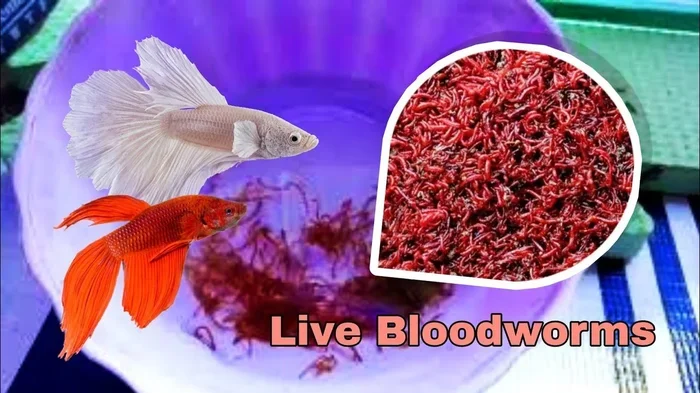
Feeding your betta fish the right number of bloodworms is key to their health and happiness. Most experts recommend 1 to 3 bloodworms per feeding, 2 to 3 times per week. Overfeeding can lead to serious health problems like bloating and swim bladder issues. This guide covers everything you need to know about bloodworms for betta fish, from portion sizes to feeding schedules.
If you own a betta fish, you have probably wondered about the best way to keep your little friend happy and healthy. One of the most common questions fish owners ask is, how many bloodworms do I feed my betta fish. The answer might surprise you. You do not need to give your betta a big pile of worms every day. In fact, less is more when it comes to feeding these colorful little creatures.
Bloodworms are one of the most popular treats for betta fish. They are packed with protein and most bettas absolutely love them. But loving something does not mean it should be the main part of their diet. Too many bloodworms can actually harm your fish. In this article, we will walk you through exactly how many bloodworms to feed, how often, and what mistakes to avoid.
Whether you are a complete beginner or a seasoned betta keeper, this guide will give you the confidence to feed your fish the right way. Let us dive in and make sure your betta stays healthy and well-fed.
Key Takeaways
- Feed 1 to 3 bloodworms per session: This is the ideal portion for a standard adult betta fish.
- Limit feeding to 2-3 times per week: Bloodworms are a treat, not a staple meal for your betta.
- Choose between live, frozen, or freeze-dried options: Each type has its own preparation and feeding guidelines.
- Watch for signs of overfeeding: Bloating, constipation, and lethargy are red flags you should not ignore.
- Always soak freeze-dried bloodworms before feeding: This prevents digestive blockages and makes them safer for your fish.
- Pair bloodworms with a balanced diet: Your betta needs pellets, flakes, and other proteins for complete nutrition.
📑 Table of Contents
- What Are Bloodworms and Why Do Bettas Love Them
- How Many Bloodworms Should You Feed Your Betta
- How Often Should You Feed Bloodworms to Your Betta
- Live vs Frozen vs Freeze-Dried Bloodworms: Which Is Best
- Common Mistakes When Feeding Bloodworms to Bettas
- Signs Your Betta Is Getting the Right Amount of Bloodworms
- Expert Tips for Feeding Bloodworms to Your Betta
- Conclusion
What Are Bloodworms and Why Do Bettas Love Them
Understanding Bloodworms for Betta Fish
Bloodworms are small, red larvae of the midge fly. They get their name from their bright red color, which comes from hemoglobin. This is the same protein found in human blood that carries oxygen. Bloodworms are naturally found in freshwater pools and marshy areas around the world.
For betta fish, bloodworms are like a delicious snack. They are protein-rich, which makes them very appealing to your fish. Bettas are carnivorous by nature, so they thrive on a diet that is high in animal protein. Bloodworms satisfy that natural craving perfectly.
There are three main types of bloodworms you can buy for your betta:
- Live bloodworms: These are the most natural option. They come from pet stores or can be bred at home. Live worms move in the water, which triggers your betta’s hunting instincts.
- Frozen bloodworms: These are frozen right after harvesting. They are convenient and have a long shelf life. You just thaw a small portion before feeding.
- Freeze-dried bloodworms: These are dehydrated and shelf-stable. They are the most affordable option, but you need to soak them before feeding to prevent digestive issues.
No matter which type you choose, the feeding rules remain the same. You should always give your betta a controlled portion. How many bloodworms do I feed my betta fish depends on the type of bloodworm, the size of your fish, and how often you are feeding them.
How Many Bloodworms Should You Feed Your Betta
The Right Portion Size
The golden rule for feeding bloodworms is to keep portions small. A healthy adult betta fish should receive 1 to 3 bloodworms per feeding session. That is it. This might seem like a tiny amount, but remember that a betta fish has a very small stomach. In fact, their stomach is roughly the size of their eye.
Here is a simple breakdown of portion sizes based on the type of bloodworm:
- Live bloodworms: 1 to 3 worms per feeding. Drop them into the tank one at a time and watch your betta hunt.
- Frozen bloodworms: A small cube or a pinch of thawed worms, roughly the size of your betta’s eye.
- Freeze-dried bloodworms: 2 to 3 pieces, soaked in tank water for a few minutes before adding them to the aquarium.
If you are wondering how many bloodworms do I feed my betta fish on a daily basis, the answer is never more than 3. And you should not feed them every single day. Bloodworms are a treat, not a complete meal. Your betta needs a balanced diet that includes quality pellets or flakes as the main food source.
Why Portion Control Matters
Betta fish are prone to overfeeding because they have a strong appetite. In the wild, they eat whenever food is available. But in a home aquarium, overfeeding leads to serious health problems. When you give your betta too many bloodworms, the excess food can rot in the tank. This spikes ammonia levels and ruins your water quality.
More importantly, too many bloodworms can cause digestive issues. Your betta’s system is not designed to process large amounts of one type of food. A diet too rich in protein can lead to bloating, constipation, and swim bladder disease. These conditions can be painful and even fatal if left untreated.
Always remember that how much do I feed a betta fish applies to all food types, not just bloodworms. The same portion control rules should guide every feeding session.
How Often Should You Feed Bloodworms to Your Betta
Creating a Feeding Schedule
Frequency is just as important as portion size when it comes to feeding bloodworms. You should not offer bloodworms more than 2 to 3 times per week. This gives your betta time to digest the protein and prevents nutritional imbalances.
A good weekly feeding schedule might look like this:
- Monday: Feed your betta a small portion of high-quality pellets as the main meal.
- Tuesday: Offer 1 to 2 bloodworms as a treat.
- Wednesday: Pellets or betta flakes again.
- Thursday: Skip treats and stick to the staple diet.
- Friday: Pellets as usual.
- Saturday: 2 to 3 bloodworms as a weekend treat.
- Sunday: Rest day with just pellets.
This schedule ensures your betta gets the variety it needs without being overloaded with protein. It also keeps feeding time exciting for your fish, which can improve its overall mood and activity level.
If you are unsure about the overall feeding frequency for your betta, check out our guide on how often to feed your betta fish for a complete feeding plan.
Adjusting Frequency Based on Your Betta’s Needs
Not all bettas are the same. A young betta fish that is still growing may need slightly more frequent feedings than an adult. Juvenile bettas can handle bloodworms 3 to 4 times per week in smaller portions. Older bettas, on the other hand, do better with just 1 to 2 bloodworm feedings per week.
Also consider your betta’s activity level. A very active betta that spends a lot of time swimming and exploring may burn through energy faster than a lazier fish. Adjust the frequency based on what you observe in your aquarium. A healthy betta should have a good appetite, bright colors, and plenty of energy.
If you notice your betta is not eating or seems disinterested in food, this could be a sign of illness. Check the water temperature and quality first, and then consider whether you need to adjust the diet. You can find helpful advice on this topic in our article about what to do if your betta fish isn’t eating.
Live vs Frozen vs Freeze-Dried Bloodworms: Which Is Best
Comparing the Three Types
Choosing the right type of bloodworm matters more than most people think. Each option has pros and cons, and the best choice depends on your schedule, budget, and your betta’s preferences.
Here is a quick comparison of the three types:
Live bloodworms are the most nutritious and natural option. They contain the highest moisture content and provide the best enrichment for your betta. The movement of live worms stimulates your fish’s natural hunting behavior. However, live bloodworms can carry parasites or bacteria if not sourced from a reputable supplier. They also have a short shelf life, so you need to use them quickly.
Frozen bloodworms are the most convenient option for most fish keepers. They are flash-frozen to preserve nutrients and kill potential parasites. Frozen bloodworms last for months in your freezer. Simply thaw a small portion in tank water before feeding. Many experienced betta keepers consider frozen bloodworms the best balance of nutrition and convenience.
Freeze-dried bloodworms are the most affordable and easiest to store. They have a long shelf life and are widely available. However, they lose some nutritional value during the drying process. More importantly, freeze-dried bloodworms expand when they absorb water, which can cause blockages in your betta’s digestive tract. Always soak them for at least 5 minutes before feeding.
If you want more tips on preparing food for your betta, our article on how to feed your betta fish has detailed instructions for all food types.
Common Mistakes When Feeding Bloodworms to Bettas
Overfeeding
The number one mistake fish owners make is giving too many bloodworms. It is easy to do because your betta will beg for food every time you approach the tank. But begging does not mean your fish is hungry. Bettas are opportunistic eaters and will eat as much as you offer. It is your job to set the limits.
Overfeeding can cause a cascade of problems in your tank. Uneaten food decomposes quickly and raises ammonia and nitrite levels. These toxins are deadly to betta fish even in small concentrations. A spike in water parameters can lead to stress, disease, and death.
If you have accidentally overfed your betta in the past, check out our article on what to do if you overfeed your betta fish for recovery steps.
Feeding Bloodworms as a Staple Diet
Another common mistake is replacing your betta’s regular food with bloodworms entirely. Bloodworms lack many of the vitamins, minerals, and other nutrients your betta needs to thrive. They should never make up more than 10% of your betta’s total diet. Quality betta pellets should always be the foundation of your fish’s nutrition.
Think of bloodworms as a dessert, not the main course. They add variety and excitement to mealtime, but they do not provide complete nutrition on their own.
Skipping the Soaking Step
If you use freeze-dried bloodworms, never skip the soaking step. Dry worms will expand inside your betta’s stomach, which can cause serious digestive problems. Soak them in a small cup of tank water for 5 minutes before dropping them into the aquarium. This simple step can prevent a lot of health issues down the road.
Signs Your Betta Is Getting the Right Amount of Bloodworms
Healthy Indicators
When you are feeding the right amount of bloodworms, your betta will show clear signs of good health. Look for these positive indicators:
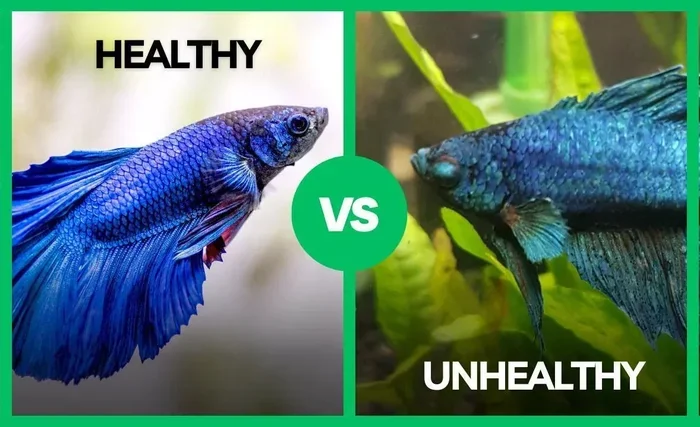
- Bright, vibrant colors: A well-fed betta displays rich reds, blues, and greens in its fins and body.
- Active swimming: Your betta should explore the tank with energy and curiosity.
- Good appetite: A healthy betta will eat eagerly at feeding time without showing signs of refusal.
- Regular waste: Your fish should produce normal, solid waste without any signs of constipation or bloating.
- No bloating: The belly should be a normal size, not swollen or distended.
Warning Signs of Improper Feeding
On the other hand, watch for these warning signs that your feeding routine needs adjustment:
- Bloating or swollen belly: This is often a sign of overfeeding or constipation.
- Lethargy: If your betta is spending most of its time resting at the bottom of the tank, something may be wrong with its diet.
- Loss of color: A dull or faded appearance can indicate nutritional deficiencies.
- Floating or sinking issues: Swim bladder problems are often linked to diet and overfeeding.
- Refusing food: If your betta ignores bloodworms or other food, it may be a sign of illness or stress.
If you notice any of these warning signs, review your feeding habits immediately. Adjust the portion size and frequency, and monitor your fish closely for improvement.
Expert Tips for Feeding Bloodworms to Your Betta
Rotate the Diet
The best approach to feeding your betta is variety. Rotate between bloodworms, brine shrimp, daphnia, and high-quality pellets. This ensures your betta gets a wide range of nutrients and keeps mealtime interesting. A varied diet also reduces the risk of nutritional deficiencies and keeps your fish’s digestive system working properly.
Feed in Small Amounts Multiple Times
Rather than giving all the bloodworms at once, you can spread the portion across the feeding session. Drop one worm at a time and wait for your betta to eat it before offering the next. This mimics natural feeding behavior and helps prevent your fish from gulping down too much too fast.
Clean Up Uneaten Food
Always remove any uneaten bloodworms from the tank after 5 minutes. Use a small net or siphon to pick them out. Leftover food will decay and pollute the water, which can harm your betta and other tank inhabitants. Clean water is just as important as proper food when it comes to keeping your fish healthy.
For more information on maintaining a healthy tank environment, check out our guide on how to clean your betta fish tank.
Consider Your Betta’s Age and Size
Young bettas that are still growing need more frequent feedings than adults. A baby or juvenile betta can have 1 to 2 bloodworms per feeding, 3 times per week. Adult bettas do best with 2 to 3 bloodworms, 2 times per week. Senior bettas may need even fewer treats due to a slower metabolism. Always adjust based on what you observe in your individual fish.
Conclusion
Feeding your betta fish the right number of bloodworms is simpler than you might think. Stick to 1 to 3 bloodworms per feeding, and limit bloodworm treats to 2 to 3 times per week. Choose the right type of bloodworm for your needs, always practice portion control, and remember that bloodworms are a supplement to a balanced diet, not a replacement.
By following the guidelines in this article, you will keep your betta healthy, colorful, and full of energy. Pay attention to your fish’s behavior, adjust as needed, and never be afraid to seek advice from experienced fish keepers or veterinarians when something seems off.
Your betta fish depends on you for its well-being. Taking the time to learn about proper feeding shows that you care. And a well-fed betta is a happy betta. So go ahead, give your fish a couple of bloodworms today, and watch it swim with joy.
Frequently Asked Questions
Can I feed my betta bloodworms every day?
No, you should not feed your betta bloodworms every day. Bloodworms are high in protein and should only be given as a treat. Feeding them more than 2 to 3 times per week can lead to overfeeding, bloating, and nutritional imbalances. Stick to a balanced diet of pellets as the main food and use bloodworms sparingly.
How many freeze-dried bloodworms can I give my betta at once?
You can give your betta 2 to 3 freeze-dried bloodworms per feeding. Make sure to soak them in tank water for at least 5 minutes before adding them to the aquarium. Soaking prevents the worms from expanding inside your betta’s digestive tract, which can cause blockages and constipation.
Are live bloodworms better than frozen or freeze-dried options?
Live bloodworms are the most natural and nutritious option, but they also carry the highest risk of introducing parasites or bacteria into your tank. Frozen bloodworms are often considered the best overall choice because they are convenient, safe, and retain most of their nutritional value. Freeze-dried bloodworms are a good budget-friendly option but must always be soaked before feeding.
What happens if I overfeed my betta bloodworms?
Overfeeding bloodworms can cause bloating, constipation, swim bladder issues, and poor water quality from uneaten food decaying in the tank. If you suspect you have overfed your betta, skip the next feeding and monitor your fish closely. You can also find detailed recovery steps in our article on what to do if you overfeed your betta fish.
Can baby betta fish eat bloodworms?
Yes, baby bettas can eat bloodworms, but in very small amounts. Offer just 1 to 2 tiny worms per feeding, no more than 3 times per week. Make sure the worms are small enough for the baby betta to consume easily. As the fish grows, you can gradually increase the portion size.
Should I feed bloodworms to my betta if it is not eating well?
If your betta is refusing food, bloodworms may tempt it to eat since most bettas find them highly appealing. However, a persistent loss of appetite could signal illness or stress. Try offering a single bloodworm to see if your betta takes interest. If it still refuses food for more than two days, check your water parameters and consider consulting a fish veterinarian.