Where Is a Betta Fish Stomach
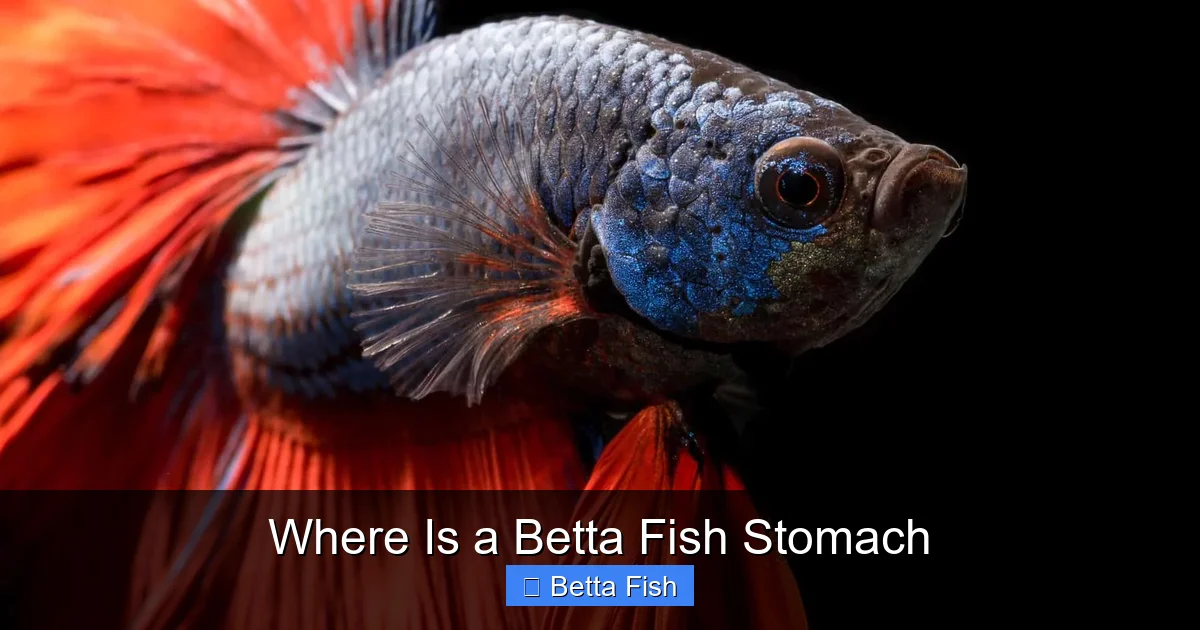
Contrary to popular belief, betta fish do not possess a defined, muscular stomach like mammals. Their digestive system is a simple, short tube where digestion begins in the midgut. This unique anatomy makes them prone to serious health problems like constipation and swim bladder disease from even slight overfeeding. Understanding this “no-stomach” reality is the single most important factor in providing proper betta care, ensuring a long, healthy life through precise feeding and vigilant observation.
Key Takeaways
- No True Stomach: Bettas lack a muscular, acid-filled stomach; digestion occurs primarily in a specialized midgut section.
- Extremely Short Tract: Their entire digestive system from mouth to anus is very short, so food passes through quickly, requiring frequent, tiny meals.
- Overfeeding is the #1 Killer: Their short tract cannot handle excess food, leading to fatal constipation, bloat, and swim bladder issues.
- Constipation is a Major Red Flag: A swollen, “constipated” abdomen is almost always digestive distress from incorrect feeding, not a stomach full of food.
- Fasting is Therapeutic: A 24-48 hour fast is a safe and effective first-line treatment for minor digestive backups and bloating.
- Dietary Fiber is Crucial: Including natural fiber sources (like daphnia or peeled peas) is essential to keep their simple digestive system moving smoothly.
- Observation is Key: Regularly check your betta’s body profile from above; a smooth, streamlined shape is healthy, while any bulge indicates a problem.
📑 Table of Contents
- The Great Misconception: Do Betta Fish Even Have a Stomach?
- A Tour of the Betta Digestive System: From Mouth to Anus
- Feeding Implications: How to Feed a Fish with No Stomach
- Common Health Issues Directly Linked to Digestive Anatomy
- Practical Care Tips: Applying the Knowledge Every Day
- Conclusion: Feeding for Anatomy, Not Assumption
The Great Misconception: Do Betta Fish Even Have a Stomach?
If you’ve ever watched your betta fish gobble up a pellet with gusto, you’ve probably imagined a little round belly getting fuller and fuller. It’s a common and logical assumption. But here’s the surprising truth that every betta owner must know: betta fish do not have a stomach in the way we think of it. They lack a distinct, expandable, acid-producing sac designed for storage and initial breakdown of food. This isn’t a minor anatomical detail—it’s the cornerstone of understanding everything about betta health, feeding, and common ailments. Their entire digestive process works differently, and ignoring this fact is the primary reason so many bettas suffer from constipation, swim bladder disease, and premature death. Let’s embark on a journey through the betta’s digestive tract to see exactly where “the stomach” is—and more importantly, why it isn’t there at all.
Why This Matters More Than You Think
Knowing your betta doesn’t have a stomach completely changes the rules of feeding. You cannot treat them like a goldfish or a catfish. There is no holding tank for a large meal. Food enters, begins processing almost immediately, and must move through a very short pipeline. Any disruption—too much food, the wrong type of food, or food that isn’t fully digested—creates a traffic jam. This jam manifests as a swollen abdomen, lethargy, and inability to swim properly. It’s not the betta getting “fat”; it’s a medical emergency rooted in their unique anatomy. This knowledge empowers you to prevent these issues before they start.
A Tour of the Betta Digestive System: From Mouth to Anus
To understand where the stomach would be, we need to map the actual path food takes. Think of the betta’s digestive system as a short, direct highway with no off-ramps or rest stops.

Visual guide about Where Is a Betta Fish Stomach
Image source: learnaboutpet.com
The Oral Cavity and Esophagus: The Entry Point
It all starts at the mouth. Bettas are carnivorous surface feeders in the wild, with mouths turned slightly upward (a trait called “superior positioning”) to snatch insects and larvae from the water’s surface. They don’t chew; they engulf. Food is swallowed whole and travels down a very short, simple esophagus. There are no salivary glands to speak of, so digestion doesn’t begin here. This esophagus is just a muscular tube that delivers food directly to the next stop.
The Intestinal Tract: Where the Magic (and Trouble) Happens
After the esophagus, food enters what we can consider the betta’s primary digestive chamber: the intestine. But here’s the critical part—it’s not a long, winding intestine like in herbivores. It’s relatively straight and short, reflecting their carnivorous diet that is easy to break down. The midgut section is the most important area. This is where the pancreas and liver release enzymes and bile directly into the gut to chemically break down proteins and fats from their insect-based diet. This midgut region effectively performs the function of a stomach, but without the physical sac. It’s not a storage area; it’s a processing zone. Because there’s no stomach to regulate the flow, food moves through this processing zone at a steady, quick pace. If you overfeed, you overload this midgut, overwhelming the enzymes and causing food to putrefy instead of digest.
The Rectum and Anus: The Quick Exit
After the midgut, the digested nutrients are absorbed through the intestinal walls in the hindgut. What remains—indigestible matter and waste—travels a very short distance through the rectum and exits via the anus. The entire journey, from ingestion to excretion, can sometimes be completed in just a few hours for a small meal. This speed is why a betta can appear ravenous again soon after eating—their system is empty, not because they need more food, but because their “pipeline” has cleared.
Feeding Implications: How to Feed a Fish with No Stomach
Now that we’ve toured the anatomy, the feeding rules become brilliantly clear. The cardinal sin of betta care is tied directly to their lack of a stomach.
Visual guide about Where Is a Betta Fish Stomach
Image source: japanesefightingfish.org
The Golden Rule: “Less is More”
If your betta has no stomach, it cannot store food. Therefore, you must never feed a “meal” in the human sense. A proper betta meal is a tiny snack—just 2-3 high-quality pellets, or a few frozen daphnia, or a tiny piece of bloodworm. The rule of thumb is to feed an amount that would fit on the tip of your fingernail, twice a day. Any more than that, and you are dumping excess food directly into a short, overloaded intestine. That excess food will rot, causing gas, constipation, and bacterial blooms in the gut and the water.
The Critical Importance of Fasting
Because their system is so fast and simple, bettas benefit immensely from a weekly fast. Skipping one feeding day (24 hours) gives their entire digestive tract a chance to fully clear out and reset. This is not cruel; it is biologically appropriate. In the wild, bettas don’t get guaranteed meals every single day. A weekly fast prevents the buildup of any undigested matter and is a powerful preventative measure against constipation. If your betta looks slightly bloated, a 48-hour fast is often the safest and most effective treatment, followed by a deworming pellet or a fiber-rich food like a peeled pea.
Choosing the Right Foods: Protein and Fiber Balance
Your betta’s diet must mimic their wild insect diet: high in animal protein and low in fillers. Look for pellets with fish meal, shrimp meal, or squid as the first ingredient. Avoid any with wheat flour, potato starch, or soy as primary ingredients—these are indigestible fillers that will clog their short system. Fiber is non-negotiable. While they are carnivores, they need a small amount of roughage to keep things moving. The best natural fiber sources are:
- Daphnia: Their #1 recommended food. It’s a tiny crustacean with a hard shell that provides gentle fiber and acts as a natural laxative.
- Peeled Peas: A classic home remedy. Cook a frozen pea, remove the skin, and mash a tiny quarter of it. This is highly effective for constipation.
- Blanched Zucchini or Cucumber: Tiny, finely shredded pieces can add bulk.
Rotate these into their diet 1-2 times a week.
Common Health Issues Directly Linked to Digestive Anatomy
The symptoms betta owners see—a swollen belly, difficulty swimming, lethargy—are almost always downstream effects of their simple digestive system being compromised.
Visual guide about Where Is a Betta Fish Stomach
Image source: smartaquariumguide.com
Constipation and Severe Bloat (Swim Bladder Disorder)
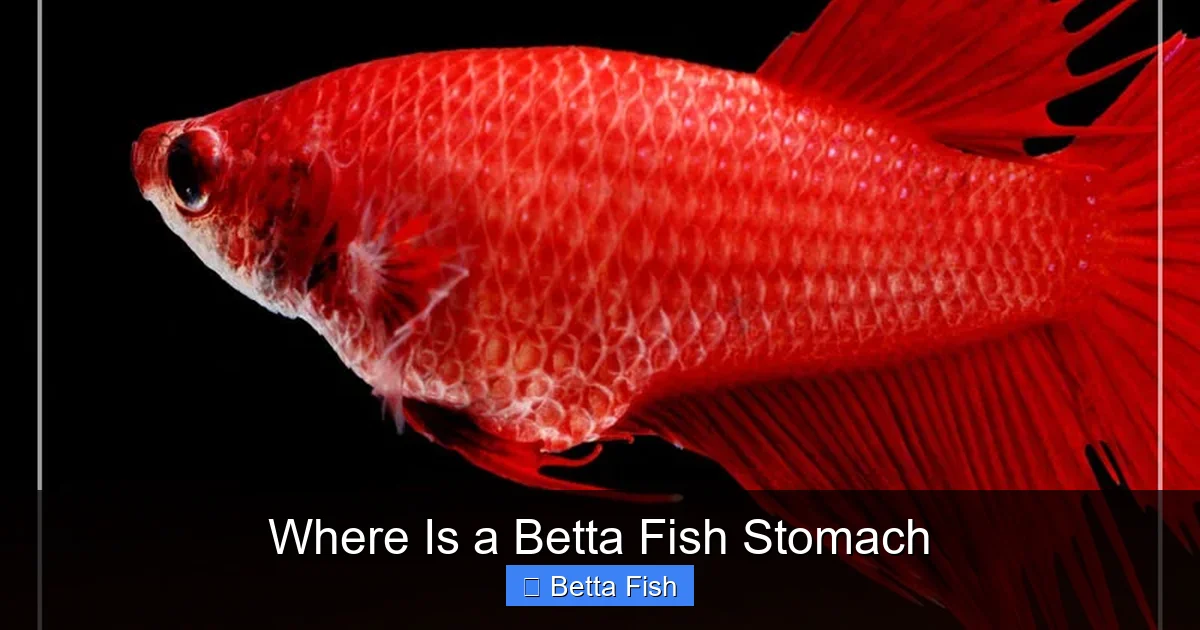
This is the #1 issue. A constipated betta will have a visibly swollen, often hard abdomen, usually near the vent (anus). This swelling is not a stomach full of food; it’s a backed-up intestine filled with putrefying matter. This physical pressure on the swim bladder (a gas-filled organ that controls buoyancy) causes Swim Bladder Disorder (SBD). The fish may float upside down, sink, or swim erratically. The cause is almost invariably dietary: overfeeding, feeding low-fiber foods, or feeding foods that swell in the gut (like some dry pellets that expand in water). Treatment starts with fasting, then offering fiber (pea or daphnia), and ensuring pristine water quality to reduce stress.
Dropsy: The Symptom, Not the Disease
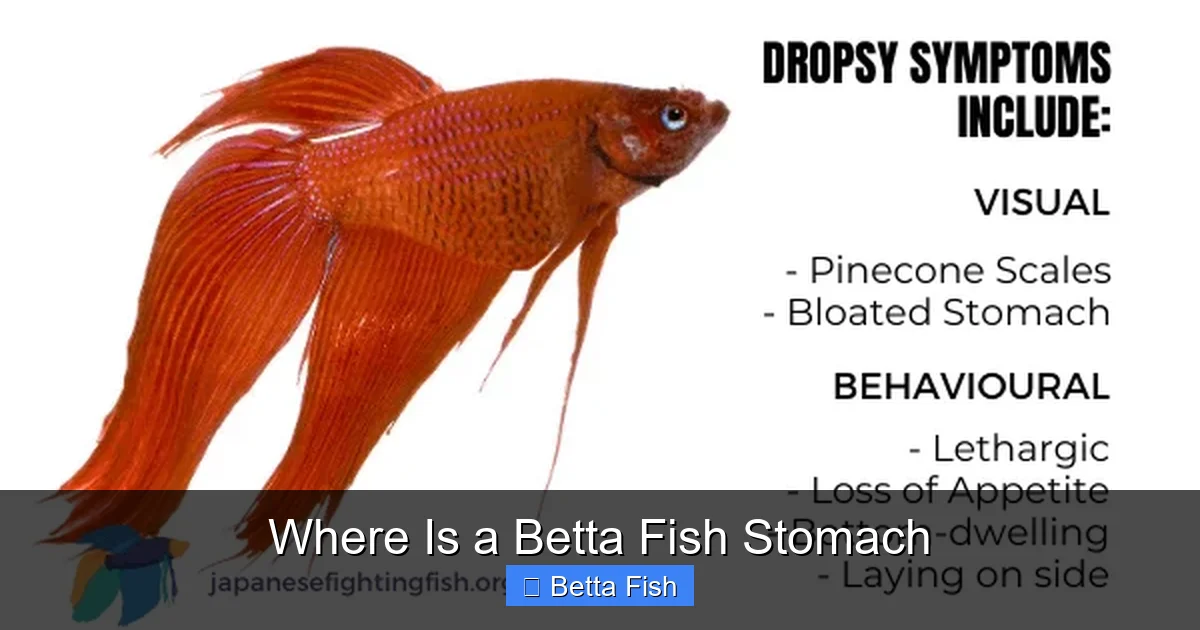
Severe, chronic constipation and internal bacterial infection from rotting food can lead to dropsy. This is characterized by extreme, pinecone-like scales and total body swelling. It’s a symptom of systemic failure, often starting with a compromised digestive system. Prevention through correct feeding is the only reliable defense, as dropsy is very difficult to cure.
Internal Parasites and Infections
An overloaded, sluggish gut is a breeding ground for harmful bacteria and parasites. Poor water quality from uneaten food exacerbates this. A betta with recurring digestive issues may have an underlying internal parasite (like hexamita). The first step is always to correct the diet and water parameters before resorting to medication.
Practical Care Tips: Applying the Knowledge Every Day
So how do you translate this anatomy lesson into daily actions that keep your betta thriving?
Mastering Portion Control
Use a dedicated, calibrated spoon or just your thumbnail. If you use pellets, pre-portion them into a small container each day. A good rule: a betta’s stomach (if it had one) is about the size of its eye. Your feeding portion should be smaller than that. For frozen or live foods, measure out only what they will consume in 2-3 minutes. Any leftovers are a pollution problem and a digestive problem.
The Art of Observation
Make a habit of looking at your betta from directly above once a day. Their body should be a sleek, streamlined torpedo shape. The area just in front of the tail (the abdomen) should taper smoothly. If you see any bulge, puffiness, or a “humpback” appearance, that is your signal to fast them immediately and assess their recent diet. Catching a minor backup early prevents a major SBD episode.
Water Quality is Non-Negotiable
With such a short digestive tract, a betta’s waste is produced frequently and can quickly foul a small tank. Uneaten food decomposes in hours. You must perform weekly water changes of 25-50% with a gravel vacuum to remove all debris. A cycled, filtered tank is ideal. Ammonia and nitrite from decaying matter are absorbed directly through their skin and gills, adding toxic stress to an already taxed system. Clean water supports a healthy gut microbiome.
When to Seek Help
If fasting for 48 hours and offering a fiber source (like a pea) does not reduce bloating within 24 hours, or if the fish becomes extremely lethargic, it’s time to consult a vet or an experienced aquatic specialist. You may be dealing with a severe impaction, a advanced parasite, or dropsy. Early intervention is critical, but prevention through proper feeding is always the best medicine.
Conclusion: Feeding for Anatomy, Not Assumption
The question “where is a betta fish stomach?” leads us to a profound and practical truth: it isn’t there. Instead of a pouch, they have a swift, efficient pipeline. This design is perfect for their natural lifestyle of sporadic, protein-rich meals. But in captivity, it’s a vulnerability. Our instinct to feed them generously, to see that eager little face and give in, is their greatest threat. By embracing the reality of their anatomy—no stomach, short gut, need for fiber—we transform from well-meaning owners into knowledgeable caretakers. We shift from feeding “meals” to offering precise snacks. We see a smooth, streamlined body as the goal, not a plump one. We understand that a weekly fast is a gift, not a deprivation. This knowledge is your most powerful tool. Use it to look past the begging eyes and see the simple, delicate machinery within. Feed not for fullness, but for function. In doing so, you honor the unique biology of the magnificent betta and provide the foundation for a vibrant, long, and healthy life.
Frequently Asked Questions
Do betta fish have a stomach at all?
No, betta fish do not have a distinct, muscular stomach like mammals or some other fish. Their digestive system is a simple, short tube where digestion begins in the midgut section of the intestine, not in a separate sac.
Why is my betta fish’s belly swollen? Is it pregnant or just full?
>A swollen belly in a betta is almost never from being “full” or pregnant (female bettas carry eggs internally, causing a different, smoother bulge). It is almost always a sign of constipation, severe bloat, or swim bladder disorder caused by overfeeding, poor diet, or digestive impaction. Their lack of a stomach means food overloads the intestine directly.
How can I tell if my betta is constipated?
>Look for a visibly swollen, often hard or puffy abdomen, especially near the vent (anus). The betta may also show signs of lethargy, loss of appetite, and difficulty swimming (floating or sinking uncontrollably). This is a digestive blockage, not a pregnant female.
What is the best food to prevent digestive problems in bettas?
High-quality pellets with animal protein (fish meal, shrimp) as the first ingredient and minimal fillers are essential. Supplement 1-2 times per week with natural fiber sources like frozen daphnia (the best option) or a small piece of a peeled, cooked pea to keep their digestive tract moving smoothly.
How often should I really feed my betta fish?
Feed a tiny portion (2-3 small pellets or equivalent) only once or twice a day. Implement a mandatory 24-hour fast once a week to allow their digestive system to fully clear. This schedule respects their short, fast-moving digestive tract and prevents the buildup that causes health issues.
Can a betta fish die from constipation or a swollen belly?
Yes. Severe constipation and the resulting pressure on the swim bladder can make a betta unable to eat or reach the surface for air. The internal stress and potential for secondary bacterial infection from rotting food in the gut can be fatal. It is a serious medical condition that requires immediate attention through fasting and dietary correction.