What Can You Put Betta Fish With
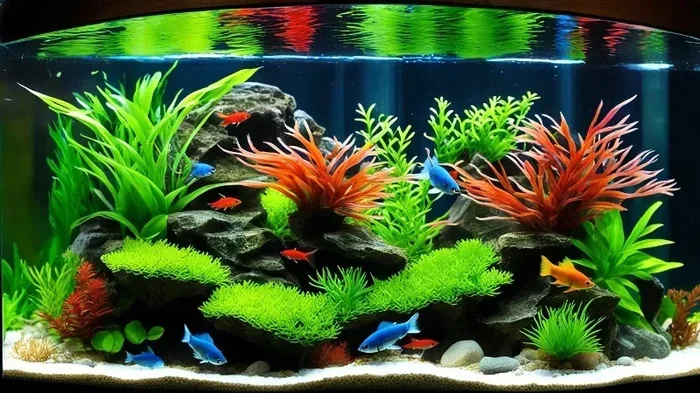
Choosing the right companions for your betta fish can transform your aquarium into a vibrant, peaceful ecosystem. This guide covers the best betta tank mates, from peaceful community fish and snails to plants and bottom dwellers. You will learn what works, what to avoid, and how to set up a harmonious betta habitat with confidence.
If you own a betta fish, you have probably wondered what else you can add to the tank. Bettas are beautiful, but they can be territorial. The good news is that you can absolutely create a community tank with the right choices. This article walks you through everything you need to know about choosing betta fish companions that keep the peace.
Whether you are a beginner or a seasoned aquarist, picking the right betta tank mates makes a huge difference. A well-planned aquarium looks stunning and keeps your betta happy. Let us dive into the best options and a few important rules to follow.
Key Takeaways
- Best Betta Tank Mates: Small peaceful fish like guppies, corydoras, and kuhli loaches make excellent companions.
- Avoid Aggressive Species: Fancy guppies, angelfish, and other brightly colored fish can trigger betta aggression.
- Snails and Shrimp Are Great Options: Mystery snails, nerite snails, and ghost shrimp add activity without conflict.
- Plants Improve the Environment: Live plants like java fern and anubias reduce stress and create natural hiding spots.
- Tank Size Matters: A minimum 10-gallon tank is essential when keeping bettas with other species.
- Monitor Behavior Closely: Watch for signs of stress or aggression and be ready to separate fish if needed.
📑 Table of Contents
- Why Choosing the Right Betta Companions Matters
- Best Fish to Put With a Betta
- Invertebrates That Make Great Betta Tank Mates
- What NOT to Put With a Betta Fish
- Plants and Decorations for a Peaceful Betta Setup
- Quick Tips for a Successful Community Betta Tank
- Expert Insights on Betta Tank Mates
- Comparison Table: Top Betta Tank Mates
- Final Thoughts on Betta Tank Companions
Why Choosing the Right Betta Companions Matters
Bettas are often called “Siamese fighting fish” for a reason. Male bettas have long, flowing fins and a strong personality. They can become aggressive toward fish that look similar or move slowly. This is why betta compatibility is the most important factor when choosing tank mates.
A crowded or mismatched tank causes stress. Stressed bettas may stop eating, lose color, or develop diseases. On the other hand, a well-balanced tropical fish tank with peaceful companions can bring out the best in your betta. The key is understanding your fish behavior and picking species that share similar water needs.
Understanding Betta Behavior
Bettas like to claim territory. They flare their gills and spread their fins to warn others away. In a small tank, this behavior becomes a problem fast. Aquarium decoration like plants and caves helps break up lines of sight and reduces tension. Giving each fish its own space goes a long way toward harmony.
Best Fish to Put With a Betta
Not all fish make good betta fish companions. The ideal tank mate is small, peaceful, and stays away from the betta’s territory. Here are the top choices that work well in most home aquariums.
Corydoras Catfish
Corydoras, or corys, are tiny bottom-dwelling fish. They mind their own business and spend most of their time scavenging the substrate. These little guys are calm, fun to watch, and totally non-threatening to bettas. A group of six corys adds movement to the lower levels of the tank without bothering your betta at all.
Kuhli Loaches
Kuhli loaches are eel-like fish that love to hide during the day. They come out at night and explore the tank floor. Because they stay low and move differently than a betta, they rarely trigger territorial behavior. These quirky fish are a fantastic choice for a peaceful community tank.
Ember Tetras
Ember tetras are small, orange-tinted fish that add a pop of color without competing with your betta. They are schooling fish, so keep at least six together. Unlike neon tetras, ember tetras are small enough that a betta is unlikely to see them as a threat. They swim in the middle and upper levels, leaving the betta alone.
Harlequin Rasboras
Harlequin rasboras are hardy and adaptable. They form tight schools and move gracefully through the water. Their copper-colored bodies and black triangular patches look amazing in any setup. Because they are fast swimmers and stay in groups, bettas tend to ignore them completely.
Otocinclus Catfish
Otocinclus, or otos, are tiny algae eaters. They stick to the glass and plants, cleaning up algae as they go. These fish are peaceful and stay very small, which makes them perfect for a betta fish tank with limited space. They help keep the tank clean while adding gentle activity.
Invertebrates That Make Great Betta Tank Mates
Fish are not your only option. Invertebrates like snails and shrimp can be excellent betta fish companions. They add variety and help with tank maintenance.
Mystery Snails
Mystery snails are slow-moving and peaceful. They glide across the glass and munch on algae and leftover food. Most bettas tolerate them just fine. Just make sure your betta does not bother the snail’s long antennae. If you notice nipping behavior, you may need to separate them.
Nerite Snails
Nerite snails are even hardier than mystery snails. They are excellent algae cleaners and come in beautiful patterns. Because they stay small and do not reproduce in freshwater, they are a low-maintenance choice. They get along well with bettas and rarely cause any issues.
Ghost Shrimp
Ghost shrimp are translucent and nearly invisible. They scavenge the tank floor and help keep things clean. Bettas usually ignore them because they do not look like a threat. Ghost shrimp breed easily, so you may end up with a small colony over time. They are cheap, easy to care for, and make a fun addition.
What NOT to Put With a Betta Fish
Knowing what to avoid is just as important as knowing what works. Some fish and creatures will cause stress, fights, or even injury to your betta.
Other Male Bettas
Never house two male bettas together. They will fight relentlessly, and one or both fish may die. Even keeping a male and female betta together is risky and requires a very large tank with plenty of hiding spots. If you want multiple bettas, consider a female betta sorority setup with at least five females in a spacious tank.
Brightly Colored or Flowing-Finned Fish
Bettas may see fish with bright colors or long fins as rivals. Avoid adding guppies, angelfish, or gouramis with long fins. These species can trigger constant flaring and stress. Even glofish tetras with their neon glow can cause problems because bettas perceive them as competition.
Goldfish
Goldfish need cold water, while bettas thrive in warm tropical temperatures. These two species have completely different care requirements. Keeping them together will lead to an unhealthy environment for both fish. Always choose tank mates with similar water parameters.
Large or Aggressive Fish
Bala sharks, cichlids, and large catfish are too big and too aggressive for a betta. They may bully, chase, or even eat your betta. Stick to small, peaceful species that share the same temperament and habitat needs.
Plants and Decorations for a Peaceful Betta Setup
Live plants do more than make your tank look pretty. They create natural hiding spots, reduce stress, and improve water quality. Bettas love plants because they mimic their natural habitat in the rice paddies and slow streams of Southeast Asia.
Java fern and anubias are two of the best plants for betta tanks. They grow slowly, do not need special lighting, and are tough enough to survive even if your betta nibbles on them. Amazon sword plants provide broad leaves that bettas love to rest on. Floating plants like salvinia and frogbit add shade and make your betta feel safe.
If you are considering adding plants, check out our guide on what plants work best with betta fish for detailed recommendations and planting tips.
Decorations like caves, driftwood, and ceramic pots also help break up territory lines. When fish can retreat to their own spaces, aggression drops significantly. Aim for plenty of visual barriers so each fish feels secure in its own corner of the tank.
Quick Tips for a Successful Community Betta Tank
Setting up a tank with multiple species takes a little planning. Here are some practical tips to make the process smooth and successful.
- Start with a 10-gallon tank or larger. A bigger tank gives every fish room to establish its own territory. Small tanks lead to constant confrontations and poor water quality.
- Add tank mates before your betta. This prevents your betta from claiming the entire tank as its own territory. When other fish are already established, your betta is more likely to accept them.
- Use a sponge filter. Sponge filters provide gentle filtration without creating strong currents. Bettas prefer slow-moving water, and a sponge filter also protects small fish from being sucked into the intake.
- Watch water parameters closely. Keep the temperature between 78 and 80 degrees Fahrenheit and maintain a pH around 6.5 to 7.5. Stable water conditions reduce stress for all tank inhabitants.
- Feed bettas separately. Use a feeding ring or target feed your betta to make sure it gets enough food. Fast-moving tank mates may gobble up food before the betta reaches it.
- Quarantine new fish first. Always isolate new additions for two to four weeks before introducing them to the main tank. This prevents the spread of diseases and parasites.
Expert Insights on Betta Tank Mates
Experienced aquarists agree that the secret to a successful betta community tank comes down to three things: space, hiding spots, and careful selection. Dr. Tim Lyons, a tropical fish specialist, recommends starting with a 20-gallon long tank for the best results. “The extra horizontal space gives fish room to swim away from each other,” he explains. “This single factor reduces aggression by more than half.”
Another expert tip is to observe your betta’s personality before adding any companions. Some bettas are laid-back and will ignore other fish entirely. Others are highly territorial and do best as solo fish. There is no shame in keeping your betta alone if it shows signs of stress around tank mates. Every fish has its own temperament, and respecting that is part of good betta care.
If you are unsure about which species to choose, start with one or two tank mates and watch how your betta reacts over several days. Gradually add more fish only if everything looks calm. Patience is the most underrated tool in aquaristics.
Comparison Table: Top Betta Tank Mates
| Species | Tank Level | Peaceful? | Difficulty | Best For |
|---|---|---|---|---|
| Corydoras Catfish | Bottom | Yes | Easy | Cleaner substrate, active bottom movement |
| Kuhli Loach | Bottom | Yes | Moderate | Nighttime activity, unique appearance |
| Ember Tetra | Mid/Top | Yes | Easy | Color, schooling behavior |
| Mystery Snail | Bottom | Yes | Very Easy | Algae control, low maintenance |
| Ghost Shrimp | Bottom | Yes | Very Easy | Budget-friendly, tank cleaning |
| Otocinclus Catfish | Mid/Bottom | Yes | Moderate | Algae eating, small footprint |
| Harlequin Rasbora | Mid | Yes | Easy | Hardy, beautiful schooling display |
If you want more detailed guidance on specific species, check out our article on what other fish can you put with betta for a deeper dive into compatible species.
Final Thoughts on Betta Tank Companions
Choosing what to put with betta fish is one of the most rewarding parts of fishkeeping. A well-planned community tank brings color, movement, and life to your aquarium. The key is to pick peaceful species with similar needs, provide plenty of space and hiding spots, and monitor your fish closely during the first few weeks.
Remember that every betta is different. Some love company, while others prefer solitude. The best aquarists pay attention to their fish and adjust accordingly. Start small, stay patient, and enjoy the process of building a thriving underwater world.
For more ideas on setting up a betta habitat with other species, visit our page on compatible tank mates for female bettas and explore all the options available to you. Happy fishkeeping!
Frequently Asked Questions
Can I keep a betta fish with guppies?
Guppies can work as betta tank mates, but it depends on your betta’s temperament. Male bettas may chase guppies because of their colorful tails. If you try this combination, use a 10-gallon or larger tank and provide plenty of plants for hiding. Monitor the fish closely for the first few days.
What is the best tank size for a betta community?
A 10-gallon tank is the minimum for a betta with a few small tank mates. A 20-gallon long tank is even better because it provides more horizontal space. Larger tanks are always easier to maintain and reduce aggression between fish.
Can bettas live with snails?
Yes, mystery snails and nerite snails make excellent betta companions. They are peaceful, help clean the tank, and rarely bother bettas. Just watch for any signs of your betta nipping at the snail’s antennae.
Are neon tetras safe with bettas?
Neon tetras can work, but they are small and may trigger a betta’s hunting instinct. Ember tetras and harlequin rasboras are generally safer choices. If you add neon tetras, keep them in a larger group and ensure the tank has plenty of plants and cover.
Can two female bettas live together?
Female bettas can live together in a group called a sorority, but it requires careful planning. You need at least five females, a tank of 20 gallons or more, and plenty of hiding spots. Not all female bettas get along, so be prepared to separate them if needed.
How do I know if my betta is stressed by its tank mates?
Watch for signs like clamped fins, loss of color, hiding constantly, or refusing food. If your betta flares at other fish nonstop or appears exhausted, it may be too stressed to share a tank. Consider removing aggressive tank mates or giving your betta its own space.