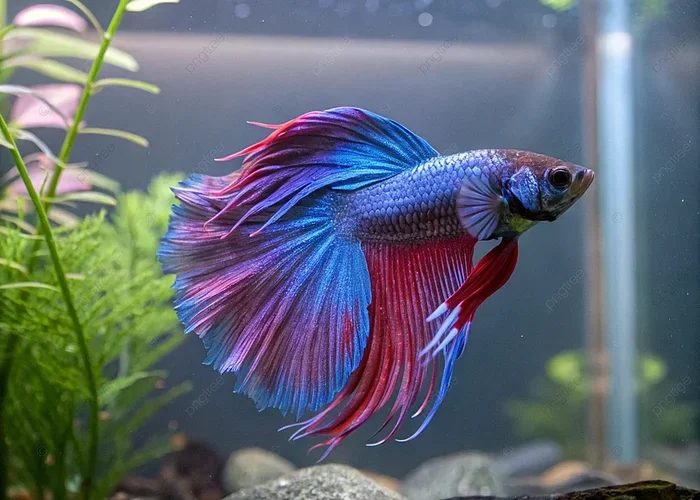
How Many Babies Do Bettas Fish Have

So, how many babies do bettas fish have? A single spawning can produce anywhere from 30 to 500 eggs, though not all will survive. Betta fish babies are called fry, and their survival depends on water conditions, feeding, and proper tank setup. Understanding the betta fish breeding process helps you prepare for a successful spawn and healthy fry growth.
If you own a betta fish, you might wonder how many babies do bettas fish have. The answer is more fascinating than you might think. A single female betta can release dozens or even hundreds of eggs in one spawning event. But here is the real question — how many of those eggs actually become healthy baby bettas?
Betta fish reproduction is a complex and interesting process. Unlike mammals, bettas do not carry live young. Instead, the female releases eggs, and the male fertilizes them externally. The male then takes over, building a bubble nest to protect the eggs until they hatch. This whole process is called betta fish spawning.
Whether you are a beginner or an experienced fish keeper, understanding the betta fish breeding cycle is valuable. It helps you prepare for the arrival of fry and gives you the knowledge to improve survival rates. In this guide, we will walk you through everything you need to know about how many babies do bettas fish have, from egg count to fry care.
Key Takeaways
- Betta fish can produce 30 to 500 eggs per spawning cycle, though survival rates vary widely.
- Betta fish do not have live babies — they lay eggs that hatch externally.
- Proper fry care including tiny food and clean water is essential for survival.
- Male bettas build bubble nests to protect eggs and newly hatched fry.
- Survival rates drop significantly without the right conditions and feeding schedule.
- Separating fry from adult fish prevents predation and increases survival chances.
- Betta fish breeding requires patience, preparation, and consistent water quality.
📑 Table of Contents
- How Many Eggs Do Betta Fish Lay?
- Do Betta Fish Have Live Babies or Eggs?
- How Many Fry Do Betta Fish Have?
- Caring for Betta Fish Babies
- Do Betta Fish Kill Their Babies?
- Quick Tips for Successful Betta Breeding
- Common Mistakes When Raising Betta Fry
- How Long Does It Take for Betta Fry to Grow?
- Expert Insights on Betta Fish Breeding
- Final Thoughts
How Many Eggs Do Betta Fish Lay?
The number of eggs a betta fish lays depends on several factors. Age, health, and tank conditions all play a role. Let us break it down.
Average Egg Count Per Spawning
On average, a healthy female betta lays between 30 and 100 eggs per spawn. However, some well-conditioned females can produce up to 500 eggs in a single event. That is a lot of potential baby bettas!
Not all of those eggs will be fertile, though. A male betta fertilizes the eggs as the female releases them. Unfertilized eggs will turn white and are often eaten by the male or removed naturally. Do betta fish have live babies or eggs? They lay eggs — always. The male carries and protects them until hatching.
Factors That Affect Egg Production
Several things influence how many eggs a female betta produces:
- Age: Younger, healthier females tend to lay more eggs than older ones.
- Nutrition: A well-fed betta with high-quality food produces better-quality eggs.
- Tank Conditions: Clean water with proper temperature encourages healthy spawning.
- Stress Levels: A stressed female may release fewer eggs or skip spawning entirely.
- Breeding Experience: First-time spawning females may lay fewer eggs than experienced ones.
If you want to learn more about the full egg-laying process, check out our article on how many eggs do betta fish lay.
Do Betta Fish Have Live Babies or Eggs?
This is one of the most common questions among new betta owners. Do betta fish have live babies? No, they do not. Betta fish reproduce by laying eggs. The female releases eggs into the water, and the male fertilizes them right away.
After fertilization, the male betta collects the eggs and places them into a bubble nest. This nest floats on the surface of the water and is made of saliva-coated bubbles. The male guards the nest carefully until the eggs hatch. This is a key part of betta fish reproduction that sets them apart from livebearers like guppies.
For a deeper dive into this topic, visit our page on do betta fish have live babies or eggs.
The Bubble Nest Process
The bubble nest is essential for betta fish fry survival. Here is how it works:
- The female releases eggs near the surface.
- The male fertilizes them immediately.
- The male scoops the eggs into the bubble nest.
- The male guards and maintains the nest for 24 to 48 hours.
- The eggs hatch, and the fry fall into the water.
This entire process takes about two to three days from spawning to hatching. The male betta does most of the heavy lifting when it comes to parental care.
How Many Fry Do Betta Fish Have?
How many fry do betta fish have depends on how many eggs hatch successfully. Out of 30 to 100 eggs, you might see 20 to 80 healthy fry. With larger spawns of up to 500 eggs, the number of surviving fry can be higher, but survival rates drop without proper care.
For more details on fry numbers and development, read our guide on how many fry do betta fish have.
What Are Betta Fish Fry?
Betta fish fry are newborn baby bettas. They are tiny — usually less than a quarter of an inch long. At birth, they are completely helpless. They cannot swim well and rely on their yolk sac for nutrition for the first day or two.
After the yolk sac is absorbed, the fry need external food. This is where many new fish keepers face challenges. Feeding fry the right food at the right time is critical for their growth and survival.
Fry Survival Rates
Survival rates for betta fish fry vary a lot. In a well-maintained tank with proper feeding, you might see 70 to 80 percent of fry survive the first week. Without care, survival can drop to 10 percent or less.
One major threat to fry is adult bettas — including the father. Male bettas sometimes eat their own fry if they are not removed after hatching. This is why separating adults from fry is so important.
Caring for Betta Fish Babies
Raising betta fish babies requires attention to detail. These tiny creatures have very specific needs. Let us look at what you need to do.
Setting Up a Fry Tank
You should move the fry to a separate tank as soon as they hatch. A small breeding tank with sponge filtration works best. Keep the water temperature between 78 and 80 degrees Fahrenheit. Use a gentle air sponge filter to avoid sucking up the tiny fry.
Here is a quick checklist for your fry tank:
- Tank size: 5 to 10 gallons
- Sponge filter: gentle flow, no strong intake
- Water temperature: 78–80°F
- Water changes: small, frequent changes (10–20 percent daily)
- Lighting: dim to moderate
- Live plants: provide hiding spots for fry
Feeding Betta Fry
Feeding is the most critical part of fry care. Newborn fry are too small for regular betta pellets. You need to offer food that is tiny enough for them to eat. Good options include:
- Infusoria: microscopic organisms perfect for day-old fry
- Baby brine shrimp: a nutritious live food for fry over one week old
- Microworms: easy to culture and ideal for small fry
- Crushed betta flakes: for older fry that are a few weeks big
- Liquid fry food: commercially available and easy to use
Feed the fry small amounts 3 to 4 times a day. Overfeeding can foul the water quickly, which is dangerous for tiny fry. For more on feeding schedules, see our article on how many times do you feed a betta fish.
Water Quality for Fry
Clean water is non-negotiable for betta fry. These babies are very sensitive to ammonia and nitrite. Even small spikes can be deadly. Perform frequent small water changes to keep conditions stable. Never vacuum the fry during water changes — use a turkey baster to gently remove debris.
Do Betta Fish Kill Their Babies?
It might sound shocking, but yes — betta fish can kill their babies. This is a natural behavior, not a sign of a bad parent. Male bettas may eat unfertilized eggs or even healthy fry if they feel stressed or hungry. Female bettas may also eat eggs if they are not removed after spawning.
For more on this topic, read our article on do betta fish kill their babies.
Why Does This Happen?
Several reasons explain this behavior:
- Egg Eating: Males may eat unfertilized or fungus-infected eggs to keep the nest clean.
- Stress: A crowded or noisy environment can cause a male to eat his fry.
- Hunger: A hungry male may see fry as food rather than offspring.
- First-Time Parents: Inexperienced bettas are more likely to eat their eggs or fry.
The best way to prevent this is to remove the female right after spawning and move the male and his nest to a quiet, separate tank. Once the fry hatch, remove the male too — he will not recognize them as his own after a few days.
Quick Tips for Successful Betta Breeding
Ready to try breeding your bettas? Here are some quick tips to improve your success rate:
- Condition the parents: Feed both male and female high-quality live or frozen food for 1 to 2 weeks before breeding.
- Watch for signs of readiness: The female will develop a white egg spot, and the male will build a bubble nest.
- Keep water warm: Maintain a steady temperature around 80°F to encourage spawning.
- Remove adults after spawning: This protects both the eggs and the fry.
- Be patient: Betta fish breeding takes time and observation.
- Monitor water parameters: Keep ammonia and nitrite at zero at all times.
Common Mistakes When Raising Betta Fry
Even experienced fish keepers make mistakes. Here are some common ones to avoid:
- Overfeeding: This is the number one killer of betta fry. Excess food rots and pollutes the water fast.
- Skipping water changes: Fry are extremely sensitive to water quality. Do not skip daily small water changes.
- Using strong filters: A hang-on-back filter can suck up tiny fry instantly. Always use a sponge filter.
- Keeping fry with adults: Adult bettas will eat fry given the chance. Always separate them.
- Feeding the wrong food: Regular pellets are too big for newborns. Start with infusoria or liquid food.
Avoiding these mistakes gives your betta fish fry the best chance at growing into healthy adult bettas.
How Long Does It Take for Betta Fry to Grow?
Baby betta fish grow quickly in the first few weeks. Here is a rough timeline:
- Day 1–3: Fry absorb their yolk sac and begin free-swimming.
- Week 1–2: Fry start eating infusoria or liquid food.
- Week 3–4: Fry can eat baby brine shrimp and microworms.
- Month 2–3: Color begins to show, and fins start developing.
- Month 4–6: Fry look like miniature adults and can eat standard betta food.
Full maturity is reached around 4 to 6 months. At that point, you can tell the gender of your bettas based on fin length and color intensity.
Expert Insights on Betta Fish Breeding
Betta fish breeding is both rewarding and challenging. Experienced breeders emphasize the importance of water quality and proper nutrition. The number of betta fish babies you end up with depends heavily on how well you manage the environment.
One expert tip: always have a separate grow-out tank ready before you introduce the breeding pair. This prevents panic and ensures the fry have a safe place immediately after hatching. Consistent water parameters and a steady feeding schedule make all the difference in fry survival rates.
Another key insight is to not rush the process. Let the bubble nest grow naturally and do not disturb the male during the incubation period. Interference can cause the male to abandon or eat the eggs. Patience is your best tool in betta fish reproduction.
Final Thoughts
How many babies do bettas fish have is a question with a wide range of answers. From 30 eggs in a first spawn to 500 eggs in a well-conditioned female, the potential is impressive. But the real success lies in how many fry survive and grow into healthy adults.
Betta fish fry need careful attention, proper food, and clean water. With the right setup and a little patience, you can raise dozens of healthy baby bettas. Understanding do betta fish have live babies or eggs — and the full breeding process — puts you ahead as a fish keeper.
Start small if you are new to breeding. Even one successful spawn teaches you valuable lessons. And remember, every batch of betta fish babies is a new opportunity to refine your skills and enjoy this amazing aspect of betta fish care.
Frequently Asked Questions
How many babies do bettas fish have in one spawn?
A healthy female betta can lay between 30 and 100 eggs per spawn, with some producing up to 500 eggs. However, not all eggs will be fertile or survive to become fry.
Do betta fish have live babies or eggs?
Betta fish lay eggs, they do not have live babies. The female releases eggs into the water, and the male fertilizes and protects them in a bubble nest until they hatch.
How long does it take for betta fish eggs to hatch?
Betta fish eggs typically hatch within 24 to 48 hours after spawning. The male betta guards the bubble nest during this incubation period.
What should I feed betta fish fry?
Start with infusoria or liquid fry food for the first few days. After one week, you can introduce baby brine shrimp and microworms as the fry grow.
Do betta fish eat their own babies?
Yes, betta fish can eat their eggs or fry. This is a natural behavior, especially if the parents are stressed, hungry, or inexperienced. Separating adults from eggs and fry is essential.
How can I improve betta fry survival rates?
Keep the water clean with frequent small water changes, feed appropriately sized food several times a day, and maintain stable water temperature. Using a sponge filter prevents fry from being sucked into the filter intake.