What Can You Pair with a Betta Fish
Knowing what you can pair with a betta fish makes all the difference in creating a peaceful aquarium. Bettas can be territorial, but the right tank mates bring color, activity, and fun to your tank. This guide covers the best fish, snails, shrimp, and even plants that safely coexist with bettas, along with tips to avoid common pairing mistakes.
Choosing the right companions for your betta fish can turn a plain tank into a vibrant underwater world. But not every fish gets along with a betta. Some species will trigger aggression, while others create a harmonious community that looks and feels amazing. If you have ever wondered what can you pair with a betta fish, this guide has you covered.
The answer depends on several factors, including tank size, temperament, and the specific needs of each species. Bettas are beautiful but can be territorial, especially males. Picking the wrong tank mates can lead to stress, injury, or even death. On the other hand, the right companions add movement, color, and natural cleaning behavior to your aquarium. Let us explore the best options so you can build a thriving community tank with confidence.
Key Takeaways
- Choose peaceful, non-aggressive fish: Species like tetras, corydoras, and kuhli loaches make excellent betta companions without triggering territorial behavior.
- Snails and shrimp are safe options: Mystery snails, cherry shrimp, and nerite snails add cleaning power and visual interest without bothering your betta.
- Avoid bright or fin-nipping fish: Fish with long fins or flashy colors can provoke betta aggression and should be avoided in shared tanks.
- Tank size and setup matter: A minimum 20-gallon tank with plenty of hiding spots and plants reduces stress and territorial disputes.
- Monitor behavior closely: Watch for signs of aggression or stress when introducing new tank mates, and be ready to separate if needed.
- Live plants improve the environment: Plants like java moss and anubias create natural hiding spots and help maintain water quality for all tank inhabitants.
📑 Table of Contents
Understanding Betta Fish Temperament
Before adding any tank mates, it helps to understand your betta’s personality. Bettas are known for their flowing fins and bright colors, but they also have a reputation for being feisty. Each fish has its own temperament, and knowing what to expect makes pairing much easier.
Why Bettas Can Be Aggressive
Betta fish, especially males, have a natural instinct to defend their territory. In the wild, they live in shallow rice paddies and slow-moving streams where space is limited. This means they evolved to be protective of their area. When another fish enters their space, they may flare their gills, chase, or even bite fins.
This behavior does not mean bettas cannot live with other creatures. It simply means you need to choose companions wisely. A calm, well-setup tank with enough room goes a long way toward keeping peace. Betta fish compatibility depends heavily on the environment you create.
Signs Your Betta Is Stressed or Aggressive
Watch for these warning signs when introducing new tank mates:
- Flaring gills constantly
- Biting or chasing other fish
- Hiding in corners or refusing to eat
- Clamped fins close to the body
- Color fading or looking dull
If you notice any of these signs, it may be time to rethink your tank setup or remove the new addition. Early observation prevents serious problems down the road.
Best Fish to Pair with a Betta
Not all fish make good companions for bettas. The key is selecting species that are peaceful, similar in size, and comfortable in the same water conditions. Here are some of the top choices that many betta owners swear by.
Tetras
Tetras are small, peaceful, and stay near the middle and top of the tank, which helps avoid territorial clashes with your betta. Neon tetras and ember tetras are especially popular. Their small size and calm nature make them unlikely to provoke aggression.
When choosing tetras, look for a group of at least six. Schooling fish feel safer in numbers, and their gentle darting movements can actually distract your betta from focusing on a single neighbor. Just avoid bright, flashy varieties that might trigger your betta’s territorial instincts.
Corydoras Catfish
Corydoras, or corys, are bottom-dwelling fish that mind their own business. They scavenge for leftover food and keep the substrate clean. Because they stay at the bottom of the tank, they rarely cross paths with your betta, which reduces the chance of conflict.
Pygmy corydoras and sterbai corydoras are excellent choices. They are small, peaceful, and thrive in the same warm, soft water that bettas prefer. A group of four to six corys adds gentle movement without any drama.
Kuhli Loaches
Kuhli loaches are quirky, eel-like fish that love to hide and explore. They are nocturnal, so they are most active at night when your betta is likely resting. This creates a natural separation that keeps both species comfortable.
These loaches grow to about three to four inches and do well in groups of three or more. They are peaceful scavengers that help clean up uneaten food and algae. Their unusual appearance adds a fun visual element to any betta tank.
Invertebrates That Make Great Betta Companions
Fish are not your only option. Invertebrates like snails and shrimp can be wonderful additions to a betta tank. They serve practical purposes too, such as cleaning algae and breaking down waste.
Snails for Your Betta Tank
Snails are one of the safest choices when thinking about what can you put with a betta fish. They move slowly, stay out of your betta’s way, and help keep the tank clean. Mystery snails are a favorite among betta keepers because of their colorful shells and gentle nature.
Nerite snails are another great option. They are excellent algae eaters and cannot reproduce in freshwater, which prevents overpopulation. Just be cautious with larger snail species that might bother your betta. Always research the specific snail before adding it to your tank.
For more details on snail companions, check out this guide on keeping snails with your betta fish.
Shrimp as Tank Mates
Shrimp add a lot of personality to a betta tank without taking up much space. Cherry shrimp are the most popular choice. They are small, hardy, and come in beautiful red and orange colors that complement a betta’s vibrant fins.
Amano shrimp are another excellent option. They are larger and more effective at eating algae. Most bettas ignore shrimp entirely, especially if there is plenty of food and hiding spots. However, some bettas may see small shrimp as a snack, so watch their behavior during the first few days after introduction.
For a deeper look at shrimp pairings, visit this article on keeping shrimp with betta fish.
Fish and Creatures to Avoid
Knowing what not to pair with your betta is just as important as knowing what works. Some fish and creatures will cause stress, injury, or even death in a shared tank.
Avoid Fin-Nipping Fish
Fish like tiger barbs, serpae tetras, and some species of danios are notorious fin-nippers. They see your betta’s long, flowing fins as something to chase and nip at. This causes stress, torn fins, and potential infections. Never add fin-nippers to a betta tank.
Avoid Bright or Flashy Fish
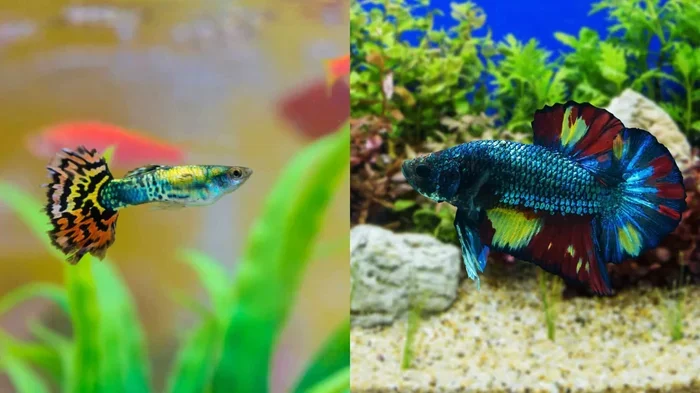
Bettas are naturally territorial, and bright colors can trigger their aggression. Fish like guppies, angelfish, and fancy goldfish have flowing fins and vivid colors that can provoke your betta. Even if some individual bettas tolerate these species, it is not worth the risk.
Avoid Other Male Bettas
Two male bettas should never share a tank. They will fight relentlessly, and the results can be fatal. Even housing a male and female betta together requires careful planning and a very large tank with plenty of hiding spots. For more on this topic, see keeping male bettas with a female.
Avoid Large or Aggressive Fish
Large fish like cichlids, oscars, and even some larger catfish can bully or eat your betta. Always match tank mates to your betta’s size and temperament. A peaceful community tank requires all inhabitants to be gentle and similarly sized.
Setting Up the Perfect Community Tank
Once you have chosen your tank mates, the next step is creating an environment where everyone feels safe and comfortable. The setup of your aquarium plays a huge role in how well your betta and its companions get along.
Tank Size Matters
A minimum of 20 gallons is recommended for a betta community tank. This gives everyone enough space to claim their own territory without constant confrontation. Smaller tanks concentrate aggression and waste, which leads to more conflicts and poorer water quality.
If you are starting fresh, go bigger whenever possible. A larger tank is more stable and forgiving of mistakes. It also gives you more flexibility in choosing tank mates.
Add Plenty of Hiding Spots
Plants, caves, and decorations give every fish a place to retreat. This is especially important for shy species like corydoras and kuhli loaches. Live plants are ideal because they improve water quality and provide natural cover. Java moss, anubias, and amazon sword plants all work well with bettas.
You can also add driftwood, rocks, and ceramic caves. Spread these out across the tank so no single fish feels cornered or overly territorial.
Maintain Proper Water Parameters
Bettas and their companions thrive in similar water conditions. Keep the temperature between 76 and 82 degrees Fahrenheit, with a pH between 6.5 and 7.5. Regular water changes and good filtration are essential for a healthy community tank.
A gentle filter is important because bettas prefer calm water. Strong currents can stress them out and make them exhausted. Sponge filters work great for betta community tanks because they provide filtration without creating too much flow.
Tips for Introducing New Tank Mates
Adding new fish or creatures to your betta tank should be done carefully. A rushed introduction can cause chaos. Follow these steps for a smooth transition.
- Quarantine new arrivals first. Keep new fish in a separate tank for two to four weeks. This helps you spot any diseases or parasites before they reach your main tank.
- Feed your betta before adding new tank mates. A full betta is less likely to feel threatened by newcomers.
- Introduce fish gradually. Add one or two new companions at a time, not a whole group all at once. This prevents overwhelming your betta.
- Watch closely for the first 48 hours. Look for signs of chasing, flaring, or hiding. Minor chasing is normal, but persistent aggression needs to be addressed.
- Be ready to separate. Keep a spare tank or divider on hand in case any fish cannot coexist peacefully.
Patience is your best friend during this process. Give your tank time to settle and your fish time to adjust. A well-planned introduction leads to a happier, healthier aquarium for everyone.
Expert Tips for a Thriving Betta Community
Experienced betta keepers share a few insider tips that can make all the difference in your community tank setup.
First, always research each species before adding it. Every fish has unique needs, and a species that works for one keeper might not work for another. Second, do not overcrowd your tank. Even peaceful fish create stress when there is too little space. Third, maintain a consistent feeding schedule. Overfeeding leads to poor water quality, which affects all inhabitants.
Finally, trust your instincts. If something does not look right, investigate early. Catching problems quickly saves lives and prevents unnecessary stress on your entire tank community.
Conclusion
Figuring out what can you pair with a betta fish is easier than it might seem at first. The right companions bring life, color, and balance to your aquarium. From peaceful tetras and corydoras to helpful snails and shrimp, there are plenty of options to choose from.
Remember to consider tank size, temperament, and water parameters when making your selections. Avoid aggressive or flashy species that can trigger your betta’s territorial instincts. With careful planning and a little patience, you can create a stunning community tank where your betta and its companions all thrive together.
Start with one or two new tank mates, observe their behavior closely, and build from there. Every successful pairing is a small victory that makes your aquarium a more enjoyable place for both you and your fish.
Frequently Asked Questions
Can betta fish live with goldfish?
No, bettas and goldfish should not be housed together. Goldfish produce a lot of waste and prefer cooler water temperatures, while bettas need warm, clean water. Their different needs make them incompatible tank mates.
What is the best tank size for a betta community?
A minimum of 20 gallons is recommended for a betta community tank. This size provides enough space for your betta and several peaceful tank mates to coexist without constant territorial disputes.
Can bettas live with angelfish?
It is not recommended. Angelfish can be aggressive and may nip at your betta’s long fins. They also grow quite large and need different water conditions in some cases. It is safer to choose smaller, more peaceful companions.
Are mystery snails good tank mates for bettas?
Yes, mystery snails are excellent tank mates for bettas. They are peaceful, slow-moving, and help keep the tank clean by eating algae and leftover food. Most bettas ignore them completely.
How many tank mates can a betta have?
This depends on your tank size. In a 20-gallon tank, you can comfortably keep a betta with a small group of 4 to 6 corydoras and a few shrimp or snails. Always avoid overcrowding to maintain water quality and reduce stress.
Do bettas eat shrimp?
Some bettas may see small shrimp as food, especially if they are hungry or the shrimp are very small. However, many bettas coexist peacefully with cherry shrimp and amano shrimp, especially when there is plenty of food and hiding spots available.