Can Hot Water Kill Betta Fish

Yes, hot water can absolutely kill betta fish. These tropical fish thrive between 76°F and 82°F, and exposure to temperatures above 85°F causes severe stress, organ failure, and death. Understanding how temperature affects your betta is essential for keeping them healthy and alive.
Key Takeaways
- Hot water kills betta fish: Temperatures above 85°F can be fatal, causing organ damage and severe stress.
- Safe range matters: Betta fish need water between 76°F and 82°F to thrive and stay healthy.
- Heat reduces oxygen: Warmer water holds less dissolved oxygen, making it harder for bettas to breathe.
- Sudden changes are deadly: Rapid temperature shifts of more than 2-3°F can shock and kill your fish.
- Proper heating equipment is essential: A reliable aquarium heater and thermometer prevent dangerous overheating.
- Tap water risks exist: Hot tap water can contain harmful metals and chemicals that poison bettas.
- Emergency cooling saves lives: Knowing how to safely lower water temperature can prevent heat-related deaths.
📑 Table of Contents
- Can Hot Water Kill Betta Fish? The Truth Every Owner Must Know
- The Safe Temperature Range for Betta Fish
- How Hot Water Damages Your Betta Fish
- Common Causes of Hot Water in Betta Tanks
- Signs Your Betta Fish Is Suffering from Heat Stress
- How to Prevent Hot Water from Killing Your Betta Fish
- What to Do If Your Betta Has Been Exposed to Hot Water
- Understanding the Relationship Between Water Quality and Temperature
- Choosing the Right Equipment to Maintain Safe Temperatures
- Conclusion: Protecting Your Betta from Hot Water Dangers
Can Hot Water Kill Betta Fish? The Truth Every Owner Must Know
If you have ever wondered whether hot water can kill betta fish, the answer is a definite yes. Betta fish are beautiful, hardy creatures in many ways, but they are surprisingly vulnerable when it comes to water temperature. Many new owners accidentally put their bettas at risk simply because they do not understand how temperature affects these tropical fish.
Betta fish, also known as Siamese fighting fish, originate from the warm, shallow waters of Southeast Asia. While they do enjoy warmer temperatures compared to many other tropical fish, there is a big difference between pleasantly warm and dangerously hot. When water gets too hot, it triggers a chain reaction of problems that can quickly lead to your betta’s death.
In this article, we will explore exactly how hot water harms betta fish, what temperature range is safe, and what you can do to protect your beloved pet from heat-related danger. Whether you are a beginner or an experienced fish keeper, understanding temperature management is one of the most important skills you can develop.
The Safe Temperature Range for Betta Fish
Understanding the Goldilocks Zone
Betta fish are tropical creatures, which means they prefer warm water. However, warm does not mean hot. The ideal temperature range for betta fish sits between 76°F and 82°F (24°C to 28°C). Within this range, bettas are active, their immune systems function properly, and their metabolism works as it should.
When the temperature climbs above 82°F, your betta starts entering dangerous territory. At 85°F and above, the water becomes genuinely life-threatening. Many owners do not realize that just a few degrees of difference can mean life or death for their fish.
Why Temperature Matters So Much
Fish are cold-blooded animals, which means their body temperature matches the water around them. Unlike humans, they cannot regulate their internal temperature. When the water gets too hot, every biological process in a betta’s body speeds up. Their heart rate increases, their metabolism races, and their body demands more oxygen.
This creates a cruel paradox. As water temperature rises, it holds less dissolved oxygen. So while your betta needs more oxygen because of the heat, there is actually less oxygen available in the water. This combination can suffocate your fish even though there is plenty of water in the tank.
What Happens at Extreme Temperatures
When water temperatures reach 90°F or higher, betta fish can die within hours. The heat essentially cooks them from the inside, denaturing proteins in their organs and causing irreversible damage. Even at temperatures around 86°F to 88°F, prolonged exposure over several days will weaken your betta’s immune system, making them susceptible to diseases like fin rot and ich.
How Hot Water Damages Your Betta Fish
Oxygen Depletion in Warm Water
One of the most dangerous effects of hot water is oxygen depletion. Cold water can hold significantly more dissolved oxygen than warm water. When you heat water beyond the safe range for betta fish, the oxygen levels drop. Your betta will gasp at the surface, trying to pull in more air through their labyrinth organ.
While bettas have a special organ that allows them to breathe atmospheric air, this is meant to be a supplement, not their primary oxygen source. If your betta is constantly gasping at the surface, it is a clear sign that something is wrong with the water temperature or oxygen levels.
Increased Toxicity of Ammonia
Hot water also makes ammonia more toxic to fish. Ammonia is a waste product produced by your fish and decaying organic matter. In cooler water within the safe range, ammonia exists in a less harmful form. But as temperatures rise, ammonia becomes exponentially more toxic, even at the same concentration levels.
This means that a tank with manageable ammonia levels at 78°F could become deadly if the temperature spikes to 86°F. The heat essentially amplifies the poison, burning your betta’s gills and internal organs.
Organ Failure and Metabolic Stress
When a betta fish lives in hot water for an extended period, their organs begin to fail. The heart works overtime trying to pump blood through a body that is overheating. The kidneys struggle to filter waste from a system that is running too fast. The liver cannot process toxins efficiently at extreme temperatures.
Eventually, one or more organs shut down completely. This process is painful and stressful for the fish. By the time you notice visible symptoms, the internal damage may already be severe.
Common Causes of Hot Water in Betta Tanks
Direct Sunlight Exposure
One of the most common reasons betta tanks overheat is direct sunlight. Placing a tank near a window might look nice, but sunlight can raise water temperature dramatically within hours. Even on a moderately warm day, the greenhouse effect inside a glass tank can push temperatures well above 90°F.
If your betta tank sits in direct sunlight during any part of the day, you are putting your fish at serious risk. The temperature can spike so quickly that your betta does not have time to adjust.
Malfunctioning Heaters
Aquarium heaters are essential for maintaining stable temperatures, but they can also become a hazard when they malfunction. A stuck heater that stays on continuously will slowly cook the water. Many cheaper thermostats fail in the “on” position, creating a deadly situation that owners may not notice until it is too late.
Always invest in a reliable heater with a good reputation, and consider using a separate thermometer to verify that your heater is working correctly. Never trust the built-in thermostat alone.
Hot Weather and Room Temperature
During summer months, room temperatures can soar, especially in homes without air conditioning. If the air around the tank gets hot, the water temperature will follow. A room that reaches 85°F or higher will eventually heat the tank water to dangerous levels.
This is particularly problematic for bettas kept in small bowls or tanks under 5 gallons. Small volumes of water heat up and cool down much faster than larger tanks, making them more vulnerable to temperature swings.
Using Hot Tap Water
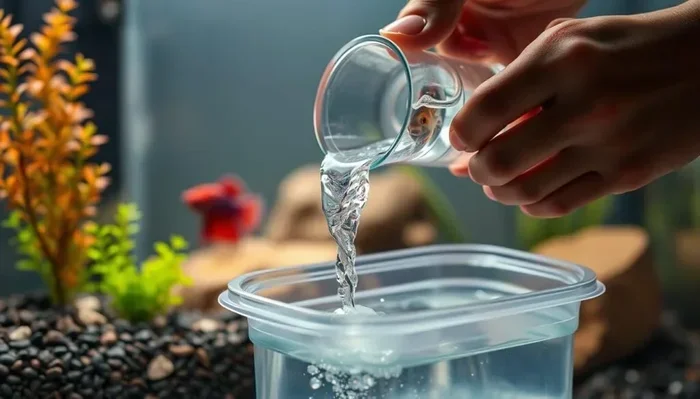
Some owners make the mistake of using hot tap water when performing water changes or filling a new tank. This is extremely dangerous for several reasons. Hot tap water often contains higher concentrations of metals like copper and lead, which leach from pipes and water heaters. These metals are toxic to betta fish even in small amounts.
Additionally, hot tap water has very little dissolved oxygen. Pouring hot water directly into a betta tank will shock your fish and deprive them of the oxygen they need. If you want to learn more about what water is safe for your betta, check out our guide on what water to use for betta fish.
Signs Your Betta Fish Is Suffering from Heat Stress
Erratic Swimming and Lethargy
When water gets too hot, betta fish display noticeable behavioral changes. Some bettas become hyperactive and swim erratically, darting around the tank in a panicked manner. Others become extremely lethargic, lying at the bottom of the tank and showing little interest in their surroundings.
Both responses indicate that your fish is stressed. If you notice either behavior, check the water temperature immediately. Do not assume the problem is something else.
Loss of Appetite
Heat-stressed bettas often refuse to eat. If your betta suddenly stops eating and the water temperature is above 82°F, the heat is likely the culprit. A betta that goes without food for several days due to heat stress will become even weaker and more vulnerable to disease.
Color Fading and Fin Clamping
Hot water can cause your betta’s vibrant colors to fade. A normally bright fish may appear washed out or pale. You might also notice your betta clamping its fins close to its body, which is a classic sign of stress and discomfort.
Gasping at the Surface
As mentioned earlier, a betta gasping at the surface is a red flag. While bettas naturally breathe air from the surface occasionally, constant gasping means the water lacks sufficient oxygen. This happens when temperatures rise too high, and it signals an emergency situation.
How to Prevent Hot Water from Killing Your Betta Fish
Invest in a Quality Heater and Thermometer
The single best thing you can do for your betta is to equip their tank with a reliable heater and an accurate thermometer. Choose a heater that is appropriately sized for your tank. A general rule is 5 watts per gallon of water.
Place the thermometer on the opposite side of the tank from the heater so you can monitor the overall water temperature. Check the thermometer daily to ensure the temperature stays within the 76°F to 82°F range.
For more details on maintaining the right temperature, read our article on what temperature should water be for a betta fish.
Keep the Tank Away from Heat Sources
Position your betta tank away from windows, radiators, air conditioning vents, and electronics that generate heat. A stable room temperature between 72°F and 78°F provides a good buffer against sudden temperature changes.
If your home gets hot during summer, consider using a fan near the tank or running air conditioning to keep the room comfortable. You can also freeze water in plastic bottles and float them in the tank during heat waves to bring the temperature down gradually.
Perform Regular Water Changes with Proper Technique
Regular water changes keep the water clean and help maintain stable temperatures. However, always make sure the new water matches the tank temperature within 2°F. Pouring in cold or hot water during a change can shock your betta and cause serious harm.
Use a thermometer to check both the tank water and the replacement water before adding it. If you are unsure about what type of water is safe for water changes, our guide on can betta fish live in tap water explains how to prepare tap water properly.
Use a Tank Cover and Monitor Evaporation
Evaporation can concentrate toxins and raise temperatures in small tanks. Keep a lid on your tank to reduce evaporation, but make sure there is still adequate air circulation at the surface. Bettas need access to the warm air layer at the top of the tank to use their labyrinth organ properly.
Have an Emergency Plan for Heat Waves
During extreme heat, you need a plan to protect your betta. Keep frozen water bottles ready in your freezer. If the tank temperature rises above 82°F, float a frozen bottle in the tank to bring it down slowly. Never add ice directly, as this causes rapid temperature drops that are just as dangerous as the heat.
You can also point a small fan at the water surface. The evaporation caused by the airflow will cool the water gradually. This method is gentle and effective for moderate overheating.
What to Do If Your Betta Has Been Exposed to Hot Water
Lower the Temperature Slowly
If you discover that your betta has been living in hot water, do not panic and immediately add cold water. Rapid temperature changes are extremely dangerous and can kill your betta faster than the heat itself. Instead, lower the temperature gradually, no more than 1°F to 2°F per hour.
Remove the tank from any heat sources first. If the heater is malfunctioning, unplug it immediately. Float a frozen water bottle in the tank and monitor the thermometer closely. The goal is a slow, steady return to the safe temperature range.
Increase Aeration
Hot water holds less oxygen, so your betta needs extra aeration during recovery. Add an air stone or adjust your filter to create more surface agitation. This increases oxygen exchange and helps your betta breathe easier while the temperature normalizes.
Watch for Secondary Infections
Heat stress weakens the immune system, making your betta vulnerable to bacterial and fungal infections. In the days following a heat incident, watch carefully for signs of ich, fin rot, or fungal growth. If you notice white spots, fuzzy patches, or deteriorating fins, begin treatment immediately.
Consider a Quarantine Tank
If your betta was severely heat-stressed, moving them to a small quarantine tank with perfectly controlled temperature allows you to monitor them closely. A quarantine tank also makes it easier to administer medication if infections develop.
Understanding the Relationship Between Water Quality and Temperature
How Heat Affects the Nitrogen Cycle
Hot water does not just harm your betta directly. It also disrupts the beneficial bacteria that keep your tank healthy. These bacteria, which convert toxic ammonia into less harmful nitrite and nitrate, thrive best within specific temperature ranges. When water gets too hot, these bacteria can die off, causing ammonia spikes that poison your fish.
This creates a double threat. The heat stresses your betta while simultaneously destroying the biological filtration that keeps the water safe. A tank that was perfectly cycled can become toxic within days if the temperature spikes.
pH Shifts in Warm Water
Temperature also affects pH levels. Warmer water tends to have a higher pH, which can stress your betta and make ammonia even more toxic. Regular water testing becomes even more important during warm weather when temperatures fluctuate.
If you are experiencing pH problems along with temperature issues, our article on can u use tap water for betta fish provides helpful insights into how different water sources affect your tank chemistry.
Choosing the Right Equipment to Maintain Safe Temperatures
Heaters vs. No Heaters
Some people believe that betta fish do not need a heater because they are hardy. This is a dangerous myth. While bettas can survive at room temperature for a short time, they cannot thrive or live long, healthy lives without a stable, warm environment. A heater is not optional for betta care. It is essential equipment.
Choose an adjustable heater rather than a preset one. Adjustable heaters allow you to fine-tune the temperature to the exact range your betta needs. Look for heaters with safety features like automatic shut-off and overheat protection.
Thermometer Types and Placement
Digital stick-on thermometers are affordable and easy to read. Glass thermometers are more accurate but can break. Inline thermometers built into filters provide continuous readings. Whatever type you choose, place it where you can see it easily during daily feeding.
Having two thermometers in different locations helps you detect temperature inconsistencies in the tank. If one area is significantly warmer than another, you may need to adjust your filter flow or heater placement.
Backup Equipment for Emergencies
Smart betta owners keep backup equipment on hand. A spare heater can save your betta’s life if your primary heater fails during winter. A battery-powered air pump provides aeration during power outages. These small investments can mean the difference between life and death for your fish.
Conclusion: Protecting Your Betta from Hot Water Dangers
Hot water absolutely can and does kill betta fish. The margin between a comfortable temperature and a deadly one is surprisingly small. As a responsible betta owner, you must take temperature management seriously.
Invest in quality equipment, monitor the temperature daily, and have a plan for emergencies. Keep your tank away from direct sunlight and heat sources. Always match water temperatures during changes, and never use hot tap water in your betta’s tank.
Your betta depends entirely on you for their environment. By maintaining water between 76°F and 82°F, you give your betta the best chance at a long, healthy, and vibrant life. A few simple precautions can prevent tragedy and ensure your beautiful fish thrives for years to come.
Remember, when it comes to hot water and betta fish, prevention is always easier than cure. Stay vigilant, stay informed, and keep your betta cool, comfortable, and safe.
Frequently Asked Questions
What is the maximum temperature betta fish can survive?
Betta fish can briefly tolerate temperatures up to about 86°F, but prolonged exposure above 85°F becomes dangerous. At 90°F and above, death can occur within hours. The safe and comfortable range is 76°F to 82°F.
Can I put my betta fish in tap water straight from the faucet?
No, you should never put your betta directly into untreated tap water. Tap water contains chlorine and chloramines that burn their gills. Always use a water conditioner first. Learn more in our guide on can you fill a betta fish tank with tap water.
How do I cool down my betta tank if it gets too hot?
Float frozen water bottles in the tank and point a fan at the water surface. Lower the temperature gradually, no more than 1-2°F per hour. Never add ice directly, as rapid changes can shock and kill your fish.
Can direct sunlight overheat my betta tank?
Yes, direct sunlight is one of the most common causes of overheating. Sunlight passing through glass creates a greenhouse effect that can push temperatures above 90°F within hours. Always keep betta tanks away from windows with direct sun exposure.
Do betta fish need a heater in their tank?
Yes, betta fish absolutely need a heater. They are tropical fish that require stable temperatures between 76°F and 82°F. Without a heater, room temperature fluctuations can stress and eventually kill your betta.
How often should I check my betta tank temperature?
Check the temperature daily, ideally at the same time each day. Regular monitoring helps you catch problems early before they become life-threatening. A simple stick-on thermometer makes this quick and easy.