What Age Do Betta Fish Stop Growing
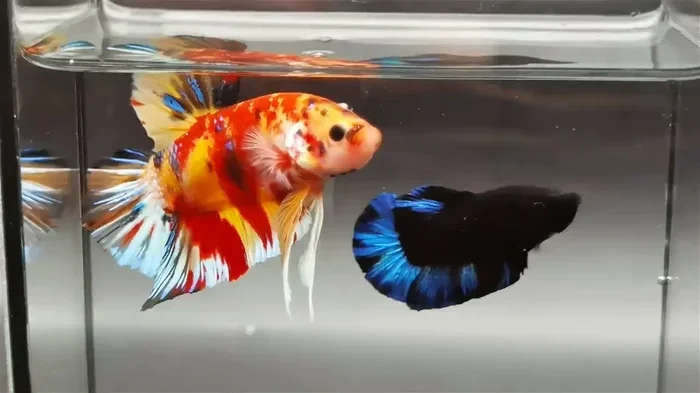
Betta fish typically stop growing between 6 and 7 months of age, reaching their full size of about 2.5 to 3 inches by their first birthday. Several factors influence how fast your betta reaches its final size, including water quality, diet, tank size, and overall living conditions. Providing a clean, spacious environment with a balanced diet will help your betta grow to its healthiest potential within that early growth window.
Key Takeaways
- Most betta fish stop growing around 6 to 7 months of age.
- Proper diet with high-quality food ensures bettas reach their full growth potential.
- Male bettas typically grow larger than females, reaching up to 3 inches.
- A spacious tank with clean water supports healthy betta growth and development.
- Genetics play a big role in determining your betta’s final size.
- Growth slows significantly after 4 months, so early care matters most.
- Stable water temperatures between 78-80°F promote optimal betta growth rates.
📑 Table of Contents
What Age Do Betta Fish Stop Growing
What age do betta fish stop growing is a question that nearly every betta owner asks at some point. The short answer is that most betta fish reach their full size between 6 months and 1 year of age. However, their betta fish growth rate can vary based on genetics, diet, tank conditions, and overall betta fish care. Understanding this betta fish growth timeline helps you provide the best environment for your fish to thrive. Whether you are a new owner or a seasoned hobbyist, knowing when your betta reaches betta fish maturity gives you clarity on their health and development. This guide covers everything you need to know about betta fish development, from early growth stages to their final size.
Betta fish are popular for their bright colors and flowing fins. But many people do not realize that these fish go through distinct betta fish growth stages before they hit their full betta fish size. By learning about betta fish age and development, you can make better decisions about feeding, tank setup, and health monitoring. Let us dive deep into the world of betta fish growth and find out exactly when they stop getting bigger.
How Big Do Betta Fish Get
Before we talk about what age do betta fish stop growing, it helps to know their full size. Most betta fish reach a betta fish full size of about 2.5 to 3 inches long. This measurement includes their body and fins. Some larger varieties, like the halfmoon betta, may appear even bigger because of their wide tail spread.
Here is a quick breakdown of typical betta fish size at different life stages:
- Newly hatched: Less than 0.25 inches
- 1 month old: About 0.5 inches
- 3 months old: About 1 to 1.5 inches
- 6 months old: About 2 to 2.5 inches
- 1 year and beyond: Full size, roughly 2.5 to 3 inches
Keep in mind that these numbers are averages. Your fish may be slightly smaller or larger depending on its genetics and care. The betta fish body size you see in pet stores is often already close to their adult size, since many fish are sold at 4 to 6 months old.
It is also worth noting that bettas kept in larger tanks often grow slightly bigger than those kept in small bowls. If you want to support healthy betta fish development, giving them room to swim matters. For more details on tank size, check out our guide on What Size Tanks Do Betta Fish Need.
The Growth Timeline: When Do Betta Fish Stop Growing
So, what age do betta fish stop growing exactly? Most betta fish slow down their growth significantly around the 6-month mark and stop growing fully by about 12 months. This is when they reach betta fish maturity. Let us break down the betta fish growth rate by age.
Birth to 1 Month
This is the fastest growth phase. Baby bettas, called fry, grow incredibly quickly. They go from tiny eggs to free-swimming fry within a few days. During the first month, they can nearly double in size multiple times. Proper nutrition is critical during this window. Feeding them high-quality betta fish nutrition like live or frozen foods helps them develop strong bodies.
1 to 3 Months
Growth begins to slow but is still very active. Your betta will gain most of its adult coloration during this period. Many owners notice their fish changing colors, which is completely normal. If you are curious about this, read our article on Do Betta Fish Change Color As They Age. By the end of three months, your betta is roughly half its adult size.
3 to 6 Months
This is the final push for growth. Your betta will fill out and reach close to its full betta fish size. Fin growth is also at its peak during this stage. Males develop their long, flowing tails. Females tend to stay a bit more compact. Tank conditions, water quality, and feeding habits all play a big role in how well your fish grows during this time.
6 to 12 Months
By now, your betta fish is likely close to its full betta fish body size. Growth slows to a crawl. Most bettas are considered fully grown by their first birthday. This is the answer to the question of betta fish maturity age. After 12 months, you should not expect any significant size increase.
Factors That Affect Betta Fish Growth
Not all betta fish grow at the same speed. Several factors influence how quickly they reach their betta fish full size and when they stop growing. Understanding these factors gives you the power to support healthier growth.
Genetics
Just like humans, genetics play a big role. Some bettas are simply predisposed to be larger or smaller. If you buy from a breeder who selects for size, your fish may end up bigger. Pet store bettas may have less predictable growth patterns.
Tank Size and Environment
A common mistake is keeping bettas in tiny bowls. A cramped environment limits their growth and overall health. The betta fish tank size you choose directly impacts their well-being. A minimum of 5 gallons is recommended. For more information, see our detailed guide on What Size Tanks Do Betta Fish Need.
Water temperature is another key factor. Bettas prefer warm water between 76 and 82 degrees Fahrenheit. Cold water slows their metabolism and can stunt growth. To learn more about ideal temperatures, check our articles on What Water Temperature Do Betta Fish Like and What Temp Do Betta Fish Like.
Diet and Nutrition
Food quality matters a lot. Bettas are carnivores and need protein-rich diets. Feeding them the right food supports healthy betta fish growth speed. For a deep dive into their dietary needs, read our guide on What Do Betta Fish Eat.
Overfeeding is a real problem. It does not make your fish grow faster. Instead, it leads to health issues like bloating and poor water quality. Feed small amounts 2 to 3 times a day for the best results.
Water Quality
Clean water is non-negotiable. Ammonia and nitrite spikes can stress your fish and slow growth. Regular water changes, proper filtering, and monitoring water parameters all contribute to steady betta fish development.
How to Tell If Your Betta Fish Is Still Growing
Wondering if your betta is still on the growth path? Here are some clear signs that your fish has not yet reached its full betta fish size.
- Body proportions: If the head looks large compared to the body, your fish may still be filling out.
- Fin length: Young bettas often have shorter fins that continue to grow over the first 6 months.
- Color intensity: If colors are still developing and not fully vibrant, the fish may not be fully mature yet.
- Activity level: Growing fish tend to be very active and curious. A sudden drop in activity may signal that growth has stopped or that something is wrong.
Measuring Your Betta Fish
If you want to track growth precisely, you can measure your fish. Use a ruler or measuring tape placed next to the tank. Measure from the nose to the end of the tail fin. Take photos monthly to compare. This simple method helps you spot growth trends and confirms when your fish reaches its betta fish maturity.
When Growth Seems to Have Stopped
If your betta is over a year old and shows no further size change, that is completely normal. The betta fish growth timeline has simply run its course. As long as your fish is active, eating well, and displaying bright colors, there is no cause for concern. Not all growth is about size. Internal development, like organ maturity and color deepening, continues throughout their betta fish lifespan, which typically spans 3 to 5 years.
Common Growth Problems and Health Issues
Sometimes betta fish do not grow as expected. This can be alarming, but the cause is often fixable. Here are some common betta fish health issues related to growth.
Stunted Growth
This happens when a fish stays smaller than expected. The main causes include poor nutrition, incorrect water temperature, and overcrowded tanks. If you notice your betta is not hitting normal size milestones, reassess its environment first. Make sure the water temperature do betta fish like is within the 76 to 82°F range. Also, evaluate the food you are offering. Low-quality flakes alone do not provide enough protein for proper growth.
Swim Bladder Disorder
This condition affects a fish’s ability to float or sink properly. It is often caused by overfeeding or feeding the wrong types of food. While it does not directly stop growth, it impacts your fish’s ability to feed normally, which then affects development. To prevent this, feed high-quality pellets designed for bettas and avoid freeze-dried foods that expand inside their stomach.
Fin Rot and Infections
Fin damage can limit the appearance of growth. If your betta’s fins are ragged or discolored, it may be suffering from infection. This is often caused by poor water conditions. Regular maintenance and monitoring what ph level do betta fish like (around 6.5 to 7.5) helps prevent these problems. If you notice fraying fins, check our article on Do Betta Fish Fins Fray With Age for more insight.
What to Do When Growth Stalls
If you suspect your betta is not growing properly, take these steps:
- Test your water parameters immediately
- Increase the temperature to the optimal range if it is too low
- Switch to a high-protein betta pellet or frozen food
- Reduce feeding amounts to prevent overfeeding
- Ensure the tank is at least 5 gallons with proper filtration
- Quarantine if you have other fish that might be bullying your betta
Tips to Help Your Betta Fish Grow Healthy
Now that you know the answer to what age do betta fish stop growing, let us talk about how to give your fish the best start. These practical tips support steady betta fish growth stages and long-term health.
Provide a Nutrient-Rich Diet
Bettas need animal-based protein. Look for pellets with fish or shrimp as the first ingredient. Supplement with frozen or live foods like bloodworms, brine shrimp, and daphnia 2 to 3 times a week. Variety in their diet promotes better betta fish nutrition and color development.
Maintain Excellent Water Conditions
Perform weekly water changes of 25 to 50 percent. Use a water conditioner to remove chlorine. Keep the temperature stable with a heater. Monitor pH levels regularly. Clean water equals a healthy fish that can grow to its full potential.
Choose the Right Tank Setup
A 5-gallon tank minimum is ideal. Add plants, caves, and gentle decor for enrichment. Avoid strong currents since bettas are not strong swimmers. If you are unsure what to include, our guide on What Do Betta Fish Like In Their Tanks offers great ideas.
Avoid Overcrowding
Bettas are territorial. Keeping them alone is usually best. If you want tank mates, choose very carefully. Crowded tanks lead to stress, which directly impacts growth and color. A stressed betta will not eat well or develop properly.
Watch for Warning Signs
Stay alert to changes in behavior. Loss of color, clamped fins, refusing food, or staying at the bottom of the tank are all red flags. Early intervention saves lives. The sooner you address a problem, the better the outcome for your fish.
Quick Tips for New Betta Owners
- Do not buy tiny cups or bowls. They restrict growth and health.
- Do not feed exclusively flakes. Pellets are more nutritious.
- Do not skip water changes. Dirty water stunts development.
- Do not rush the process. Patience is key when raising a betta.
- Do keep a log of feeding, water changes, and any behavioral changes.
These simple habits ensure your betta reaches its betta fish full size and enjoys a long, vibrant life. Remember that a healthy betta is not just about size. It is about color, activity, appetite, and behavior too. The betta fish lifespan of 3 to 5 years is fully achievable with proper care from day one.
Conclusion
So, what age do betta fish stop growing? Most bettas stop growing between 6 months and 1 year of age. They reach full betta fish maturity by their first birthday and maintain their betta fish body size for the rest of their lives. Growth speed depends on genetics, diet, tank size, water quality, and temperature. By providing excellent care from the start, you give your betta the best chance to reach its full potential. Feed high-quality food, keep water clean and warm, and give them plenty of space. Your betta fish deserves the best, and now you know exactly how to support its journey from tiny fry to a beautiful, fully grown adult. Apply these tips today and watch your betta thrive.
Frequently Asked Questions
What Age Do Betta Fish Stop Growing?
Most betta fish stop growing between 6 to 12 months of age. By this time, they typically reach their full size of about 2.5 to 3 inches. However, some bettas may continue to grow slightly until they are around 14 months old.
How Big Do Betta Fish Get When They Stop Growing?
When betta fish stop growing, they usually reach a length of 2.5 to 3 inches from nose to tail fin. Some exceptionally well-cared-for bettas may reach slightly larger sizes. Proper diet and tank conditions play a big role in their final size.
How Long Does It Take for a Betta Fish to Reach Full Size?
Betta fish generally reach their full size within the first year of life. The fastest growth happens during the first 4 to 6 months. After that, growth slows down significantly and eventually stops altogether.
Why Is My Betta Fish Not Growing at the Expected Age?
Poor water quality, incorrect temperature, or an inadequate diet can slow down your betta’s growth. Stress from small tanks or aggressive tankmates also affects their development. Make sure their environment is clean, warm, and spacious enough to support healthy growth.
Do Male and Female Betta Fish Stop Growing at the Same Age?
Male bettas tend to stop growing around the same time as females, usually between 6 and 12 months. However, males often appear larger because of their longer fins and more vibrant colors. Females may be slightly smaller in body size but are equally proportionate.
Can a Betta Fish Grow After It Has Stopped Growing?
Once a betta fish has reached its full size, it will not grow any larger. Some minor changes in body shape may occur as they age, but this is not true growth. Providing a healthy lifestyle helps them maintain their size and overall well-being throughout their lifespan.