What Water Temperature Do Betta Fish Like
Betta fish thrive in warm, stable water, typically between 76°F and 82°F (24°C‑28°C). Maintaining this range boosts their color, activity, and overall health. Use a reliable heater, monitor with a thermometer, and adjust slowly to avoid stress.
Key Takeaways
- Ideal range: 76‑82°F (24‑28°C) is the sweet spot for most bettas.
- Stability matters: Fluctuations of more than 2°F can cause stress and illness.
- Heater choice: Submersible, adjustable heaters work best for small tanks.
- Regular checks: Test water temperature daily with a calibrated thermometer.
- Seasonal tweaks: Slightly raise temperature in winter, lower in summer, but stay within the ideal range.
- Symptoms of wrong temp: Lethargy, loss of color, clamped fins indicate temperature issues.
- Complementary care: Proper water type, filtration, and diet enhance the benefits of the right temperature.
📑 Table of Contents
- Introduction: Why Temperature Is the Heartbeat of Betta Care
- 1. The Science Behind the Ideal Temperature
- 2. Setting Up the Perfect Temperature
- 3. Maintaining Stable Temperatures Over Time
- 4. How Temperature Affects Overall Betta Health
- 5. Complementary Care: Water Type, Filtration, and Diet
- 6. Frequently Overlooked Tips and Tricks
- Conclusion: Keep It Warm, Keep It Happy
Introduction: Why Temperature Is the Heartbeat of Betta Care
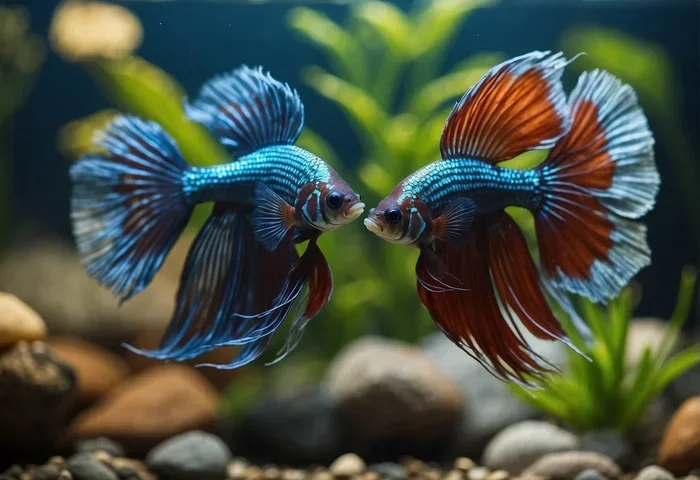
When you first bring home a betta, the most exciting part is watching those brilliant fins flutter around the tank. But behind that beauty lies a simple, often‑overlooked factor: water temperature. In their native Southeast Asian rivers, bettas live in warm, slow‑moving waters that rarely dip below 76°F. Replicating that environment at home isn’t just about comfort—it’s the key to vibrant colors, active behavior, and a long, healthy life.
In this guide we’ll answer the burning question, what water temperature do betta fish like, and walk you through everything from choosing the right heater to spotting warning signs. You’ll finish reading with a clear, step‑by‑step plan to keep your betta’s water perfectly warm, stable, and inviting.
1. The Science Behind the Ideal Temperature
1.1 Natural Habitat Clues
Betta splendens originate from the shallow, rice‑paddy canals of Thailand, Malaysia, and Indonesia. Those waters stay warm year‑round, typically hovering between 76°F and 82°F (24°C‑28°C). The fish have evolved enzymes that work best at these temperatures, making the range their metabolic sweet spot.
Visual guide about What Water Temperature Do Betta Fish Like
Image source: publicdomainpictures.net
1.2 Metabolism and Energy Use
At lower temperatures, a betta’s metabolism slows down. You’ll notice slower swimming, muted colors, and reduced appetite. Conversely, water that’s too hot speeds up metabolism, leading to rapid breathing, stress, and a weakened immune system. The 76‑82°F window balances energy use, allowing the fish to stay active without overexertion.
1.3 Impact on Color and Behavior
Warm water enhances blood flow to the fins, intensifying the iridescent hues that make bettas famous. It also encourages natural behaviors like bubble‑nest building and gentle fin displays. In short, getting the temperature right is the fastest way to see your betta sparkle.
2. Setting Up the Perfect Temperature
2.1 Choosing the Right Heater
For a standard 2‑5‑gallon betta tank, a submersible heater with an adjustable thermostat is ideal. Look for models that can heat from 68°F to 86°F, giving you room to fine‑tune. Clip‑on heaters are also popular, but they can create hot spots if not positioned correctly.
Visual guide about What Water Temperature Do Betta Fish Like
Image source: publicdomainpictures.net
2.2 Positioning and Calibration
Place the heater near the water flow—if you have a filter, position it opposite the output so warm water circulates evenly. After installing, let the heater run for at least an hour, then check the temperature with a reliable aquarium thermometer. Adjust in 1°F increments until you land in the 76‑82°F range.
2.3 Using a Thermometer Effectively
Digital stick‑on thermometers are cheap and accurate. Keep one on the tank wall and another floating in the water; compare readings daily. Consistency between the two means the water is well‑mixed.
2.4 Avoiding Common Mistakes
- Over‑heating: Setting the heater above 84°F can cause stress and shorten lifespan.
- Under‑heating: Below 74°F leads to sluggishness and susceptibility to disease.
- Direct sunlight: Sunlight can raise surface temperature quickly, creating dangerous spikes.
3. Maintaining Stable Temperatures Over Time
3.1 Daily Monitoring Routine
Make temperature checking part of your morning routine. Write the reading in a log; patterns emerge quickly, helping you spot gradual shifts before they become problems.

Visual guide about What Water Temperature Do Betta Fish Like
Image source: publicdomainpictures.net
3.2 Seasonal Adjustments
In winter, room temperature may drop, pulling the tank’s water down. Increase the heater setting by 1‑2°F, but never exceed 82°F. In summer, the opposite occurs—consider a small fan blowing across the tank’s surface or a cooler room to keep the water from climbing above 80°F.
3.3 Using a Timer for Consistency
Some hobbyists connect their heater to a timer that mirrors the day/night cycle, turning the heater off for a short period at night. This mimics natural temperature dips of a few degrees, which many bettas tolerate well, as long as the change is gradual.
3.4 Backup Plans for Power Outages
Power failures are a real risk. Keep a battery‑operated heater or a small insulated “thermal blanket” ready. Even a 30‑minute window without heat can drop the temperature enough to stress a betta.
4. How Temperature Affects Overall Betta Health
4.1 Immune System Support
When water stays within the ideal range, the betta’s immune response is strongest. Parasites and bacterial infections struggle to gain a foothold. Conversely, temperature swings suppress immunity, making even minor injuries risky.
4.2 Digestion and Feeding
Betta fish digest best at 78°F‑80°F. If the water is too cold, you’ll notice leftover food floating after meals. Warmer water encourages proper digestion and reduces waste buildup, which in turn keeps water quality high.
4.3 Reproduction Considerations
Male bettas build bubble nests more reliably when the water sits around 80°F. If you’re planning to breed, aim for the upper end of the range and keep the temperature steady for at least a week before introducing a female.
4.4 Recognizing Temperature‑Related Stress
Watch for these red flags:
- Lethargic swimming or staying at the bottom.
- Faded or blotchy coloration.
- Clamped fins (held close to the body).
- Rapid gulping at the surface (sign of low oxygen, often linked to temperature extremes).
If you see any of these, test the temperature immediately and adjust.
5. Complementary Care: Water Type, Filtration, and Diet
5.1 Water Quality Basics
Even the perfect temperature won’t help a betta in poor water. Use conditioned tap water with a neutral pH (6.5‑7.5). For detailed guidance on water type, see our article on what type of water betta fish need.
5.2 Filtration Without Strong Currents
Betta fish prefer calm waters. A gentle sponge filter provides biological filtration without creating a current that pushes the fish around. Pair it with regular 25% water changes to keep nitrate levels low.
5.3 Feeding Tips Aligned With Temperature
At 78°F‑80°F, feed high‑quality betta pellets twice daily. In cooler water, reduce feeding to once a day to prevent uneaten food from fouling the tank. Live or frozen foods (bloodworms, daphnia) can be offered once a week for extra nutrition.
5.4 Linking to Related Topics
For a deeper dive into tank setup, check out what do betta fish like in their tank. It covers décor, lighting, and plants that work well with the right temperature.
6. Frequently Overlooked Tips and Tricks
6.1 Use a Thermostat Cover
Wrap the heater with a silicone cover to prevent direct contact with the betta’s fins, which can cause burns if the heater malfunctions.
6.2 Add a Small Rock for Heat Distribution
Placing a smooth river rock near the heater helps disperse warmth evenly, reducing hot spots.
6.3 Seasonal “Thermal Buffer”
During winter, place a small insulated box (like a Styrofoam cooler) underneath the tank to act as a thermal buffer. It slows heat loss and saves energy.
6.4 Monitor with an App
Several smartphone apps connect to Bluetooth thermometers, sending alerts if temperature drifts outside your set range. This is handy for busy owners or those on vacation.
Conclusion: Keep It Warm, Keep It Happy
Understanding what water temperature do betta fish like is the cornerstone of responsible betta ownership. By maintaining a stable 76‑82°F range, you give your fish the best chance to display its natural colors, stay active, and live a long, disease‑free life. Invest in a reliable heater, check the temperature daily, and make small seasonal tweaks. Pair this with clean water, gentle filtration, and a balanced diet, and your betta will thank you with dazzling fin displays for years to come.
Frequently Asked Questions
What is the exact temperature range most betta fish prefer?
Betta fish thrive best between 76°F and 82°F (24°C‑28°C). Staying within this window supports healthy metabolism and vibrant coloration.
Can bettas survive at temperatures lower than 76°F?
They can survive slightly lower temperatures, but prolonged exposure below 74°F may cause lethargy, loss of color, and increased susceptibility to disease.
How often should I check my betta’s water temperature?
Check at least once a day, preferably in the morning. Keeping a log helps you notice trends and catch any sudden changes early.
What are the signs that the water temperature is too high?
Signs include rapid breathing, clamped fins, loss of appetite, and a pale or faded appearance. If you notice these, lower the heater by 1‑2°F immediately.
Do I need a heater for a betta in a heated room?
If the room temperature stays consistently within the 76‑82°F range, a heater may not be necessary. However, most homes fluctuate, so a small, adjustable heater is still recommended for stability.
How can I prevent temperature spikes during power outages?
Keep a battery‑operated backup heater or a thermal blanket on hand. Even a short period without heat can drop the temperature enough to stress your betta.