What Do Betta Fish Like in Their Tanks

Betta fish thrive when their tank mimics a warm, calm, and enriched environment. Providing the right water temperature, gentle lighting, live plants, and proper space keeps them healthy and colorful. Follow these simple tips to turn any tank into a betta‑friendly paradise.
Key Takeaways
- Temperature matters: Keep water between 76‑82°F for optimal health.
- Space is essential: A minimum of 5 gallons gives a betta room to explore.
- Plants and décor: Live or silk plants provide hiding spots and reduce stress.
- Gentle lighting: Soft, dimmable lights prevent overstimulation.
- Clean water: Regular partial water changes and a gentle filter keep ammonia low.
- Proper diet: High‑quality pellets, frozen foods, and occasional treats keep colors vibrant.
- Social considerations: Betta’s are territorial; choose tank mates wisely.
📑 Table of Contents
Introduction: Making Your Betta Feel Right at Home
Imagine a tiny, flamboyant fish gliding through a world that feels just right – not too cold, not too bright, and full of cozy nooks. That’s the promise of a well‑set‑up betta tank. Many beginners think a tiny bowl will do, but bettas are far smarter and more sensitive than that old myth suggests. By understanding what betta fish like in their tanks, you can give them a habitat that promotes brilliant colors, lively behavior, and a long, happy life.
In this guide we’ll walk through every element that matters: water temperature, tank size, lighting, plants, décor, and even the little details that make a big difference. Think of it as a friendly chat over coffee, where we share practical tips you can start using today.
1. The Perfect Water Environment
Temperature: The Goldilocks Zone
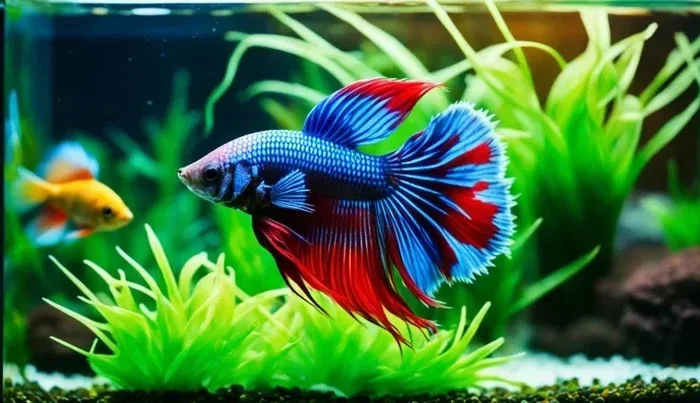
Betta fish are tropical, which means they thrive in warm water. The ideal range is 76‑82°F (24‑28°C). Anything below 75°F can slow metabolism and make your betta sluggish, while temperatures above 84°F stress the fish and shorten its lifespan. A reliable aquarium heater is the easiest way to stay in the sweet spot.

Visual guide about What Do Betta Fish Like in Their Tanks
Image source: wallpaperaccess.com
For more on keeping water warm, see our article on Do Betta Fish Need Heaters In Their Tanks.
Water Type and Quality
Betta fish prefer soft, slightly acidic water with a pH of 6.5‑7.5. Use a water conditioner to remove chlorine and chloramines, and aim for a general hardness (GH) of 3‑4 dGH. Regular testing keeps ammonia and nitrite at zero, which is crucial because bettas are sensitive to poor water quality.
Learn more about water choices in our guide What Type Of Water Do Betta Fish Need.
Filtration: Gentle but Effective
While bettas can survive in unfiltered water for short periods, a gentle filter reduces waste and maintains stable parameters. Choose a sponge filter or a low‑flow hang‑on‑back unit. The flow should be weak enough that the betta can swim against it without constant stress.
2. Tank Size and Layout
Why Bigger Is Better
Contrary to the “small bowl” myth, a minimum of 5 gallons gives your betta room to explore and helps maintain water stability. Larger volumes dilute toxins and make temperature control easier.
Read why many owners still use small containers in Why Are Betta Fish In Small Tanks.
Choosing the Right Shape
A tall, vertical tank works well because bettas love to surface for air. A 5‑gallon long tank provides plenty of surface area and makes decorating easier.
Creating Zones
Divide the tank into three zones: open swimming area, planted hideaways, and a resting spot near the surface. This mimics the layered habitats bettas encounter in the wild.
3. Lighting and Day‑Night Cycle
Soft, Dimmable Light
Betta fish appreciate a gentle light that mimics sunrise and sunset. A 10‑hour light period followed by 14 hours of darkness supports their natural rhythm and reduces stress.

Visual guide about What Do Betta Fish Like in Their Tanks
Image source: bollywoodshaadis.com
Discover more about light preferences in Do Betta Fish Like Light.
Avoid Direct Sunlight
Direct sun can cause temperature spikes and excessive algae growth. Place the tank away from windows or use blinds to filter harsh rays.
4. Plants, Décor, and Hiding Spots
Live Plants Are a Win‑Win
Live plants such as Java fern, Anubias, and Marimo moss improve water quality, provide natural grazing surfaces for bio‑film, and give your betta places to rest. They also create a soothing, natural look.
Silk vs. Plastic
If live plants aren’t an option, choose silk plants over hard plastic. Silk leaves are soft and won’t tear delicate betta fins, whereas rough plastic can cause injuries.
Hiding Places and Caves
Betas love to hide. Provide caves, PVC pipes, or dense leaf clusters. These spots let your fish retreat when it feels threatened, reducing aggression and promoting confidence.
Substrate Choices
A fine sand or smooth gravel mimics the riverbeds bettas inhabit. Avoid sharp gravel that can damage fins.
5. Feeding and Nutrition
Balanced Diet Basics
High‑quality betta pellets should form the staple of the diet. Supplement with frozen or live foods like daphnia, bloodworms, and brine shrimp two to three times a week for color enhancement.
Portion Control
Feed small amounts 2‑3 times daily, only what the fish can consume in 2‑3 minutes. Overfeeding leads to water fouling and health issues.
Feeding Tips
- Use a feeding ring to keep food in one area.
- Remove uneaten food after each feeding.
- Rotate protein sources to keep the diet varied.
6. Social Aspects: Tank Mates and Stress
Betta’s Territorial Nature
Male bettas are famously aggressive toward other males and similarly colored fish. However, peaceful community species can coexist if the tank is spacious and well‑planted.
Safe Tank Mates
Consider small, non‑fin‑nipping fish such as neon tetras, rasboras, or dwarf gouramis. Always monitor interactions closely for the first few weeks.
For a full list of compatible species, check out What Can You Put In A Betta Fish Tank.
Signs of Stress
Watch for faded colors, clamped fins, or excessive hiding. These can indicate poor water conditions, inappropriate tank mates, or lighting issues.
Conclusion: Crafting a Happy Home for Your Betta
When you answer the question “what do betta fish like in their tanks?” with thoughtful water care, appropriate space, gentle lighting, and enriching décor, you set the stage for a vibrant, active fish that will bring joy for years. Remember to keep the water warm and clean, provide plenty of plants or silk hides, and respect the betta’s natural temperament. With these simple, friend‑like tips, you’ll watch your betta flourish and become the star of your aquatic display.
Frequently Asked Questions
What temperature is best for a betta fish tank?
Betta fish thrive in water that stays between 76‑82°F (24‑28°C). Consistent temperature helps maintain metabolism, color, and overall health.
Can I keep a betta in a small bowl?
While bettas can survive in small containers, a 5‑gallon tank provides better water stability, more space to swim, and a healthier environment.
Do bettas need live plants?
Live plants are not mandatory, but they improve water quality, offer natural hiding spots, and make the tank look more like a betta’s native habitat.
How often should I change the water?
Perform a 20‑30% water change weekly, or more often if you notice rising ammonia or nitrite levels.
What kind of lighting is ideal for bettas?
Soft, dimmable lighting on a 10‑hour on/14‑hour off cycle mimics natural day‑night rhythms and reduces stress.
Can I keep other fish with my betta?
Yes, if you choose peaceful, non‑fin‑nipping species and provide plenty of plants and hiding places to reduce territorial disputes.