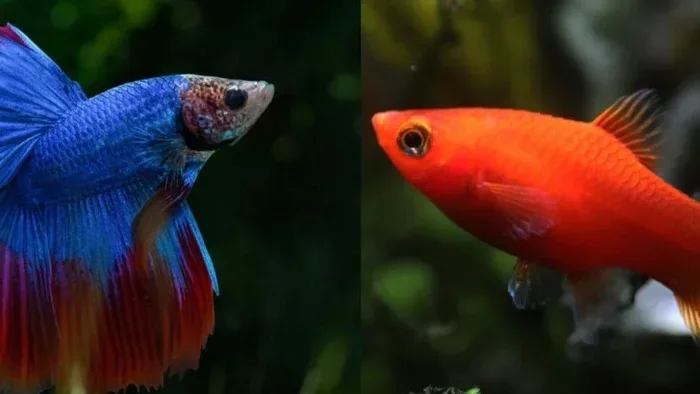
Is 80 Degree Water Ok for Betta Fish
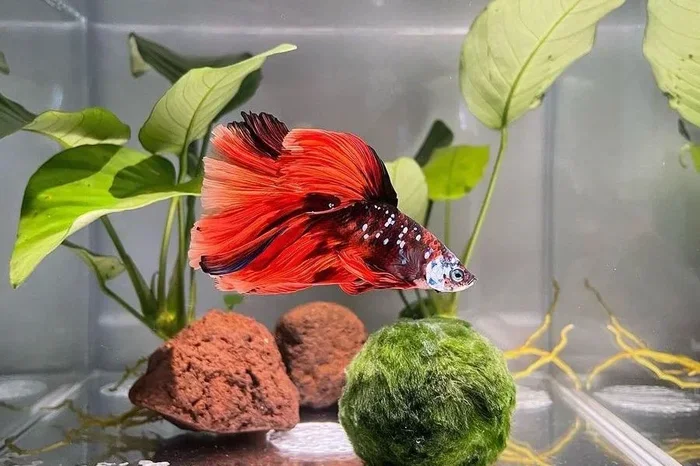
80 degree water is on the warm side for betta fish and can be acceptable only if it stays within a narrow safe range. The ideal betta fish temperature sits between 76 and 82 degrees Fahrenheit, so 80 degrees falls right in the middle of that zone. However, consistently hot water can stress your fish and shorten its lifespan. Monitoring with a reliable thermometer is the best way to keep your betta comfortable and healthy.
Keeping a betta fish healthy starts with one simple thing: getting the water temperature right. If you have ever wondered whether 80 degree water is ok for betta fish, you are not alone. This is one of the most common questions new betta owners ask, and for good reason. The wrong temperature can cause real harm to your fish. On the other hand, the right temperature helps your betta thrive, show off vibrant colors, and live a long, happy life.
In this guide, we will break down everything you need to know about betta fish temperature. We will cover what the ideal range is, what happens when water gets too warm, and how you can keep your tank at the perfect level. By the end, you will feel confident about setting up a safe and comfortable home for your betta.
Key Takeaways
- 80 degrees is within the safe range: Betta fish can live in 80 degree water, but it should not stay there constantly without monitoring.
- The ideal range is 76 to 82 degrees: This is the sweet spot for betta health, energy, and color.
- Hot water holds less oxygen: Warmer water reduces dissolved oxygen, which can cause breathing problems for your fish.
- A tank heater with a thermostat is essential: It keeps the temperature stable and prevents dangerous swings.
- Watch for warning signs: Rapid gilling, lethargy, and loss of appetite can mean the water is too warm.
- Room temperature matters too: Placing the tank near windows or vents can cause unwanted temperature changes.
📑 Table of Contents
- What Is the Ideal Temperature for Betta Fish?
- Is 80 Degree Water Ok for Betta Fish?
- What Happens When Water Gets Too Hot for Betta Fish?
- Signs Your Betta Fish Water Is Too Warm
- How to Keep Your Betta Tank at the Perfect Temperature
- Common Mistakes Bettas Owners Make with Water Temperature
- Quick Tips for a Healthy Betta Tank
- Final Thoughts on Betta Fish Water Temperature
What Is the Ideal Temperature for Betta Fish?
Betta fish are tropical creatures. They come from warm, slow-moving waters in Southeast Asia. Because of this, they need warm water to stay healthy. But warm does not mean hot. There is a clear ideal temperature range that keeps bettas comfortable and active.
Understanding the Safe Range
The best water temperature for a betta fish tank is between 76 and 82 degrees Fahrenheit. This range supports healthy digestion, strong immunity, and natural behavior. At this temperature, your betta will swim actively, eat well, and display its full color potential.
80 degrees falls right in the middle of this safe zone. So yes, 80 degree water is technically ok for betta fish. But here is the catch: consistency matters just as much as the number on the thermometer. A steady 80 degrees is very different from a temperature that swings up and down throughout the day.
Many experienced fish keepers aim for around 78 to 80 degrees. This keeps the water comfortably warm without pushing the limits. If you want to know more about the specific water temperature for a betta fish, there are many factors to consider beyond just the number.
Why Temperature Matters So Much
Temperature affects nearly every function in a betta fish’s body. Here is how it breaks down:
- Metabolism: Warmer water speeds up metabolism. This means your betta digests food faster and burns energy quicker.
- Immune system: A stable, warm temperature helps your betta fight off diseases and infections.
- Oxygen levels: Warmer water holds less dissolved oxygen. This becomes a real concern if the temperature climbs too high.
- Stress levels: Sudden temperature changes cause stress, which weakens the immune system and leads to illness.
- Lifespan: Bettas kept in the right temperature range can live 3 to 5 years, sometimes even longer.
Getting the temperature right is not just about comfort. It is about keeping your fish alive and well for the long term.
Is 80 Degree Water Ok for Betta Fish?
The short answer is yes. 80 degree water is within the safe range for betta fish. But the full answer is a bit more nuanced. Let us look at what happens when the water sits at exactly 80 degrees and when it goes above or below that mark.
What Happens at Exactly 80 Degrees?
At 80 degrees, your betta fish should be perfectly comfortable. Most bettas will show normal behavior at this temperature. They will swim around, explore their tank, and eat their food without issues. This is a great temperature to aim for if you want a happy, active fish.
However, you need to make sure the temperature does not climb above 82 degrees. Once you cross that threshold, things start to get risky. Hot water holds less oxygen, which means your betta has to work harder to breathe. Over time, this can lead to serious health problems.
Can Betta Fish Live in 80 Degree Water Long Term?
Yes, betta fish can live in 80 degree water long term as long as the temperature stays stable. The key word here is stable. A consistent 80 degrees is much safer than a tank that bounces between 76 and 84 degrees throughout the day.
If you are unsure about the long-term effects of warm water on your betta, you can read more about whether betta fish can live in 80 degree water specifically to get a deeper understanding of the risks and benefits.
The bottom line is that 80 degrees is a solid, safe temperature for most bettas. Just keep an eye on it and make sure it does not creep higher.
What Happens When Water Gets Too Hot for Betta Fish?
Water that is too hot is just as dangerous as water that is too cold. Many new betta owners focus only on keeping the water warm enough. They forget that too much warmth can be just as harmful.
The Oxygen Problem
Warm water cannot hold as much dissolved oxygen as cool water. When the temperature rises above 82 degrees, the oxygen level in the tank drops. Bettas are labyrinth fish, which means they can breathe air from the surface. But they still rely on dissolved oxygen in the water for their gills and overall health.
If the water gets too hot, your betta may start gasping at the surface more often. This is a clear sign that something is wrong. You can learn more about how heat affects your fish in our article on whether water can be too hot for betta fish.
Stress and Disease
High water temperature causes stress. Stressed fish are more likely to get sick. Common problems linked to overheated water include:
- Fin rot: The edges of the fins start to look ragged or discolored.
- Fungal infections: White, cotton-like patches appear on the body or fins.
- Loss of appetite: Your betta stops eating or eats much less than usual.
- Lethargy: The fish becomes very still and spends most of its time resting at the bottom.
- Shortened lifespan: Over time, constant heat exposure can reduce your betta’s overall life expectancy.
Signs Your Betta Fish Water Is Too Warm
Catching the signs of overheated water early can save your betta’s life. Here are the most common warning signals to watch for:
Behavioral Changes
Your betta’s behavior tells you a lot about how it is feeling. If the water is too warm, you might notice these changes:
- Gasping at the surface: The fish rapidly opens and closes its mouth at the top of the tank.
- Restlessness: The betta swims erratically or seems unable to settle down.
- Hiding more than usual: A normally curious betta suddenly becomes withdrawn.
- Loss of interest in food: The fish ignores pellets or flakes it would normally eat eagerly.
Physical Symptoms
Physical signs can be harder to spot at first, but they are important clues:
- Faded colors: The vibrant blues, reds, and greens start to look dull.
- Clamped fins: The fins stay close to the body instead of flowing freely.
- Rapid gilling: The gills move faster than normal, even when the fish is resting.
If you notice any of these signs, test the water temperature right away. A simple tank thermometer can tell you exactly what is going on.
How to Keep Your Betta Tank at the Perfect Temperature
Maintaining a steady temperature is easier than most people think. With the right tools and a few simple habits, you can keep your betta’s water in the ideal range all year round.
Use a Quality Tank Heater
A good aquarium heater is the single most important tool for temperature control. Look for a heater with a built-in thermostat. This allows you to set a target temperature, and the heater will turn on and off automatically to maintain it.
For a small betta tank (5 to 10 gallons), a 25-watt heater usually works well. For larger tanks, you may need a stronger model. Place the heater near the filter output so the warm water circulates evenly throughout the tank.
Monitor with a Thermometer
Even with a heater, you should check the temperature every day. An analog or digital aquarium thermometer lets you see the current temperature at a glance. Place it on the opposite side of the tank from the heater for the most accurate reading.
Avoid Common Mistakes
Here are some quick tips to avoid temperature problems:
- Do not place the tank near a window: Direct sunlight can cause the water to heat up unevenly.
- Keep the tank away from vents and drafts: Air conditioning or heating vents can create sudden temperature swings.
- Do not overheat the room: If your room is already very warm, your tank water will be too.
- Do water changes with matching temperature water: Adding cold or hot water during a water change can shock your betta.
Common Mistakes Bettas Owners Make with Water Temperature
Even experienced fish keepers sometimes make mistakes when it comes to temperature. Here are the most common ones to avoid:
Relying on Room Temperature Alone
Some people think that keeping their betta in a room that feels warm is enough. But room temperature often fluctuates with the seasons. In winter, room temperature can drop below 74 degrees, which is too cold for a betta. In summer, it can climb above 82 degrees, which is too warm.
A heater with a thermostat solves this problem. It keeps the water at a steady temperature no matter what the room is doing.
Using the Wrong Size Heater
A heater that is too small will struggle to warm the water properly. A heater that is too large can spike the temperature too high. Always match the heater wattage to the size of your tank. Most manufacturers list the recommended tank size on the packaging.
Ignoring Temperature Swings
Many owners focus only on the average temperature and ignore how much the temperature fluctuates. A tank that swings between 76 and 82 degrees every day puts constant stress on the fish. Try to keep the variation within 1 to 2 degrees at most.
Quick Tips for a Healthy Betta Tank
Here are some fast, practical tips to keep in mind:
- Check the thermometer every morning. It only takes a few seconds.
- Use a heater with a thermostat. Manual heaters are unreliable and risky.
- Keep the tank away from direct sunlight. This prevents unwanted heating.
- Match water change temperature to tank temperature. Use a thermometer on the new water too.
- Watch your betta’s behavior daily. Changes in activity level are often the first sign of a temperature problem.
- Keep a log of temperatures. Writing down daily readings helps you spot trends early.
Final Thoughts on Betta Fish Water Temperature
80 degree water is ok for betta fish, and it sits comfortably within the ideal temperature range of 76 to 82 degrees Fahrenheit. The key to success is consistency. Keep the temperature stable, monitor it daily, and watch your fish for any signs of discomfort.
A healthy betta fish in properly heated water will reward you with years of beauty and companionship. The small effort you put into managing the temperature pays off in a big way. Your betta will be more active, more colorful, and far less likely to get sick.
Remember that every tank is a little different. Factors like tank size, room temperature, and filtration all play a role in maintaining the right conditions. But as long as you stay attentive and keep the water in the safe zone, your betta will thrive.
Take the time to set up your equipment properly, check your temperatures regularly, and enjoy the process of giving your betta the best home possible. A well-maintained tank is a happy tank, and a happy tank means a happy fish.
Frequently Asked Questions
Can betta fish survive in water above 82 degrees?
Betta fish can survive brief exposure to water above 82 degrees, but prolonged time in hot water is dangerous. Higher temperatures reduce oxygen levels and cause stress. Keep the water at or below 82 degrees for the safest environment.
What is the lowest safe temperature for a betta fish?
The lowest safe temperature for a betta fish is around 76 degrees Fahrenheit. Below that, the fish becomes sluggish and its immune system weakens. Cold water can be just as harmful as hot water for your betta.
Do I need a heater for my betta fish tank?
Yes, most betta fish tanks need a heater. Room temperature water is often too cool for bettas, especially in colder months. A heater with a thermostat helps maintain a steady, safe temperature year round.
How often should I check my betta tank temperature?
You should check the temperature at least once a day. A quick glance at the thermometer takes only a few seconds. Consistent monitoring helps you catch problems before they affect your fish.
Can a temperature change kill a betta fish?
Yes, sudden temperature changes can kill a betta fish. Temperature shock weakens the immune system and causes severe stress. Always make sure new water matches the tank temperature during water changes.
Is 80 degrees too hot for a betta fish at night?
No, 80 degrees is not too hot for a betta fish at night. In fact, a slight nighttime drop is natural and healthy. As long as the temperature stays within the 76 to 82 degree range, your betta will be fine around the clock.