What Age Can You Breed Betta Fish
Most betta fish can start breeding between 4 and 6 months of age, but experts recommend waiting until they are at least 6 months old for healthier results. Both male and female bettas need to reach full physical and emotional maturity before spawning. Understanding the right breeding age helps you avoid health problems and increases the chances of successful fry production.
If you have been keeping betta fish for a while, you might wonder what age can you breed betta fish. It is a great question, and the answer is not as simple as just picking a number. Several factors play a role, including gender, health, and overall care. Breeding betta fish at the right age makes a huge difference in the health of both the parents and the babies.
Many new fish keepers jump into breeding too early. They think their young betta is ready, but it is not. This can lead to problems like weak fry, health issues in the parents, and even death. That is why knowing the right betta fish breeding age matters so much. In this guide, we will walk you through everything you need to know. From understanding when bettas mature to setting up the perfect breeding tank, we have you covered.
By the end of this article, you will feel confident about when to start breeding your bettas. You will also learn the warning signs to watch for and the steps to take before you introduce a male and female pair. Let us dive in and make sure you are fully prepared for this exciting journey.
Key Takeaways
- Minimum Breeding Age: Betta fish should be at least 4 to 6 months old before breeding.
- Ideal Age Range: Waiting until 6 to 8 months gives you stronger, more fertile fish.
- Gender Differences: Males and females mature at slightly different rates and show different breeding signs.
- Health Matters: A healthy betta fish at the right age will produce better fry and fewer complications.
- Tank Setup Is Key: Proper breeding tank conditions are just as important as age when you want success.
- Avoid Early Breeding: Breeding too young can cause health issues and reduce fry survival rates.
- Know the Signs: Color changes, bubble nests, and nesting behavior signal readiness to breed.
📑 Table of Contents
Understanding Betta Fish Breeding Age
So, what age can you breed betta fish safely? The short answer is that bettas should be at least 4 to 6 months old. However, the ideal breeding age is closer to 6 to 8 months. At this point, both male and female bettas are fully mature and ready to reproduce.
Breeding a betta too early can cause serious problems. Young fish may not have fully developed bodies or strong immune systems. They might also not produce healthy eggs or sperm. This means fewer surviving fry and more stress on the parent fish.
Male Betta Maturity
Male bettas usually mature a bit faster than females. By around 4 months, a male betta might start showing colors and building bubble nests. These are good signs that he is getting close to breeding age. However, experts still recommend waiting until he is at least 6 months old.
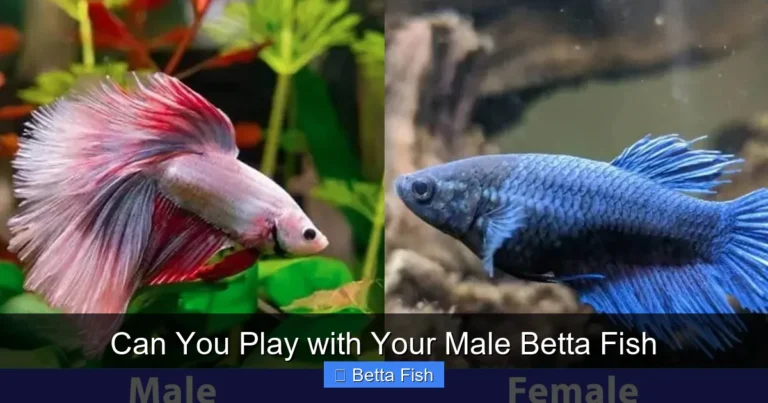
A mature male betta will have bright, vivid colors and long flowing fins. He will also be more aggressive, which is normal during breeding. If you notice him building a bubble nest at the surface of the tank, that is a strong signal he is ready. You can also check if he is responding well to a mirror, as this shows he feels territorial and strong.
Female Betta Maturity
Female bettas typically take a little longer to mature. They usually reach full breeding readiness around 5 to 6 months. A healthy female should have a visible white egg spot on her underside. She should also be plump and rounded, which means she is carrying eggs.
It is important not to breed a female that is too young or too small. A female that has not fully developed may struggle during the spawning process. She might also not produce enough eggs, or the eggs might not be fertile. Always make sure your female betta is in top condition before you introduce her to a male.
Why Age Matters for Breeding Success
Age directly affects fertility and the health of the offspring. Older, well-cared-for bettas at the right age will produce stronger fry with better survival rates. Younger bettas that are bred too early may have complications. These can include egg binding, weak immune systems in the fry, and even death of the parent fish.
Think of it this way. You would not want a teenager having a baby. The body is not fully ready, and the risks are higher. The same logic applies to betta fish breeding age. Giving your fish time to grow and develop leads to better outcomes for everyone involved.
Signs That Your Betta Fish Is Ready to Breed
Knowing the age is only part of the equation. You also need to watch for physical and behavioral signs that your betta is ready. Not all fish mature at the exact same rate, so looking for these signals is essential.
Physical Signs of Readiness
Both male and female bettas show clear physical signs when they are ready to breed. For males, look for these indicators:
- Bright, intense colors especially on the body and fins
- Bubble nest building at the water surface
- Longer, more flowing fins compared to younger fish
- A visible beard or opercular membrane behind the gills
For females, the signs include:
- A white dot (ovipositor) on the underside near the belly
- A rounded, plump belly full of eggs
- Striped or vertical barring on the body
- A lighter color pattern compared to her usual appearance
Behavioral Signs of Readiness
Behavior changes are just as important as physical signs. A male betta ready to breed will be more active and territorial. He will flare at other fish and spend time near the surface. A female who is ready will show interest in the male and may display horizontal stripes when she feels safe.
When you place a male and female together in a breeding tank, watch how they interact. If the male chases the female gently and they circle each other, that is a good sign. If either fish shows extreme aggression or hides constantly, they might not be ready yet. Give them time and try again later.
How to Confirm Breeding Readiness
The best way to confirm your bettas are ready is through a trial introduction. Place the male and female in a separate breeding tank with a divider between them. Let them see each other for a few days. If both fish show interest and the male starts building or improving his bubble nest, you are likely good to go.
Always make sure both fish are healthy and well-fed before introducing them. A betta fish pair that is in great shape will have a much higher success rate. You can also feed them live or frozen foods like brine shrimp to boost their condition before breeding.
How to Prepare for Breeding Betta Fish
Once you know what age can you breed betta fish and your fish are showing signs of readiness, it is time to prepare. Proper preparation makes a huge difference in the success of your breeding attempt.
Setting Up the Breeding Tank
You need a separate tank for breeding. A 10-gallon tank works well for most setups. Fill it with about 5 to 6 inches of warm water, around 80 to 82 degrees Fahrenheit. The water should be clean and free of chlorine. You can use tap water conditioner to remove harmful chemicals.
Add a few floating plants or a spawning mop. These give the male a place to build his bubble nest and give the fry places to hide after they hatch. Keep the tank quiet and dimly lit. Stress is the enemy of breeding bettas, so reduce any unnecessary noise or movement near the tank.
Before you add your fish, make sure the tank is fully cycled. A stable nitrogen cycle prevents ammonia spikes that can harm both the parents and the eggs. You can also check your water parameters using a test kit. The pH should be between 6.5 and 7.0, and the water hardness should be soft to moderate.
Feeding Before and During Breeding
Nutrition plays a big role in breeding success. Feed both the male and female high-quality food for at least two weeks before breeding. Live or frozen brine shrimp, daphnia, and bloodworms are excellent choices. These foods are rich in protein and help condition the fish for spawning.
You can also supplement their diet with betta fish food from home like boiled peas or blanched spinach in small amounts. A well-fed betta will produce more eggs and be healthier overall. Avoid overfeeding, though. Uneaten food can foul the water quickly in a small breeding tank.
Introducing the Male and Female
Once the breeding tank is ready, introduce the female first. Let her acclimate to the tank for a few hours while the male is still in a separate container nearby. This lets both fish get used to each other’s scent and presence.
After a few hours, remove the divider or release the female into the breeding tank. Watch them closely for the first few hours. Some chasing and flaring is normal. But if the female looks like she is being attacked too aggressively, remove her and try again another day.
You can also learn more about what other fish can you put with betta fish to understand compatibility better before introducing tank mates during the breeding process.
The Breeding Process and What to Expect
The actual breeding process is fascinating to watch. Understanding what happens step by step helps you stay calm and make the right decisions during the process.
Step-by-Step Breeding Process
Here is what typically happens when a male and female betta breed:
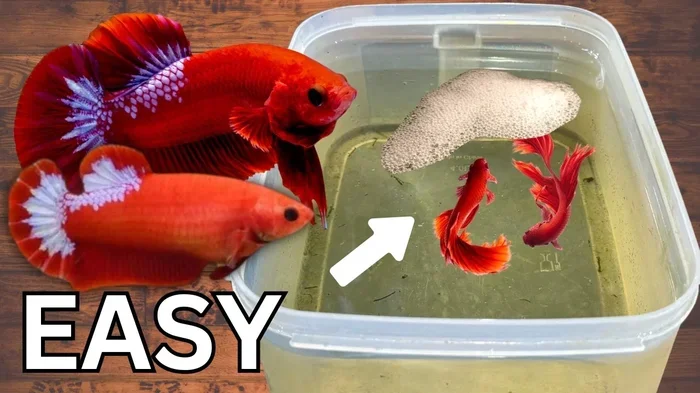
- Bubble Nest Construction: The male builds a bubble nest at the water surface. This is where the eggs will be collected and stored.
- Embrace and Spawning: The male wraps his body around the female in a behavior called the “embrace.” During this, the female releases eggs and the male fertilizes them.
- Egg Collection: The male gathers the fertilized eggs in his mouth and places them in the bubble nest. This process repeats several times until all eggs are released.
- Removal of the Female: Once spawning is complete, the male becomes very protective. He may attack the female, so remove her from the tank immediately.
The entire process can take anywhere from a few hours to a full day. Be patient and do not disturb the tank too much. The male needs to focus on building and maintaining the nest and caring for the eggs.
How Long Does the Process Take?
From the first embrace to the completion of egg collection, the breeding process usually takes 2 to 5 hours. After that, the male will spend the next 24 to 48 hours guarding the nest and making repairs. He will also retrieve any eggs that fall out of the nest and place them back.
If you notice the male is not building a bubble nest, the conditions might not be right. Check the water temperature and make sure the tank is calm. Sometimes adding a small amount of floating debris or a Styrofoam cup can encourage nest building.
Caring for Betta Fish Eggs and Fry
Once the eggs are safely in the bubble nest, your job is to protect the male so he can do his work. Here is what you need to know about caring for betta eggs and the fry that follow.
Egg Care and Hatching
Betta eggs typically hatch within 24 to 72 hours. The male will carefully maintain the nest, adding new bubbles and repairing any that pop. Do not disturb the tank during this time. Any sudden movement can cause the male to abandon or eat the eggs.
After hatching, the fry will fall from the nest and stay near the bottom of the tank. They are very small and do not swim well at first. The male will continue to watch over them and pick up any fry that drift away and return them to the nest.
Feeding Newborn Betta Fry
Newly hatched fry need very small food. Infusoria or commercial fry food works well for the first few days. As they grow, you can gradually introduce baby brine shrimp and microworms. Proper nutrition during the early stages is critical for healthy growth.
You can also learn more about what can you feed betta fish from home to find suitable food options that work for both adult and fry stages.
When to Separate the Fry
After about 2 to 3 weeks, the fry will start swimming more actively. At this point, you can remove the male from the tank. He may start eating the fry if he is kept in the same tank for too long. Transfer the fry to a separate grow-out tank with gentle filtration and warm water.
Keep the water clean and perform small water changes regularly. Fry are very sensitive to water quality, and poor conditions can lead to disease or death. As the fry grow, you can start feeding them larger foods like crushed flakes and daphnia.
Common Mistakes When Breeding Betta Fish
Breeding betta fish is rewarding, but it is also easy to make mistakes. Here are some common errors to avoid.
Breeding Too Early
The biggest mistake is breeding fish that are too young. If you try to breed a betta before it is 4 months old, the results are usually poor. The fish may not be fertile, and the fry may be weak or unhealthy. Always wait until both the male and female are at least 6 months old for the best results.
Poor Tank Conditions
Another common error is breeding in an uncycled or dirty tank. Ammonia and nitrite spikes can kill eggs, fry, and even adult fish. Always cycle your breeding tank before you introduce any fish. Test the water regularly and keep parameters stable.
Skipping the Conditioning Phase
Many beginners skip the conditioning phase and go straight to introducing the pair. This is a mistake. Conditioning both fish with high-quality food for at least two weeks before breeding greatly improves the chances of success. Well-conditioned fish produce more eggs and healthier fry.
Not Having a Backup Plan
Sometimes breeding does not go as planned. The pair might not get along, or the male might not build a nest. Always have a backup plan, which means keeping the female in a separate safe tank and being ready to try again another time.
If you are new to this, you might want to review can you breed betta fish basics before diving into breeding. Understanding the fundamentals gives you a stronger foundation for success.
Expert Insights on Betta Fish Breeding Age
Experienced breeders agree that patience is the most important factor in successful betta breeding. Rushing the process almost always leads to problems. Take your time, observe your fish closely, and only breed when both the male and female are fully mature and in excellent health.
Another expert tip is to keep a breeding journal. Record the dates, water parameters, and behaviors you observe. Over time, this information helps you understand your fish better and improves your success rate with each breeding attempt. The more you learn about your specific bettas, the easier it becomes to know exactly what age can you breed betta fish for your particular fish.
Remember that every betta is different. Some fish mature faster than others, and some are simply not interested in breeding no matter how old they are. If your fish are not ready, that is okay. Wait and try again when the time is right. The goal is healthy fish and healthy fry, not just getting results quickly.
Also, consider the betta fish lifespan when planning your breeding schedule. Bettas typically live 3 to 5 years with proper care. This means you have a good window of time to breed them, so there is no rush. Let your fish grow and develop naturally, and you will be rewarded with better outcomes.
Conclusion
Knowing what age can you breed betta fish is the foundation of successful breeding. Wait until your bettas are at least 4 to 6 months old, with 6 to 8 months being the ideal range. Watch for physical and behavioral signs of readiness, set up a proper breeding tank, and condition your fish well before introducing them.
Avoid common mistakes like breeding too early or skipping tank preparation. Be patient, stay observant, and enjoy the process. Breeding betta fish is a rewarding experience that teaches you a lot about fish care and biology. With the right knowledge and preparation, you can successfully raise healthy betta fry and grow your confidence as a fish keeper.
Take what you have learned from this guide, apply it carefully, and remember that every breeding attempt is a learning opportunity. Whether you are a beginner or have some experience, the key is to always put the health and well-being of your fish first. Happy breeding.
Frequently Asked Questions
What is the youngest age a betta fish can breed?
The youngest age a betta fish can breed is around 4 months old. However, most experts recommend waiting until the fish is at least 6 months old. Breeding too young can lead to health problems and weak fry.
Can you breed a betta fish that is less than 4 months old?
You should not breed a betta fish that is less than 4 months old. The fish is not physically mature enough to breed safely. Waiting longer ensures healthier parents and stronger offspring.
How do I know if my female betta is ready to breed?
A female betta is ready to breed when she has a white egg spot on her underside, a rounded belly, and vertical stripes on her body. She should also be at least 5 to 6 months old and in good health.
Does the breeding tank need special equipment?
Yes, a breeding tank should have a heater to maintain warm water temperatures around 80 to 82 degrees Fahrenheit. It also needs floating plants or a spawning mop, a gentle filter, and clean, conditioned water.
How many eggs can a betta fish lay in one spawning?
A female betta can lay anywhere from 30 to 500 eggs in one spawning, depending on her size and health. Well-conditioned, mature females tend to produce more eggs than younger or unhealthy ones.
What should I do if the male betta eats the eggs?
If the male eats the eggs, do not panic. This can happen if the fish is inexperienced or stressed. Remove the male from the tank, improve water conditions, and try again with a better-conditioned pair after a few weeks of rest.