How to Treat Fungus on a Betta Fish
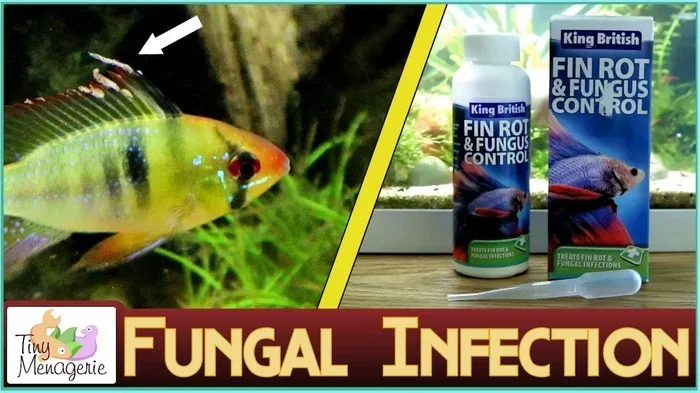
Fungal infections are a common but treatable problem for betta fish. You can cure fungus on a betta fish using salt baths, improved water quality, and proper tank maintenance. This guide walks you through every step of identifying, treating, and preventing fungal infections so your betta stays healthy.
Dealing with a fungal infection on your betta fish can feel scary at first. You might notice strange white patches or fuzzy growths on your fish’s body, and suddenly you are worried about its health. The good news is that how to treat fungus on a betta fish is straightforward once you know what to look for. Most fungal infections respond well to simple treatments you can do right at home. In this guide, we will cover everything you need to know about identifying, treating, and preventing fungus on your betta fish.
Whether your betta has a mild case or a more serious infection, the steps in this article will help you take action quickly. We will talk about the common causes of fungal infections, the best treatment methods, and how to keep your fish healthy going forward. By the end, you will feel confident in your ability to handle this common fish health problem. Let us dive in and help your betta feel better.
Key Takeaways
- Early detection is key: Catching white fuzz or cotton-like growth early makes treatment much easier and faster.
- Salt baths work well: Aquarium salt is one of the most effective and affordable treatments for mild to moderate fungal infections.
- Water quality matters: Poor water conditions are the leading cause of fungal infections in betta fish.
- Stress weakens immunity: A stressed betta fish is far more vulnerable to fungal outbreaks.
- Prevention is simple: Regular tank cleaning and proper feeding go a long way in keeping fungus away.
- Know when to see a vet: Severe or persistent infections may need professional medication or intervention.
📑 Table of Contents
- What Does Fungus Look Like on a Betta Fish?
- What Causes Fungal Infections in Betta Fish?
- How to Treat Fungus on a Betta Fish
- Home Remedies for Betta Fish Fungus
- Preventing Fungal Infections in Your Betta Fish
- When to See a Vet for Your Betta Fish Fungus
- Common Mistakes to Avoid When Treating Betta Fish Fungus
- Final Thoughts on Treating Fungus on Your Betta Fish
What Does Fungus Look Like on a Betta Fish?
Spotting a fungal infection early is the first step toward a full recovery. Fungal infections on betta fish usually show up as white or grayish patches that look fuzzy or cotton-like. These growths often appear on the fins, body, or mouth area of the fish. Unlike bacterial infections, fungal growth tends to look fluffy and irregular in shape.
Here are the most common signs of a fungal infection on a betta fish:
- White or gray fuzzy patches on the skin, fins, or mouth
- Cotton-like growths that slowly spread over time
- Clamped fins held close to the body
- Loss of appetite or refusing to eat
- Lethargy and spending more time at the bottom of the tank
- Color fading or dull appearance on the body
It is important not to confuse fungal infections with other common betta fish problems. For example, ich looks like tiny white dots, while fin rot causes the fins to look ragged and disintegrating. If you are unsure what your betta has, it is always a good idea to compare symptoms carefully. You can also check our guide on how to cure fungus on betta fish for more detailed visual references.
What Causes Fungal Infections in Betta Fish?
Fungal infections do not just appear out of nowhere. There is almost always an underlying reason why a betta fish develops a fungal problem. Understanding the root cause helps you treat the infection and prevent it from coming back.
Poor Water Quality
The number one cause of fungal infections in betta fish is dirty or poorly maintained water. When ammonia and nitrite levels rise in the tank, it stresses the fish and weakens its immune system. Stale water with high levels of waste creates the perfect environment for fungal spores to grow and thrive.
Stress and Weak Immunity
A stressed betta fish is much more likely to get sick. Stress can come from many sources, including aggressive tank mates, sudden temperature changes, or being kept in too small of a container. When a fish is stressed, its body struggles to fight off infections, including fungal ones. Learning how to treat a stressed betta fish is an important part of keeping your fish healthy and infection-free.
Injuries and Open Wounds
Fungi are opportunistic organisms. They look for weak spots to invade, and open wounds or damaged fins are an easy target. If your betta has recently been injured or has fin damage from sharp decorations or aggressive fish, the risk of a fungal infection goes up significantly.
Poor Diet and Nutrition
A betta fish that is not getting proper nutrition will have a weaker immune system over time. Feeding low-quality food or not feeding enough can leave your fish vulnerable to infections. A healthy diet supports a healthy immune system, which is your fish’s first line of defense against fungus.
How to Treat Fungus on a Betta Fish
Now that you know what causes fungal infections, let us talk about the actual treatment. The good news is that most cases of betta fish fungus treatment can be done at home with simple, affordable methods. The key is to act quickly and follow the steps consistently.
Step 1: Isolate the Infected Fish
If you have a community tank, the first thing you should do is move the infected betta to a separate quarantine tank. Fungal infections can spread to other fish, especially those that are already stressed or sick. A quarantine tank also makes it easier to monitor the fish and administer treatment without affecting the main tank’s ecosystem.
Step 2: Give Your Betta a Salt Bath
One of the most effective and well-known treatments for fungal infections is a salt bath. Aquarium salt helps draw out moisture from the fungal cells, which slows their growth and helps the fish heal. Adding salt to the quarantine tank can also create a less favorable environment for the fungus to spread.
Here is how to do it safely:
- Prepare a separate container with clean, dechlorinated water at the same temperature as the main tank.
- Add one teaspoon of aquarium salt per gallon of water.
- Place your betta in the salt bath for 10 to 15 minutes.
- Watch your fish closely during the bath for any signs of distress.
- Repeat this process once a day for 5 to 7 days.
If you want a more detailed walkthrough of salt baths, check out our article on how to give a betta fish a salt bath for step-by-step instructions and helpful tips.
Step 3: Improve Water Quality Immediately
Clean water is one of the most powerful tools in fighting fungal infections. Start by doing a 25 to 50 percent water change in the main tank and the quarantine tank. Use a gravel vacuum to remove debris and waste from the substrate. Make sure the new water is properly dechlorinated and matches the temperature of the existing water.
Testing the water parameters is also important. You want ammonia and nitrite levels to be at zero, and nitrate levels should be below 20 ppm. Poor water quality for betta fish is the breeding ground for fungal spores and bacteria alike.
Step 4: Use Antifungal Medication if Needed
For more serious fungal infections, a salt bath alone may not be enough. Over-the-counter antifungal medications designed for aquarium use can be very effective. Look for products that contain methylene blue or malachite green, as these are widely used to treat fungal infections in fish. Always follow the dosage instructions carefully and remove any carbon filters before adding medication, as carbon can absorb the medicine and make it less effective.
Step 5: Support Your Betta’s Recovery
While your betta is healing, give it the best possible care. Feed high-quality food in small amounts twice a day. Keep the water temperature stable between 78 and 80 degrees Fahrenheit. Reduce bright lights and noise around the tank to minimize stress. A calm, clean environment gives your betta the best chance to recover quickly.
Home Remedies for Betta Fish Fungus
Many fish owners prefer to start with natural remedies before turning to commercial medications. These home treatments can be very effective for mild cases of fungal infection and are easy to do at home.
Tea Tree Oil Treatment
A few drops of pure tea tree oil added to the quarantine tank can help fight mild fungal infections. Tea tree oil has natural antifungal properties that work well in aquarium settings. Use only a small amount, about 1 to 2 drops per gallon, and monitor your fish closely after adding it.
Indian Almond Leaves
Indian almond leaves, also known as catappa leaves, are a popular natural remedy among betta fish keepers. These leaves release tannins into the water that have mild antifungal and antibacterial properties. Soak a few leaves in tank water and add them to the quarantine tank. Many fish owners also notice that the slightly acidic water created by the leaves helps boost the fish’s overall health.
Garlic Boost for Immune Support
Garlic is a natural immune booster for fish. You can crush a small clove of garlic and soak your betta’s food in it for a few minutes before feeding. This can help strengthen your fish’s immune system and speed up the healing process during a fungal infection.
Preventing Fungal Infections in Your Betta Fish
Prevention is always better than cure, and the good news is that keeping your betta free from fungal infections is not complicated. A few simple habits can make a huge difference in your fish’s long-term health.
- Do regular water changes: Replace 20 to 30 percent of the water every week to keep it clean and fresh.
- Clean the tank regularly: Remove uneaten food, debris, and waste from the substrate before it builds up.
- Maintain stable water temperature: Use a heater to keep the temperature steady between 78 and 80 degrees Fahrenheit.
- Feed a balanced diet: High-quality pellets, frozen bloodworms, and brine shrimp all support a strong immune system.
- Avoid overcrowding: Give your betta plenty of space and avoid housing it with aggressive tank mates.
- Quarantine new fish: Always isolate new additions to your tank for at least two weeks before introducing them to your betta.
- Monitor water parameters: Test the water weekly for ammonia, nitrite, and nitrate levels to catch problems early.
Following these simple steps will greatly reduce the risk of fungal infections and keep your betta fish thriving for years to come. For more comprehensive care tips, you can read our guide on how to care for a betta fish 101 to build a strong foundation for your fish’s health.
When to See a Vet for Your Betta Fish Fungus
Most fungal infections respond well to home treatment within one to two weeks. However, there are times when professional help is necessary. If the infection does not improve after 7 to 10 days of consistent treatment, it may be time to consult a veterinarian who specializes in fish health.
You should also seek veterinary care if you notice any of the following:
- The fungal growth is spreading rapidly despite treatment
- Your betta is not eating at all for more than two days
- The fish is showing signs of severe lethargy or difficulty swimming
- There are open sores or visible tissue damage on the body
- The infection seems to have spread to internal organs
Early intervention from a professional can make all the difference in severe cases. Do not wait too long to seek help if your betta’s condition is getting worse instead of better.
Common Mistakes to Avoid When Treating Betta Fish Fungus
Even well-meaning fish owners can make mistakes that slow down the healing process or make the infection worse. Here are some common errors to watch out for:
- Using too much salt: More salt does not mean faster healing. Excess salt can harm your betta’s kidneys and gills. Stick to the recommended dosage of one teaspoon per gallon.
- Ignoring water changes: Treating the fish without improving the water quality is like putting a bandage on a dirty wound. Always clean the water alongside the treatment.
- Skipping quarantine: Treating the infected fish in the main tank can expose other fish to the fungus and make the problem worse for everyone.
- Giving up too soon: Fungal infections take time to clear up. Stick with your treatment plan for at least a full week before trying a different approach.
- Using human medications: Never use medications meant for humans on your fish. The dosages and ingredients are not designed for aquarium use and can be toxic.
Final Thoughts on Treating Fungus on Your Betta Fish
Dealing with a fungal infection can be stressful, but it is also very manageable with the right approach. The most important steps are to act quickly, improve water quality, and use proven treatments like salt baths and antifungal medication. Your betta fish has a strong ability to heal when given the right support and environment.
Remember that prevention plays a huge role in keeping your fish healthy. Simple habits like regular water changes, proper feeding, and stress reduction go a long way in preventing fungal infections from ever taking hold. By staying proactive and attentive to your betta’s needs, you can enjoy a happy, healthy fish for many years to come.
Take what you have learned from this guide and put it into action today. Your betta fish will thank you for the extra care and attention. With patience and consistency, you will see those fuzzy white patches disappear and your betta will be back to its vibrant, energetic self in no time.
Frequently Asked Questions
How long does it take for fungus on a betta fish to go away?
With proper treatment, most mild to moderate fungal infections clear up within 7 to 14 days. Salt baths and improved water quality are the fastest ways to see results. More severe cases may take longer and require antifungal medication.
Can fungus on a betta fish spread to other fish?
Yes, fungal infections can spread to other fish, especially those that are already stressed or sick. This is why isolating the infected betta in a quarantine tank is so important as soon as you notice the symptoms.
Is aquarium salt safe for betta fish?
Yes, aquarium salt is safe for betta fish when used at the correct dosage. One teaspoon per gallon is the standard recommendation. Always use pure aquarium salt and avoid table salt, which contains additives that can harm fish.
What is the white fuzzy stuff on my betta fish?
White fuzzy growths on a betta fish are usually a sign of a fungal infection. Fungus often looks like cotton wool or fluffy patches on the skin, fins, or mouth. It is important to treat it quickly before it spreads.
Can I use methylene blue to treat betta fish fungus?
Yes, methylene blue is a widely used antifungal treatment for fish. It works by inhibiting the growth of fungal spores. Follow the product instructions carefully and remove carbon from your filter before adding it to the tank.
How can I prevent fungus from coming back on my betta fish?
Keep the water clean with regular changes, maintain stable temperatures, feed a balanced diet, and reduce stress in your betta’s environment. A strong immune system is your fish’s best defense against recurring fungal infections.
=== CONCLUSION ===
Treating fungus on a betta fish does not have to be complicated. With the right knowledge and a little patience, you can effectively clear up fungal infections and help your fish recover fully. Start with salt baths, improve your water quality, and provide a stress-free environment for the best results. Prevention through regular tank maintenance and proper care is the ultimate key to keeping your betta healthy and fungus-free. Use the tips in this guide to take control of your betta’s health and give it the happy, comfortable life it deserves.