Is It Safe to Use a Non Betta Fish Conditioner
Using a non betta fish conditioner can be risky. Not all water treatments are safe for bettas, and the wrong product can harm your fish. In this guide, you’ll learn what makes a conditioner safe, what ingredients to avoid, and how to pick the right one for your betta fish tank.
Key Takeaways
- Not all conditioners are equal: A non betta fish conditioner may contain ingredients that are harmful to bettas, even if they’re safe for other species.
- Check the ingredients: Always read the label before adding any water treatment to your betta tank. Some chemicals can irritate fins and damage sensitive organs.
- Tap water is dangerous untreated: Chlorine and chloramine in tap water can kill bettas quickly. You need a proper conditioner every time you do a water change.
- Safer alternatives exist: Products specifically labeled for bettas or general freshwater conditioners are much safer than generic or marine formulas.
- Water quality matters most: Maintaining proper pH, ammonia, and nitrite levels is just as important as choosing the right conditioner for your betta’s health.
- When in doubt, go betta-specific: A conditioner made for betta fish removes harmful chemicals without leaving behind toxic residues.
📑 Table of Contents
- What Is a Non Betta Fish Conditioner?
- Why You Should Not Use Regular Fish Conditioners
- What Happens If You Use the Wrong Conditioner
- Safe Alternatives for Your Betta Fish
- How to Choose the Right Conditioner for Your Betta
- Comparison: Safe vs Unsafe Conditioners
- Quick Tips for Using Conditioner Safely
- Common Mistakes to Avoid
- Expert Insights on Conditioner Use
- Conclusion
What Is a Non Betta Fish Conditioner?
A non betta fish conditioner is any water treatment product that was not specifically designed for betta fish. This includes conditioners made for marine fish, general tropical fish, goldfish, or even all-purpose aquarium treatments. Some hobbyists reach for these products thinking any water conditioner will do the job.
But here is the truth. Betta fish are not the same as other species. They have delicate fins, sensitive skin, and very specific water quality needs. Using a product that was never tested on bettas can lead to serious problems.
Let us break this down so you know exactly what to look for and what to avoid. If you have ever wondered whether you can use a generic or non-betta conditioner, this article has your answers.
Understanding What Conditioners Do
Water conditioners serve one main purpose. They make tap water safe for fish by removing harmful chemicals. Most tap water contains chlorine and chloramine. These are added by water treatment plants to kill bacteria. They do a great job for humans. But they are deadly for fish.
A good conditioner neutralizes these chemicals. It also often removes heavy metals like copper and lead. Some conditioners add a protective layer over the fish’s slime coat. This helps prevent infections and reduces stress.
But not every conditioner does all of this safely. That is where the problem with a non betta fish conditioner comes in.
Why You Should Not Use Regular Fish Conditioners
It might seem logical that any aquarium conditioner would work. After all, they all claim to remove chlorine. But the details matter a lot when it comes to betta fish care.
Different Fish, Different Needs
Bettas are tropical freshwater fish. They come from warm, slow-moving waters in Southeast Asia. Their bodies are built for very specific water parameters. Other fish species live in completely different environments.
Some conditioners are made for saltwater tanks. Others are designed for coldwater fish like goldfish. Using these on a betta can introduce ingredients that the fish cannot handle. For example, some marine conditioners contain salt-based formulas. Betta fish do not tolerate high salinity well. Even small amounts can stress them out.
If you want to learn more about what water is best for your betta, check out our guide on what water to use for a betta fish.
The Problem With Harsh Chemicals
Many generic conditioners use strong chemical formulas. They may work fine for hardy species. But bettas are among the more sensitive freshwater fish. Here are some common ingredients in a non betta fish conditioner that can cause trouble:
- Formaldehyde: Some conditioners use formaldehyde to neutralize chlorine. This chemical can burn betta gills and damage internal organs.
- Heavy metals: Certain products leave behind trace metals that build up in the tank over time.
- Dyes and fragrances: These are added for marketing. They offer no benefit and can irritate your betta.
- High pH buffers: Some products raise the pH quickly. Bettas prefer a stable pH between 6.5 and 7.5. Sudden changes shock their system.
These ingredients might be fine for a tough tropical fish. But your betta deserves better.
What Happens If You Use the Wrong Conditioner
So what really goes wrong? The effects can range from mild stress to death. It depends on the product and how much you used.
Short-Term Effects
The first signs of trouble usually show up within hours. Watch for these warning signs after adding a non betta fish conditioner:
- Clamped fins: Your betta holds its fins close to its body. This is a clear sign of stress or discomfort.
- Rapid gill movement: Your betta is struggling to breathe. The chemicals may have irritated its gills.
- Loss of color: Vibrant colors fade when a betta is stressed or unwell.
- Erratic swimming: Your betta may dart around the tank or hover near the surface.
- Refusing food: A stressed betta often ignores food entirely.
If you notice any of these symptoms, act fast. Do a partial water change immediately. Remove as much of the treated water as you can. Add fresh, properly conditioned water.
Long-Term Damage
Repeated exposure to wrong conditioners causes bigger problems over time. Your betta’s immune system weakens. It becomes more prone to diseases like fin rot, ich, and bacterial infections. The betta fish tank environment also suffers. Harmful residues build up and mess with water parameters.
In severe cases, organ damage can occur. The liver and kidneys are especially vulnerable. These organs filter out toxins. When overwhelmed, they begin to fail.
If your betta is already showing signs of illness, learn how to help a betta fish that is sick before the condition worsens.
Safe Alternatives for Your Betta Fish
Now that you know the risks, let us talk about what you should use instead. The good news is there are plenty of safe options.
Betta-Specific Conditioners
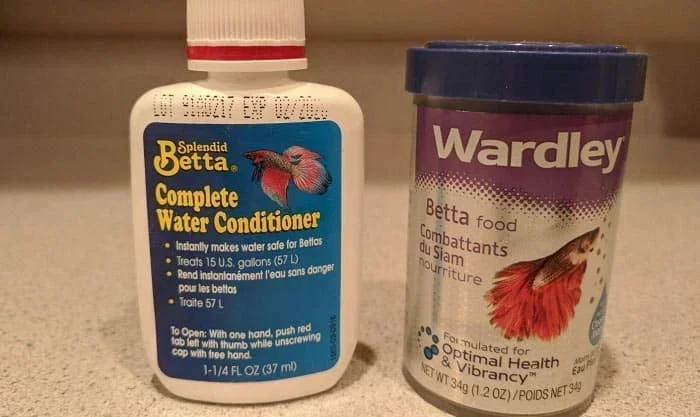
The safest choice is always a conditioner made specifically for bettas. These products are tested on betta fish. They remove chlorine and chloramine without leaving harmful residues. Many also add aloe vera or other soothing ingredients to protect the fin and slime coat.
Popular betta-safe conditioners include brands like Seachem Prime and API Stress Coat. These work well when used correctly. Always follow the dosage instructions on the bottle.
General Freshwater Conditioners
If a betta-specific product is not available, a quality general freshwater conditioner can work. Look for one that meets these criteria:
- Removes chlorine and chloramine
- Does not contain formaldehyde
- Does not raise or lower pH drastically
- Is free of dyes and artificial additives
- Is labeled safe for tropical freshwater fish
Products like Seachem Prime are widely considered safe for bettas. They are used by many experienced betta keepers. Just be sure to dose correctly for your tank size.
What About Using Tap Water?
Many beginners wonder if they can just use tap water without any conditioner. The short answer is no. Tap water contains chlorine that will harm your betta. Even small amounts cause stress and damage over time.
Always treat tap water before adding it to your tank. If you want to learn more about this, read our detailed article on can you use tap water in a betta fish tank.
How to Choose the Right Conditioner for Your Betta
Picking the right product does not have to be complicated. Follow these simple steps to make sure your betta stays safe.
Step 1: Read the Ingredients
Never buy a conditioner without checking the ingredient list first. Avoid anything with formaldehyde or harsh chemicals. A good product should clearly state what it removes and what it adds to the water.
Step 2: Look for Betta or Tropical Labels
Products labeled for bettas or tropical freshwater fish are your safest bet. These have been tested for compatibility with species that have similar needs. Avoid products labeled for marine or saltwater use.
Step 3: Check the Dosage
Using too much conditioner is just as bad as using the wrong one. Always measure carefully. Most conditioners require only a small amount per gallon. Over-dosing can create a foamy or sticky residue on the water surface. This can bother your betta.
Step 4: Test Your Water Regularly
A good conditioner does not replace proper tank maintenance. You still need to monitor your water quality. Use a liquid test kit to check ammonia, nitrite, nitrate, and pH levels. Do this at least once a week.
To understand how conditioners fit into a full water change routine, see our guide on how to use tap water conditioner for betta fish.
Comparison: Safe vs Unsafe Conditioners
Here is a quick comparison to help you visualize the difference between safe and risky products.
| Feature | Safe Conditioner | Unsafe (Non Betta) Conditioner |
|---|---|---|
| Removes chlorine | Yes | Yes (but may use harsh methods) |
| Removes chloramine | Yes | Not always |
| Formaldehyde-free | Yes | Often no |
| Safe for bettas | Yes | No |
| Contains soothing agents | Yes (aloe vera, etc.) | No |
| pH stable | Yes | May cause spikes |
| No dyes or fragrances | Yes | Often contains them |
Quick Tips for Using Conditioner Safely
These quick tips will help you avoid common mistakes and keep your betta happy and healthy.
- Always treat new water first. Never add untreated tap water directly to your betta tank.
- Measure precisely. Use the syringe or cap that comes with the product. Do not eyeball it.
- Wait before adding fish. After a water change, let the conditioner sit for at least 15 minutes before introducing your betta.
- Do not over条件. More is not better. Stick to the recommended dosage.
- Keep a backup bottle. Always have conditioner on hand. Water changes are not optional.
- Store properly. Keep your conditioner in a cool, dark place. Heat and sunlight break down the active ingredients.
Common Mistakes to Avoid
Even experienced hobbyists sometimes make mistakes with conditioners. Here are the most common ones to watch out for.
Assuming All Conditioners Are the Same
This is the biggest mistake. Just because two bottles both say “water conditioner” does not mean they are the same. A non betta fish conditioner may work great for another species. But it can be dangerous for bettas. Always check compatibility before use.
Skipping Conditioner on Small Water Changes
Some people think a small water change does not need treatment. This is false. Even a 10% water change introduces new chlorine. Always treat every batch of new water, no matter how small.
Ignoring Water Parameters
Conditioner alone does not guarantee a healthy tank. You also need to maintain proper temperature, pH, and ammonia levels. A clean tank with bad parameters will still make your betta sick.
If you are unsure about your tank setup, our article on do I have to use water conditioner for betta fish covers everything you need to know.
Expert Insights on Conditioner Use
Experienced betta keepers and aquatic veterinarians agree on a few key points when it comes to water conditioners:
- Use conditioners every time you do a water change. This is not optional. It is essential for betta health.
- Invest in a good conditioner. Cheap products may save money but can cost you your fish. Quality matters.
- Do not rely on conditioner alone. It is one part of a complete care routine that includes proper filtration, heating, and regular tank cleaning.
- Watch your fish after water changes. If your betta shows stress signs, do a water change immediately with properly treated water.
Remember, your betta lives in the water you provide. Whatever goes into that water directly affects your fish. Making smart choices about conditioners is one of the easiest ways to protect your betta.
Conclusion
Using a non betta fish conditioner is not worth the risk. Generic or marine conditioners can contain harmful ingredients that stress your betta, damage its organs, and shorten its life. The solution is simple. Use a conditioner that is specifically safe for bettas or at least designed for tropical freshwater fish.
Always read ingredient labels. Treat every batch of new water. Test your tank parameters regularly. And most importantly, pay attention to your betta’s behavior after water changes. These small steps make a huge difference.
Your betta fish depends on you to provide a safe and healthy environment. By choosing the right conditioner and avoiding harmful products, you give your betta the best chance at a long, happy life. Do not gamble with your fish’s health. Make the smart choice and use a conditioner that is truly safe.
Frequently Asked Questions
Can I use a fish conditioner that is not labeled for bettas?
It depends on the ingredients. Some general freshwater conditioners are safe for bettas if they are formaldehyde-free and do not contain harsh chemicals. However, conditioners made for marine fish or goldfish may include ingredients that harm bettas. Always read the label and choose products specifically marked safe for tropical freshwater or betta fish.
What happens if I accidentally use the wrong conditioner?
Your betta may show signs of stress such as clamped fins, rapid breathing, or color fading. In most cases, doing a partial water change with properly treated water will help. If symptoms persist for more than 24 hours, consider doing a full water change and adding a safe betta-specific conditioner. Monitor your fish closely and remove any source of contamination.
Is there a difference between betta conditioner and regular aquarium conditioner?
Yes. Betta conditioners are specifically formulated to be gentle on betta fish. They often include soothing ingredients like aloe vera. Regular aquarium conditioners may contain stronger chemicals or additives meant for hardier species. A betta-specific product gives you peace of mind that the water treatment will not irritate your fish’s sensitive system.
Can I use bottled or conditioned water instead of tap water conditioner?
Some bottled water brands are safe for fish, but many contain minerals or additives that are not suitable. Distilled water lacks essential minerals and needs remineralization. The safest approach is to use tap water with a quality conditioner designed for bettas. This gives you full control over water quality and is more cost-effective.
How much conditioner should I use per gallon?
Follow the dosing instructions on your specific product. Most conditioners require about one drop or a small capful per gallon. Do not exceed the recommended dose, as over-conditioning can create a residue on the water surface that makes it hard for your betta to breathe. If you are unsure, start with a smaller amount and test the water before adding your fish.
Does conditioner protect against all water contaminants?
No. Most conditioners target chlorine, chloramine, and heavy metals. They do not remove ammonia, nitrite, or nitrate. You still need a proper aquarium filter and regular water changes to maintain a healthy tank. Conditioner is just one part of keeping your betta fish tank safe and thriving.