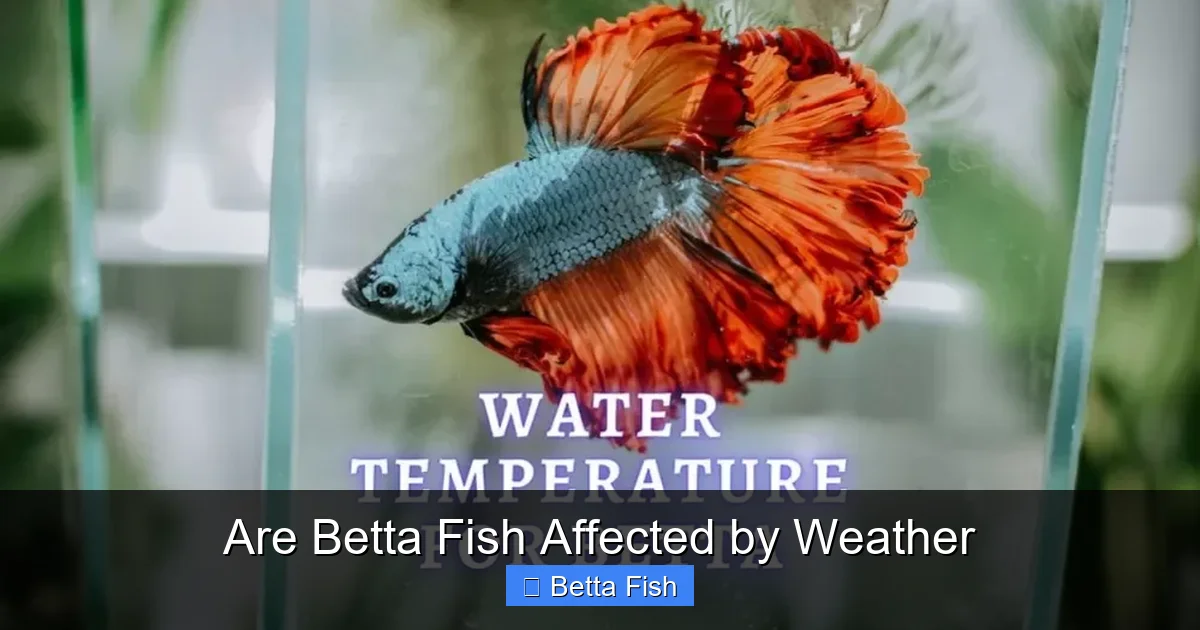
Are Betta Fish Affected by Weather
Wondering if are betta fish affected by weather? Yes—temperature swings, humidity, and seasonal shifts can influence their well‑being. By managing tank temperature, water quality, and environmental stressors, you can protect your Betta no matter what the forecast brings.
Key Takeaways
- Temperature matters: Sudden drops or spikes can stress bettas and trigger illness.
- Humidity and air flow: High humidity can raise water temperature, while drafts cause rapid cooling.
- Seasonal lighting: Changes in daylight affect the fish’s natural rhythm and coloration.
- Tank placement: Keep the aquarium away from windows, vents, and doors to avoid weather‑related fluctuations.
- Monitoring tools: Use reliable heaters, thermometers, and hygrometers to stay ahead of weather impacts.
- Adjust feeding and care: Modify diet and cleaning routines according to seasonal temperature changes.
- Know the signs: Look for lethargy, faded colors, or erratic swimming as early warnings of weather stress.
📑 Table of Contents
- Introduction: Why Weather Might Matter to Your Betta
- 1. Temperature Fluctuations: The Biggest Weather Factor
- 2. Humidity and Air Flow: Invisible Influences
- 3. Seasonal Light Changes: More Than Just Mood
- 4. Water Quality Shifts Triggered by Weather
- 5. Behavioral Changes Linked to Weather
- 6. Real‑World Example: A Summer Heat Wave
- Conclusion: Stay One Step Ahead of the Weather
Introduction: Why Weather Might Matter to Your Betta
Betta fish are small, vibrant, and surprisingly sensitive to their surroundings. While many hobbyists think of bettas as low‑maintenance, the truth is that are betta fish affected by weather is a question worth exploring. The answer is a resounding yes—outside temperature, humidity, and even seasonal daylight can influence the water inside the tank.
In this article we’ll break down the science behind weather effects, share real‑world examples, and give you simple steps to keep your Betta happy whether it’s a scorching summer day or a chilly winter night.
1. Temperature Fluctuations: The Biggest Weather Factor
How ambient temperature reaches the tank
Betta fish are tropical freshwater species that thrive at 76‑82°F (24‑28°C). When the room temperature drops below 70°F (21°C), the water follows suit, even if you have a heater. Conversely, a hot attic or direct sunlight can push the water past the ideal range.
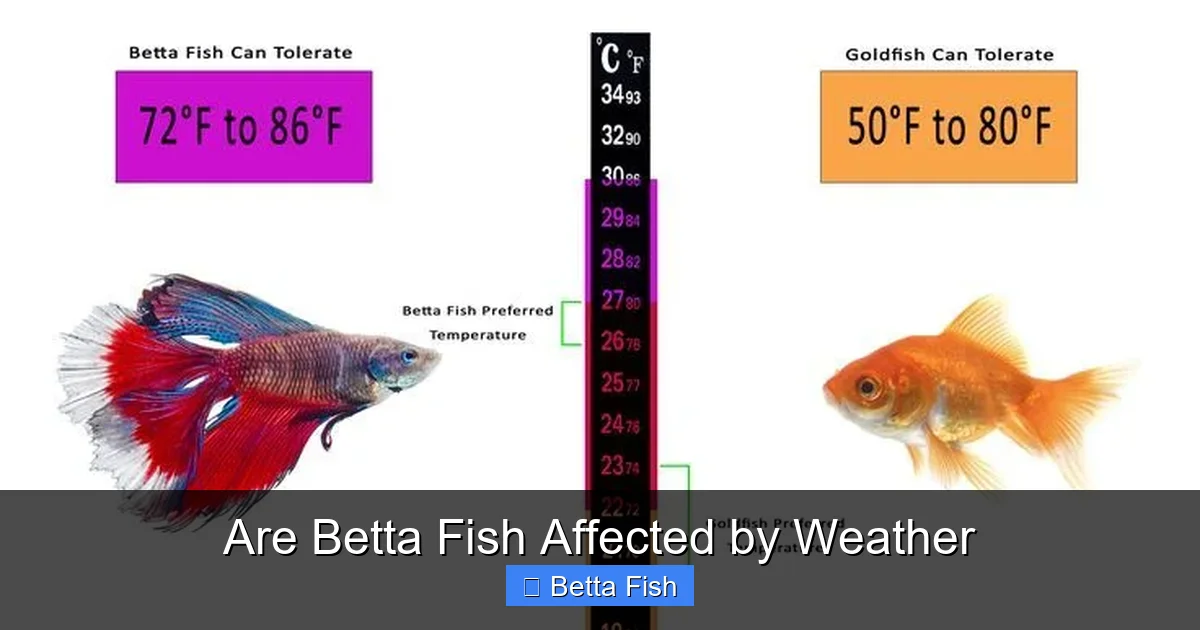
Visual guide about Are Betta Fish Affected by Weather
Image source: i.pinimg.com
Symptoms of temperature stress
- Lethargic swimming or staying at the bottom.
- Faded coloration and a “floppy” appearance.
- Increased susceptibility to ich or velvet disease.
Practical tip: Use a reliable aquarium heater
Invest in a heater with a built‑in thermostat and place it near the water flow for even distribution. Pair it with a digital thermometer outside the tank to spot room‑temperature swings early.
2. Humidity and Air Flow: Invisible Influences
High humidity raises water temperature
During humid summer months, the air holds more heat. This can cause the surface of the water to stay warmer, especially if the tank lacks a cover. A warmer surface can lead to lower dissolved oxygen, making your Betta gasp for air.
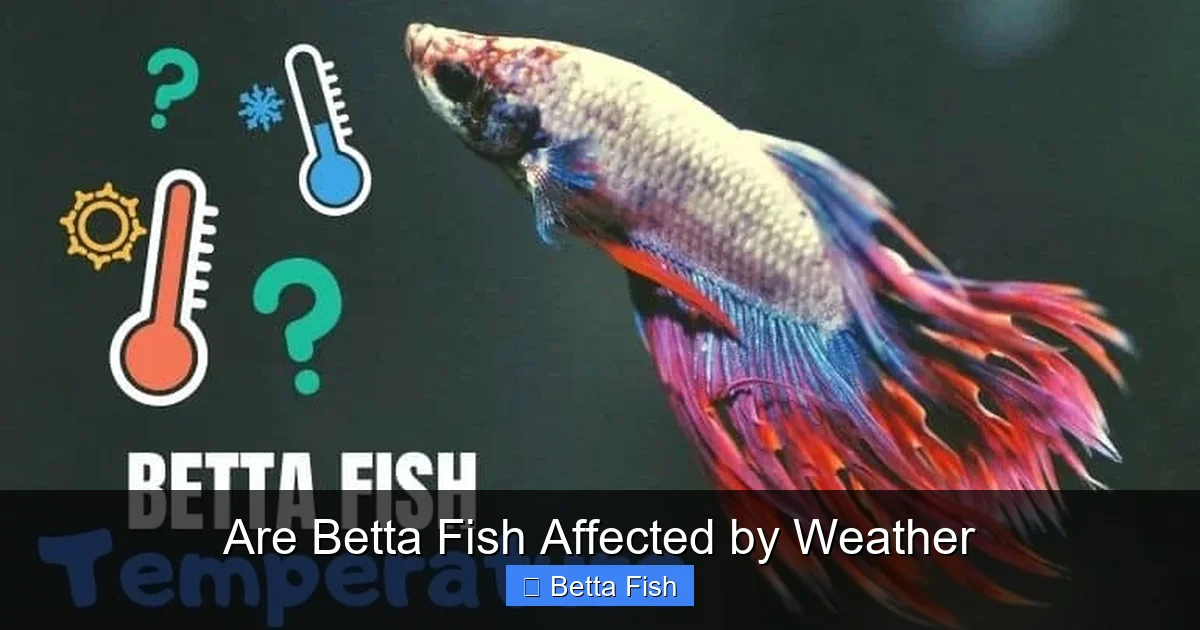
Visual guide about Are Betta Fish Affected by Weather
Image source: japanesefightingfish.org
Drafts and cold air
Cold drafts from windows, doors, or HVAC vents can cool only part of the tank, creating temperature gradients. Betta fish will often congregate in the warmer side, showing stress behaviors.
Practical tip: Position and protect the tank
Place the aquarium on a stable table away from windows and vents. Use a low‑profile lid to reduce surface evaporation while still allowing gas exchange.
3. Seasonal Light Changes: More Than Just Mood
Daylight length affects betta behavior
In nature, bettas experience a fairly consistent day length. In a home, winter brings shorter days, which can cause the fish to become less active and even lose some of their bright colors.

Visual guide about Are Betta Fish Affected by Weather
Image source: petshun.com
Using artificial lighting
LED aquarium lights set on a 10‑12 hour cycle mimic natural conditions. Keep the light schedule consistent through the year to avoid confusing your Betta.
Practical tip: Add a dimmable timer
Install a timer that turns the light on at the same time each morning and off at night. This steadiness helps maintain the fish’s circadian rhythm.
4. Water Quality Shifts Triggered by Weather
Rain and humidity impact water parameters
Heavy rain can raise indoor humidity dramatically, leading to faster evaporation. As water evaporates, minerals become more concentrated, raising ammonia and nitrite levels.
Seasonal cleaning schedule
During dry winter months, evaporation slows, so you may need to do smaller, more frequent water changes. In summer, larger weekly changes help keep parameters stable.
Practical tip: Test water weekly
Use a liquid test kit to monitor pH, ammonia, nitrite, and nitrate. Adjust your water change routine based on the results, not just the calendar.
5. Behavioral Changes Linked to Weather
Feeding habits
Cold water slows metabolism. In winter, bettas often eat less. Overfeeding a sluggish fish can lead to cloudy water and digestive issues.
Territorial aggression
Sudden temperature drops can make male bettas more aggressive, especially if they sense a threat. If you keep multiple bettas (in separate tanks), watch for increased flare‑ups after a cold snap.
Practical tip: Adjust feed size
Offer smaller portions during colder weeks and increase slightly when the tank warms up. Observe how quickly the food is consumed to fine‑tune the amount.
6. Real‑World Example: A Summer Heat Wave
Emma, a Betta owner from Arizona, noticed her fish’s fins curling during a two‑week heat wave. The room temperature climbed to 90°F (32°C), and the tank’s surface temperature hit 86°F (30°C). By adding a small fan to blow across the tank’s surface and moving the aquarium away from direct sunlight, she lowered the water by 4°F, and the fin curling stopped within 48 hours.
This story illustrates how quickly weather can affect a Betta and how simple adjustments—like airflow and placement—can make a big difference.
Conclusion: Stay One Step Ahead of the Weather
Understanding are betta fish affected by weather empowers you to create a stable oasis for your fish, no matter what the forecast says. By monitoring temperature, humidity, light, and water quality, you can prevent stress before it becomes a problem. Remember, a happy Betta reflects a well‑managed environment, not luck.
Take the time to set up reliable equipment, keep a consistent routine, and watch your Betta’s behavior for clues. With these proactive steps, you’ll enjoy a vibrant, healthy fish all year long.
Frequently Asked Questions
Do betta fish need a heater even in warm climates?
Yes. Even in warm homes, night‑time temperatures can dip below the ideal range, so a heater ensures a constant 76‑82°F environment.
Can I leave my betta tank near a window?
It’s best to avoid direct sunlight. Sunlight can cause rapid temperature spikes and promote algae growth.
How often should I test my water during seasonal changes?
Test weekly, and increase to twice a week during extreme temperature shifts or after heavy rain that raises indoor humidity.
Will my betta become more aggressive in cold weather?
Sudden cooling can trigger stress‑induced aggression, especially in males. Keep the water temperature stable to reduce flare‑ups.
Is it normal for a betta to eat less in winter?
Yes. Metabolism slows in cooler water, so smaller meals are appropriate to prevent waste buildup.
Can I use a regular house thermostat to control tank temperature?
While a room thermostat helps, a dedicated aquarium heater with a thermostat is more precise for maintaining stable water temperature.