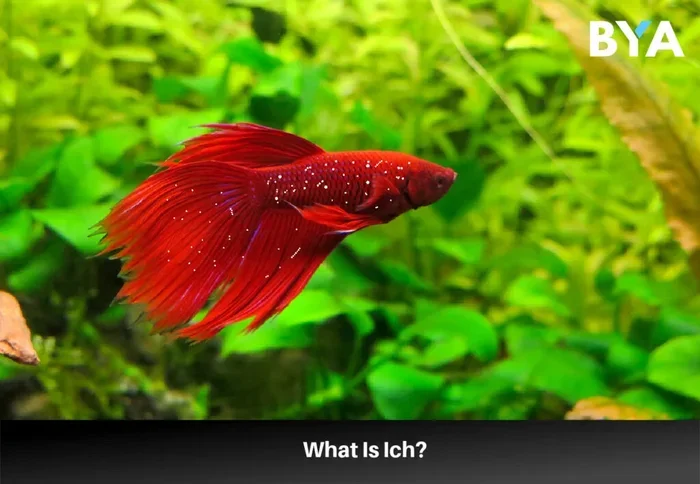
Is It Safe to Put Two Betta Fish Together
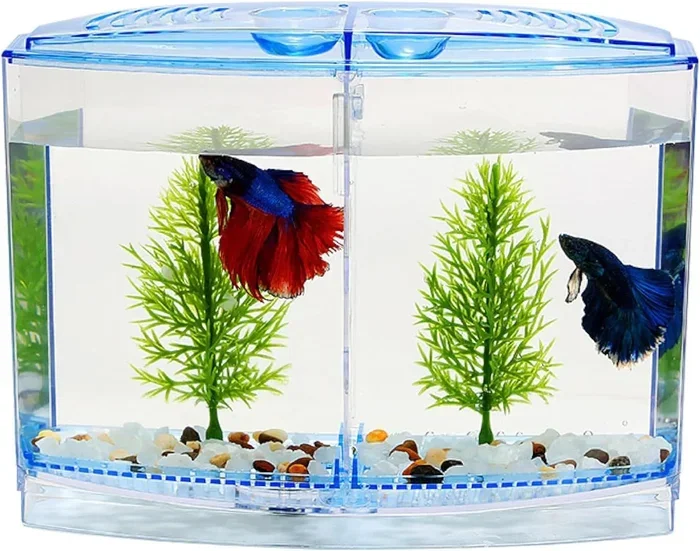
Putting two betta fish together can be risky but sometimes possible. Male bettas are famously territorial, while females may coexist under the right conditions. This guide covers everything you need to know about betta fish compatibility and how to keep your fish safe.
Key Takeaways
- Male bettas are highly territorial: Two male betta fish should never share the same tank without heavy barriers and careful monitoring.
- Female bettas can sometimes live together: A female betta sorority of 4-6 fish can work in a large enough tank with proper setup.
- Tank size matters a lot: You need at least a 20-gallon tank to attempt housing multiple bettas safely.
- Aggression signs are subtle: Fin nipping, flaring, and hiding all signal stress or conflict between betta fish.
- Always have a backup plan: Keep a spare tank ready in case your betta pair or group needs immediate separation.
- Individual personality counts: Some bettas are naturally calmer and more social than others, regardless of gender.
📑 Table of Contents
- Is It Safe to Put Two Betta Fish Together?
- Why Are Betta Fish Known for Aggression?
- Can Two Male Betta Fish Live Together?
- Can Two Female Betta Fish Live Together?
- Can You Put a Male and Female Betta Fish Together?
- What Tank Setup Helps Prevent Fighting?
- Signs Your Betta Pair Is Not Working
- Expert Tips for Keeping Multiple Bettas Safely
- Conclusion
Is It Safe to Put Two Betta Fish Together?
The short answer is: it depends. Putting two betta fish together is one of the most common questions new fish owners ask. Maybe you already have a beautiful betta and want to add a companion. Or perhaps you saw two bettas at the store and thought they would look great side by side at home.
Here is the honest truth. Betta fish, also known as Siamese fighting fish, have a reputation for being aggressive. That reputation is not entirely unfair. But it does not mean every betta will fight to the death the moment it sees another fish. Betta fish compatibility depends on gender, tank setup, personality, and a whole lot more.
In this guide, you will learn exactly when it is safe to put two betta fish together, when it is not, and what you can do to give both fish the best chance of living peacefully. We will cover everything from male versus female behavior to tank size tips and real-world examples. By the end, you will know whether your specific situation can work.
Why Are Betta Fish Known for Aggression?
Their Natural Instincts
Betta fish are territorial by nature. In the wild, each betta claims a small patch of water full of hiding spots, food, and breeding areas. They do not like other fish invading that space. This behavior is not mean or personal. It is simply how they survive.
Male bettas are especially territorial. They are born to fight. In fact, breeders have selected bettas for aggressive tendencies over hundreds of years. That is why they are called fighting fish. A male betta will often flare its fins, display bright colors, and charge at anything that looks like a rival. This is called betta fish aggression, and it is completely normal behavior for the species.
What This Means for You
Just because your betta is aggressive does not mean it is a bad pet. It simply means it needs the right living conditions. A single betta in a properly sized tank with plenty of enrichment is a happy betta. Adding another fish changes the equation completely.
If you are wondering why you cannot just put two betta fish together, this is the main reason. Their fighting instinct is deeply wired into their genetics. But that does not mean every pairing ends badly. Let us break down the different scenarios.
Can Two Male Betta Fish Live Together?
The Short Answer: No
Housing two male betta fish in the same tank is almost always a bad idea. Two males will see each other as rivals. They will flare, chase, bite, and fight until one is seriously injured or killed. Even if they do not kill each other, the constant stress weakens their immune systems and shortens their lifespan.
This is the number one common mistake people make. The internet is full of videos showing two male bettas living together. Some of those videos are real. But many are staged or show fish that are separated by glass dividers the entire time. Do not let those videos fool you.
The Rare Exceptions
There are very rare cases where two male bettas survive together. These usually involve:
- A very large tank of 40 gallons or more
- Heavy visual barriers like plants, rocks, and caves
- Multiple hiding spots so neither fish feels trapped
- Constant monitoring for signs of stress
- A backup tank ready for immediate separation
Even with all of that, success is not guaranteed. Most experienced aquarists will tell you to avoid this setup entirely. If you want to explore this further, check out our detailed guide on keeping two male betta fish together for a deeper look at the risks.
Can Two Female Betta Fish Live Together?
The Betta Sorority Setup
This is where things get more hopeful. Two female betta fish together can actually work under the right conditions. Female bettas are generally less territorial than males. They can form social groups called betta sororities.
A proper betta sorority needs at least 4 to 6 female bettas. Why so many? Because two females might still fight over dominance. But with four or more, the aggression gets spread out. No single fish becomes the target. The group dynamic creates a natural balance.
Requirements for Success
To make a female betta group work, you need to follow these rules closely:
- Tank size: At least 20 gallons. Bigger is always better.
- Heavy planting: Use real or fake plants to break lines of sight and create territories.
- Multiple hiding spots: Caves, driftwood, and rock formations are essential.
- Even sizing: All bettas should be roughly the same size to prevent bullying.
- Balanced feeding: Spread food across multiple spots so one fish does not dominate meals.
You can learn more about this setup in our article about putting two female betta fish together and what to watch for.
Can You Put a Male and Female Betta Fish Together?
Short-Term Pairs: Breeding Only
Putting a male and female betta together is typically only safe during breeding. The male builds a bubble nest and courts the female. Once the eggs are laid, the male chases the female away. In many cases, he will attack her relentlessly if she cannot escape.
This means you should never keep a male and female together permanently unless you are specifically breeding them and have a plan for separating them after. To understand this dynamic better, read our guide on putting male and female betta fish together.
The Risks of Permanent Pairing
Some people hope to keep a mated pair together. While this occasionally works, it is risky. The male may become aggressive after breeding. The female may be injured or stressed. Without a backup tank, you could lose one or both fish.
If you do attempt this, make sure the tank is heavily decorated with at least 30 gallons of space. Watch the pair daily for any signs of conflict. Be ready to separate them at a moment’s notice.
What Tank Setup Helps Prevent Fighting?
Tank Size Matters
The size of your tank plays a huge role in betta fish compatibility. A tiny bowl or 5-gallon tank is not enough for two bettas. Even one betta needs at least 5 gallons to thrive. For two bettas, you need a minimum of 20 gallons.
Why does size matter so much? In a small space, there is nowhere to hide. Every inch of the tank is visible. A territorial betta can monitor and defend its entire domain easily. In a larger tank, it must spend more energy patrolling and less energy attacking. This naturally reduces conflict.
Visual Barriers Are Your Best Friend
One of the best ways to reduce aggression is to break the line of sight between two bettas. Live plants, tall decorations, and rock walls all help. Bettas cannot fight what they cannot see. This simple trick can make the difference between a peaceful tank and a disaster zone.
Feeding Strategies
Food is a common trigger for fighting. Feed your bettas in multiple locations at the same time. Use a feeding ring or drop food on opposite sides of the tank. This prevents one fish from controlling all the meals and reduces food-related stress.
Signs Your Betta Pair Is Not Working
Even with the best setup, some betta pairings just do not work. You need to watch your fish closely and look for these warning signs:
- Constant flaring: Occasional flaring is normal. Non-stop flaring means high stress.
- Chasing: One fish relentlessly chasing the other is a red flag.
- Fin nipping: Torn or ragged fins mean physical attacks are happening.
- Hiding all day: A fish that hides constantly is stressed and scared.
- Loss of color: A stressed betta may turn pale or dark.
- Not eating: A fish that refuses food is in serious trouble.
- Clamped fins: Fins held close to the body signal discomfort or illness.
If you notice any of these signs, separate the fish immediately. Do not wait and hope things get better. Betta fish health depends on quick action.
Expert Tips for Keeping Multiple Bettas Safely
Start with a Quarantine Tank
Before adding any new betta to your setup, quarantine it for at least two weeks. This prevents disease from spreading and gives you time to observe behavior without the stress of a new permanent home.
Introduce Fish Gradually
Do not just drop a new betta into an established tank. Use a clear divider or floating container to let the fish see each other without physical contact. This lets them get used to each other’s presence over several days. Then, if both seem calm, you can remove the barrier.
Always Have a Backup Plan
Keep a spare tank or large container ready at all times. If things go wrong, you need to act fast. A stressed or injured betta needs immediate separation. Having a backup tank ready can save a life.
Monitor Daily
Watch your tank at least twice a day for the first two weeks after introducing a new betta. Take notes if needed. Documenting behavior helps you spot patterns and catch problems early.
Conclusion
So, is it safe to put two betta fish together? The answer is not a simple yes or no. Two male bettas should almost never share a tank. Two female bettas can work in a large, well-planted tank with proper group dynamics. A male and female pair is only safe temporarily for breeding purposes.
Every betta has its own personality. Some are naturally calmer. Some are more bold or curious. You cannot change their instincts, but you can set them up for success with the right tank size, plenty of hiding spots, and careful monitoring.
If you decide to try housing multiple bettas, do so with realistic expectations. Be prepared to separate them if needed. Prioritize their health and safety above everything else. With the right knowledge and patience, you can create a beautiful aquarium that gives your betta fish the best life possible.
Remember, a happy betta is a healthy betta. Whether that means keeping one fish in a perfect setup or carefully managing a small group, the goal is always the same. Give your fish the space, enrichment, and care they deserve.
Frequently Asked Questions
Can I put two male betta fish in the same tank with a divider?
A divider can help reduce visual contact, but it is still risky. Males may still flare and attack through the barrier. Over time, stress can weaken their health. Most experts recommend keeping male bettas in separate tanks entirely for their safety.
What is the best tank size for two betta fish?
You need at least a 20-gallon tank for two bettas. A larger tank of 30 gallons or more gives better results. The extra space allows each fish to establish its own territory and reduces the chance of constant conflict.
Are some betta fish naturally more peaceful than others?
Yes, individual personality plays a big role. Some bettas are naturally calmer and more tolerant of others. However, you cannot predict this with certainty until you observe their behavior. Even a calm betta may become aggressive when a new fish is introduced.
Can betta fish live with other species instead of another betta?
Many bettas do well with peaceful community fish like neon tetras, corydoras, or shrimp. However, each betta is different. Some will attack even peaceful tankmates. Always research compatibility and monitor behavior closely when mixing species.
How do I introduce a new betta to an existing one?
Start by placing the new betta in a clear container or divider inside the tank. Let them see each other for several days without physical contact. If both fish remain calm, slowly remove the barrier. Watch closely for any signs of aggression during the process.
What should I do if my two bettas start fighting?
Separate them immediately. Use a net to move one fish into a backup tank or large container. Do not wait to see if the fighting stops on its own. Continued fighting causes injuries, stress, and can be fatal for both fish.