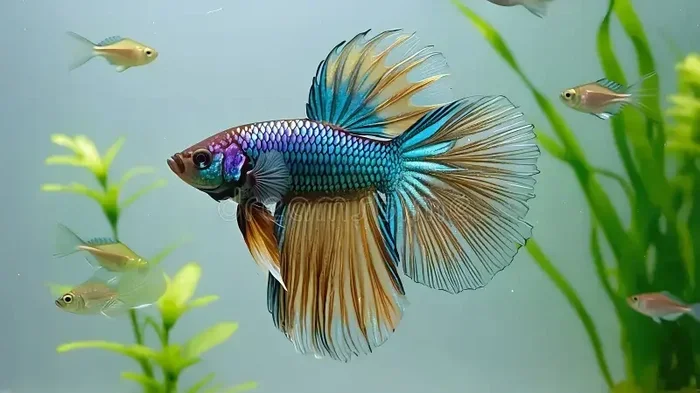
What Can Be Put with Betta Fish
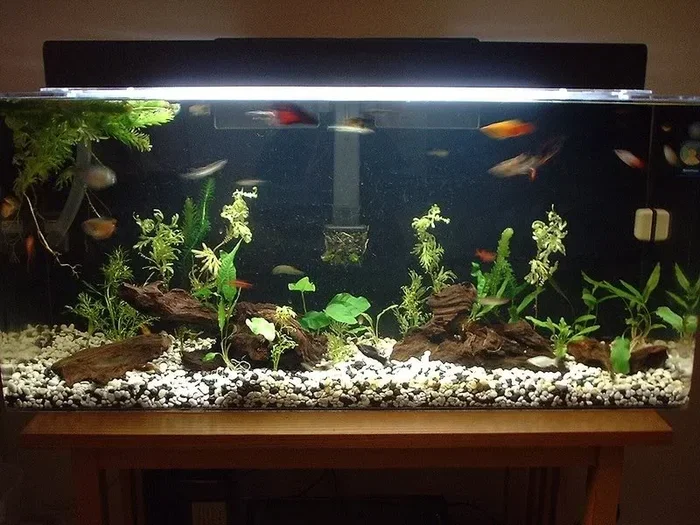
Knowing what can be put with betta fish makes all the difference in creating a peaceful aquarium. The right tank mates bring color, movement, and fun without triggering aggression. This guide covers the best companions, fish to avoid, and simple tips to keep your betta happy and healthy.
If you own a betta fish, you might wonder what can be put with betta fish in the same tank. It is a great question, and the answer is more nuanced than you might think. Bettas are beautiful, curious creatures, but they can also be territorial. Choosing the right companions means the difference between a vibrant, lively tank and a stressful environment for everyone.
The good news is that plenty of fish and creatures make wonderful betta tank mates. From peaceful bottom dwellers to tiny shrimp, the options are wide open. In this guide, we will walk you through the best options, the ones to avoid, and practical tips to set up a thriving community tank. Whether you are a beginner or a seasoned fish keeper, you will find useful advice here.
Key Takeaways
- Peaceful fish are best: Choose calm species that won’t nip at betta fins or compete for territory.
- Avoid bright or long-finned fish: Fish like goldfish and guppies can trigger your betta’s aggression or fin-nipping behavior.
- Tank size matters: A larger tank with plenty of hiding spots reduces stress and territorial fights.
- Bottom dwellers are great companions: Snails and shrimp add interest without bothering your betta.
- Introduce fish slowly: Gradual introductions help your betta adjust and reduce conflict.
- Monitor behavior closely: Watch for signs of stress or aggression and be ready to separate fish if needed.
📑 Table of Contents
What Fish Can Live With Betta Fish?
Not every fish gets along with a betta. Bettas, especially males, have long flowing fins and bright colors that can trigger aggression in other fish. They also tend to defend their territory fiercely. So, choosing compatible fish for betta requires some thought and research.
The best betta fish tank mates share these traits:
- Calm and non-aggressive temperament
- No long or flowing fins that might trigger fin-nipping
- Similar water temperature and pH preferences
- Neutral or bottom-dwelling swimming habits
- Small size that does not threaten the betta
When you keep these traits in mind, you open up a world of possibilities. Many hobbyists have successfully built beautiful community tanks around a single betta. The key is knowing which fish to choose and which to leave out.
Best Peaceful Fish for Betta Tanks
Several fish species are known to coexist peacefully with bettas. These peaceful fish for betta tanks add movement and color without causing stress. Here are some top picks:
- Neon Tetras: These small, colorful fish stay in the middle and upper parts of the tank. They are peaceful and do not bother bettas.
- Corydoras Catfish: These cute bottom dwellers mind their own business. They scavenge the substrate and keep the tank clean.
- Kuhli Loaches: With their eel-like shape, these shy fish stay hidden during the day and come out at night.
- Harlequin Rasboras: These schooling fish are gentle and add a splash of color to any community tank.
- Pygmy Corydoras: A smaller cory species that stays active and peaceful in groups.
Each of these fish brings something unique to the tank. Together, they create a lively and engaging underwater scene that complements your betta beautifully.
Best Tank Mates for Betta Fish
Beyond fish, there are other creatures that make excellent betta fish companions. Snails and shrimp are popular choices, and for good reason. They add variety to the tank without competing for space or triggering aggression.
Snails That Work Great With Bettas
Snails are some of the easiest and most rewarding tank mates for bettas. They clean up leftover food and algae, keeping the tank healthy. Here are a few favorites:
- Mystery Snails: These large, colorful snails are fascinating to watch. They move slowly and do not bother bettas at all.
- Nerite Snails: Tiny and hardworking, nerite snails are excellent algae eaters. They cannot reproduce in freshwater, so they stay small.
- Ramshorn Snails: These spiral-shelled snails are great scavengers. They reproduce quickly, so keep their numbers in check.
Most bettas ignore snails completely. The hard shell and slow movement make them uninteresting to even the most curious betta. Just make sure your tank is big enough to support both the betta and the snails comfortably.
Shrimp as Betta Companions
Shrimp are another fantastic option if you are wondering what can be put with betta fish. They stay small, keep to themselves, and add a unique touch to your aquarium. Popular choices include:
- Cherry Shrimp: Bright red and easy to care for. They breed readily and add a pop of color to any tank.
- Amano Shrimp: Larger and more active, amano shrimp are excellent algae eaters. They are hardy and get along well with bettas.
- Ghost Shrimp: Nearly transparent and very affordable, ghost shrimp make great temporary tank mates or cleanup crew members.
Keep in mind that some bettas may try to hunt shrimp, especially smaller species. Providing plenty of plants and hiding spots gives shrimp a safe place to retreat. A well-planted tank benefits both your betta and its tiny companions.
Fish to Avoid With Betta Fish
Knowing what to avoid is just as important as knowing what to add. Some fish simply do not work with bettas, and putting them together can lead to stress, injury, or even death. Understanding betta fish compatibility helps you make smarter choices for your aquarium.
Fish That Trigger Betta Aggression
Bettas are known for their fiery temperament, especially males. Certain fish can make this aggression worse. Here are some common ones to steer clear of:
- Goldfish: Goldfish produce a lot of waste and need cooler water than bettas. They are also too large and can bully your betta. If you have ever asked, can betta fish be put with goldfish, the answer is generally no.
- Guppies: Guppies have long, flowing fins that can trigger your betta’s fin-nipping instinct. Male guppies are especially colorful, which makes them a target for betta aggression.
- Angelfish: These fish grow large and can become aggressive themselves. They take up a lot of space and may intimidate your betta.
- Barbs: Tiger barbs and other barb species are notorious fin nippers. They can cause serious damage to a betta’s delicate fins.
Always research any fish before adding it to your betta tank. When in doubt, choose a species known for its peaceful nature and similar water needs.
Setting Up a Betta Community Tank
A successful community tank starts with the right setup. Your betta tank setup needs to accommodate everyone, not just your betta. A thoughtful approach to tank design makes all the difference.
Tank Size Requirements
The minimum tank size for a betta alone is five gallons. However, if you plan to add tank mates, you need more space. A ten-gallon tank is a good starting point for a betta with a few small companions. Larger tanks, such as twenty gallons, give everyone room to swim and reduce territorial disputes.
More space means less stress. Fish that feel crowded are more likely to fight, hide, or stop eating. Give your fish room to explore, and they will thrive.
Plants and Hiding Spots
Live plants are a game-changer for any betta community tank. They provide natural hiding spots, reduce stress, and improve water quality. Some great options include:
- Java Fern
- Anubias
- Amazon Sword
- Java Moss
- Cryptocoryne
You can also add caves, driftwood, and rock formations to create more hiding places. These decorations give shy fish a safe retreat and break up lines of sight, which reduces territorial behavior. If you are curious about natural decorations, check out this guide on what can be in a tank with betta fish for more setup ideas.
Water Parameters for a Community Tank
Keeping water conditions stable is essential when housing multiple species together. Bettas prefer warm water between 78 and 80 degrees Fahrenheit, with a pH around 6.5 to 7.5. Most peaceful community fish share these preferences, but always double-check the needs of each species.
Regular water changes and good filtration keep the tank healthy. Test your water parameters weekly, especially during the first few weeks after adding new fish. Catching problems early prevents stress and disease from spreading through the tank.
Tips for Introducing New Fish to Your Betta Tank
Adding new fish to a betta tank should be done carefully. A rushed introduction can cause panic and aggression. Follow these steps for a smoother transition:
- Quarantine new fish first: Keep new arrivals in a separate tank for one to two weeks. This helps you spot any illnesses before they spread.
- Dim the lights: Lowering the lights during introduction reduces stress for all fish. It also makes territorial behavior less intense.
- Add plants and decorations first: Rearrange the tank slightly or add new plants before introducing new fish. This breaks up established territories and gives everyone fresh space.
- Feed your betta before adding new fish: A well-fed betta is less likely to feel threatened by newcomers.
- Observe closely for the first few hours: Watch for chasing, flaring, or hiding. Some mild chasing is normal, but persistent aggression needs to be addressed.
Patience is your best friend during this process. Give your betta time to adjust to new tank mates, and do not be afraid to separate fish if things do not go well.
Common Mistakes When Choosing Betta Tank Mates
Even experienced fish keepers make mistakes when selecting tank mates for their bettas. Here are a few common pitfalls to avoid:
- Overcrowding the tank: Too many fish in a small space leads to aggression and poor water quality. Stick to a manageable number of companions.
- Ignoring water temperature differences: Tropical fish need warm water, but some species prefer cooler temperatures. Mixing fish with different temperature needs causes stress for everyone.
- Choosing fish that look too similar: Bright colors and long fins can trigger your betta’s territorial instincts. Choose tank mates that are visually different from your betta.
- Skipping the quarantine period: Introducing sick fish to a community tank can cause outbreaks that harm all your fish.
- Assuming all bettas are the same: Some bettas are more aggressive than others. Female bettas, for example, can sometimes be kept in groups called sororities. Always consider your individual betta’s personality.
Learning from these mistakes saves you time, money, and heartache. Every tank is different, and what works in one aquarium may not work in another. Observe your fish closely and adjust your approach as needed.
Expert Insights on Betta Community Tanks
Experienced aquarists agree that the secret to a successful betta community tank is preparation and observation. Understanding your betta’s personality is the first step. Some bettas are laid-back and barely notice other fish swimming by. Others are highly territorial and need a carefully curated tank setup to feel secure.
Start with a small group of peaceful species and watch how your betta reacts. If the tank stays calm and all fish are eating well, you can slowly add more companions over time. Rushing the process almost always leads to problems.
Remember that every betta is an individual. What works for one betta may not work for another. Trust your instincts, do your research, and always prioritize the well-being of every fish in your care.
Conclusion
Figuring out what can be put with betta fish does not have to be complicated. The right tank mates bring life, color, and excitement to your aquarium while keeping your betta happy and stress-free. Focus on peaceful species, provide plenty of space and hiding spots, and introduce new fish slowly and carefully.
Avoid aggressive or overly colorful fish that can trigger your betta’s territorial instincts. Snails, shrimp, and small peaceful fish like tetras and corydoras are excellent choices. With the right setup and a little patience, you can create a beautiful community tank that showcases your betta in the best possible light.
Take what you have learned here, apply it to your own tank, and enjoy the rewarding experience of building a thriving aquatic community. Your betta will thank you for it.
Frequently Asked Questions
Can betta fish live with goldfish?
No, betta fish and goldfish are generally not compatible. Goldfish need cooler water and produce much more waste than bettas. They also grow large and can bully or outcompete your betta for food and space. If you want to learn more about this specific pairing, you can read about can betta fish be put with goldfish in detail.
What is the best tank size for a betta with tank mates?
A minimum of ten gallons is recommended when keeping a betta with other fish. A larger tank, such as twenty gallons, gives everyone more room to swim and reduces territorial behavior. The extra space also makes it easier to maintain stable water parameters, which is critical for the health of all your fish.
Can you put shrimp with betta fish?
Yes, shrimp like cherry shrimp, amano shrimp, and ghost shrimp can live with bettas. However, some bettas may try to hunt smaller shrimp. Providing plenty of plants and hiding spots gives shrimp a safe place to retreat. Start with a few shrimp and observe how your betta reacts before adding more.
Are female bettas less aggressive than males?
Female bettas are generally less aggressive than males, but they can still be territorial. Females can sometimes be kept together in groups called sororities, but this requires a larger tank and careful planning. Always monitor their behavior closely and be prepared to separate them if aggression occurs.
How many tank mates can a betta have?
The number of tank mates depends on your tank size and the species you choose. In a ten-gallon tank, two to three small peaceful fish is a good starting point. Avoid overcrowding, as too many fish increase stress and competition for resources. Start small and add more only if the tank remains peaceful.
Do bettas need a heater?
Yes, bettas are tropical fish and need a heater to maintain stable water temperatures between 78 and 80 degrees Fahrenheit. A reliable aquarium heater helps prevent temperature swings that can stress your betta and make them more susceptible to illness. Pair your heater with a thermometer to monitor the temperature accurately.